


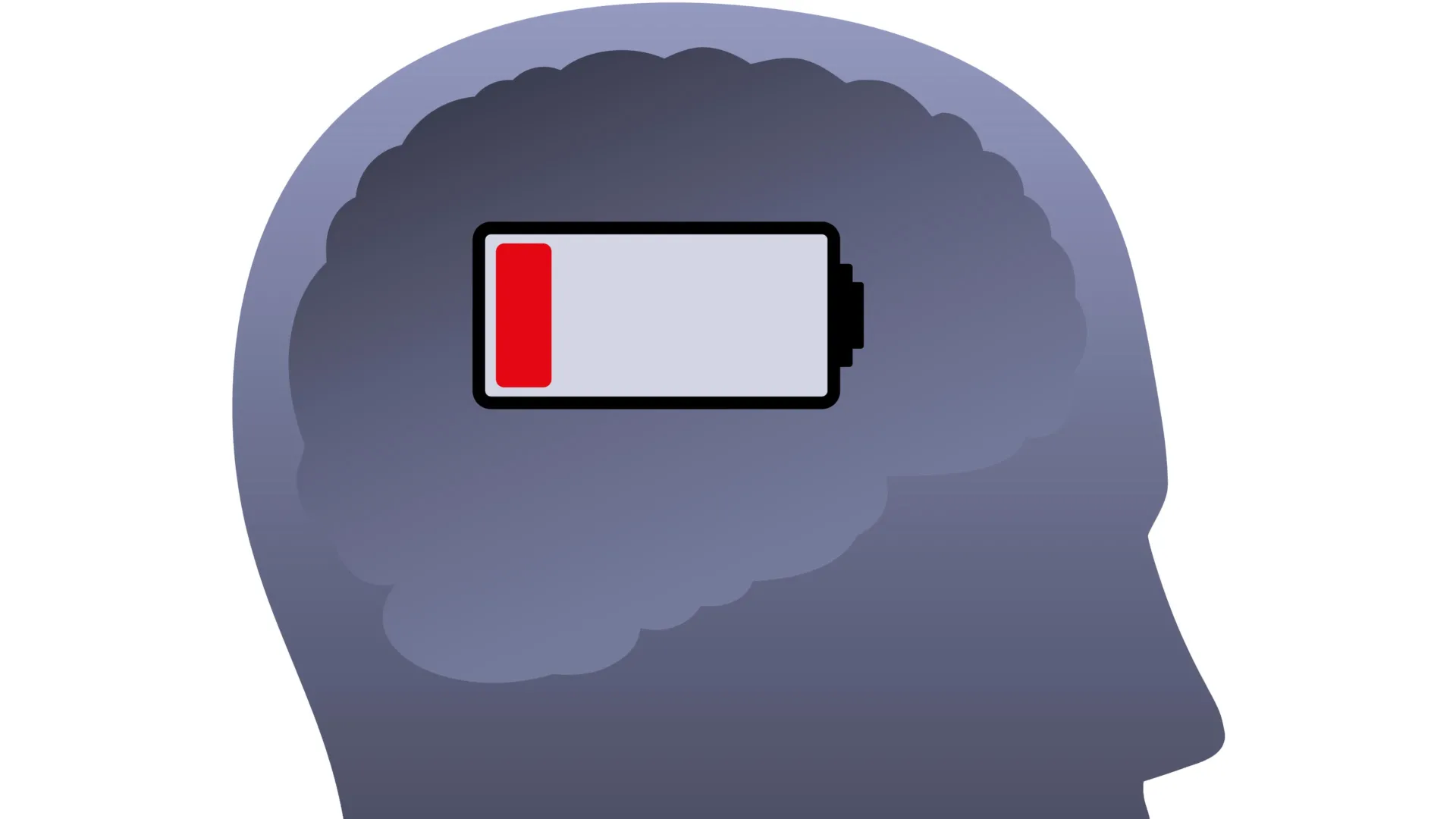
The University of Toronto Scarborough has released a comprehensive study detailing how fluctuations in daily mental sharpness serve as a primary driver for human productivity, revealing that the difference between a high-functioning day and a standard one is equivalent to nearly 40 minutes of additional work output. Published in the prestigious journal Science Advances, the research challenges long-standing assumptions that productivity is primarily a result of fixed personality traits, such as grit or self-discipline. Instead, the findings suggest that the internal "cognitive weather" of an individual—their day-to-day mental clarity and efficiency—is the most significant predictor of whether they will successfully execute their planned tasks or succumb to procrastination and inefficiency.
Led by Cendri Hutcherson, an associate professor in the Department of Psychology at U of T Scarborough, the research team sought to quantify the elusive feeling of "mental fog" that many professionals and students report as a barrier to success. By tracking participants over an extended period, the study provides a granular look at the mechanics of achievement, suggesting that our ability to meet goals is not a static capability but a fluctuating resource influenced by sleep, mood, and cumulative stress.
The Methodology: A 12-Week Longitudinal Analysis
The study’s design departed from traditional psychological research, which often compares different groups of people at a single point in time. To capture the nuance of daily fluctuations, the researchers followed a cohort of university students for 12 consecutive weeks. This longitudinal approach allowed the team to observe how the same individual performed under varying internal and external conditions, effectively using each participant as their own control group.
Participants were required to engage in a rigorous daily protocol. This included objective cognitive assessments—short tests designed to measure reaction times, processing speed, and accuracy—to establish a baseline of "mental sharpness" for that specific day. Alongside these objective metrics, participants provided subjective data regarding their sleep quality, current mood, total workload, and their specific goals for the day. At the end of each day, they reported on their progress, allowing the researchers to correlate cognitive test performance with real-world goal attainment.
By amassing thousands of data points over three months, the research team could distinguish between "traits" (a person’s general level of intelligence or discipline) and "states" (how sharp that person felt on a Tuesday morning compared to a Thursday afternoon). The results indicated that while traits determine a person’s average performance, it is the daily state that dictates the highs and lows of actual output.
Quantifying the Cognitive Edge: The 40-Minute Metric
One of the most significant contributions of the study is the quantification of mental sharpness into a tangible time-based metric. The researchers discovered that when an individual’s cognitive performance was at its peak—meaning they were thinking more clearly and efficiently than their personal average—the resulting boost in productivity was equivalent to adding approximately 40 minutes of high-quality work to their day.
Conversely, on days when mental sharpness dipped below the average, productivity suffered a proportional decline. When comparing a participant’s most productive day to their least productive day, the gap in output widened to approximately 80 minutes. In a standard eight-hour workday, an 80-minute fluctuation represents a nearly 17% swing in total efficiency. This finding suggests that "working harder" is often less effective than "working sharper," as the cognitive state of the individual acts as a multiplier for the effort they put in.
"Some days everything just clicks, and on other days it feels like you’re pushing through fog," Professor Hutcherson noted during the presentation of the findings. "What we wanted to understand was why that happens, and how much those mental ups and downs actually matter in a practical sense."
The Drivers of Daily Fluctuations: Sleep, Mood, and Time of Day
The U of T Scarborough study identified several key variables that dictate the rise and fall of mental sharpness. While some factors are intuitive, the data provided a precise look at how they interact to influence behavior.
- Sleep Hygiene: The most consistent predictor of a high-sharpness day was the quality and quantity of sleep from the night before. Participants who exceeded their personal average for sleep duration showed marked improvements in cognitive speed and accuracy the following morning.
- Circadian Rhythms: Mental sharpness generally peaked in the earlier hours of the day for the majority of participants, followed by a gradual decline. This suggests that the "afternoon slump" is a measurable cognitive reality rather than a mere lack of motivation.
- Mood and Mental Health: The study found a strong correlation between depressive moods and lower mental sharpness. On days when participants reported feeling lower or more anxious, their cognitive tests reflected slower processing speeds, which in turn led to a decrease in the number of goals they set and achieved.
- The Motivation Feedback Loop: Interestingly, the researchers found that mental sharpness and motivation exist in a symbiotic relationship. Higher sharpness made tasks feel easier, which boosted motivation to tackle more difficult goals. This creates a "virtuous cycle" on good days and a "vicious cycle" on bad days.
The Workload Paradox: Short-Term Sprints vs. Long-Term Attrition
The research also uncovered a complex relationship between workload and cognitive performance. In the short term, a heavy workload was actually associated with higher mental sharpness. The data suggests that when faced with an immediate, demanding task, the human brain can "rise to the occasion," increasing focus and efficiency to meet the deadline.
However, the study warned of the "price" of this cognitive surge. When participants maintained an intense workload over several consecutive days without adequate recovery, their mental sharpness began to plummet. This indicates that while the brain is capable of temporary "overclocking," sustained overwork leads to a state of diminishing returns where the individual is working more hours but producing less due to cognitive fatigue.
"You can push hard for a day or two and be fine," Hutcherson explained. "But if you grind without breaks for too long, you pay a price later. The sharpness drops, and suddenly tasks that should take an hour start taking two."
Beyond Grit: Implications for Productivity and Self-Regulation
A central takeaway from the research is the limitation of personality-based solutions for productivity. For decades, the self-help and management industries have emphasized "grit," "willpower," and "self-control" as the primary tools for success. While the U of T Scarborough study acknowledges that these traits are important for long-term career success, they are not a cure for daily cognitive fluctuations.
The data showed that even the most disciplined participants—those scoring high in grit—were still subject to the same 40-minute productivity swings based on their mental sharpness. This suggests that no amount of willpower can entirely overcome the physiological reality of a fatigued or "foggy" brain.
This has profound implications for how organizations and individuals approach work. Rather than viewing a low-productivity day as a moral or professional failure, the research suggests it should be viewed as a biological signal. Acknowledging these fluctuations can lead to more effective "energy management" rather than just "time management."
Analysis of Broader Societal and Economic Impact
The implications of this study extend beyond the academic environment of university students. In a global economy increasingly dominated by knowledge work, cognitive efficiency is the primary currency. If the average worker experiences a 40-minute swing in productivity based on mental clarity, the cumulative economic impact is staggering.
For corporations, these findings support the shift toward flexible working hours and a greater emphasis on employee wellness. If an employee is forced to work during a period of low mental sharpness, the company is essentially paying for "ghost hours"—time spent at a desk with minimal cognitive output. Conversely, fostering an environment that prioritizes sleep and mental health could theoretically unlock an additional 40 minutes of high-value work per employee per day without increasing the length of the work week.
Furthermore, the study provides a scientific basis for the "four-day work week" and "rest-first" philosophies. By preventing the long-term attrition of mental sharpness caused by burnout, these models may actually increase total output by ensuring that the hours spent working are done so at peak cognitive efficiency.
Recommendations for Maintaining Peak Sharpness
Based on the data collected over the 12-week period, Professor Hutcherson and her team suggested three primary strategies for individuals looking to maximize their daily mental sharpness:
- Prioritize Sleep Consistency: Rather than just focusing on total hours, maintaining a consistent sleep-wake cycle helps stabilize the cognitive baseline.
- Mitigate Depressive Traps: Recognizing the link between mood and sharpness allows individuals to employ mental health strategies—such as exercise or social interaction—not just for emotional well-being, but as a prerequisite for professional productivity.
- Strategic Pacing: Avoiding the "grind" mentality by scheduling breaks and recognizing when the brain has reached a point of diminishing returns can prevent the long-term decline in sharpness associated with burnout.
Finally, the study encourages a shift in self-perception. "Sometimes it’s just not your day, and that’s okay," Hutcherson concluded. "Maybe this is the day where you give yourself a little slack." By understanding that mental sharpness is a fluctuating resource, individuals can learn to optimize their high-energy days and forgive their low-energy ones, ultimately leading to a more sustainable and productive life.

















Leave a Reply