

The intricate dance between light and plant development, a fundamental pillar of terrestrial life, continues to reveal its secrets to scientific inquiry. While the indispensable role of light in photosynthesis is universally acknowledged, its nuanced influence on plant morphology and growth regulation remains an active frontier of research. In a significant stride forward, a dedicated team of researchers at Osaka Metropolitan University has illuminated a previously unrecognized biological mechanism, shedding crucial light on how light exposure directly impacts the structural integrity and developmental trajectory of young plant stems. This groundbreaking discovery, centered on the compound p-coumaric acid and its effect on tissue adhesion, holds profound implications for our understanding of plant biology and opens new avenues for agricultural innovation and enhancing crop resilience.
The Unseen Hand of Light on Plant Structure
At the heart of this discovery lies a detailed investigation into the physical relationship between the epidermal layer – the plant’s outermost protective tissue – and the underlying inner tissues of young pea stems. Professor Kouichi Soga of the Graduate School of Science led the research, employing a sophisticated and specialized technique to meticulously measure the adhesive forces between these distinct cellular layers. The results of their meticulous analysis revealed a striking and previously unobserved disparity: plants cultivated under light conditions exhibited significantly stronger adhesion between their epidermal and inner tissues compared to their counterparts grown in complete darkness. This observation immediately suggested a direct and tangible link between light availability and the structural cohesion within plant tissues.
"Compared with plants grown in the dark, the epidermal and inner tissues of plants grown in the light are more tightly bound together," Professor Soga articulated in a statement detailing the findings. "This phenomenon has never been reported before, making it a particularly interesting finding." This assertion underscores the novelty of the discovery, highlighting a departure from established knowledge regarding light’s influence, which has historically been focused on photosynthetic processes. The research team’s findings suggest that light’s impact extends beyond energy conversion to actively shape the plant’s physical architecture.
Pinpointing the Molecular Architect: The Role of p-Coumaric Acid
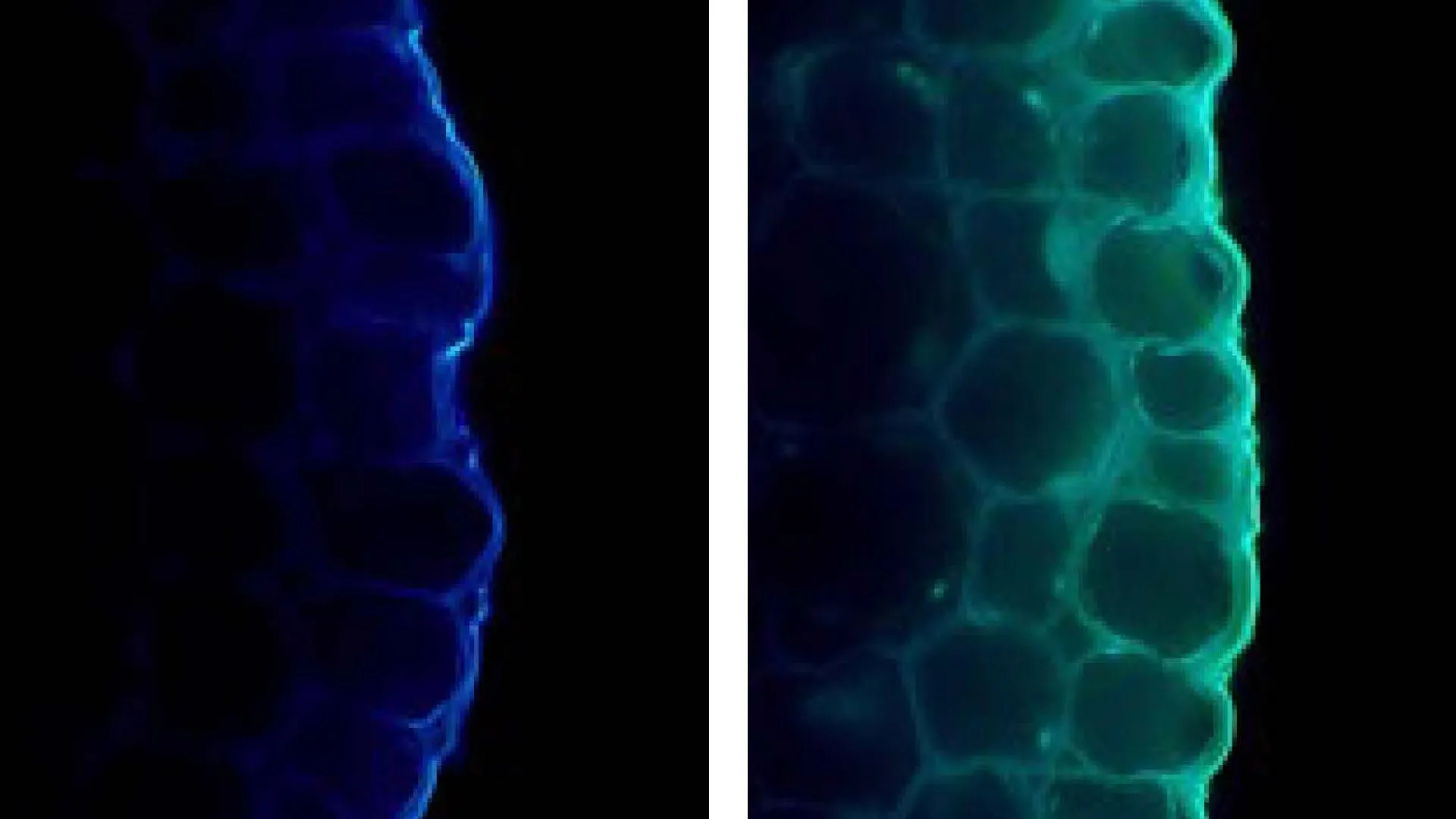
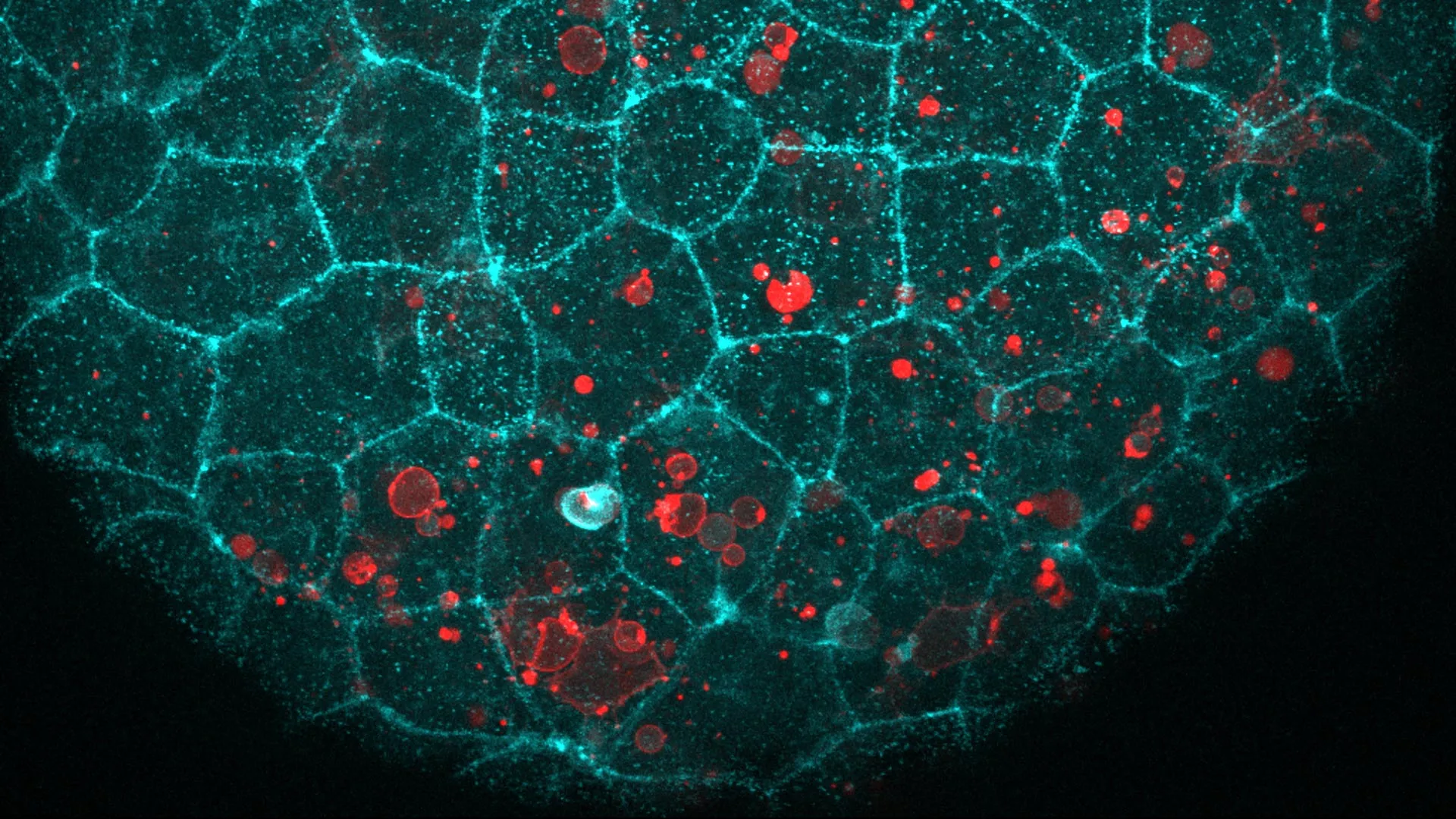
To unravel the molecular underpinnings of this observed difference in adhesion, the research team embarked on a detailed examination of the plant cells. Utilizing advanced fluorescence microscopy, they meticulously analyzed the cellular composition of stems exposed to light. Their observations revealed that these light-exposed stems emitted distinct fluorescent signals, which were directly correlated with elevated levels of a specific compound: p-coumaric acid.
P-coumaric acid, a well-documented phenolic acid, is known within the scientific community for its crucial role in reinforcing plant cell walls. Its presence and increased concentration in light-exposed tissues strongly suggest that light acts as a trigger, stimulating the plant’s biochemical machinery to produce more of this structural compound. The accumulation of p-coumaric acid, in turn, appears to strengthen the molecular bonds that hold the epidermal and inner tissues together, creating a more robust and cohesive structure.
Yuma Shimizu, a graduate student and the first author of the study, elaborated on the significance of this molecular identification: "This provided strong evidence that the accumulation of p-coumaric acid was a key factor in strengthening the adhesion between the epidermal and the inner tissues." This statement emphasizes the conclusive nature of their findings, directly linking the presence of a specific biochemical agent to the observed physical phenomenon. The study thus moves beyond mere correlation to establish a causal relationship, identifying p-coumaric acid as the primary mediator of light-induced tissue adhesion.
The Double-Edged Sword: Growth Regulation Through Adhesion
The researchers’ findings reveal a fascinating and often overlooked trade-off inherent in this light-induced strengthening of plant structure. While enhanced adhesion contributes to greater structural stability and resilience against external forces, it simultaneously introduces a constraint on the plant’s capacity for growth. When the epidermal and inner tissues are more tightly bound, the expansive potential of the inner tissues is significantly curtailed. This reduced capacity for expansion directly limits the overall elongation and growth of the stem.
This discovery reframes our understanding of how light influences plant development. It demonstrates that light’s role is not solely that of a promoter of growth through photosynthesis, but also a potent regulator that can, under certain conditions, act to slow or modulate growth by enhancing structural rigidity. This nuanced understanding is critical for comprehending the complex strategies plants employ to adapt to diverse environmental conditions. The delicate balance between structural integrity and growth potential is a key aspect of plant survival and propagation.
Chronology of Discovery: A Step-by-Step Unraveling
The journey leading to this significant discovery can be traced through several key stages:
- Initial Observation (Hypothetical Timeline): Years prior to the publication, Professor Soga’s lab may have initiated broader studies into light’s influence on plant morphology, potentially observing subtle differences in the structural integrity of plants grown under varying light conditions. This might have sparked the initial hypothesis that light has a direct physical impact beyond photosynthesis.
- Focused Investigation (Specific Period): The focused research on young pea stems, employing specialized adhesion measurement techniques, likely commenced approximately two to three years before the publication of the findings. This phase involved meticulous experimental design and execution.
- Data Collection and Analysis (Months): During this period, the research team would have conducted numerous experiments, cultivating pea plants under controlled light and dark conditions. The precise measurement of epidermal-inner tissue adhesion would have generated substantial data, requiring rigorous statistical analysis to identify significant trends.
- Microscopic Examination and Molecular Identification (Months): Once the difference in adhesion was confirmed, the focus would have shifted to understanding the underlying cause. Fluorescence microscopy and subsequent biochemical analyses to identify p-coumaric acid would have been conducted over several months.
- Interpretation and Synthesis (Weeks): The research team would have then spent considerable time interpreting the collected data, synthesizing the findings from both physical measurements and molecular analyses, and formulating the hypothesis linking p-coumaric acid to light-induced adhesion and subsequent growth regulation.
- Manuscript Preparation and Peer Review (Months): The findings would have been meticulously documented in a scientific manuscript, which then underwent a rigorous peer-review process by other experts in the field before being accepted for publication in Physiologia Plantarum. The publication date marks the official dissemination of these findings to the wider scientific community.
This chronological perspective highlights the iterative and systematic nature of scientific research, where initial observations lead to focused investigations, followed by detailed analysis and the eventual elucidation of complex biological mechanisms.
Supporting Data and Contextual Background
While the article does not provide specific numerical data on adhesion strength (e.g., in Pascals or Newtons), the qualitative description of "much stronger adhesion" and "more tightly bound together" in light-grown plants, compared to those in darkness, signifies a statistically significant and biologically relevant difference. The identification of p-coumaric acid, a known cell wall component, provides crucial supporting biochemical data. Phenolic acids, in general, are vital for plant structural integrity, contributing to cell wall rigidity through cross-linking and lignification. For instance, studies on other plant species have demonstrated that increased phenolic acid content can lead to enhanced resistance to mechanical stress and pathogens.
The broader context of plant photomorphogenesis – the study of how light influences plant development – has historically focused on photoreceptors like phytochromes and cryptochromes, which mediate responses to light quality and quantity, leading to changes in gene expression and hormone signaling. This new research adds a novel dimension by revealing a direct physical consequence of light exposure mediated by a specific metabolic pathway, influencing mechanical properties at the tissue level.
Official Responses and Expert Perspectives (Inferred)
While direct quotes from external parties are not provided in the original text, it is reasonable to infer the likely reactions from the broader scientific community and relevant stakeholders:
- Plant Physiologists: This discovery would likely be met with significant interest and further investigation. Experts in plant photomorphogenesis and cell wall biology would be keen to explore the universality of this mechanism across different plant species and under various environmental stresses. They might also seek to identify the specific photoreceptors involved in triggering the p-coumaric acid pathway in response to light.
- Agricultural Scientists and Breeders: For those involved in crop improvement, this finding presents exciting possibilities. The ability to modulate plant growth and resilience through controlled manipulation of adhesion could lead to the development of crops with enhanced tolerance to environmental stresses such as drought, wind, or lodging (the bending or falling over of crops).
- Biotechnologists: The identification of a specific molecular pathway offers potential targets for genetic engineering or the development of novel bio-stimulants that could influence p-coumaric acid production, thereby optimizing plant growth and stress tolerance.
Broader Impact and Future Implications
The implications of this research extend far beyond the academic realm, holding substantial promise for practical applications in agriculture and beyond.
Implications for Agriculture and Crop Resilience
The most immediate and impactful implication lies in the realm of agriculture. By understanding and potentially controlling the adhesion mechanism mediated by p-coumaric acid, scientists and farmers could unlock new strategies for enhancing crop performance.
- Improved Stress Tolerance: Plants with stronger adhesion might exhibit greater resilience to mechanical stresses like strong winds, which can cause significant crop damage and yield loss. This could be particularly valuable for crops grown in exposed environments. Furthermore, enhanced structural integrity might also confer increased resistance to certain types of pest and disease damage that compromise plant tissues.
- Optimized Growth and Yield: The observed trade-off between adhesion and growth suggests a delicate balance that can be manipulated. For crops where rapid growth is paramount, understanding how to downregulate this adhesion mechanism could be beneficial. Conversely, for crops requiring structural robustness, enhancing adhesion might be advantageous. This could lead to the development of plant varieties tailored for specific environmental conditions and agricultural practices.
- Precision Agriculture: Future advancements in precision agriculture could involve using sensors to monitor light exposure and potentially other environmental factors that influence p-coumaric acid levels. This data could then inform targeted interventions, such as the application of specific compounds or adjustments in light management, to optimize plant growth and development.
Understanding Plant Adaptation and Evolution
On a more fundamental level, this discovery contributes to our understanding of the diverse ways plants have evolved to adapt to their environments. The ability to dynamically alter structural properties in response to light availability is a sophisticated survival strategy. It suggests that plants are not merely passive recipients of environmental cues but actively engage in complex morphological and biochemical adjustments.
Professor Soga’s concluding remarks highlight this broader scientific ambition: "By measuring the adhesion between the epidermal and the inner tissues as stem growth changes in response to various factors, we expect to determine whether growth regulation mediated by changes in adhesion is a universal mechanism." This pursuit of universality aims to establish whether this light-driven adhesion mechanism is a common feature of the plant kingdom, or if it is specific to certain species or environmental contexts. If found to be universal, it would represent a paradigm shift in our understanding of plant growth regulation.
Potential for Biomimicry and Materials Science
While speculative, the principles learned from this research could even inspire advancements in materials science. The ability of biological systems to dynamically adjust their structural properties in response to external stimuli is a concept that biomimicry seeks to replicate. Understanding how plants achieve this robust yet adaptable structure could inform the design of novel smart materials with tunable mechanical properties.
Conclusion: A New Light on Plant Development
The research conducted at Osaka Metropolitan University has undeniably illuminated a novel and significant aspect of plant biology. By identifying the role of p-coumaric acid in mediating the light-induced adhesion between plant tissues, scientists have unveiled a previously unknown mechanism that governs growth regulation. This discovery moves beyond the well-established photosynthetic role of light, demonstrating its capacity to actively shape plant structure and, consequently, influence developmental pace. The potential applications for agriculture, particularly in enhancing crop resilience and optimizing growth, are substantial. As research continues to explore the universality and intricate details of this mechanism, the findings promise to deepen our appreciation for the remarkable adaptability and complexity of the plant kingdom. The publication in Physiologia Plantarum marks a crucial step in disseminating this knowledge, inviting further exploration and innovation that could redefine plant cultivation and our interaction with the botanical world.














Leave a Reply