

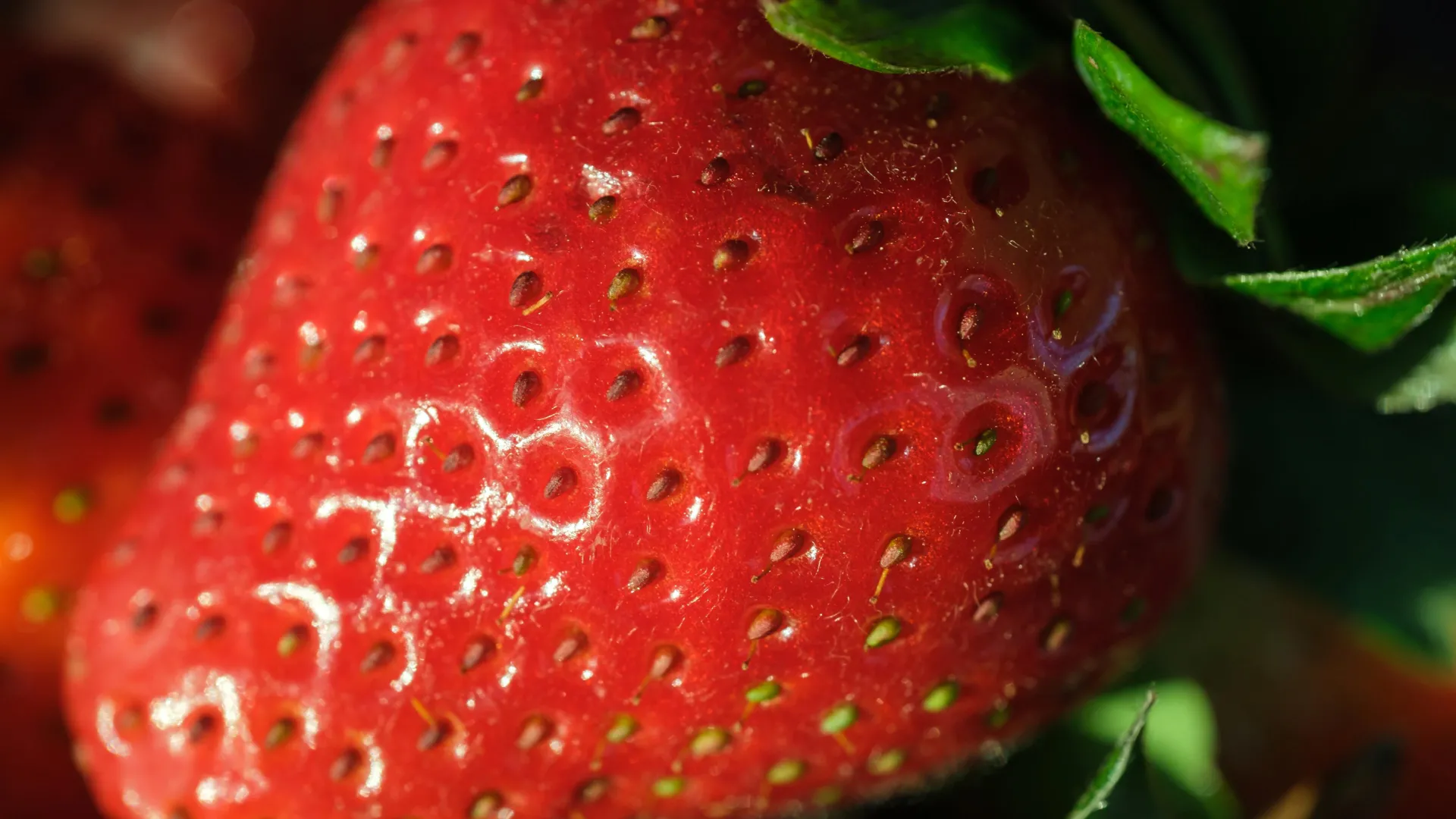
Improving the quality of fruit, encompassing richer color, more appealing aromas, and enhanced nutritional profiles, while simultaneously preserving robust plant growth and yield, has long represented a significant challenge in modern agriculture. Traditional approaches often face a trade-off: boosting desirable compounds can inadvertently lead to stunted growth, smaller fruit size, or altered plant architecture. However, groundbreaking new research suggests that achieving this delicate balance may be more attainable than previously understood. Scientists have identified a conserved "housekeeping" gene, typically associated with fundamental cellular maintenance, whose increased activity can profoundly enhance both the nutritional value and sensory appeal of fruit without compromising normal plant development.
This pioneering study, published in the esteemed journal Horticulture Research, meticulously details how researchers successfully amplified the expression of a specific gene linked to tRNA (transfer RNA) modification. This intervention led to a notable surge in the levels of anthocyanins and terpenoids within woodland strawberries (Fragaria vesca). These phytochemicals are directly responsible for a fruit’s vibrant color, enticing aroma, and potent antioxidant properties. Crucially, these significant improvements in fruit quality were achieved without any measurable adverse effects on plant development, fruit size, or sugar content. The findings challenge long-held assumptions about the limited roles of genes dedicated to basic cellular functions, revealing their unexpected capacity to influence key metabolic traits critical to fruit desirability.
The Complex Interplay of Plant Hormones and Fruit Quality
For decades, agricultural scientists have strived to enhance the beneficial compounds found in fruits, such as anthocyanins and terpenoids, which are vital for their visual appeal, flavor, aroma, and overall health benefits. However, these efforts have frequently been complicated by unintended consequences. This difficulty stems from the intricate regulatory network that governs secondary metabolite production in plants. Many of these pathways are intimately connected with plant hormones, which act as master regulators of growth and development.
Cytokinins, a class of plant hormones, are a prime example of this interconnectedness. They play a dual role, governing fundamental aspects of plant growth, such as cell division and differentiation, while also influencing secondary metabolism—the production of compounds like pigments and flavorants. Consequently, attempting to manipulate cytokinin levels to boost fruit quality can often lead to undesirable alterations in plant structure, reduced vigor, or delayed flowering. This hormonal tightrope walk has made targeted improvements to fruit characteristics a complex and often frustrating endeavor.
Unveiling the Potential of tRNA-Related Genes
Within the vast genetic landscape of plants, a lesser-known family of genes, the tRNA-type isopentenyl transferases (IPTs), has largely flown under the radar. These genes are primarily recognized for their role in modifying transfer RNA, a critical component of protein synthesis, and are therefore typically categorized as "housekeeping" genes—essential for routine cellular operations. Their direct involvement in actively regulating complex plant traits, particularly those related to fruit quality, had not been thoroughly investigated. The question of whether these seemingly mundane genes could be harnessed to elevate fruit quality without disrupting the plant’s fundamental growth processes remained an open and intriguing avenue for scientific exploration.
A Hidden Gene with Profound Effects: The Woodland Strawberry Study
The research team, comprising scientists from Nanjing Agricultural University and the University of Connecticut, selected woodland strawberries (Fragaria vesca) as their model organism. This choice was strategic, as woodland strawberries are known for their rich flavor and aroma, offering a well-defined baseline for assessing improvements. Their focus zeroed in on a specific housekeeping gene designated FveIPT2, which is involved in the biosynthesis of a particular type of cytokinin precursor.
Through advanced genetic engineering techniques, the researchers created modified strawberry plants engineered to exhibit elevated levels of FveIPT2 expression. The results were striking. In the ripe fruit of these modified plants, there was a significant and measurable increase in the accumulation of both anthocyanins and terpenoids. This enhancement translated into more intensely colored berries and a more pronounced aroma profile. Crucially, and in stark contrast to many previous attempts at metabolic enhancement, these improvements were not accompanied by any discernible negative impact on the plants’ vegetative growth, the size of the individual fruits produced, or their overall sugar content. This outcome directly challenges the prevailing scientific dogma that housekeeping genes are merely passive participants in cellular life, highlighting their latent potential to actively shape desirable agricultural traits.
No Compromise on Growth: A Paradigm Shift in Metabolic Engineering
The FveIPT2 gene’s role in tRNA modification and its indirect link to cytokinin production provided a critical clue to its unique capabilities. Unlike other genes within the cytokinin regulatory pathway that exert broad and often disruptive influences on plant development, the enhanced activity of FveIPT2 resulted in only minor fluctuations in overall cytokinin levels within the plant. This subtle modulation was key to its success.
The genetically modified strawberry plants exhibited a remarkable degree of normalcy. They developed without any visible abnormalities, progressing through their life cycle as expected. Flowering occurred on schedule, and the plants produced fruit in quantities comparable to their wild-type counterparts. Rigorous measurements confirmed that there were no significant changes in fruit weight, shape, or the perceived sweetness of the fruit, as indicated by sugar content. This meticulous observation underscores a fundamental shift in understanding: it is possible to fine-tune the biochemical composition of fruit for enhanced quality without incurring the typical growth penalties associated with manipulating hormone-related pathways.
A Symphony of Color, Aroma, and Nutrition
Despite the apparent stability in plant growth and development, the chemical composition of the engineered strawberries underwent a substantial transformation. Levels of anthocyanins, flavonoids, and other phenolic compounds saw a marked increase, contributing to a deeper, more vibrant red hue in the fruit. Detailed chemical analysis revealed significant elevations in nine specific anthocyanins, including compounds derived from cyanidin and pelargonidin. These particular anthocyanins are well-documented for their potent antioxidant activities, offering enhanced health benefits to consumers.
In parallel, the concentration of terpenoids within the fruit also saw a considerable uplift. Nearly half of the detected terpenoids exhibited increased levels, encompassing monoterpenoids, sesquiterpenoids, and triterpenoids. These compounds are not only crucial for imparting characteristic aromas but also contribute to the overall flavor complexity of the fruit.
Elevating the Sensory Experience: An Improved Flavor Profile
The beneficial alterations extended beyond visual appeal and nutritional density to encompass the sensory experience of consuming the fruit. Aromatic compounds associated with pleasant floral notes, such as linalool, became more abundant in the modified strawberries. Simultaneously, the researchers observed a decrease in the concentration of compounds linked to harsher, more resin-like odors, suggesting a refinement of the overall aroma profile.
Further investigation through gene expression studies provided mechanistic insight into these changes. The research confirmed that key metabolic pathways responsible for the synthesis and transport of these beneficial aromatic and pigment compounds were demonstrably more active in the engineered plants. This integrated approach, combining biochemical analysis with molecular investigation, firmly established that FveIPT2 acts as a powerful modulator, selectively enhancing fruit chemistry without triggering the disruptive, hormone-driven cascades that typically impact plant growth.
Rethinking the Role of "Housekeeping" Genes in Agriculture
The implications of this research are far-reaching, prompting a fundamental re-evaluation of what constitutes a "housekeeping" gene. As the researchers themselves noted, "This study shows that genes we usually think of as ‘housekeeping’ can have surprisingly specific and valuable effects. By targeting a tRNA-type gene rather than classical hormone regulators, we were able to improve fruit color, aroma, and nutritional compounds without the growth penalties that often accompany metabolic engineering. These findings suggest that basic cellular pathways may quietly shape fruit quality, offering breeders new tools that are both effective and biologically gentle."
This perspective shift is critical for the future of crop improvement. It suggests that by looking beyond the genes traditionally associated with hormone signaling and growth regulation, scientists can uncover novel targets for enhancing crop traits. The gentle nature of this intervention, which works through fundamental cellular machinery rather than broad hormonal manipulation, offers a more sustainable and less disruptive path to agricultural innovation.
A New Horizon for Crop Enhancement
The identification of FveIPT2 as a potent enhancer of fruit quality positions it as a highly promising target for future breeding programs, not only for strawberries but potentially for a wide array of other fruit crops. The ability to boost desirable pigments and aroma compounds while simultaneously maintaining or even improving yield and plant vigor represents a significant advancement. This approach could be particularly valuable for the development of premium produce, meeting the growing consumer demand for fruits that are both aesthetically pleasing and nutritionally superior.
On a broader scientific level, this research contributes to a more nuanced understanding of gene function. It moves away from a rigid categorization of genes into solely "essential" housekeeping roles versus "regulatory" developmental roles. Instead, it highlights the sophisticated and interconnected nature of plant genomes, where genes involved in basic cellular maintenance can harbor latent capacities to influence complex secondary metabolic pathways. This discovery opens up new avenues for enhancing agricultural productivity and quality through strategies that are not only effective but also biologically harmonious, paving the way for a more sustainable and efficient future for food production. The research team anticipates further studies to explore the precise molecular mechanisms by which FveIPT2 exerts its influence and to investigate its applicability across a wider range of fruit species, potentially leading to a new era of enhanced crop varieties.


















Leave a Reply