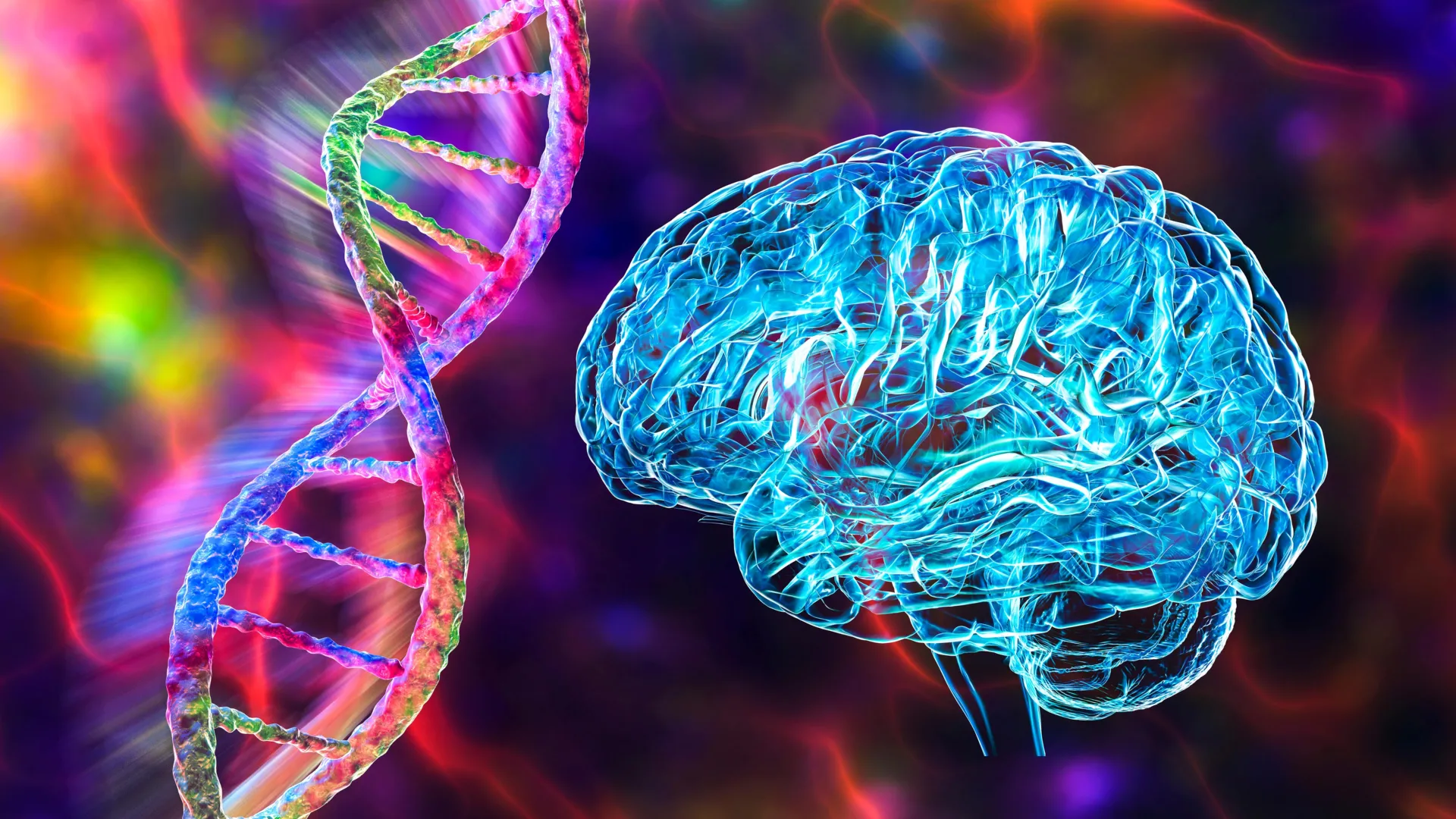
A landmark preclinical study has unveiled a novel gene therapy designed to neutralize chronic pain at its source within the brain’s neural architecture, bypassing the high-risk reward pathways that lead to opioid addiction. Published in the journal Nature, the research marks a significant departure from traditional pharmacological approaches to pain management. By utilizing advanced gene-editing techniques and artificial intelligence, scientists have developed a method to selectively "turn down" the volume of pain signals in the central nervous system (CNS), offering a potential lifeline to the more than 50 million Americans currently grappling with debilitating chronic pain conditions.
The study, led by researchers from the University of Pennsylvania’s Perelman School of Medicine and School of Nursing, in collaboration with experts from Carnegie Mellon University and Stanford University, represents a culmination of over six years of intensive investigation. The team sought to solve one of the most persistent dilemmas in modern medicine: how to provide potent analgesic relief without the devastating side effects and dependency risks associated with narcotic drugs like morphine and fentanyl.
The Mechanism of Selective Neuromodulation
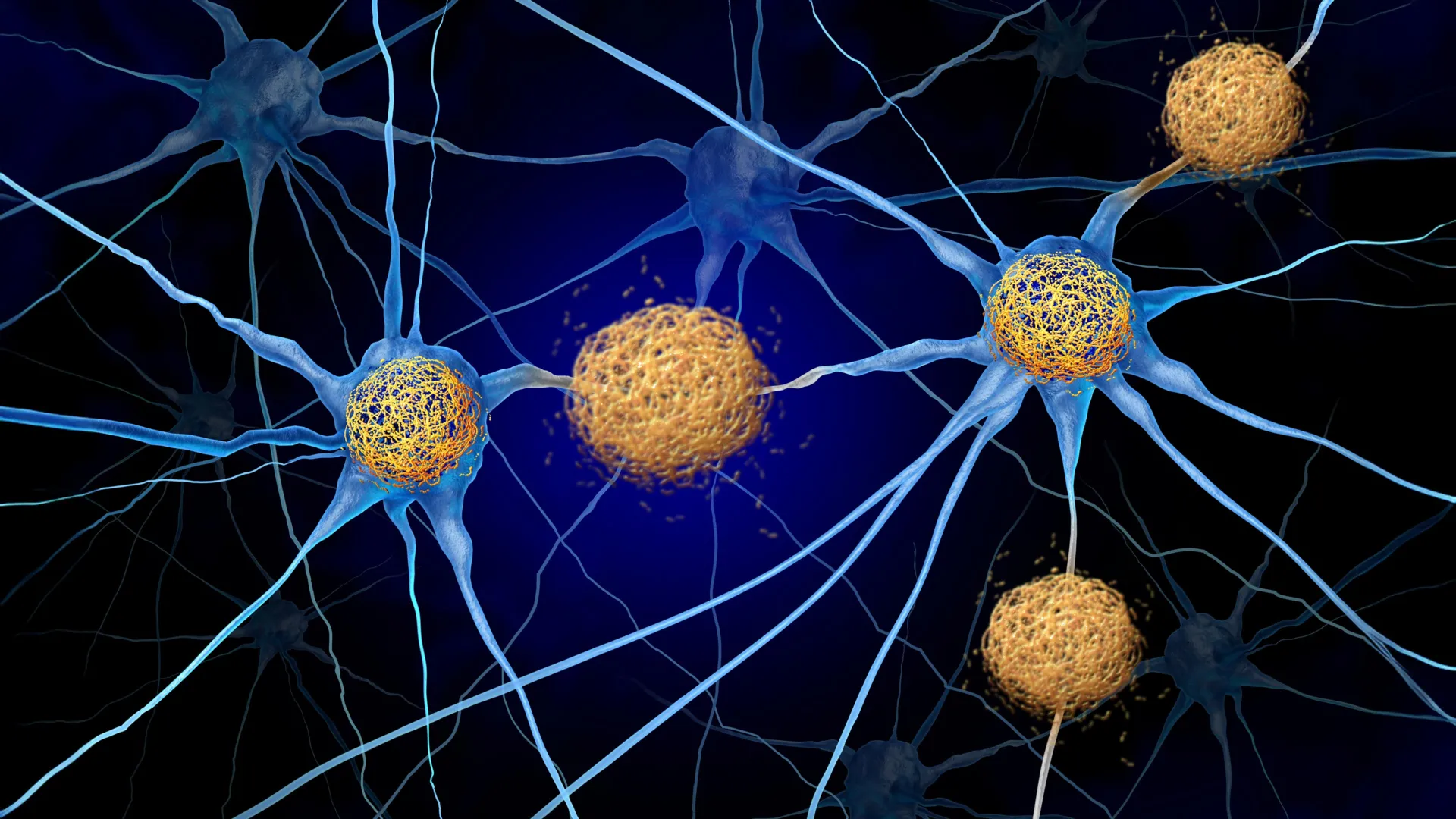
Chronic pain is frequently described by clinicians and patients alike as a "malfunctioning alarm system." In a healthy state, pain serves as a vital warning signal for injury. However, in chronic conditions, the neural circuits responsible for processing these signals remain hyperactive long after the physical injury has healed. Traditional opioids, while effective at dampening these signals, operate on a systemic level. They bind to mu-opioid receptors throughout the brain and body, affecting not only the pain-processing centers but also the regions responsible for respiratory control, gastrointestinal function, and, most critically, the reward and reinforcement circuits that drive addiction.
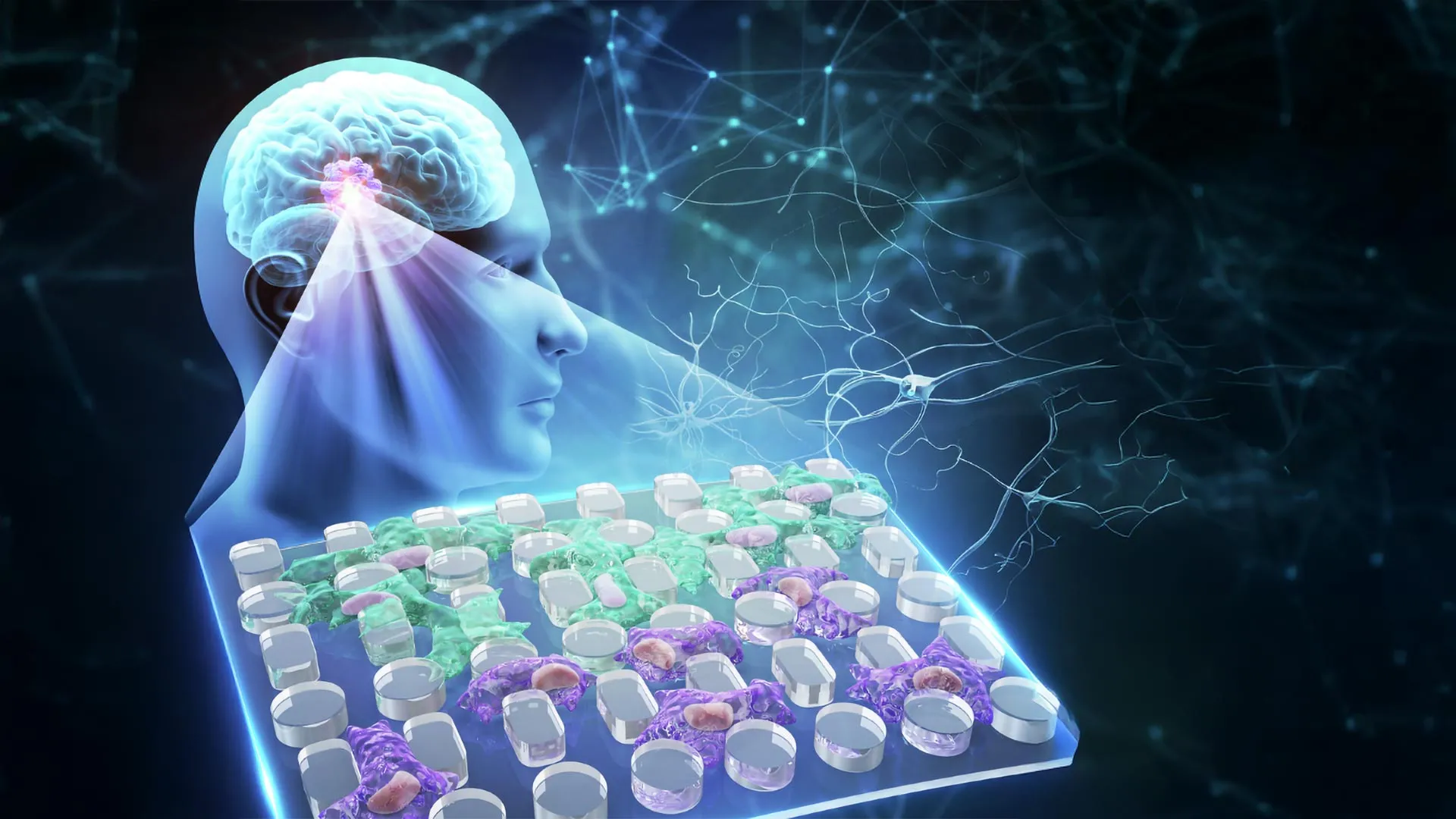
The newly developed gene therapy functions as a precision-guided tool. Rather than flooding the brain with chemicals, it introduces a specific genetic "off switch" into the neurons responsible for chronic pain perception. This approach allows for the modulation of specific brain circuits that morphine typically targets for pain relief, while leaving the dopamine-rich reward pathways—the primary drivers of opioid use disorder—entirely untouched.
Gregory Corder, PhD, an assistant professor of Psychiatry and Neuroscience at the University of Pennsylvania and co-senior author of the study, emphasized the surgical precision of this intervention. According to Corder, the goal was to decouple the analgesic benefits of opioids from their lethal and addictive properties. By targeting the precise CNS circuits involved in the "volume control" of pain, the therapy provides sustained relief without interfering with a patient’s normal sensory perceptions or emotional well-being.
The Role of Artificial Intelligence in Pain Assessment
A primary challenge in developing pain treatments is the subjective nature of the sensation. In clinical and preclinical settings, accurately measuring pain levels is notoriously difficult. To overcome this, the research team integrated an artificial intelligence-powered monitoring system into their study.
The AI system was trained to observe and analyze the natural behaviors of mice with high granularity. By tracking subtle changes in movement, posture, and social interactions, the AI could estimate the intensity of pain the subjects were experiencing in real-time. This data-driven approach allowed the researchers to determine the exact dosage of gene therapy required to achieve relief and to monitor the long-term efficacy of the treatment without relying on invasive or biased observation methods.
This AI framework served as the blueprint for the therapy’s design. It enabled the scientists to identify the specific "opioid promoters"—the genetic sequences that control when and where a gene is activated—that are most active during chronic pain states. By leveraging these promoters, the team created a therapy that only activates when pain signals are present, providing a dynamic and responsive form of treatment that traditional pills or injections cannot match.
A Six-Year Chronology of Innovation
The path to this discovery began more than half a decade ago, fueled by a National Institutes of Health (NIH) New Innovator Award. This prestigious grant is designed to support unconventional, high-impact research with the potential to transform medical practice. Over the course of six years, the interdisciplinary team moved through several critical phases:
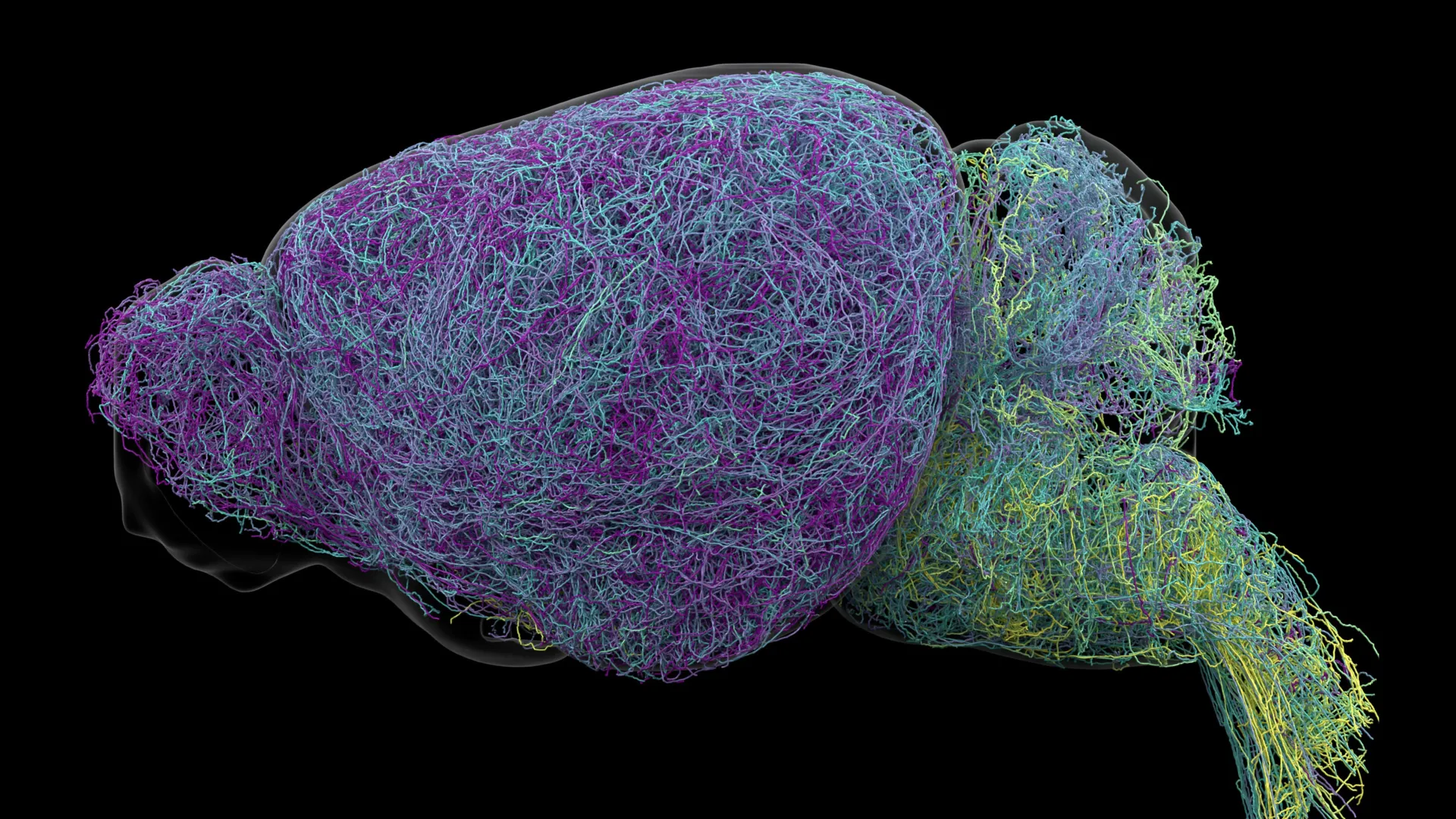
- Circuit Mapping (Years 1-2): Researchers focused on identifying the specific populations of neurons in the brain that are activated by both chronic pain and opioid administration.
- AI Development (Years 3-4): The team built and refined the machine-learning algorithms capable of quantifying pain-related behaviors, ensuring a rigorous baseline for testing.
- Gene Therapy Synthesis (Years 4-5): Scientists developed the custom genetic sequences and viral vectors necessary to deliver the "off switch" to the identified brain circuits.
- Preclinical Testing (Year 6): The final phase involved testing the therapy in mouse models of chronic pain, confirming that the treatment provided long-lasting relief without signs of tolerance or addiction-seeking behavior.
The culmination of this timeline is the current publication in Nature, which provides what Corder describes as the world’s first CNS-targeted gene therapy blueprint for non-addictive pain medicine.
Addressing the Economic and Social Toll of Chronic Pain
The urgency for a non-opioid alternative is underscored by the staggering statistics surrounding both chronic pain and the opioid epidemic. Chronic pain is often referred to as a "silent epidemic," affecting approximately 20% of the adult population in the United States. Beyond the human suffering, the economic impact is immense. Conservative estimates suggest that chronic pain costs the U.S. economy more than $635 billion annually—a figure that exceeds the combined costs of cancer, heart disease, and diabetes. These costs include direct medical expenses, lost wages, and a significant reduction in labor productivity.
Simultaneously, the reliance on opioids to manage this pain has led to a public health catastrophe. In 2019 alone, drug-related deaths reached 600,000 globally, with opioids involved in 80% of those cases. In urban centers like Philadelphia, where the University of Pennsylvania is located, the crisis is particularly acute. A 2025 Pew survey highlighted the localized impact, finding that nearly 50% of Philadelphians personally know someone struggling with opioid use disorder, and 33% have lost a friend or family member to an overdose.
The development of a gene therapy that eliminates the risk of respiratory depression and addiction could fundamentally alter these statistics. By providing a safe alternative for the millions of people who might otherwise be prescribed high-dose opioids, this therapy could prevent the initiation of opioid use in many patients and offer a safer transition for those already struggling with dependency.
Official Responses and Path to Clinical Application
The scientific community has reacted to the study with cautious optimism. Michael Platt, PhD, the James S. Riepe University Professor at Penn and a collaborator on the study, noted that while the transition from mouse models to human clinical trials is a rigorous and lengthy process, the foundational data is exceptionally strong. Platt, who has seen the impact of chronic pain within his own family, emphasized that the ability to alleviate suffering without contributing to the opioid crisis is a milestone for neuroscience.
The research team is currently in the early stages of planning for clinical trials. This will involve further safety testing and the refinement of delivery methods to ensure the gene therapy can be safely administered to human patients. The University of Pennsylvania and Stanford University have already filed a provisional patent application (number 63/383,462) for the custom genetic sequences used in the therapy, signaling a clear intent to move toward commercialization and widespread medical use.
Implications for the Future of Pain Medicine
The success of this preclinical study suggests a paradigm shift in how chronic pain is treated. If human trials mirror the results seen in the lab, the future of pain management may move away from daily pills and toward "one-and-done" or long-term genetic interventions.
Analysis of the study’s implications suggests several key benefits:
- Reduced Tolerance: Unlike morphine, which requires increasing doses over time to remain effective, the gene therapy showed a sustained effect without the development of tolerance.
- Safety Profile: By avoiding the brain’s respiratory centers, the therapy eliminates the risk of fatal overdose, the primary cause of death in the opioid crisis.
- Specificity: The therapy does not interfere with "good" pain—the acute sensations that protect us from immediate injury (like touching a hot stove)—ensuring that patients retain their natural protective instincts.
As the team moves toward the next phase of research, the focus will remain on the ethical and practical implementation of gene therapy. While the cost of such treatments is currently high, proponents argue that the long-term savings from reduced hospitalizations, overdose treatments, and restored work capacity would far outweigh the initial investment.
This research was supported by an extensive network of funding, including various branches of the National Institutes of Health, the Howard Hughes Medical Institute, and the Whitehall Foundation. As the medical community looks for a way out of the opioid epidemic, this CNS-targeted approach represents a sophisticated and hopeful bridge between advanced genetic science and compassionate patient care.