

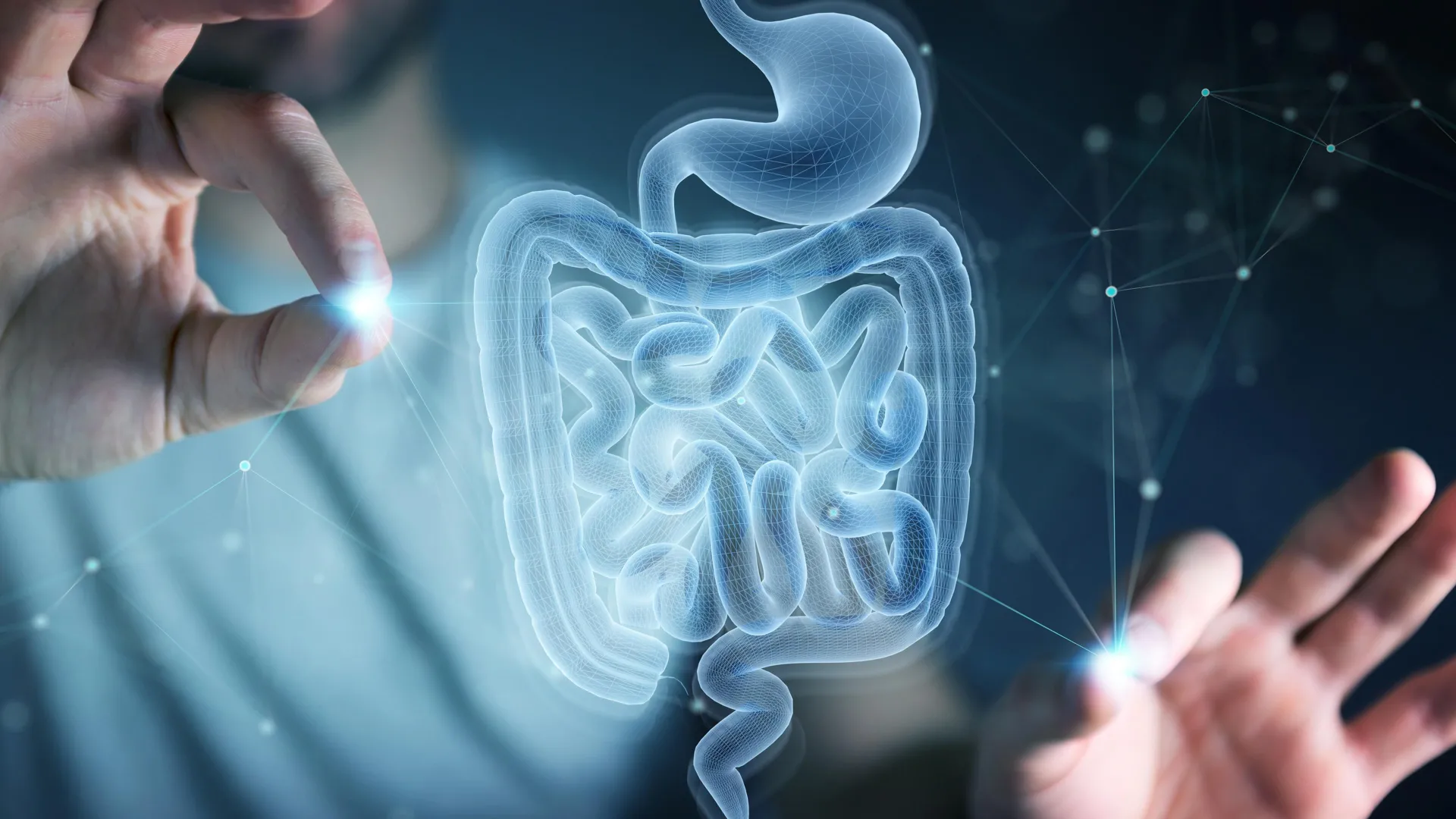
In a significant breakthrough that could redefine strategies for managing gastrointestinal damage, researchers at the Massachusetts Institute of Technology (MIT) have identified a naturally occurring amino acid, cysteine, as a key player in the intestine’s remarkable ability to heal itself. The findings, published in the prestigious journal Nature, reveal that cysteine can trigger a specific immune response that not only bolsters intestinal stem cells but also drives the regeneration of tissue in the small intestine. This discovery holds profound implications for individuals undergoing treatments known to cause significant intestinal injury, such as chemotherapy and radiation therapy.
Unlocking the Gut’s Natural Healing Power
The study, led by Omer Yilmaz, director of the MIT Stem Cell Initiative and associate professor of biology at MIT, meticulously explored the role of individual nutrients in the complex ecosystem of the gut. For years, scientists have understood that broader dietary interventions, like intermittent fasting or caloric restriction, can positively influence stem cell activity and tissue repair. However, pinpointing a single dietary component responsible for such a direct and potent regenerative effect had remained an elusive goal until now.
"The beauty here is we’re not using a synthetic molecule; we’re exploiting a natural dietary compound," stated Professor Yilmaz, who is also a member of MIT’s Koch Institute for Integrative Cancer Research. This reliance on a readily available, naturally occurring substance marks a paradigm shift, moving away from solely synthetic pharmaceutical approaches towards harnessing the body’s inherent biochemical pathways. The research team’s focus on cysteine stems from its known role in protein synthesis and its antioxidant properties, but its direct impact on intestinal stem cell regeneration was previously unknown.
The Cysteine Cascade: A Molecular Pathway to Regeneration
To unravel the specific mechanisms at play, Yilmaz and his colleagues embarked on a systematic investigation. They administered diets enriched with one of the 20 standard amino acids to laboratory mice, subsequently measuring the impact on intestinal stem cell regeneration. The results were striking: cysteine emerged as the most potent stimulator, demonstrating a profound regenerative effect on both intestinal stem cells and progenitor cells, the precursor cells destined to mature into functional adult intestinal cells.
The researchers then meticulously dissected the molecular cascade triggered by cysteine. Upon absorption by intestinal cells, cysteine is converted into a crucial molecule known as CoA (coenzyme A). This molecule is then secreted into the intestinal lining, where it is taken up by specific immune cells called CD8 T cells. This interaction is the critical trigger. Once exposed to CoA derived from cysteine, these CD8 T cells become activated. This activation leads to a significant increase in their proliferation and, more importantly, the production of Interleukin-22 (IL-22).
IL-22 is a cytokine, a type of signaling protein produced by immune cells, that is already recognized for its vital role in maintaining the integrity and health of the intestinal epithelium. However, this study provides the first definitive evidence that CD8 T cells are a significant source of IL-22 that directly supports intestinal stem cell function and drives tissue regeneration.
"What’s really exciting here is that feeding mice a cysteine-rich diet leads to the expansion of an immune cell population that we typically don’t associate with IL-22 production and the regulation of intestinal stemness," explained Professor Yilmaz. "What happens in a cysteine-rich diet is that the pool of cells that make IL-22 increases, particularly the CD8 T-cell fraction." This finding challenges existing paradigms regarding immune cell contributions to gut homeostasis and repair.
Strategic Positioning for Rapid Healing
The study further revealed a crucial spatial aspect to this immune response. The activated CD8 T cells, bolstered by cysteine intake, actively migrate and congregate within the lining of the small intestine. This strategic positioning places them in an optimal location to rapidly respond to and repair damage when it occurs. The localization primarily to the small intestine is likely due to the fact that the majority of dietary protein, and therefore cysteine, is absorbed in this region of the digestive tract.
To validate the therapeutic potential of this discovery, the researchers subjected mice on a cysteine-rich diet to intestinal damage induced by radiation therapy. The results demonstrated a marked improvement in their recovery compared to control groups. Furthermore, preliminary, unpublished experiments indicated similar regenerative benefits when the mice were treated with 5-fluorouracil, a widely used chemotherapy drug that, while effective against certain cancers like colon and pancreatic cancers, is notorious for its damaging side effects on the intestinal lining.
Dietary Sources of Cysteine and Future Directions
Cysteine is an amino acid that plays a fundamental role in numerous biological processes. It is naturally abundant in a wide array of protein-rich foods, including:
- Meats: Beef, chicken, turkey, pork
- Dairy Products: Milk, cheese, yogurt
- Legumes: Lentils, beans, chickpeas, soybeans
- Nuts and Seeds: Almonds, walnuts, sunflower seeds, pumpkin seeds
- Eggs
While the human body can synthesize cysteine from another amino acid, methionine, through metabolic processes primarily occurring in the liver, dietary cysteine appears to exert a more pronounced effect on the intestine. This is because dietary cysteine reaches the gut directly and in higher concentrations before being distributed throughout the systemic circulation. As the study’s lead author, Dr. Chi, noted, "With our high-cysteine diet, the gut is the first place that sees a high amount of cysteine." This direct exposure likely amplifies its regenerative capacity within the intestinal epithelium.
Although cysteine has long been recognized for its antioxidant properties, this groundbreaking study is the first to establish its direct role in stimulating intestinal stem cell regeneration through an immune-mediated pathway. This opens up new avenues for research and therapeutic development.
The MIT team is not resting on their laurels. Their ongoing research is exploring the broader implications of cysteine’s regenerative potential. One promising area of investigation is whether cysteine can similarly stimulate repair and regrowth in other tissues, with current projects examining its effects on hair follicle regeneration. Additionally, the researchers are continuing to analyze the effects of other amino acids that exhibited preliminary signs of influencing stem cell behavior, suggesting that a complex interplay of various nutrients might be at the heart of optimal tissue repair.
"I think we’re going to uncover multiple new mechanisms for how these amino acids regulate cell fate decisions and gut health in the small intestine and colon," Professor Yilmaz concluded, underscoring the vast potential for further discoveries in nutritional immunology and regenerative medicine.
Broader Implications for Cancer Patients and Beyond
The implications of this research are particularly significant for cancer patients undergoing chemotherapy and radiation therapy. These treatments, while life-saving, often cause severe mucositis, a painful inflammation and ulceration of the mucous membranes lining the digestive tract. This can lead to debilitating symptoms such as nausea, vomiting, diarrhea, malnutrition, and increased susceptibility to infection, frequently necessitating treatment interruption or dose reduction, which can compromise therapeutic efficacy.
The prospect of mitigating or even preventing these treatment-related injuries through dietary adjustments or targeted cysteine supplementation offers a beacon of hope. Patients could potentially experience fewer side effects, maintain better nutritional status, and tolerate their cancer treatments more effectively, leading to improved outcomes and quality of life.
Beyond cancer treatment, the findings could also have relevance for managing other conditions that involve intestinal damage, such as inflammatory bowel diseases (IBD), including Crohn’s disease and ulcerative colitis, as well as injuries caused by infections or certain medications. The ability to bolster the intestine’s intrinsic repair mechanisms through a simple dietary component presents a powerful, non-invasive therapeutic strategy.
A Timeline of Discovery
The journey from initial hypothesis to published findings involved several key stages:
- Early Hypotheses: Building on existing knowledge of nutrient-stem cell interactions and cysteine’s known biological roles.
- Experimental Design (circa 2021-2022): Designing controlled experiments to test the impact of individual amino acids on intestinal stem cells in mice.
- Amino Acid Screening: Administering diets enriched with each of the 20 amino acids and meticulously measuring regenerative effects.
- Identification of Cysteine: Recognizing cysteine’s superior performance in stimulating stem cell proliferation and tissue repair.
- Mechanism Elucidation (circa 2022-2023): Investigating the molecular pathways, leading to the discovery of the CoA-CD8 T cell-IL-22 cascade.
- Validation Studies: Testing the efficacy of cysteine-rich diets in models of radiation and chemotherapy-induced intestinal damage.
- Publication (Nature, October 2023): Disseminating the comprehensive findings to the scientific community.
- Ongoing Research: Exploring applications in other tissues and the roles of other nutrients.
Official and Scientific Reactions
While direct statements from external parties are not yet widely published, the publication of this research in Nature signifies a significant validation within the scientific community. Experts in stem cell biology, immunology, and gastroenterology are likely to view these findings with considerable interest, recognizing their potential to advance the understanding and treatment of gastrointestinal disorders. The MIT Stem Cell Initiative and the Koch Institute, known for their cutting-edge cancer research, have provided significant institutional support, highlighting the project’s strategic importance. Funding from the National Institutes of Health and other research foundations underscores the broad recognition of the potential impact of this work.
The Road Ahead: From Lab to Clinic
The transition from laboratory discovery to clinical application is a rigorous and often lengthy process. While the results in mice are highly encouraging, human trials will be necessary to confirm cysteine’s safety and efficacy in treating treatment-related intestinal damage in cancer patients. Researchers will need to determine optimal dosages, delivery methods (dietary modification versus supplementation), and potential interactions with other treatments.
However, the fundamental discovery that a common dietary nutrient can directly activate a potent immune-mediated repair pathway in the intestine represents a monumental step forward. It offers a compelling vision for a future where personalized nutrition plays an integral role in supportive cancer care and the management of a wide range of gastrointestinal ailments, empowering the body’s own remarkable healing capabilities.
This research was supported in part by grants from the National Institutes of Health, the V Foundation, the Kathy and Curt Marble Cancer Research Award, the Koch Institute-Dana-Farber/Harvard Cancer Center Bridge Project, the American Federation for Aging Research, the MIT Stem Cell Initiative, and the Koch Institute Support (core) Grant from the National Cancer Institute.











Leave a Reply