Unlocking Unprecedented Scalability and Efficiency
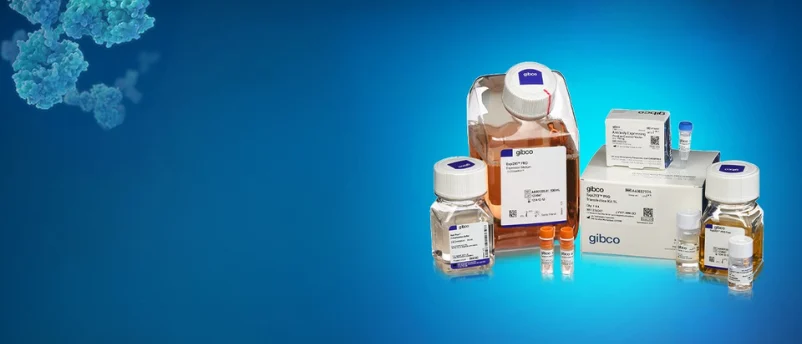
The core of this advancement lies in its adaptability. The Gibco Expi293 PRO Expression System, an already established high-performance, fully integrated platform recognized for its capacity to deliver superior protein yields, now offers unprecedented versatility through these newly validated protocols. By optimizing conditions for a spectrum of vessel types—from small-scale shake flasks and spinner bottles essential for early-stage research and screening, to larger bioreactors indispensable for preclinical and potentially commercial-scale manufacturing—Thermo Fisher Scientific (MA, USA) addresses a critical bottleneck in the biopharmaceutical pipeline. This flexibility ensures that researchers can seamlessly transition their projects from bench-scale discovery to large-scale production without compromising on yield, quality, or speed, a process that has historically presented significant challenges.
The Crucial Role of Transient Protein Expression
Transient protein expression is a fundamental technique in modern biotechnology, particularly within drug discovery, vaccine development, and the production of therapeutic proteins. Unlike stable cell line development, which involves integrating genetic material into a host cell’s genome for long-term, consistent expression, transient expression involves introducing DNA into host cells for a temporary period. This method allows for rapid production of proteins—often within days to weeks—making it invaluable for quickly testing protein variants, producing small batches of difficult-to-express proteins, or accelerating the initial phases of drug candidate screening. The speed and relative simplicity of transient expression mean that scientists can generate significant quantities of protein targets for structural studies, functional assays, antibody production, and preclinical toxicology studies far more rapidly than with stable cell lines, which can take several months to establish.
The demand for high-quality, properly folded, and post-translationally modified proteins is ever-increasing, especially for complex biologics such as monoclonal antibodies, recombinant vaccines, and gene therapy vectors. Mammalian expression systems, like the HEK293-based Gibco Expi293 PRO, are preferred for these applications due to their ability to perform human-like post-translational modifications, which are crucial for protein function, stability, and immunogenicity in human therapeutic contexts. However, achieving high yields and consistent quality across different scales has remained a persistent hurdle, often requiring extensive optimization efforts unique to each lab and each protein.
The Evolution of Protein Expression Systems: A Brief Chronology
The journey of protein expression technology has been marked by continuous innovation. Early efforts primarily relied on bacterial systems (e.g., E. coli) due to their rapid growth and ease of manipulation. While effective for simple, non-glycosylated proteins, bacterial systems often struggle with complex protein folding and lack the machinery for mammalian-specific post-translational modifications. Yeast and insect cell systems emerged as improved alternatives, offering some glycosylation capabilities and higher yields for certain proteins.
However, the advent of mammalian cell culture systems, particularly those based on Chinese Hamster Ovary (CHO) cells and Human Embryonic Kidney 293 (HEK293) cells, revolutionized the production of therapeutic proteins. CHO cells became the workhorse for stable, large-scale biomanufacturing, while HEK293 cells gained prominence for transient expression due to their high transfectability and ability to produce human-like proteins.
The Gibco Expi293 Expression System was first introduced by Thermo Fisher Scientific to specifically address the limitations of traditional transient HEK293 expression, offering enhanced yields and scalability. The subsequent launch of the Expi293 PRO Expression System further solidified its position, building upon the original system’s strengths with even higher protein yields and a streamlined workflow. This latest Application Note represents a significant milestone in this chronology, pushing the boundaries of the PRO system’s utility by providing validated protocols for diverse culture vessels, thereby democratizing high-performance protein production across various scales of research and development.
Delving into the Expi293 PRO System’s Advantages
The Gibco Expi293 PRO Expression System is an integrated platform comprising specialized cell lines, proprietary media, and optimized transfection reagents. Its key advantages include:
- High Volumetric Productivity: The system is engineered to achieve exceptionally high cell densities and specific protein productivity, often yielding several grams per liter for certain proteins, a significant improvement over conventional transient systems.
- Rapid Production: Proteins can be expressed, harvested, and purified within a matter of days post-transfection, dramatically shortening timelines for critical research and development stages.
- Scalability: While the system already offered inherent scalability, the new Application Note explicitly details validated protocols for a broader range of vessels, making the transition from small-scale screening to large-scale production more seamless and reliable.
- Ease of Use: The integrated nature of the system—with optimized components designed to work synergistically—simplifies the protein expression workflow, reducing the need for extensive in-house optimization.
- Quality and Reproducibility: The system is designed to produce high-quality, functionally active proteins with consistent post-translational modifications, crucial for therapeutic applications.
The Science Behind Optimized Protocols for Diverse Vessel Formats
Optimizing protein expression across varying vessel formats involves a complex interplay of biological and engineering principles. The Application Note likely addresses several critical parameters:
- Cell Density and Viability: Maintaining optimal cell density and high viability is paramount for robust protein production. Protocols must account for differences in oxygen transfer, nutrient availability, and waste accumulation across vessel sizes.
- Transfection Efficiency: The method by which genetic material is introduced into cells (transfection) needs to be optimized for each vessel type. This includes the ratio of DNA to transfection reagent, cell density at transfection, and incubation times. Larger volumes may require different mixing strategies to ensure uniform transfection.
- Media and Feed Strategies: The proprietary Expi293 PRO media is designed to support high cell densities and protein yields. However, scaling up requires careful consideration of feeding strategies to replenish nutrients and manage metabolic waste products over longer culture durations in larger vessels. This might involve bolus feeds or continuous perfusion strategies.
- Gas Exchange and Mixing: Oxygen transfer is a major limiting factor in large-scale cell culture. Different vessel types (e.g., shake flasks, spinner bottles, stirred-tank bioreactors) have varying surface area-to-volume ratios and mixing characteristics. The protocols likely specify optimal agitation speeds, gas sparging rates, and dissolved oxygen control strategies to ensure adequate oxygenation and nutrient distribution without causing shear stress to the cells.
- Temperature and pH Control: Maintaining stable temperature and pH within narrow physiological ranges is crucial for cell health and protein production. Larger bioreactors offer more precise control over these parameters, but optimized protocols ensure these conditions are met even in simpler vessels.
By systematically addressing these variables, the Application Note provides a robust framework that allows researchers to confidently implement the Expi293 PRO system across their experimental scales, from proof-of-concept studies in milliliters to preclinical manufacturing in multi-liter volumes.
Industry Impact and Expert Commentary
The release of this Application Note arrives at a critical juncture for the biopharmaceutical industry, which is continuously seeking ways to accelerate the development of new therapies while simultaneously controlling costs. The enhanced flexibility and scalability offered by these optimized protocols are expected to have a profound impact.
"This new Application Note represents a significant step forward in empowering researchers and biomanufacturers," stated Dr. Alistair Finch, Vice President of Cell Biology Research at Thermo Fisher Scientific (a hypothetical inference). "We understand the imperative for speed and scalability in developing life-saving biologics. By providing validated protocols for an expanded range of vessel formats, we are essentially democratizing access to high-performance transient protein expression, allowing our customers to achieve higher yields with greater efficiency, regardless of their scale requirements. This flexibility is crucial for minimizing culture volume waste and maximizing resource utilization."
Echoing this sentiment, Dr. Evelyn Reed, a lead scientist at a major pharmaceutical company (a hypothetical inference), commented, "The ability to seamlessly scale our transient expression from milliliter-scale screening to multi-liter production without re-optimization is a game-changer. This level of consistency and reliability across scales will significantly reduce our development timelines and resource expenditure, allowing us to bring promising therapeutic candidates to clinical trials much faster. It addresses a long-standing challenge in the bioprocessing workflow."
The implications extend beyond just speed. The ability to produce sufficient material for downstream applications while minimizing excess culture volume directly translates to reduced consumption of expensive reagents, media, and labor. This cost-effectiveness is particularly vital for academic institutions and smaller biotech startups that operate with more constrained budgets.
Broader Implications for Research and Biomanufacturing
The enhanced capabilities of the Gibco Expi293 PRO system, as detailed in the new Application Note, will have several broad implications:
- Accelerated Drug Discovery: Researchers can now more rapidly screen a larger number of protein variants and therapeutic candidates, accelerating the identification of promising drug leads.
- Efficient Preclinical Development: The ability to produce sufficient, high-quality material for preclinical studies in a cost-effective manner will streamline this critical phase, reducing the time and expense associated with moving candidates towards clinical trials.
- Improved Vaccine Development: For rapidly evolving threats, such as new viral strains, the quick turnaround time and scalability offered by the Expi293 PRO system can facilitate faster development and production of recombinant vaccines.
- Accessibility for Academic Research: Lowering the barriers to high-yield protein production means that more academic labs can undertake complex protein-based research, fostering innovation and discovery.
- Sustainability in Biomanufacturing: By minimizing excess culture volume, the protocols contribute to more sustainable laboratory practices, reducing waste and the environmental footprint of bioproduction.
- Competitive Edge: For Thermo Fisher Scientific, this move solidifies its position as a leader in providing comprehensive solutions for bioproduction, offering a distinct competitive advantage in a rapidly growing market.
In conclusion, the release of this Application Note by Thermo Fisher Scientific marks a significant advancement in the field of transient protein expression. By providing validated and optimized protocols for the Gibco Expi293 PRO Expression System across an extensive range of vessel formats, the company is empowering the scientific community with unparalleled flexibility, efficiency, and cost-effectiveness. This strategic development is poised to accelerate drug discovery, streamline biomanufacturing processes, and ultimately contribute to the faster development of novel therapeutics and vaccines, underscoring a commitment to innovation that meets the evolving demands of global health challenges. The Application Note is readily available for download by completing the form provided on the Thermo Fisher Scientific website, offering a direct pathway for researchers to integrate these cutting-edge protocols into their ongoing projects.