A groundbreaking study published in JACC, the flagship journal of the American College of Cardiology, has revealed that Baduanjin, a traditional Chinese exercise dating back over 800 years, is as effective as brisk walking in lowering blood pressure among adults with hypertension. This large-scale, randomized clinical trial provides robust scientific evidence for the cardiovascular benefits of "mind-body" exercises, offering a low-cost, accessible alternative to conventional aerobic workouts. The findings indicate that participants who engaged in the structured movements of Baduanjin experienced significant reductions in systolic blood pressure within just three months, with these benefits sustained throughout a year-long observation period.
The study comes at a critical time for global public health, as hypertension remains the leading preventable risk factor for cardiovascular disease, stroke, and kidney failure. While lifestyle modifications such as increased physical activity are universally recommended by medical professionals, long-term adherence to traditional exercise regimens remains a significant challenge. The research team, led by Dr. Jing Li at the National Center for Cardiovascular Diseases in Beijing, sought to determine whether an ancient practice characterized by slow movements and mindfulness could serve as a scalable solution for blood pressure management in modern populations.
The Evolution of Hypertension Management and the Role of Traditional Exercise
Hypertension, often referred to as the "silent killer," affects more than one billion people worldwide. In the United States alone, nearly half of all adults have high blood pressure, and many remain uncontrolled despite the availability of pharmacological treatments. Clinical guidelines from the American College of Cardiology (ACC) and the American Heart Association (AHA) emphasize that for individuals with Stage 1 hypertension—defined as a systolic reading of 130-139 mm Hg—lifestyle interventions should be the first line of defense.
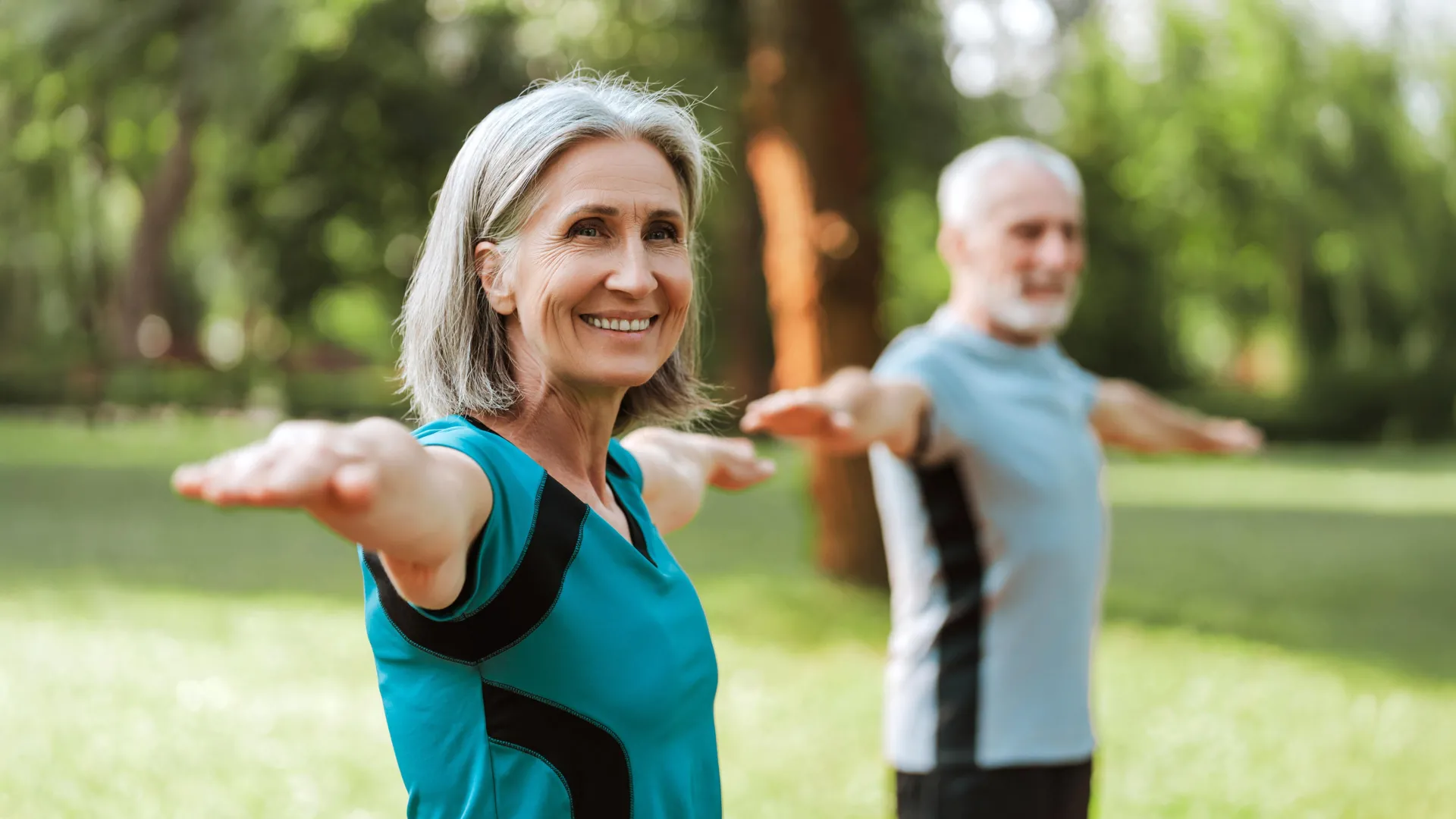
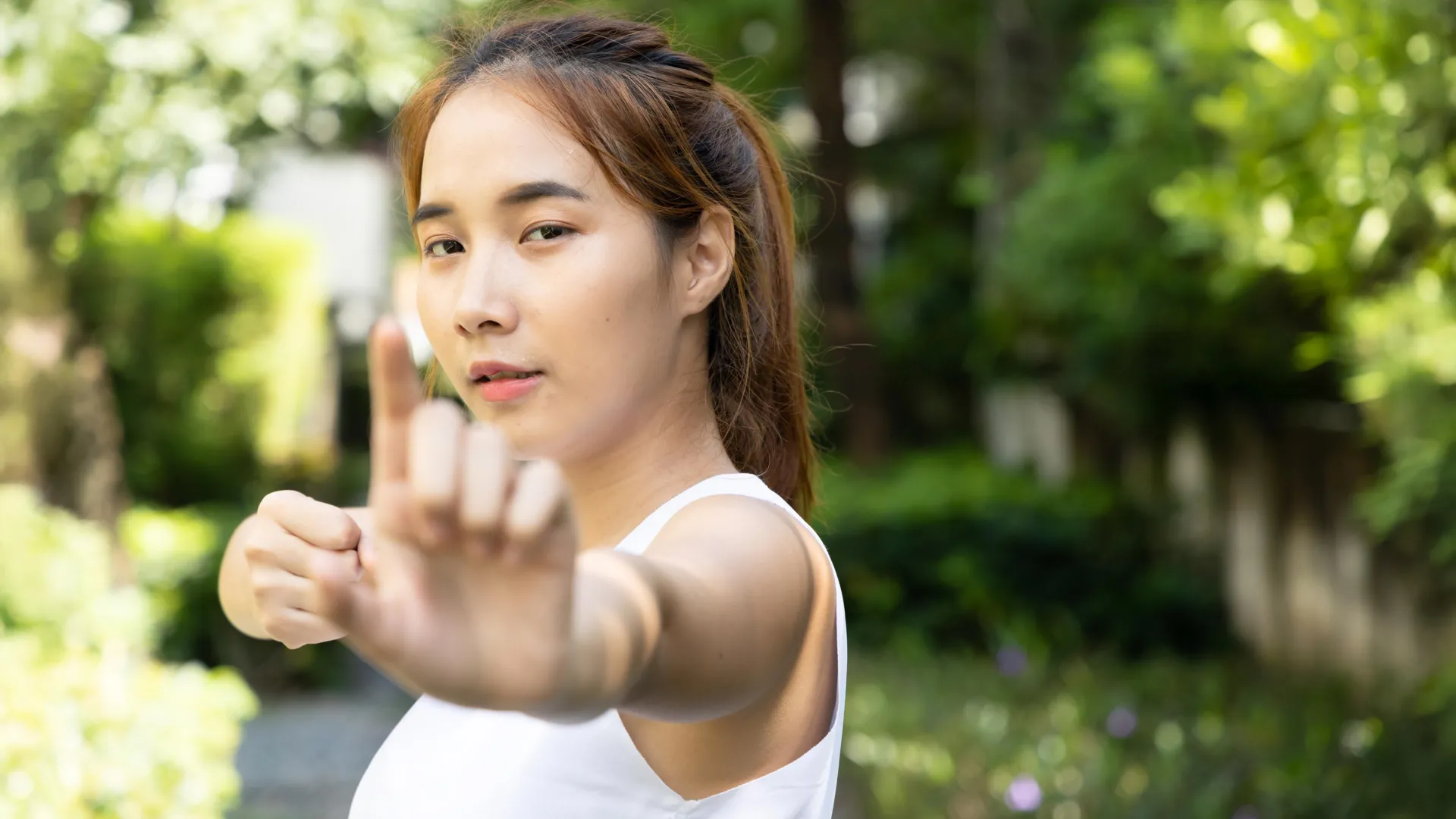
However, the barriers to maintaining a consistent exercise routine are well-documented. Factors such as the cost of gym memberships, the need for specialized equipment, inclement weather, and the physical strain of high-impact activities often lead to high dropout rates. Baduanjin, which translates to "Eight Pieces of Brocade," offers a unique alternative. It consists of eight specific movements that integrate aerobic exertion, isometric muscle contraction, flexibility training, and deep diaphragmatic breathing. Historically practiced in community settings and public parks across China, the routine requires no equipment and can be performed in a small space, making it an ideal candidate for home-based health management.
Study Design and Methodology: A Rigorous Comparative Analysis
To validate the efficacy of Baduanjin, researchers conducted a multicenter randomized clinical trial involving 216 adults across seven distinct community sites. The participants were at least 40 years of age and had been diagnosed with Stage 1 hypertension. To ensure the accuracy of the data, the researchers utilized 24-hour ambulatory systolic blood pressure (SBP) monitoring, which provides a more comprehensive view of a patient’s pressure levels throughout the day and night compared to one-time office readings.
The participants were randomly assigned to one of three groups for a 52-week intervention period:
- The Baduanjin Group: Participants practiced the eight movements five days a week.
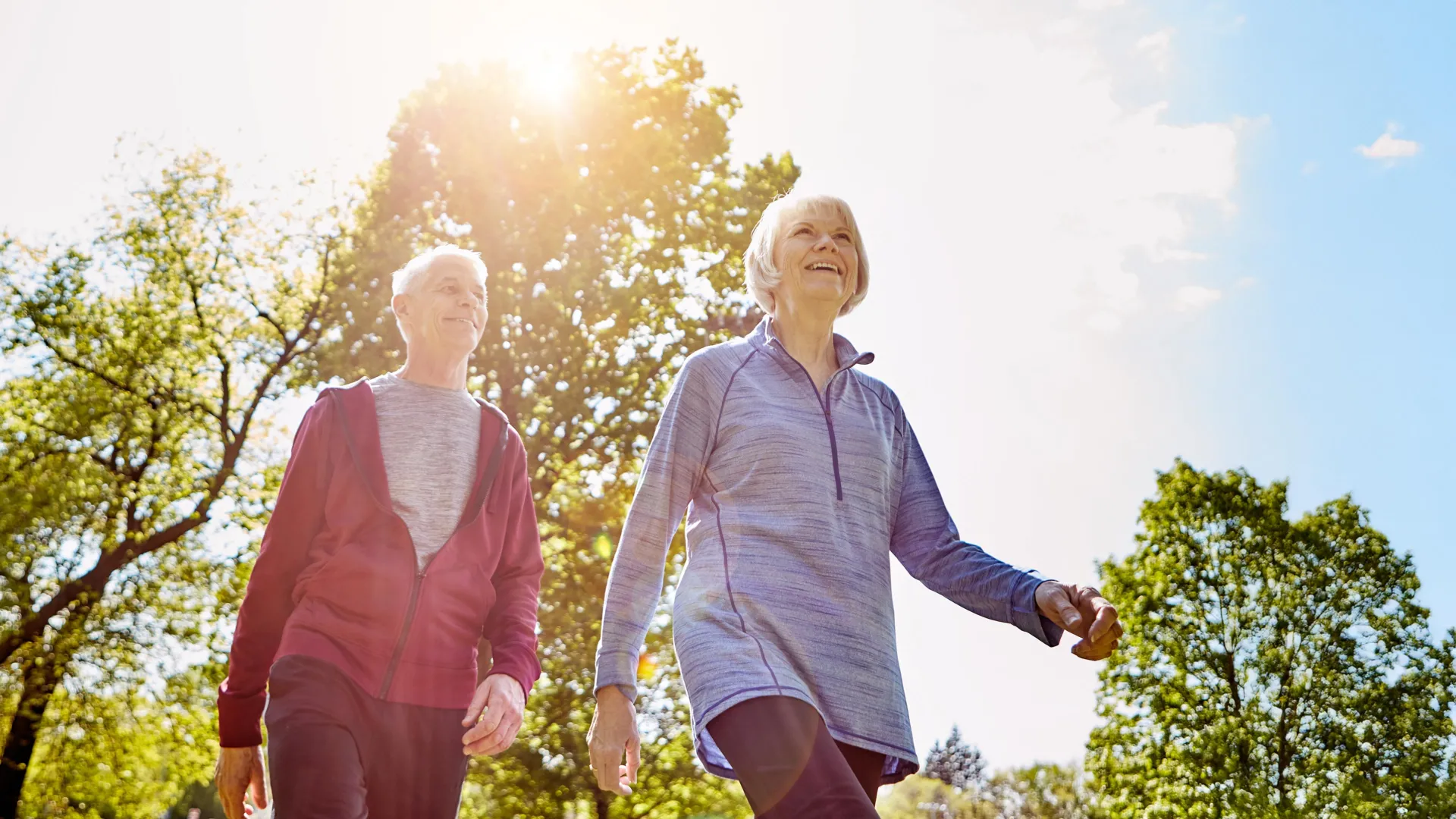
- The Brisk Walking Group: Participants engaged in moderate-intensity walking, the current "gold standard" for non-pharmacological blood pressure reduction.
- The Self-Directed Exercise Group: This acted as the control group, where participants were given general health advice but no structured exercise program.
The primary endpoint of the study was the change in 24-hour systolic blood pressure from the baseline to 12 weeks and again at 52 weeks. By extending the study to a full year, the researchers aimed to observe not just the immediate impact of the exercise, but also the "adherence factor"—the ability of participants to maintain the routine without constant supervision.
Key Findings: Quantifiable Reductions in Blood Pressure
The results of the trial were striking in their consistency. At the end of the first 12 weeks, the Baduanjin group showed a reduction of approximately 3 mm Hg in their 24-hour systolic blood pressure compared to the self-directed exercise group. More importantly, the office-based systolic readings—the measurements typically taken during a doctor’s visit—dropped by an average of 5 mm Hg.
When compared directly to the brisk walking group, Baduanjin proved to be non-inferior, meaning it was just as effective as walking at reducing blood pressure. By the one-year mark, the reductions in the Baduanjin group remained stable, suggesting that the physiological changes induced by the practice are durable. The researchers noted that a 5 mm Hg reduction in systolic blood pressure is clinically significant; such a drop is comparable to the effects seen in many first-line antihypertensive medications and is associated with a 10% reduction in the risk of major cardiovascular events.
The safety profile of the intervention was also exemplary. Because Baduanjin is a low-impact activity, no serious adverse events were reported, making it a safe option for older adults or those with limited mobility who might find brisk walking or jogging physically taxing.
The Mechanics of Baduanjin: Why It Works
The effectiveness of Baduanjin lies in its multi-faceted approach to physical and mental health. Unlike purely aerobic exercises, Baduanjin incorporates elements of mindfulness and controlled breathing, which are known to modulate the autonomic nervous system. By shifting the body from a "fight-or-flight" sympathetic state to a "rest-and-digest" parasympathetic state, the practice helps lower heart rate and relax peripheral blood vessels, thereby reducing pressure on the arterial walls.
The eight movements of Baduanjin are:
- Upholding the Heavens with Two Hands: Stimulates the "Triple Burner" (a TCM concept) and improves respiratory function.
- Drawing the Bow to Shoot the Hawk: Strengthens the lower body and improves coordination.
- Separating Heaven and Earth: Enhances digestion and stretches the torso.
- Wise Owl Gazes Backward: Releases tension in the neck and shoulders, often a site of stress-induced tightness.
- Swaying the Head and Wagging the Tail: Reduces "heart fire" or emotional stress and improves spine flexibility.
- Two Hands Hold the Feet: Strengthens the kidneys and waist while stretching the hamstrings.
- Clenching the Fists with Fiery Eyes: Increases muscular strength and vitality.
- Bouncing on the Toes: Vibrates the body to stimulate the nervous system and improve circulation.
The combination of isometric holds (static muscle contractions) during these movements and the deep, rhythmic breathing creates a unique hemodynamic environment that fosters arterial health.
Expert Reactions and Clinical Implications
The medical community has greeted these findings with optimism, viewing them as a bridge between traditional Eastern wisdom and modern Western evidence-based medicine. Dr. Jing Li, the study’s senior author, emphasized the practical advantages of the practice. "Given its simplicity, safety and ease at which one can maintain long-term adherence, Baduanjin can be implemented as an effective, accessible and scalable lifestyle intervention for individuals trying to reduce their blood pressure," Li stated.
Harlan M. Krumholz, MD, FACC, the Editor-in-Chief of JACC and a professor at the Yale School of Medicine, highlighted the broader implications for public health. "Baduanjin has been practiced in China for over 800 years, and this study demonstrates how ancient, accessible, low-cost approaches can be validated through high-quality randomized research," Krumholz said. He pointed out that the lack of side effects and zero cost make it a "highly scalable" solution for community-based prevention, particularly in resource-limited settings where access to gyms or expensive medications may be restricted.
The study also addresses a major hurdle in clinical medicine: patient compliance. Because participants in the Baduanjin group were able to maintain their results even after the initial supervised period ended, it suggests that the routine is inherently more sustainable than many other forms of exercise. The psychological benefits of mindfulness—reduced anxiety and improved mood—may also play a role in why participants stick with the program.
Broader Impact on Global Health Policy
As healthcare systems worldwide struggle with the rising costs of chronic disease management, the validation of "low-tech" interventions like Baduanjin offers a path forward. The World Health Organization (WHO) has long advocated for the integration of traditional and complementary medicine into national health systems, provided they are backed by scientific evidence. This study provides exactly that.
The implications extend beyond individual health to economic policy. If a significant portion of the population with Stage 1 hypertension could manage their condition through community-based Baduanjin programs, the savings in medication costs and hospitalizations for heart failure or stroke could be in the billions. Furthermore, the practice’s emphasis on balance and flexibility provides secondary benefits, such as fall prevention in the elderly, which further reduces the burden on healthcare infrastructure.
Conclusion and Future Outlook
The JACC study marks a significant milestone in the scientific study of traditional Chinese medicine. By proving that a 10-to-15-minute routine of slow, intentional movements can match the cardiovascular benefits of brisk walking, the research opens new avenues for hypertension treatment. For clinicians, the message is clear: when advising patients on blood pressure management, "movement" does not always have to mean a treadmill or a track; it can mean the graceful, ancient sequences of Baduanjin.
Future research may look into whether Baduanjin can be used as an adjunct therapy for patients with more advanced (Stage 2) hypertension who are already on medication, or whether it can prevent the onset of hypertension in high-risk populations. For now, the evidence suggests that this "Eight Pieces of Brocade" exercise is a valuable tool in the modern medical toolkit, proving that sometimes the best solutions for the future are found in the practices of the past. Individuals looking to lower their blood pressure now have a scientifically validated, no-cost option that they can practice in the comfort of their own homes, potentially transforming their cardiovascular health one movement at a time.