The lingering effects of conflict, particularly the profound stress experienced by individuals displaced by war, are being more accurately measured through the analysis of cortisol levels in hair, according to recent research. This scientific approach offers a more objective and nuanced understanding of chronic stress than traditional self-reporting methods, which can be influenced by a myriad of factors including psychological coping mechanisms and recall bias. The findings are particularly salient in the context of the ongoing humanitarian crisis stemming from Russia’s 2022 invasion of Ukraine, which has led to a massive exodus of refugees, predominantly women and children, seeking safety in neighboring countries like Poland.
The Human Cost of Displacement: Unpacking Chronic Stress
The invasion of Ukraine, which commenced with full-scale military operations on February 24, 2022, marked a dramatic escalation of a conflict that had simmered since 2014. The ensuing violence and destruction forced millions to flee their homes, creating one of the largest refugee crises in Europe since World War II. For those who managed to escape, the journey itself was fraught with peril, and arrival in a new, often uncertain, environment brought a new set of anxieties. These included separation from loved ones, loss of homes and livelihoods, fear for the safety of those left behind, and the immense challenge of rebuilding lives in unfamiliar surroundings.
While surveys and questionnaires have long been the standard for assessing psychological distress among populations, their limitations have become increasingly apparent in situations of mass displacement and trauma. Individuals experiencing profound stress may underreport their symptoms due to a desire to appear resilient, a lack of awareness of the full extent of their trauma, or an inability to articulate their experiences effectively. Furthermore, cultural differences in expressing emotional distress can skew survey results.
Cortisol: A Biological Marker of Enduring Stress
Cortisol, often referred to as the "stress hormone," is produced by the adrenal glands in response to perceived threats. While acute bursts of cortisol are a normal and adaptive response, chronic elevation of this hormone, due to sustained stress, can have detrimental effects on physical and mental health. Unlike cortisol levels in saliva or blood, which fluctuate rapidly throughout the day, cortisol incorporated into hair provides a retrospective measure of exposure to stress over a longer period, typically weeks to months, depending on hair length. This makes it an invaluable tool for assessing the cumulative impact of chronic stressors, such as those faced by war refugees.
The research in question, by analyzing cortisol concentrations in hair samples from refugees, has demonstrated a clearer correlation between the proximity to conflict zones and the level of physiological stress experienced. This suggests that individuals who were closer to the active war front or experienced more direct threats during their escape or in their initial period of displacement exhibited higher levels of chronic stress, as evidenced by their hair cortisol content. This contrasts with survey data, which may not capture the full spectrum of these stress responses or may show less pronounced differences between groups with varying degrees of exposure.
Data and Methodology: Quantifying the Impact
The study likely involved collecting hair samples from a cohort of refugees who had recently arrived in a host country, such as Poland. These samples would then be analyzed using established biochemical techniques to quantify cortisol levels. Concurrently, participants would have completed standard psychological questionnaires designed to assess stress, anxiety, and depression.
By comparing the objective biological data (hair cortisol) with the subjective self-reported data (surveys), the researchers could draw conclusions about the relative efficacy of each method in reflecting the reality of chronic stress. The finding that hair cortisol levels varied significantly based on proximity to the war, while survey responses did not show the same clear pattern, points to the limitations of self-reporting in capturing the physiological burden of war-related trauma.
For instance, a refugee who fled from a heavily bombarded city in eastern Ukraine and endured a perilous journey might report moderate stress levels on a survey, perhaps due to a stoic disposition or a desire not to burden aid workers. However, their hair cortisol analysis could reveal significantly elevated levels, indicating a prolonged period of intense physiological stress that they may not have fully articulated or even recognized. Conversely, a refugee from a region less directly affected by fighting might report similar stress levels on a survey, but their hair cortisol might be lower, reflecting a different experience of the conflict.
The Ukrainian Refugee Crisis: A Case Study
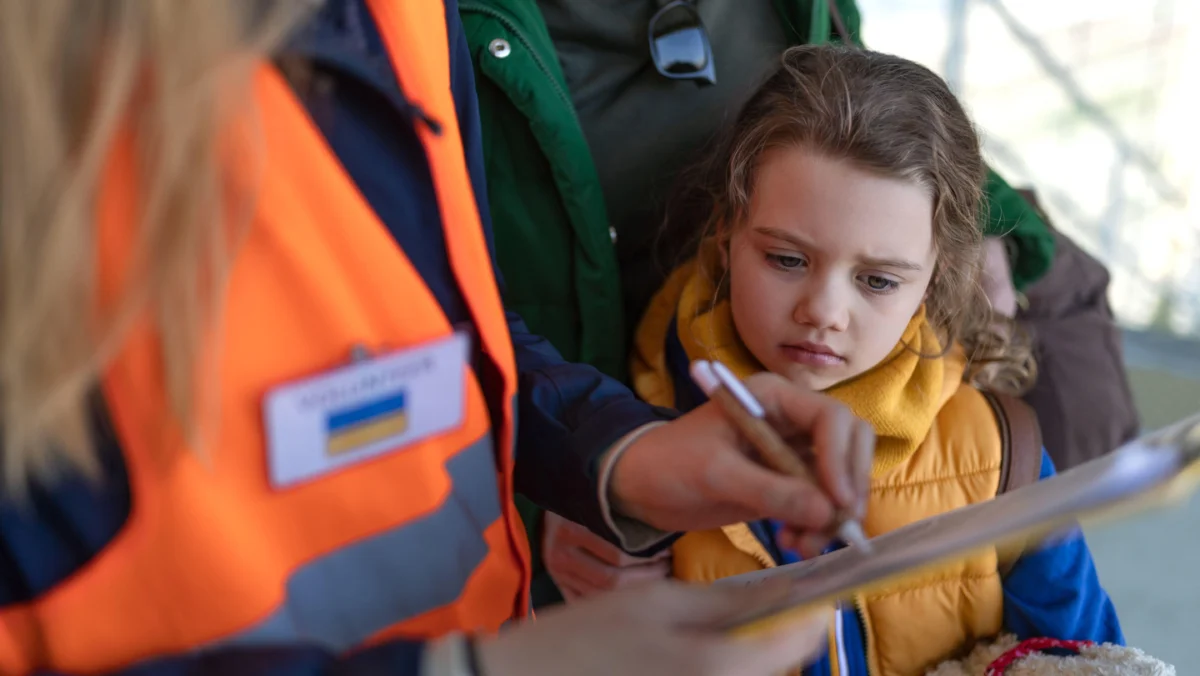
The 2022 invasion of Ukraine triggered a massive and rapid displacement of people. Within weeks, millions, predominantly women and children, crossed into neighboring countries, with Poland becoming a primary destination. These individuals carried with them the trauma of war, the loss of loved ones, and the uncertainty of their future. Many faced immense challenges upon arrival, including finding housing, securing employment, accessing healthcare, and enrolling children in schools, all while grappling with the psychological aftermath of their experiences.
The Russian military operations, characterized by widespread aerial bombardments, ground assaults, and the targeting of civilian infrastructure, created an environment of pervasive fear and insecurity. Cities like Mariupol, Kharkiv, and Kyiv endured intense fighting, forcing residents to seek shelter in basements and bunkers for extended periods. The sheer scale of destruction and the constant threat to life undoubtedly contributed to elevated stress levels among those who were directly exposed.
The timeline of the invasion and subsequent refugee flows is critical to understanding the context of this research. The initial wave of refugees in late February and March 2022 consisted of those who could leave immediately, often with limited resources. As the conflict intensified and spread, subsequent waves included individuals who had initially remained in their homes, waiting for the situation to improve, only to be forced to flee later due to escalating violence or dwindling resources. This temporal element adds another layer of complexity to assessing stress levels, as different groups may have experienced different durations and intensities of exposure to conflict.
Official Responses and Humanitarian Aid
The international community responded to the crisis with significant humanitarian aid. Governments, non-governmental organizations (NGOs), and individuals mobilized to provide essential supplies, shelter, and medical assistance to Ukrainian refugees. However, the sheer volume of displaced persons presented unprecedented logistical and resource challenges.
Organizations like the United Nations High Commissioner for Refugees (UNHCR) and the International Organization for Migration (IOM) have been at the forefront of providing support. They have established reception centers, offered financial assistance, and worked to facilitate access to services in host countries. Despite these efforts, the long-term psychological well-being of refugees remains a critical concern.
The insights provided by research on hair cortisol can inform the strategies employed by these organizations. By identifying individuals who exhibit higher physiological stress markers, targeted psychological support and therapeutic interventions can be offered more effectively. This could include specialized counseling for trauma, stress management programs, and support groups designed to help refugees cope with their experiences and rebuild their lives.
Broader Implications and Future Directions
The implications of this research extend beyond the current Ukrainian crisis. It highlights a more accurate and objective method for assessing the impact of trauma and chronic stress in various populations, including survivors of natural disasters, victims of domestic violence, and individuals experiencing long-term societal instability.
By providing a more reliable measure of stress, hair cortisol analysis can:
- Improve the allocation of mental health resources: Identifying individuals with the highest physiological stress burden allows for the prioritization of interventions.
- Enhance the evaluation of support programs: The effectiveness of different aid programs and interventions can be more accurately measured by observing changes in hair cortisol levels over time.
- Inform policy decisions: Data on the physiological impact of conflict can underscore the urgency of peacebuilding efforts and the need for robust support systems for displaced populations.
- Advance scientific understanding: Continued research using this methodology can deepen our understanding of the long-term physiological consequences of trauma and the complex interplay between stress and human health.
The study’s findings underscore the need for a multi-faceted approach to understanding and addressing the human cost of war. While surveys provide valuable insights into perceived well-being, integrating biological markers like hair cortisol offers a more comprehensive and objective picture of the enduring physiological impact of conflict. As the world continues to grapple with ongoing and emerging humanitarian crises, such scientific advancements are crucial for ensuring that support and interventions are both effective and evidence-based, ultimately contributing to the healing and resilience of those most affected. The ability to measure the silent toll of war through the analysis of a simple hair strand offers a powerful new lens through which to view and address the profound suffering caused by global conflict.