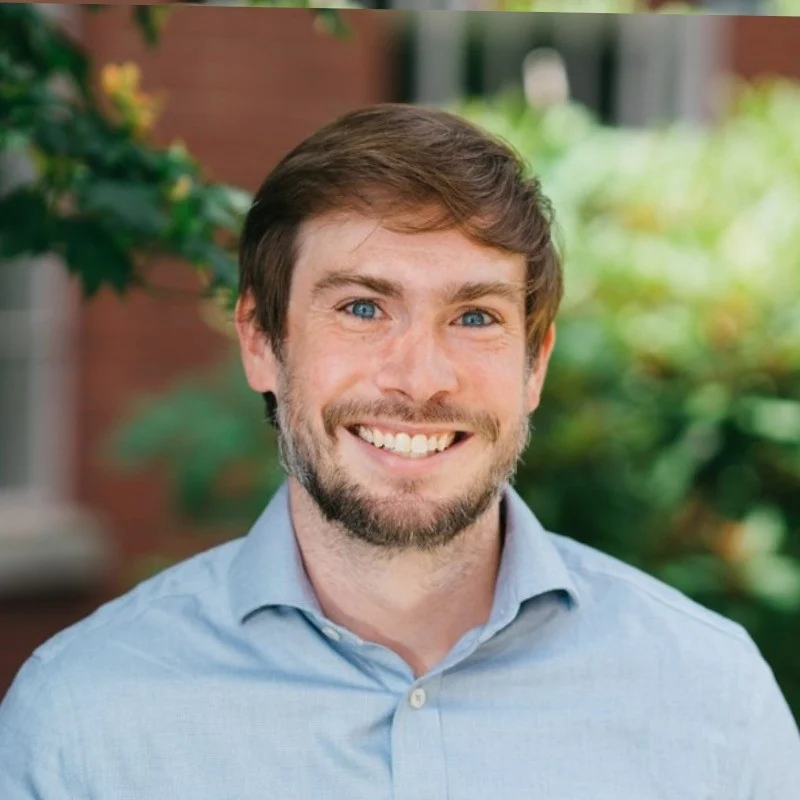
FUJIFILM Biotechnologies, a prominent contract development and manufacturing organization (CDMO), is currently executing a monumental expansion strategy, with approximately $7 billion in capital projects underway across its North American and European operations. This ambitious growth trajectory underscores the surging demand for biopharmaceutical manufacturing capacity and the company’s strategic positioning within the global life sciences sector. At the helm of this operational buildout is Maja Herold Pedersen, who transitioned into the Chief Operating Officer (COO) role in September 2025, bringing a unique perspective forged from her extensive background in quality and technology leadership.
Strategic Global Expansion: A Multi-Billion Dollar Investment
The cornerstone of FUJIFILM Biotechnologies’ expansion is its colossal $3.2 billion manufacturing campus in Holly Springs, North Carolina. The first phase of this state-of-the-art facility commenced operations in September 2025, significantly bolstering the company’s mammalian cell culture manufacturing capabilities in the United States. A second phase for the Holly Springs site is projected to come online around 2028, further solidifying its position as a major biopharmaceutical production hub. This investment aligns with the broader trend of pharmaceutical companies increasingly outsourcing complex manufacturing processes to specialized CDMOs, driven by cost efficiencies, access to advanced technology, and expedited time-to-market.
Concurrently, FUJIFILM Biotechnologies is enhancing its European footprint. In Denmark, the company is expanding its Hillerød campus, adding eight new 20,000-liter bioreactors and two new downstream processing streams. This expansion is critical for meeting the growing European demand for biologics and ensuring supply chain resilience across the continent. Early in 2026, the company also inaugurated the United Kingdom’s largest single-use CDMO facility at Teesside. Single-use technology offers significant advantages in biomanufacturing, including faster turnaround times, reduced risk of cross-contamination, and greater flexibility for multi-product facilities, making it an increasingly favored approach for innovative therapies.
Beyond traditional biologics, FUJIFILM is also making substantial strides in advanced therapies. Its sister subsidiary, FUJIFILM Cellular Dynamics (FCDI), opened a new induced pluripotent stem cell (iPSC) manufacturing headquarters in Madison, Wisconsin, in May. This facility is part of a separate $200 million investment aimed at roughly quadrupling FCDI’s cell-production capacity. The expansion of iPSC manufacturing is particularly significant given the burgeoning field of cell and gene therapy, where iPSCs hold immense promise for regenerative medicine, drug discovery, and personalized therapies. The ability to produce these cells at scale and under stringent quality controls is paramount for their clinical translation.
Leadership Philosophy: From Quality to Operations
Maja Herold Pedersen’s journey to COO is distinctive, having previously served as Chief Technology Officer and, prior to that, Chief Quality Officer. This progression reflects a strategic understanding within FUJIFILM Biotechnologies that operational excellence is inextricably linked to robust quality systems and technological innovation. "Lars Petersen, our CEO, knew me from before and knows how I lead. He knows that I push the boundaries," Pedersen remarked in a recent interview. Her philosophy extends beyond the confines of any single functional role. "I’ve never been a quality-function-only leader. I’ve always looked at the whole picture of how we get medicine to patients. It doesn’t matter whether I’m wearing a quality hat or some other hat, we need to make this work for patients in the end." This patient-centric approach, rooted in her early career experiences in patient advocacy groups, serves as a guiding principle in her operational decisions, ensuring that efficiency and innovation ultimately serve the end goal of delivering life-changing medicines.
Pedersen’s early career path, diverging from a potential academic PhD in science to a role in quality and regulatory at Unomedical, shaped her comprehensive view. Her initial work involved traveling to Mexico to train a manufacturing facility in using TrackWise, a quality management system. This hands-on experience provided her with a foundational understanding of Good Manufacturing Practices (GMP) and the critical role of quality in pharmaceutical production. This practical immersion, coupled with direct engagement with patient advocacy groups, instilled in her a profound appreciation for the real-world impact of the industry.
kojoX: Standardizing Excellence Across a Global Network
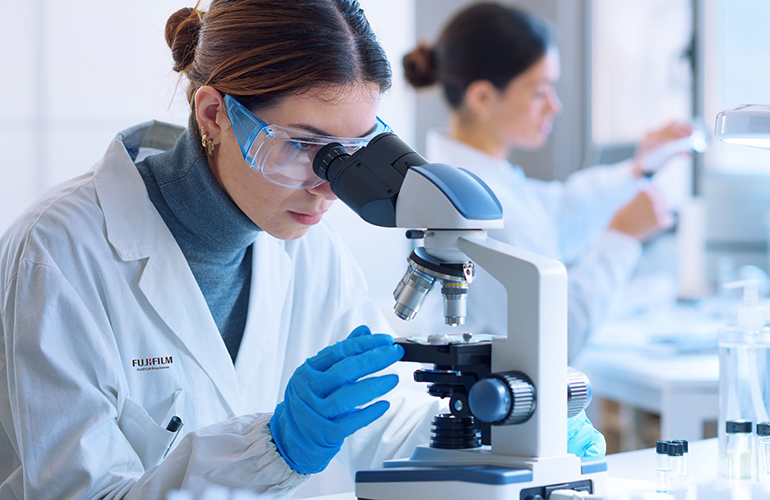
To effectively manage and integrate such a vast and geographically dispersed manufacturing network, FUJIFILM Biotechnologies employs kojoX, its proprietary modular bioproduction model. The name kojoX is a fusion of the Japanese word kojo (meaning "improvement" and "factory") with an "X" symbolizing exponential scale. This model is designed around standardized equipment, processes, and quality systems across all its sites. The core benefit of kojoX is its ability to facilitate the seamless transfer of validated drug-substance processes to an equivalent manufacturing line anywhere within the network. This standardization dramatically compresses tech-transfer timelines and streamlines regulatory approvals, providing a significant competitive advantage in a fast-paced industry where speed to market is paramount.
The implementation of kojoX addresses a critical challenge in multi-site biomanufacturing: ensuring consistency and reproducibility regardless of the production location. By standardizing protocols, equipment, and quality control measures, FUJIFILM Biotechnologies can offer clients greater flexibility and de-risk their supply chains, knowing that their product can be manufactured with identical quality and efficiency across various facilities. This integrated approach is essential for supporting the rapid development and commercialization of complex biologics and advanced therapies.
Revolutionizing Biomanufacturing with AI and Autonomy
A significant focus of Pedersen’s leadership, particularly in her COO role, is the strategic integration of Artificial Intelligence (AI) from pilot projects into full-scale production across FUJIFILM’s global network. Recognizing the biopharmaceutical industry’s inherent conservatism due to its highly regulated nature, Pedersen advocates for a proactive and pragmatic approach to AI adoption. "In this industry, we have a tendency to think we can’t really do it, because we can’t validate it and we can’t verify it. There’s some truth to that. It’s not old enough yet. However, that shouldn’t hold us back. On the contrary, it should make us move faster, and we can apply a human check before we let something go." This perspective highlights a crucial balance: leveraging AI’s transformative potential while maintaining human oversight for critical decisions, particularly those impacting patient safety and product quality.
Pedersen’s impatience with inertia led to the development of "Genki," an internal, secure ChatGPT-like tool. The name "Genki," a Japanese word evoking enthusiasm and positivity, reflects the company’s forward-looking spirit. "I knew that if we didn’t build it, people would start using the other one anyway. We can tell people they must not, but we’re all using AI in our hobby time, right? So rather than sit and wait, I had it built under our own roof," she explained. GenkiBot operates within FUJIFILM’s security umbrella, ensuring data privacy and compliance.
GenkiBot is already demonstrating tangible benefits, particularly in deviation management. It functions as a sophisticated tool that can write deviations, coach Subject Matter Experts (SMEs) on adherence to norms, and assist in identifying root causes that extend beyond superficial explanations, drawing insights from available data. Currently, approximately 50% of users involved in deviation management utilize GenkiBot, a figure Pedersen aims to increase to 100%. This widespread adoption is crucial for maximizing the efficiency gains and consistency that AI can offer in complex quality processes.
Scaling AI: Empowering Innovation with Guardrails
Pedersen’s vision for scaling AI agents within a regulated environment is both bold and unconventional for the pharmaceutical sector. She believes that true scaling occurs when the tools are "set free," allowing individuals across the organization to develop and utilize AI agents. Her analogy to old Excel macros, where individuals could code simple automations, illustrates her desire to democratize AI development. "To scale the use of AI, we need to equip everyone with the ability to do that kind of coding," she stated. This approach creates a broader funnel of potential AI applications, from which only the most robust, verifiable, and GMP-compliant agents would be selected for integration into controlled environments for critical decisions. This "playful" yet strategic approach, as she describes it, contrasts with the typically rigid, top-down implementation strategies often seen in highly regulated industries.
Looking ahead, one of the next major applications for AI at FUJIFILM Biotechnologies is in tech transfers. The process of bringing a new product into a facility, transferring all relevant data, organizing it into specific documents, and getting the manufacturing process up and running is inherently complex and labor-intensive. Pedersen envisions AI agents that can "grab it, take it, organize it and put it into use," thereby automating much of this tedious work and significantly accelerating the transfer process. This not only enhances efficiency but also reduces the potential for human error, ensuring a smoother transition for new therapies.
The implications of AI integration in biomanufacturing are profound. Beyond efficiency, AI can enable predictive maintenance, optimize process parameters, enhance quality control through real-time data analysis, and accelerate drug discovery. However, the industry faces the ongoing challenge of developing regulatory frameworks that can keep pace with rapidly evolving AI technologies. Regulatory bodies like the FDA are actively exploring guidelines for AI and machine learning in medical products, underscoring the necessity for robust validation, transparency, and continuous monitoring of AI systems.
The 9 People Fundamentals: Cultivating Autonomy and Accountability
Underpinning FUJIFILM Biotechnologies’ technological and operational advancements is a distinct organizational culture encapsulated in its "9 People Fundamentals." This philosophy champions the belief that empowering individuals to make decisions within their areas of expertise unleashes significant energy and accelerates responsiveness. "If we look at it a bit like a body, like an organism, we have our brain, and then we have numerous cells out in the body, and they actually work very well individually," Pedersen elucidated. While acknowledging the necessity of a central "brain structure" to ensure alignment, the core tenet is to minimize bureaucratic hurdles and foster immediate, informed decision-making at all levels.
This cultural framework is particularly vital in the increasingly complex biopharma landscape, where rapid responses to scientific breakthroughs and market demands are crucial. The fundamentals emphasize concepts such as leading people, managing processes, being your full self, empowerment, and accountability. Pedersen highlights that while empowerment offers immense freedom, it also brings significant accountability. "Being empowered doesn’t come for free, quite the opposite." To cultivate this mindset, the company is rolling out a "Leaders for Life cohort" for its leadership team, focusing on self-awareness, reactive patterns, and their impact on the environment. This initiative aims to equip leaders with the emotional intelligence and strategic thinking required to thrive in a decentralized, empowered organizational structure.
The 9 People Fundamentals are not merely aspirational; they are a strategic enabler for FUJIFILM Biotechnologies’ aggressive growth and innovation agenda. By fostering a culture of trust, autonomy, and personal responsibility, the company aims to create a dynamic environment where employees feel valued, can contribute meaningfully, and are agile enough to adapt to technological shifts like AI integration.
Broader Impact and Future Outlook
FUJIFILM Biotechnologies’ multi-billion-dollar investment across its global CDMO network, coupled with its innovative approach to AI adoption and cultural empowerment, positions it as a formidable player in the biopharmaceutical manufacturing landscape. The ongoing expansion projects are a direct response to the escalating global demand for complex biologics, cell and gene therapies, and other advanced modalities. The CDMO market, projected to continue its robust growth, relies heavily on companies that can offer not only vast capacity but also cutting-edge technology, regulatory expertise, and operational agility.
By strategically investing in large-scale facilities, single-use technologies, and advanced iPSC manufacturing, FUJIFILM is catering to diverse client needs, from early-stage development to commercial production. The standardization facilitated by kojoX ensures that this expanded capacity is seamlessly integrated and highly efficient. Furthermore, Pedersen’s leadership in pioneering AI adoption, from internal tools like GenkiBot to future applications in tech transfers, signals a commitment to digital transformation that will likely set new benchmarks for efficiency and quality in the industry. The "9 People Fundamentals" ensure that the human element remains central, empowering the workforce to drive innovation and adapt to these transformative changes. As the biopharma industry continues its rapid evolution, FUJIFILM Biotechnologies’ integrated strategy of physical expansion, digital innovation, and cultural empowerment is poised to make a significant impact on accelerating the availability of life-saving medicines to patients worldwide.