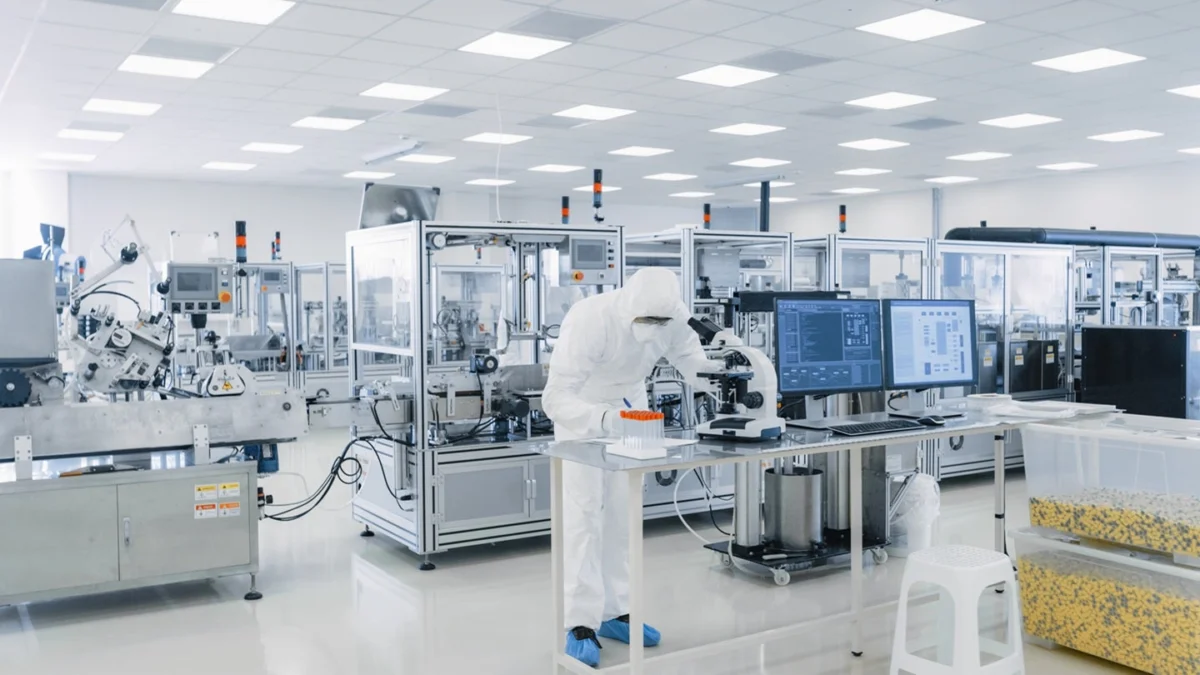
FUJIFILM Cellular Dynamics has officially opened its new headquarters and a cutting-edge induced pluripotent stem cell (iPSC) manufacturing facility in Madison, Wisconsin, marking a significant expansion of its production capabilities. This substantial investment, previously announced as part of a $200 million commitment, is poised to quadruple the company’s capacity for producing iPSC-based research products and services. The 175,000-square-foot facility represents a pivotal moment for the company, reinforcing its position as a leader in the burgeoning field of regenerative medicine and cell therapy development.
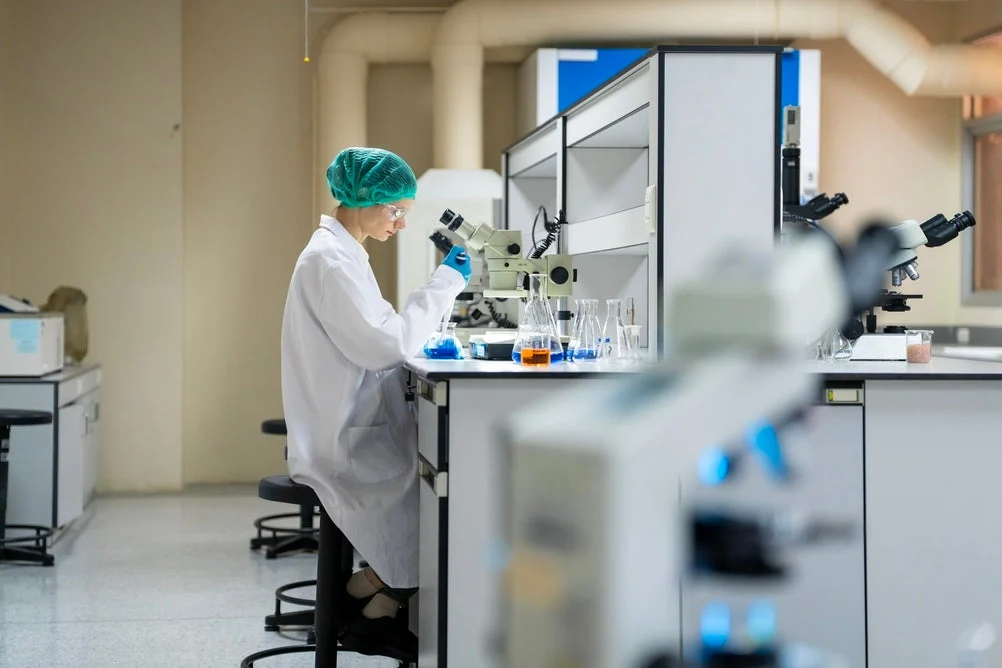
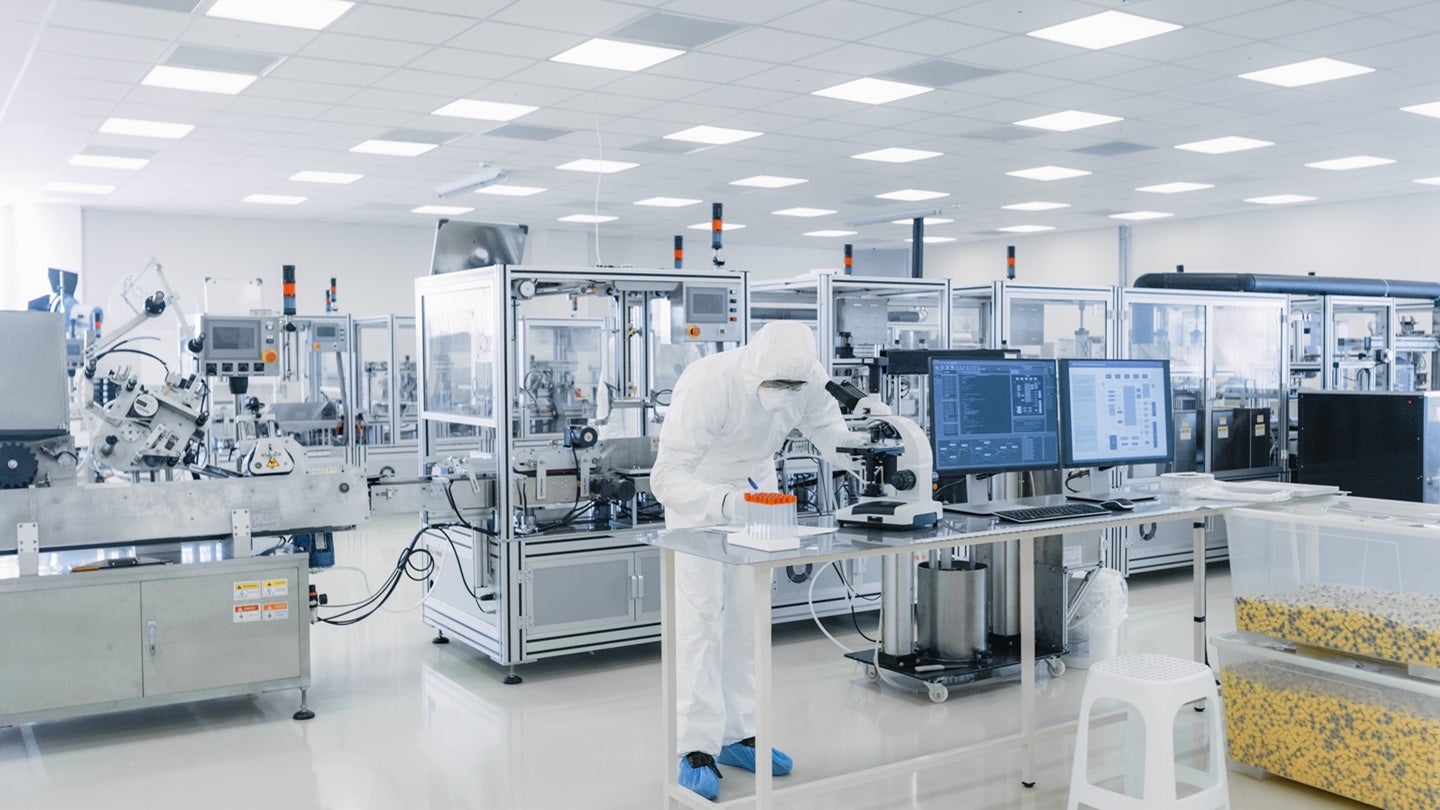
The newly established site is strategically designed to support a broad spectrum of cell therapy product manufacturing, encompassing everything from the early stages of investigational drug production to large-scale commercial output. This scalability is a critical feature, allowing FUJIFILM Cellular Dynamics to adapt to the evolving needs of the pharmaceutical industry and research institutions worldwide. The facility’s comprehensive infrastructure includes advanced laboratories dedicated to cell culture manufacturing, meticulous process development, and a specialized center focused on the groundbreaking field of gene editing. These integrated capabilities are intended to accelerate the development and delivery of novel cell therapies.
Strategic Expansion to Meet Growing Demand
The opening of this facility addresses a critical and accelerating demand for high-quality iPSC-derived products and services. FUJIFILM Cellular Dynamics plans to leverage the expanded capacity to enhance its iCell product line, which plays a crucial role in New Approach Methodologies (NAMs) for drug discovery. NAMs are increasingly being adopted by regulatory agencies and pharmaceutical companies as alternatives to traditional animal testing, offering more predictive and human-relevant insights into drug efficacy and toxicity. By providing robust and reliable iPSC-based tools, FUJIFILM Cellular Dynamics is supporting this paradigm shift in drug development.
The iPSC technology, which allows for the reprogramming of adult cells back into an embryonic-like pluripotent state, has opened unprecedented avenues for disease modeling, drug screening, and the development of regenerative therapies. FUJIFILM Cellular Dynamics has been at the forefront of this field for over two decades, consistently setting industry benchmarks for quality and innovation. This new facility is a direct response to the growing number of organizations, including major pharmaceutical companies, academic research institutions, and biotechnology startups, that are actively engaged in the research and development of life-changing medical treatments utilizing iPSC technology.
A Hub for Innovation and Future Growth
The comprehensive suite of laboratories within the Madison facility is engineered to foster innovation across the entire iPSC value chain. The cell culture manufacturing labs are equipped with advanced bioreactors and automation systems to ensure consistent and scalable production of high-quality cells. The process development labs are dedicated to optimizing manufacturing protocols, ensuring efficiency, reproducibility, and adherence to stringent regulatory standards. The gene editing center, a key component of the facility, will enable the precise modification of iPSCs, paving the way for the development of more sophisticated cell therapies and disease models with specific genetic alterations.
These advanced resources are designed to support both research-grade iPSC products, which are essential for foundational scientific inquiry and early-stage drug discovery, as well as more complex services required by organizations developing advanced cell therapies. The ability to scale production from small research batches to commercial quantities within the same integrated facility streamlines the development pathway and reduces the time-to-market for new therapies.
A Testament to Fujifilm’s Commitment to Life Sciences
Toshihisa Iida, Director and Corporate Vice President of FUJIFILM Corporation Japan and Chairman of FUJIFILM Biotechnologies, emphasized the strategic importance of this opening. "Completion of this facility comes at a critical time in the iPSC field, where FUJIFILM Cellular Dynamics has been setting industry standards for more than 20 years," Iida stated. He further elaborated, "This new facility enables us to respond to growing demand from pharmaceutical companies, research institutions, and academia engaged in new drug research and development, further delivering on our commitment to the development of life-changing medical treatments and to the people who will benefit from them."
This sentiment underscores Fujifilm’s long-term vision and significant investment in the life sciences sector. The company has been strategically expanding its footprint in biotechnology and regenerative medicine, leveraging its deep expertise in imaging, materials science, and chemical technologies to drive innovation in healthcare. The Madison facility is a cornerstone of this strategy, consolidating its iPSC manufacturing and research operations under one roof and significantly enhancing its capacity to serve the global market.
Community and Government Recognition
The inauguration of the new facility was commemorated with a ribbon-cutting ceremony that brought together key stakeholders. The event was attended by FUJIFILM leadership, including Toshihisa Iida, as well as prominent state and local officials. Wisconsin Governor Tony Evers and Madison Mayor Satya Rhodes-Conway were present, underscoring the economic and scientific significance of this development for the region. Their participation highlights the collaborative spirit between industry and government in fostering innovation and job creation. The establishment of such a significant facility in Madison is expected to contribute to the local economy through job creation and by attracting further investment in the biotechnology sector.
A Broader Ecosystem of Biopharmaceutical Advancement
This expansion by FUJIFILM Cellular Dynamics is part of a larger trend within the biopharmaceutical industry towards increased investment in specialized manufacturing capabilities. The company’s ongoing commitment to advancing cell therapy is also reflected in its broader partnerships. For instance, in September 2025, FUJIFILM Biotechnologies announced an expanded global partnership with argenx, an immunology company. Under this agreement, FUJIFILM will be responsible for manufacturing the drug substance for argenx’s therapy, efgartigimod, at its Holly Springs site in North Carolina, with production slated to begin in 2028. This indicates a strategic focus on building a robust network of specialized manufacturing sites capable of supporting a diverse range of advanced therapeutic modalities.
Implications for the Future of Medicine
The enhanced capabilities of the Madison facility are expected to have profound implications for the pace and scale of therapeutic innovation. By significantly increasing the supply of high-quality iPSCs and iPSC-derived products, FUJIFILM Cellular Dynamics is removing a key bottleneck for researchers and developers working on cures for a wide array of diseases, including neurodegenerative disorders, cardiovascular diseases, and various forms of cancer.
The ability to efficiently manufacture cell therapies at scale is crucial for their widespread adoption. Historically, the high cost and complexity of cell therapy manufacturing have limited their accessibility. FUJIFILM’s investment in a state-of-the-art, scalable facility aims to address these challenges, potentially making advanced cell therapies more affordable and available to patients in need. Furthermore, the focus on gene editing capabilities within the facility positions FUJIFILM Cellular Dynamics at the forefront of developing next-generation cell therapies that incorporate precise genetic modifications for enhanced therapeutic efficacy and safety.
The integration of research, development, and manufacturing within a single, advanced facility streamlines the transition from laboratory discovery to clinical application. This integrated approach can significantly reduce development timelines, accelerate regulatory approvals, and ultimately bring life-saving treatments to patients faster. As the field of cell therapy continues to mature, companies like FUJIFILM Cellular Dynamics, with their substantial investments in advanced manufacturing infrastructure and expertise, will play a critical role in realizing the full potential of these revolutionary treatments. The Madison facility stands as a testament to this commitment, promising to be a catalyst for groundbreaking advancements in human health.