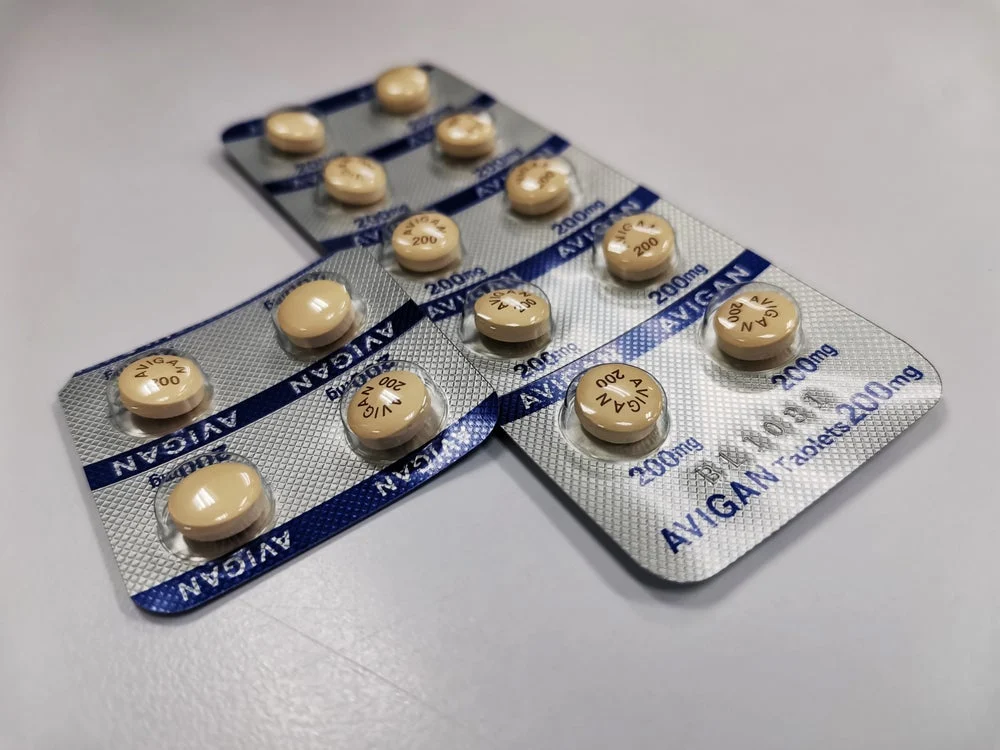
The United Kingdom has received a crucial supply of the antiviral medication favipiravir from the Japanese government, a strategic move designed to enhance the nation’s preparedness and response capabilities in the face of potential hantavirus outbreaks. This significant consignment arrived over the past weekend, marking a proactive step by the UK Health Security Agency (UKHSA) to bolster its public health defenses against a virus known for its severity and potential for rapid spread. While the exact volume of the delivered doses and any associated financial arrangements remain undisclosed by both parties, the acquisition underscores a commitment to safeguarding public health through international cooperation and robust medical stockpiling.
The UKHSA confirmed the acceptance of the medicine, which was developed by Fujifilm subsidiary Toyama Chemical in Japan. Favipiravir, initially approved in Japan in 2014 under the brand name Avigan for the treatment of influenza, possesses a broad-spectrum antiviral mechanism. Its ability to inhibit RNA polymerase, an enzyme critical for viral replication, has led to investigations into its efficacy against a range of RNA viruses, including, potentially, hantavirus. This makes it a valuable asset in the arsenal against emerging infectious diseases where specific treatments are limited.
Health Minister Sharon Hodgson expressed gratitude for Japan’s contribution, stating, "I would like to thank our counterparts in Japan for their supply of these vital medicines, which will support our preparedness and ongoing response to hantavirus." This statement highlights the collaborative nature of global health security and the importance of bilateral partnerships in addressing transnational health threats.
Background and Context of the Hantavirus Threat
The impetus for this preparedness measure stems from a recent hantavirus outbreak that emerged in early May. The initial cluster of cases was linked to a luxury cruise ship, where several passengers fell ill. Tragically, three individuals succumbed to the infection, underscoring the virus’s potential lethality. Hantaviruses are zoonotic pathogens, primarily transmitted to humans through the inhalation of aerosols from the urine, feces, or saliva of infected rodents. While human-to-human transmission is rare, it is not impossible, particularly in close contact settings.
Following the cruise ship incident, the UKHSA confirmed on May 17th that nine asymptomatic contacts of infected individuals had arrived in the UK. This development, while not indicating immediate widespread risk, served as a critical trigger for reinforcing the UK’s readiness. The agency has consistently maintained that the risk of wider hantavirus transmission within the UK remains "very low." However, the acquisition of favipiravir is viewed as an "important part of preparedness and defence against the outbreak," signifying a commitment to vigilance even in the absence of immediate widespread threat.
Favipiravir: A Multifaceted Antiviral
Favipiravir’s journey as a therapeutic agent is notable. Its initial approval in Japan for influenza provided a foundation for its potential use against other viral threats. As a stockpiling option for pandemic preparedness, it represents a strategic investment in a drug that could be rapidly deployed should a novel or re-emerging virus pose a significant public health challenge.
During the COVID-19 pandemic, favipiravir garnered attention for its potential efficacy. The drug’s mechanism of action, targeting RNA polymerase, suggested it might interfere with the replication of the SARS-CoV-2 virus. However, clinical trials investigating its use against COVID-19 ultimately demonstrated a lack of significant efficacy, leading to its discontinuation for this specific application in many contexts.
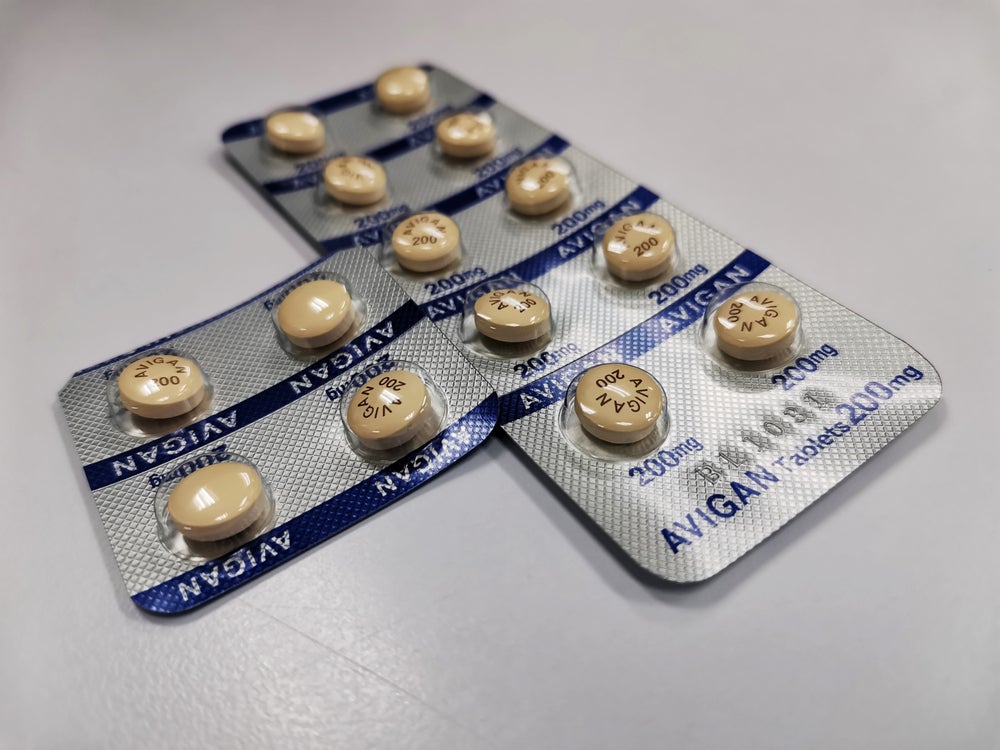
In the case of hantavirus, the situation is different. Crucially, no studies involving favipiravir in humans specifically for hantavirus infection have been conducted. This means that any potential use of the medication for this purpose would be considered "off-label." Furthermore, favipiravir is not currently licensed by the UK’s Medicines and Healthcare products Regulatory Agency (MHRA). This highlights the experimental nature of its potential application against hantavirus and underscores the importance of preparedness rather than established treatment protocols.
Global Health Landscape and the Need for Novel Antivirals
The recent hantavirus outbreak and the UK’s proactive acquisition of favipiravir serve as a salient reminder of the broader challenges in infectious disease control. The world currently faces a significant gap in readily available, approved treatments for many viral diseases. The absence of specific vaccines or therapies for hantavirus further emphasizes this critical need.
According to data and analysis from GlobalData, a leading provider of industry intelligence, outbreaks like the one involving hantavirus underscore the imperative for increased investment in the research and development of novel antiviral therapies. The increasing interconnectedness of the world through globalization, coupled with the escalating impacts of climate change, are identified as key drivers for the heightened transmission and burden of infectious diseases.
Anaelle Tannen, an infectious disease analyst at GlobalData, commented on this pressing issue: "We are seeing increased transmission and burden of infectious diseases because of climate change, and other factors such as globalisation. This is especially worrying as there is a lack of novel antiviral therapies to treat these conditions, and current antimicrobials are increasingly becoming ineffective due to growing resistance."
Her statement points to a dual threat: the emergence of new and re-emerging infectious diseases, and the diminishing effectiveness of existing treatments due to antimicrobial resistance. This creates a complex and challenging environment for public health officials worldwide. The reliance on broad-spectrum antivirals like favipiravir, even in off-label or experimental capacities, becomes a necessary component of a multi-pronged strategy to mitigate potential health crises.
Implications and Future Preparedness
The UK’s acquisition of favipiravir, while a precautionary measure, has several significant implications:
- Enhanced National Resilience: The supply strengthens the UK’s ability to respond to a hantavirus outbreak by providing a potential therapeutic option, even if its efficacy is not yet clinically proven for this specific disease in humans.
- International Cooperation: The transaction highlights the importance of international partnerships in managing global health threats. Sharing medical resources and expertise is crucial in a world where pathogens know no borders.
- Focus on Preparedness: The move reinforces the principle that preparedness, including stockpiling of essential medicines, is a vital component of public health strategy. It signals a commitment to proactive measures rather than solely reactive responses.
- Stimulus for R&D: The situation may further encourage investment and research into novel antivirals for diseases like hantavirus, where current treatment options are limited. This could lead to the development of more targeted and effective therapies in the future.
- Understanding of Off-Label Use: The potential use of favipiravir for hantavirus underscores the complexities of medical response during emerging outbreaks. It necessitates careful consideration of evidence, risk-benefit analyses, and ethical frameworks for off-label drug utilization.
The UKHSA’s strategic procurement of favipiravir represents a prudent step in fortifying the nation’s defenses against the evolving landscape of infectious diseases. As climate change and globalization continue to influence disease patterns, such proactive measures, coupled with ongoing investment in research and development, will be critical in safeguarding global public health. The collaboration with Japan serves as a model for how nations can collectively address health security challenges, ensuring a more resilient future in the face of emerging viral threats.