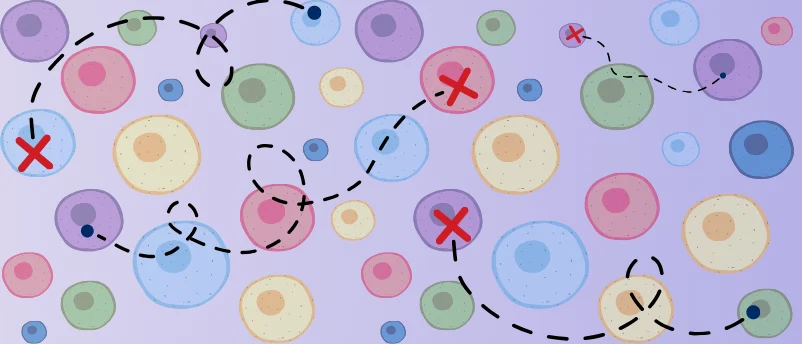
A landmark study published in Science by researchers at The Rockefeller University (NY, USA) has unveiled the most comprehensive atlas to date detailing how aging reshapes cells across the entire mammalian body. Profiling nearly 7 million individual cells from 21 different tissues in mice, the investigation revealed that age-related cellular changes are remarkably synchronized across various organs, suggesting the presence of common molecular signals that could be targeted by future pharmaceutical interventions. Furthermore, the study highlighted significant sex-specific differences in the aging process, with nearly half of all observed changes varying between males and females. These findings represent a substantial leap forward in understanding the fundamental mechanisms of aging, moving beyond a disease-specific approach to consider aging itself as a treatable process.
The Unifying Challenge of Aging: From Disease Management to Process Intervention
For decades, medical science has predominantly focused on combating chronic diseases individually, such as cancer, heart disease, and dementia, which disproportionately affect an aging population. As global demographics shift towards an older populace, the burden of these age-related conditions continues to mount, placing immense pressure on healthcare systems and diminishing quality of life for millions. The World Health Organization estimates that between 2015 and 2050, the proportion of the world’s population over 60 years will nearly double, from 12% to 22%. This demographic shift has spurred a paradigm change in scientific inquiry, with a growing number of researchers now exploring the possibility of slowing or even reversing the aging process itself, rather than merely treating its symptomatic manifestations. This necessitates a profound understanding of the underlying biological triggers that drive age-related decline at a cellular and molecular level.
Prior to this study, much of the research into aging focused on specific organs or known "hallmarks of aging," such as genomic instability, telomere attrition, epigenetic alterations, loss of proteostasis, deregulated nutrient sensing, mitochondrial dysfunction, cellular senescence, stem cell exhaustion, and altered intercellular communication. While these areas have provided crucial insights, a holistic, body-wide view of how these processes unfold simultaneously and interactively across diverse cell types and tissues has remained elusive. The sheer complexity of mammalian biology, with its myriad cell types and intricate inter-organ communication networks, presented a formidable challenge to creating such a comprehensive map.
A Landmark Atlas of Cellular Aging: Unprecedented Scale and Precision
The Rockefeller University team, led by Junyue Cao, head of the Laboratory of Single Cell Genomics and Population Dynamics, addressed this challenge by developing and optimizing a cutting-edge technique known as single-cell ATAC-seq (Assay for Transposase-Accessible Chromatin using sequencing). This method allows scientists to examine how DNA is packaged within individual cells, specifically identifying regions of the genome that are "open" and accessible to transcriptional machinery. These open regions serve as crucial indicators of a cell’s current state, its functional identity, and its potential for gene expression. By analyzing these epigenetic signatures on a cell-by-cell basis, researchers can gain an unprecedented level of detail about cellular heterogeneity and dynamic changes.
To construct this cellular census of aging, the researchers applied single-cell ATAC-seq to millions of individual cells extracted from 21 distinct organs of 32 mice across three critical developmental stages: 1 month (representing young adulthood), 5 months (middle age), and 21 months (elderly). These time points were carefully selected to capture the continuum of the aging process, from the prime of life through the onset of senescence. The scale of this undertaking is particularly noteworthy. As Dr. Cao explained, "What’s remarkable is that this entire atlas was generated by a single graduate student. Most large atlases like this require large consortia with dozens of laboratories but our method is far more efficient than other approaches." This speaks volumes about the methodological advancements and the dedication of the lead graduate student, Ziyu Lu, who spearheaded the experimental work.
The meticulous analysis of these nearly 7 million cells allowed Cao’s lab to pinpoint over 1,800 distinct subtypes of cells, many of which had never been previously characterized. This granular resolution provides an unparalleled view of the cellular landscape of the mammalian body. Critically, the team then tracked how the relative abundance and epigenetic profiles of each identified cell type changed across the three age groups, providing a dynamic picture of cellular evolution throughout the lifespan.
Unveiling Dynamic Cellular Landscapes: Beyond Functional Decline
One of the most surprising and significant discoveries of the study challenged a long-held assumption in gerontology: that aging primarily alters the function of existing cells, rather than their numbers or proportions. The new results unequivocally demonstrated that approximately a quarter of all cell types exhibit significant population shifts with advancing age. For instance, specific types of muscle and kidney cells showed marked declines in their numbers as mice aged, reflecting tissue degeneration and reduced organ capacity. Conversely, certain immune cell populations expanded dramatically, suggesting a chronic inflammatory state—a phenomenon often referred to as "inflammaging"—that is a hallmark of aging and contributes to various age-related pathologies.
These dynamic changes were not confined to late life. The study revealed that some cell populations had already begun to decline by the middle-aged mark of 5 months, equivalent to roughly 25-30 human years. "The system is far more dynamic than we realized," Dr. Cao commented. "And some of these changes begin surprisingly early. By 5 months of age, some cell populations had already begun to decline. This tells us that aging isn’t just something that happens late in life; it’s a continuation of ongoing developmental processes." This insight redefines aging not as a terminal phase but as a continuous process deeply intertwined with development and maturation, implying that interventions might need to begin earlier than previously thought to be most effective.
Synchronicity and Sex-Specific Pathways: New Dimensions of Aging
Beyond the dynamic shifts in cell populations, the study unearthed two particularly striking findings: the synchronized nature of age-related changes across distant organs and profound sex-specific differences. The researchers observed that the same cellular states—meaning cells exhibiting similar epigenetic profiles and gene expression patterns—appeared and declined in parallel across different tissues. This remarkable coordination suggests the existence of systemic signals, possibly circulating factors like hormones, metabolites, or immune molecules in the blood, that orchestrate the aging process throughout the entire organism. This unified response challenges the notion of organs aging in isolation and opens up exciting possibilities for systemic anti-aging therapies. If a common signal drives decline across multiple tissues, modulating that signal could have broad protective effects.
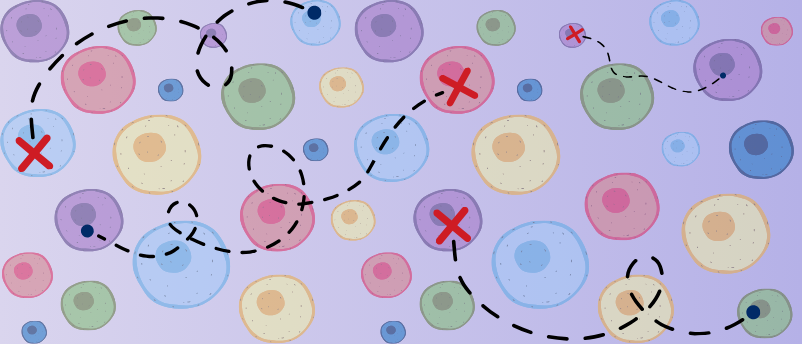
Equally compelling were the significant sex differences identified. Approximately 40% of all aging-associated changes observed were markedly different between males and females. For example, females exhibited a much broader and more pronounced immune activation during aging compared to males. Dr. Cao speculated on the potential implications of this finding: "It’s possible this could explain the higher prevalence of autoimmune diseases in women." This observation is consistent with epidemiological data showing women are disproportionately affected by autoimmune conditions like lupus, rheumatoid arthritis, and multiple sclerosis. Understanding the sex-specific molecular pathways underlying these differences could lead to gender-tailored anti-aging strategies and more effective treatments for sex-biased diseases. These findings underscore the critical importance of considering sex as a biological variable in all future aging research.
Beyond Random Decay: Identifying Molecular Hotspots for Intervention
In addition to tracking cellular population dynamics, the team meticulously mapped how the "readable" portions of DNA—the open chromatin regions—shifted within those specific cell types over time. Out of 1.3 million genomic regions analyzed by Lu and Cao, approximately 300,000 showed significant changes correlated with aging. Crucially, a subset of these changes—around 1,000 specific alterations—were consistently observed across many different cell types. This convergence on shared genomic regions across diverse cell populations further reinforces the idea of common, coordinated biological programs driving aging throughout the body.
The identification of these "hotspots" challenges the previously held notion that aging is merely a result of random genomic decay and accumulated damage. Instead, the study points to specific regulatory regions of the genome that are particularly vulnerable and central to the aging process. Many of these shared vulnerable areas were found to be linked to critical biological functions such as the immune system, inflammation, and stem cell maintenance—processes known to be intimately involved in aging. "This challenges the idea that aging is just random genomic decay," Dr. Cao remarked. "Instead, we see specific regulatory hotspots that are particularly vulnerable, and these are precisely the regions we should be studying if we want to understand what drives the aging process." This finding provides a much-needed focus for future mechanistic studies, directing researchers to the most impactful genomic targets.
Pathways to Anti-Aging Interventions: From Cytokines to Therapeutics
By comparing their extensive data with existing knowledge from previous studies, Cao’s team made another pivotal discovery: immune signaling molecules known as cytokines appear to be capable of triggering many of the same cellular changes observed during the natural aging process. Cytokines are small proteins that play a crucial role in cell signaling and are heavily involved in immune responses and inflammation. This connection suggests a direct molecular link between inflammation, immune activation, and the broader aging phenotype.
This insight holds immense therapeutic potential. Dr. Cao hypothesized that "drugs that modulate these cytokines could help slow coordinated aging processes across many different organs." This is not merely a theoretical leap; pharmaceutical companies already have a range of cytokine modulators, such as anti-inflammatory drugs, in their pipelines or on the market for conditions like autoimmune diseases and chronic inflammatory disorders. Repurposing or developing new drugs specifically targeting these aging-associated cytokine pathways could represent a viable strategy for slowing down the aging process itself, rather than just treating individual age-related diseases. Such interventions could potentially mitigate the decline of multiple organs simultaneously, offering a more holistic approach to health span extension.
Expert Perspectives and Broader Impact
The scientific community has reacted positively to the scale and depth of this research. Dr. Elena Rodriguez, a prominent gerontologist not involved in the study, commented, "This atlas is a monumental achievement. For too long, our understanding of aging has been fragmented, focused on individual organs or isolated molecular pathways. The Rockefeller team has provided a truly holistic view, revealing the profound interconnectedness of aging processes across the body. The discovery of synchronized changes and sex-specific pathways will fundamentally reshape how we design future aging research and develop interventions."
The implications extend beyond basic science. The public availability of this comprehensive atlas at epiage.net is a critical contribution to the field. By making such a vast dataset openly accessible, the Rockefeller team is empowering researchers worldwide to delve into the intricacies of aging, fostering collaborative efforts and accelerating discovery. This resource could serve as a foundational reference for identifying novel biomarkers of aging, pinpointing new therapeutic targets, and understanding individual variability in the aging process.
The Road Ahead: Translating Discovery into Healthspan
"This is really a starting point," Dr. Cao concluded, emphasizing that the atlas is a roadmap for future exploration. "We’ve identified the vulnerable cell types and molecular hotspots. Now the question is whether we can develop interventions that target these specific aging processes. Our lab is already working on that next step." The path forward involves a multidisciplinary approach, combining advanced genomic techniques with pharmacological screening and preclinical testing. The goal is to translate these fundamental discoveries into tangible strategies that can extend not just lifespan, but crucially, "healthspan"—the period of life spent in good health, free from chronic disease and debilitating age-related conditions.
The Rockefeller University study represents a significant milestone in the quest to understand and ultimately control the aging process. By providing an unprecedentedly detailed map of cellular and molecular changes across the mammalian body, it offers a new framework for thinking about aging, moving away from a collection of isolated ailments towards a unified, treatable biological process. The insights into synchronized aging, sex-specific differences, and specific genomic vulnerabilities pave the way for a new generation of anti-aging therapeutics, promising a future where the burdens of old age might be significantly alleviated, allowing individuals to live longer, healthier, and more vibrant lives.