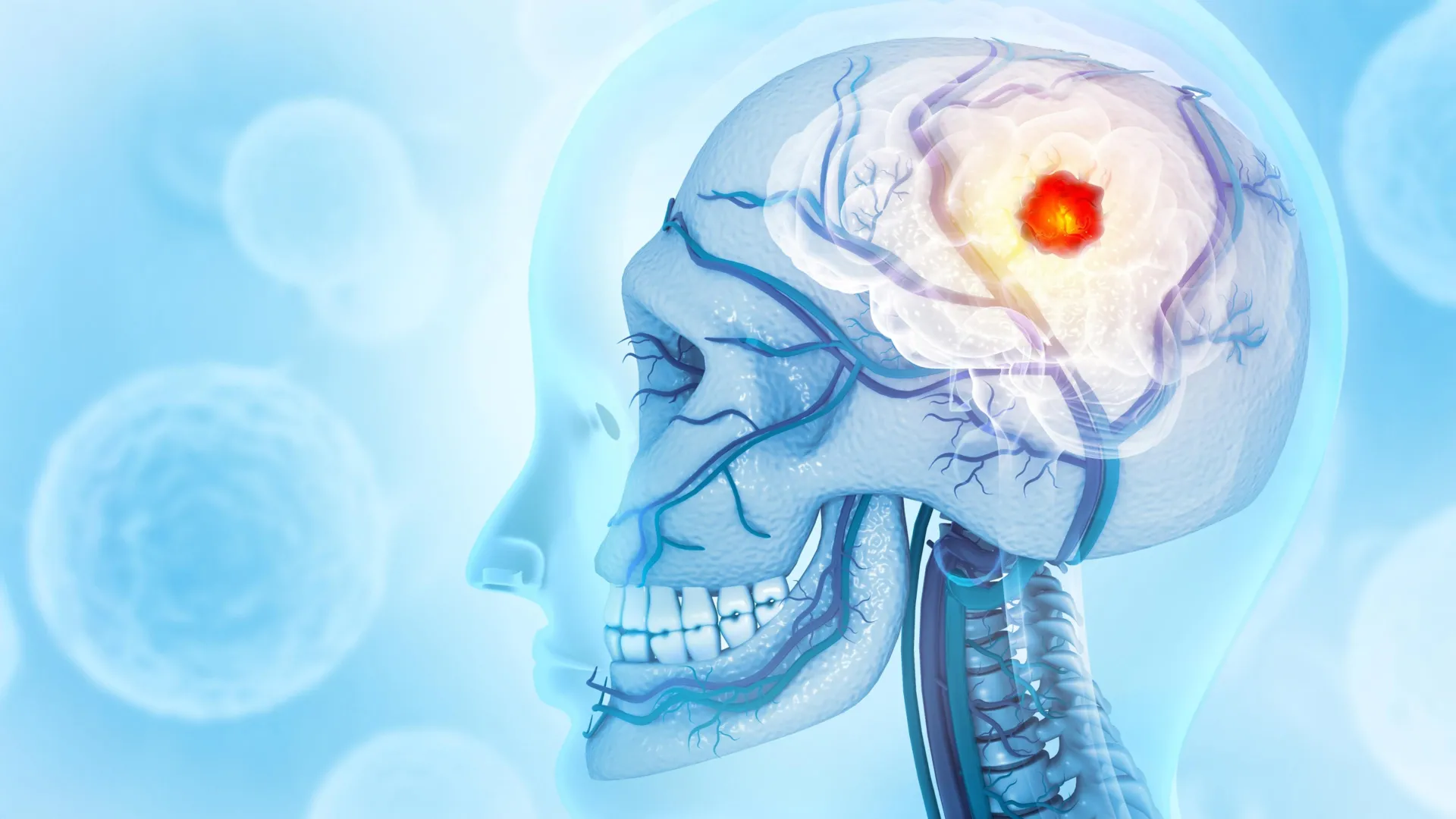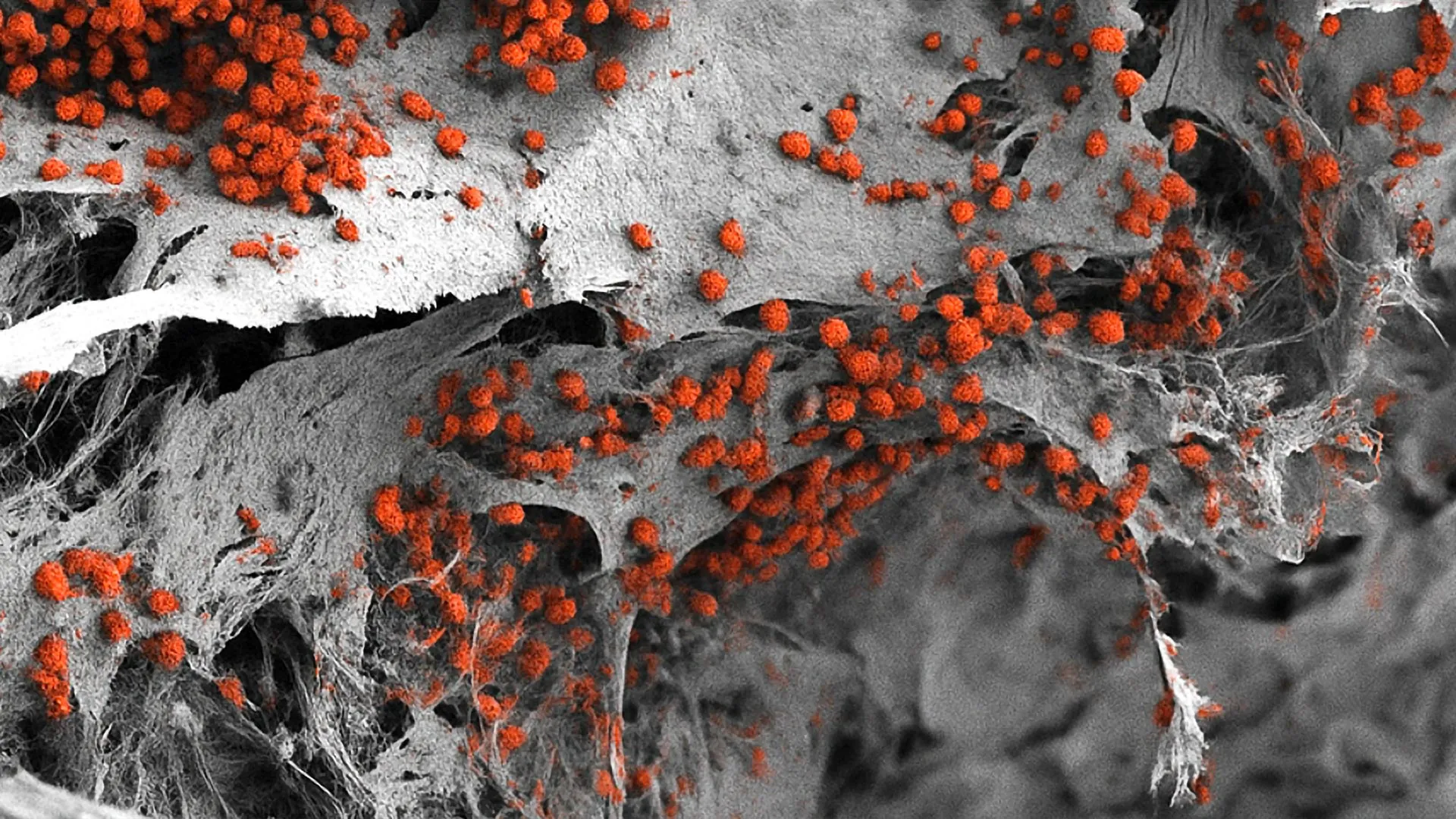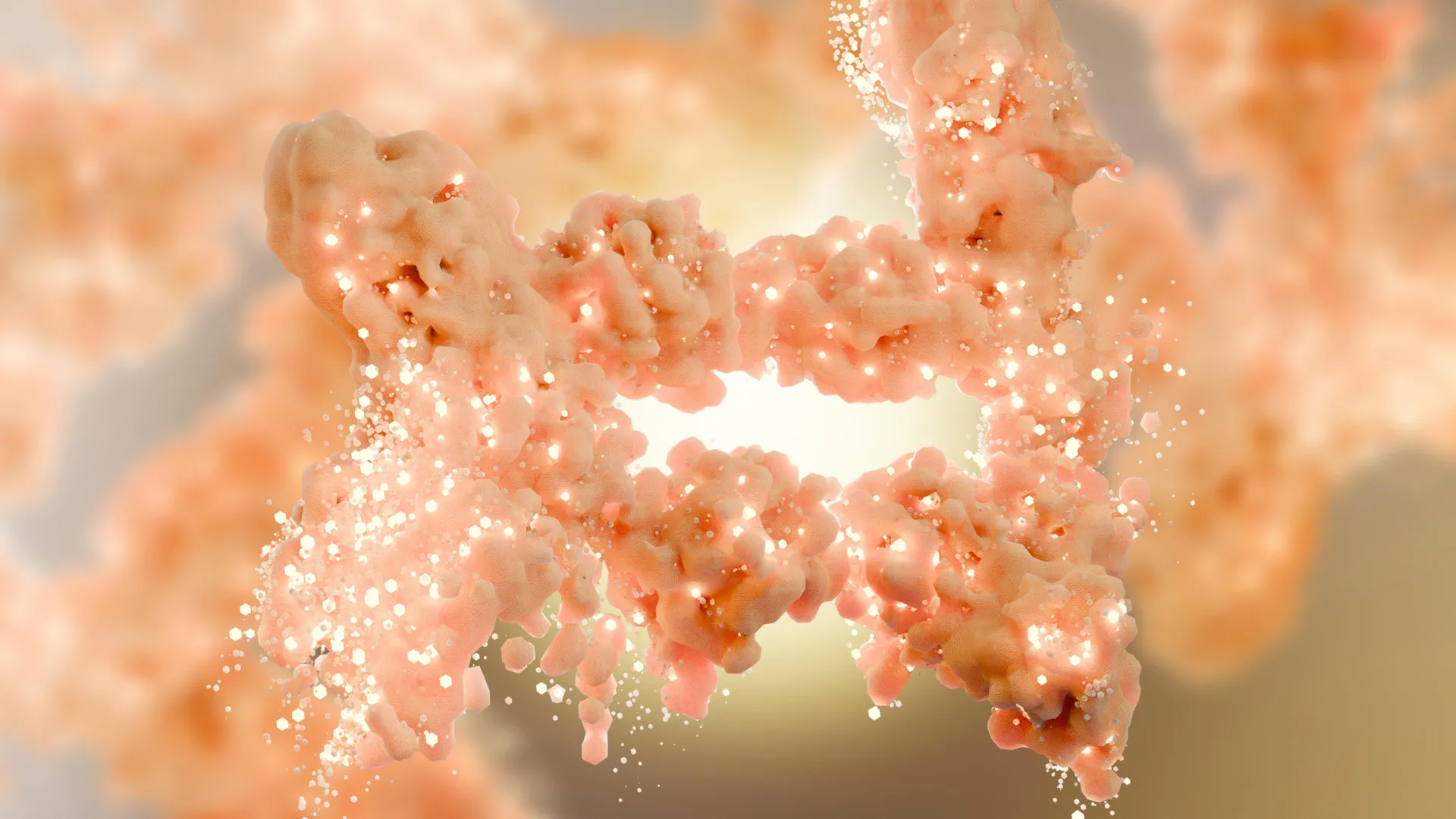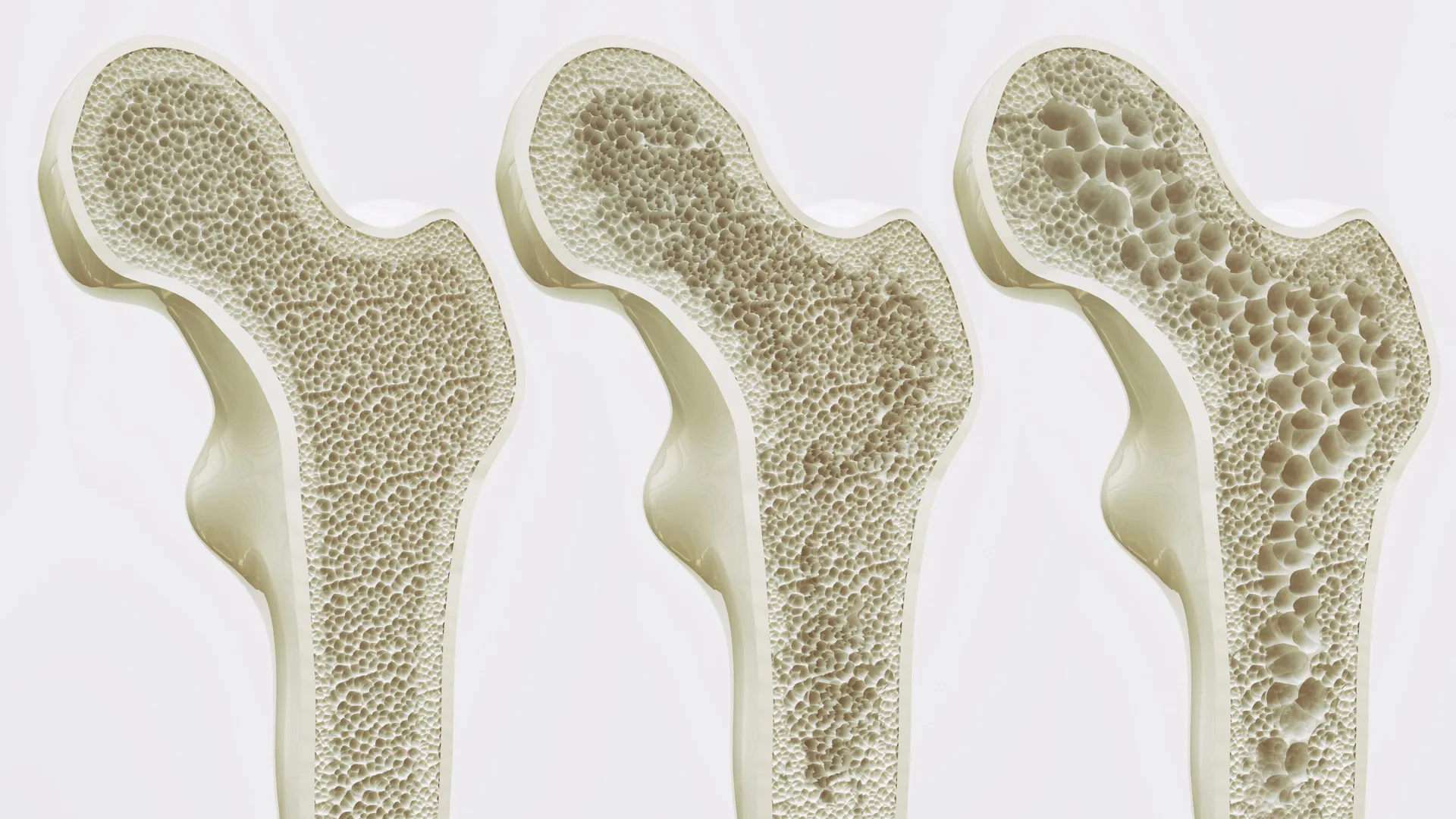
Glioblastomas represent one of the most formidable challenges in modern oncology, remaining largely incurable despite decades of intensive research. These highly aggressive brain tumors are characterized by rapid growth, a high degree of invasiveness, and a notorious resistance to conventional therapies. For patients who have exhausted all standard treatment options—typically involving a combination of surgical resection, radiotherapy, and chemotherapy—the prognosis remains grim, with an average life expectancy often falling below two years. However, a groundbreaking discovery by researchers from the German Cancer Consortium (DKTK) at the West German Tumor Center Essen has unveiled a previously unknown dimension of the body’s immune response to these tumors. The team has identified "islands" of highly potent immune cells residing within the bone marrow of the skull, directly adjacent to the tumor site. This finding suggests that the skullcap, long viewed merely as a protective casing for the brain, serves as a localized staging ground for the immune system’s battle against brain cancer.
The Paradigm Shift: Localized vs. Holistic Immunity
For decades, the prevailing understanding of the human immune system was based on a holistic model. In this view, the body’s defenses function as a centralized network that dispatches immune "troops" from distant organs—such as the spleen, lymph nodes, or general bone marrow—to various sites of infection or malignancy as needed. The discovery made by the Essen-based team, led by Professor Björn Scheffler, fundamentally challenges this established dogma.
According to Scheffler, the data indicates that the immune response to glioblastoma is not merely a systemic effort but is heavily reliant on regional specialized niches. These niches, located in the bone marrow of the skull near the tumor, act as concentrated reservoirs of anti-tumor activity. The researchers found that the body organizes its defense from these proximal locations, suggesting a level of geographical specialization in the immune system that was previously unrecognized in the context of neuro-oncology. This regionalized response appears to be a specific adaptation for confronting glioblastomas, providing a more immediate and potentially more potent defense than systemic immune responses could offer alone.
Methodology and the Transition from Animal Models to Human Tissue
The genesis of this discovery lay in preliminary findings observed during animal experiments. These early studies suggested that the bone marrow in the skull might play a more active role in brain health than previously thought. To validate these findings in humans, the team at Essen embarked on a complex process of establishing new protocols for sampling and analyzing bone marrow tissue from the human skullcap.
Celia Dobersalske, the study’s first author, emphasized the importance of using human tissue samples to confirm these biological mechanisms. The researchers focused their efforts on untreated patients with glioblastoma, ensuring that the immune environments they studied had not yet been altered by heavy rounds of chemotherapy or radiation. By developing specialized methods to extract and analyze these bone marrow niches, the team was able to identify the presence of active lymphoid stem cells. These stem cells are the precursors to various immune cells, and their presence in the skull indicates a local "factory" for the production of the body’s defensive forces.
The Role of CD8+ Cytotoxic T Lymphocytes
The most significant find within these bone marrow islands was the high concentration of mature cytotoxic T lymphocytes, specifically CD8+ cells. These cells are often referred to as the "assassin" cells of the immune system because of their ability to recognize specific antigens on the surface of malignant cells and trigger their destruction.
The research revealed that the CD8+ cells found in the skull’s bone marrow were not just present; they were highly activated. They possessed an increased number of surface receptors responsible for controlling the proliferation of mature T lymphocytes. Furthermore, the researchers utilized advanced genetic sequencing to track cell clones—descendants originating from the same parent cell. They discovered that identical cell clones were present in both the bone marrow niches and the tumor tissue itself. This provided definitive evidence that the immune cells gathered in the skull were actively migrating into the brain to engage the glioblastoma.
Professor Scheffler noted that the activity level of these local CD8+ cells directly correlated with the course of the disease. While the immune system may ultimately lose the battle against such an aggressive tumor, these findings prove that a vigorous local defense is mounted, and its effectiveness influences patient outcomes, at least in the initial stages of the disease.
The Surgical Dilemma: A Conflict of Interest in Treatment
The identification of these immune reservoirs introduces a significant complication for current neurosurgical practices. Standard treatment for glioblastoma almost always begins with a craniotomy—the surgical removal of a portion of the skull to allow the neurosurgeon access to the brain for tumor resection and diagnostic biopsy.
Professor Ulrich Sure, Director of the Department of Neurosurgery at the Essen research team, highlighted the "dilemma" created by these findings. To treat the tumor, surgeons must navigate through the very bone marrow niches that the study has identified as vital to the patient’s natural defense. By opening the skull, surgeons may inadvertently destroy the highly potent immune cells and the "islands" that produce them.
This realization necessitates a re-evaluation of surgical techniques. While tumor removal remains essential for reducing intracranial pressure and providing tissue for diagnosis, the medical community must now consider how to minimize trauma to the surrounding bone marrow. Future surgical strategies may involve more precise approaches designed to preserve as much of the local immune infrastructure as possible, potentially integrating intraoperative imaging or robotic assistance to bypass the most active immune niches.
Revitalizing Immunotherapy and Checkpoint Inhibitors
One of the most promising implications of this discovery involves the use of checkpoint inhibitors. These are a class of immunotherapeutic drugs designed to "take the brakes off" the immune system, allowing T cells to attack cancer cells more effectively. While checkpoint inhibitors have revolutionized the treatment of cancers like melanoma and non-small cell lung cancer, they have historically shown disappointing results in glioblastoma clinical trials.
The Essen study offers a possible explanation for this failure. Previously, it was assumed that the immune system was simply "exhausted" or unable to penetrate the blood-brain barrier in sufficient numbers. However, the discovery of local, "fit" immune cells in the skull bone marrow suggests that the cells are available, but perhaps the drugs are not reaching the right location at the optimal concentration.
Scheffler suggests that instead of focusing solely on systemic delivery, future therapies could be designed to target these regional bone marrow niches. If drugs can be delivered to these specific hubs at the right time, it may boost the local production and activation of T cells, providing the immune system with the reinforcement it needs to gain the upper hand against the tumor. This localized approach to immunotherapy could bypass some of the systemic side effects and limitations that have hindered previous glioblastoma treatments.
Historical Context and Broader Implications
The study, funded by the Wilhelm Sander Foundation and the DKTK Joint Funding Program ‘HematoTrac’, arrives at a time when the field of neuro-immunology is undergoing a massive transformation. For decades, the brain was considered an "immune-privileged" site, separated from the rest of the body’s immune system by the blood-brain barrier. It was only recently that researchers discovered lymphatic vessels in the meninges, the membranes covering the brain, which proved that the brain and the immune system are in constant communication.
The discovery of the skull bone marrow’s role as an immune reservoir is the next major step in this evolution. It suggests that the bones of the skull are not just structural elements but are functional components of the central nervous system’s immune architecture. This could have implications far beyond glioblastoma, potentially affecting how we understand and treat other neurological conditions, such as multiple sclerosis, Alzheimer’s disease, and other forms of primary or metastatic brain tumors.
Chronology of Discovery and Future Research
The timeline of this research reflects a methodical progression from basic science to clinical relevance. Following the initial observations in animal models, the Essen team spent years establishing the human tissue protocols and conducting the detailed cellular analysis required to prove the existence of these immune islands.
Moving forward, the research will likely focus on several key areas:
- Mapping the Skull: Creating a detailed map of where these immune niches are most commonly located in the human skull to help surgeons avoid them.
- Drug Delivery Systems: Developing specialized delivery mechanisms, such as localized implants or targeted nanoparticles, that can concentrate immunotherapy agents within the skull bone marrow.
- Longitudinal Studies: Monitoring how these immune islands change throughout the course of treatment, including after radiation and chemotherapy, to understand how current "gold standard" therapies might be impacting the local immune response.
Conclusion: A New Frontier in Brain Cancer Research
While glioblastoma remains a devastating diagnosis, the discovery of localized immune reservoirs in the skull bone marrow provides a new and tangible target for therapeutic intervention. By shifting the focus from a purely systemic view of the immune system to a more nuanced, regionalized understanding, the researchers at the West German Tumor Center Essen have opened a new frontier in neuro-oncology.
The challenge now lies in translating these biological insights into clinical practice. If medical science can solve the "dilemma" of accessing the brain without destroying its local defenses, and if immunotherapy can be successfully steered toward these skull-based hubs, the outlook for glioblastoma patients may finally begin to improve. This discovery serves as a reminder that even in the most well-studied areas of human anatomy, there are still profound secrets to be uncovered that can change the trajectory of modern medicine.