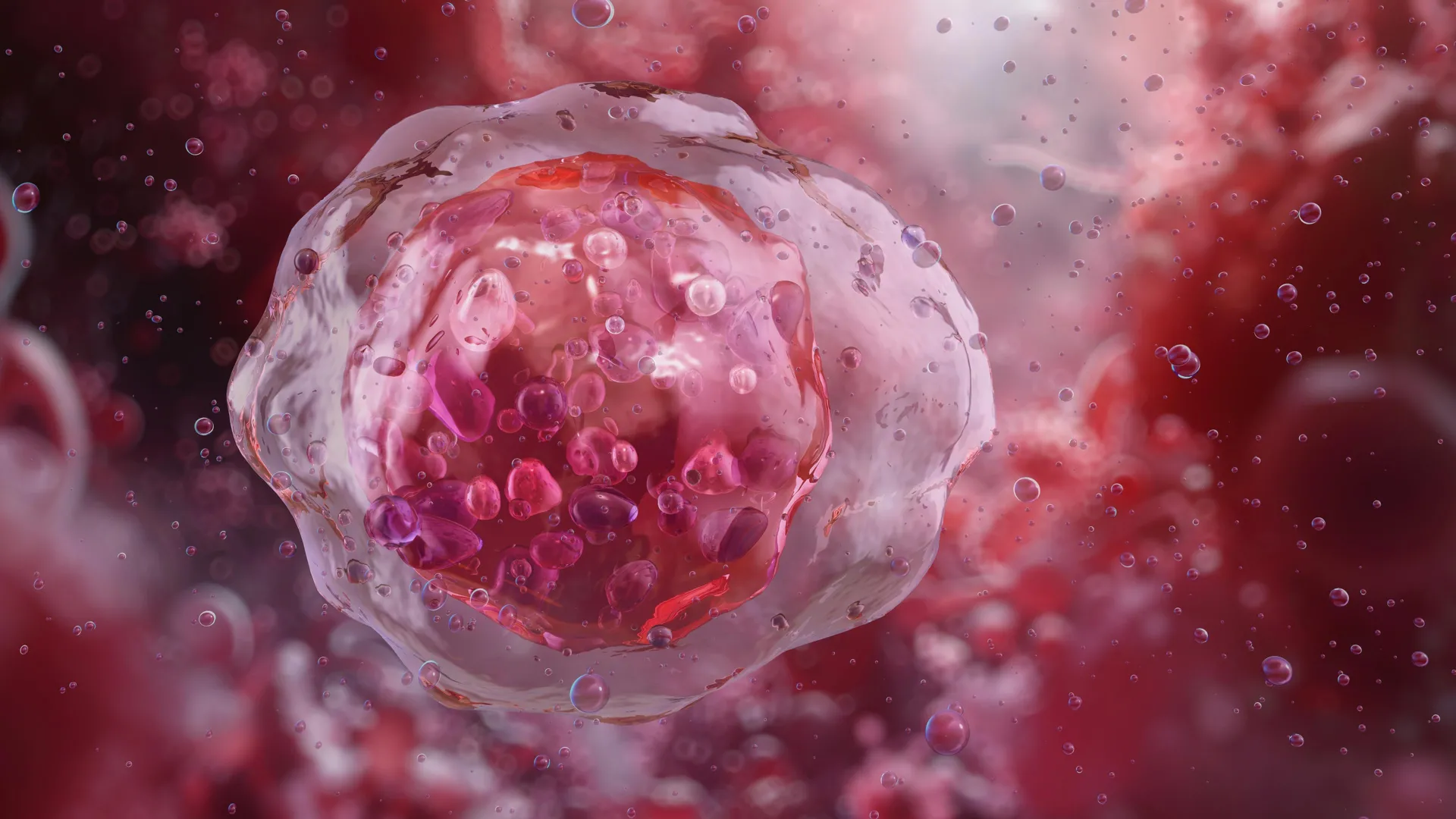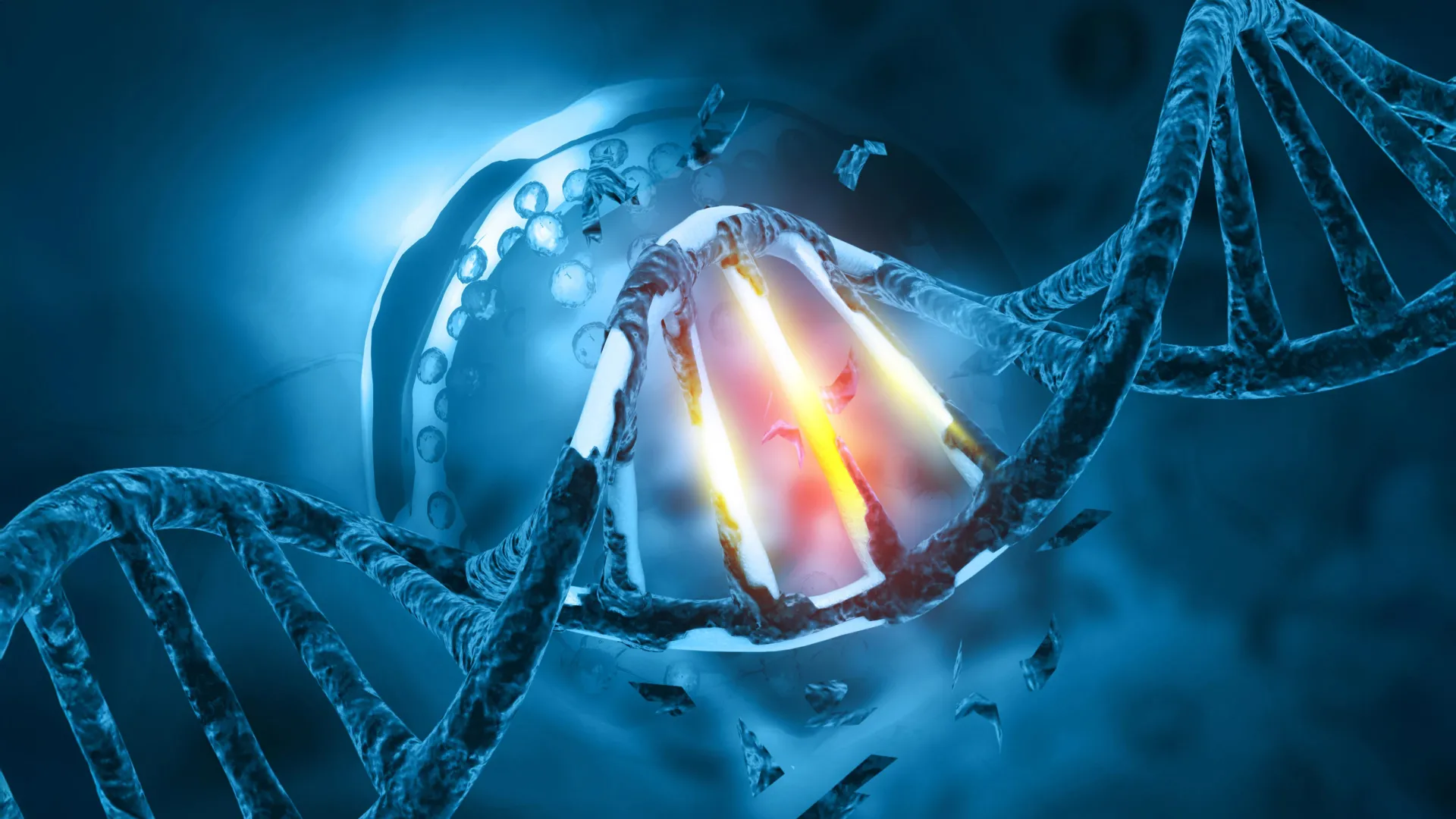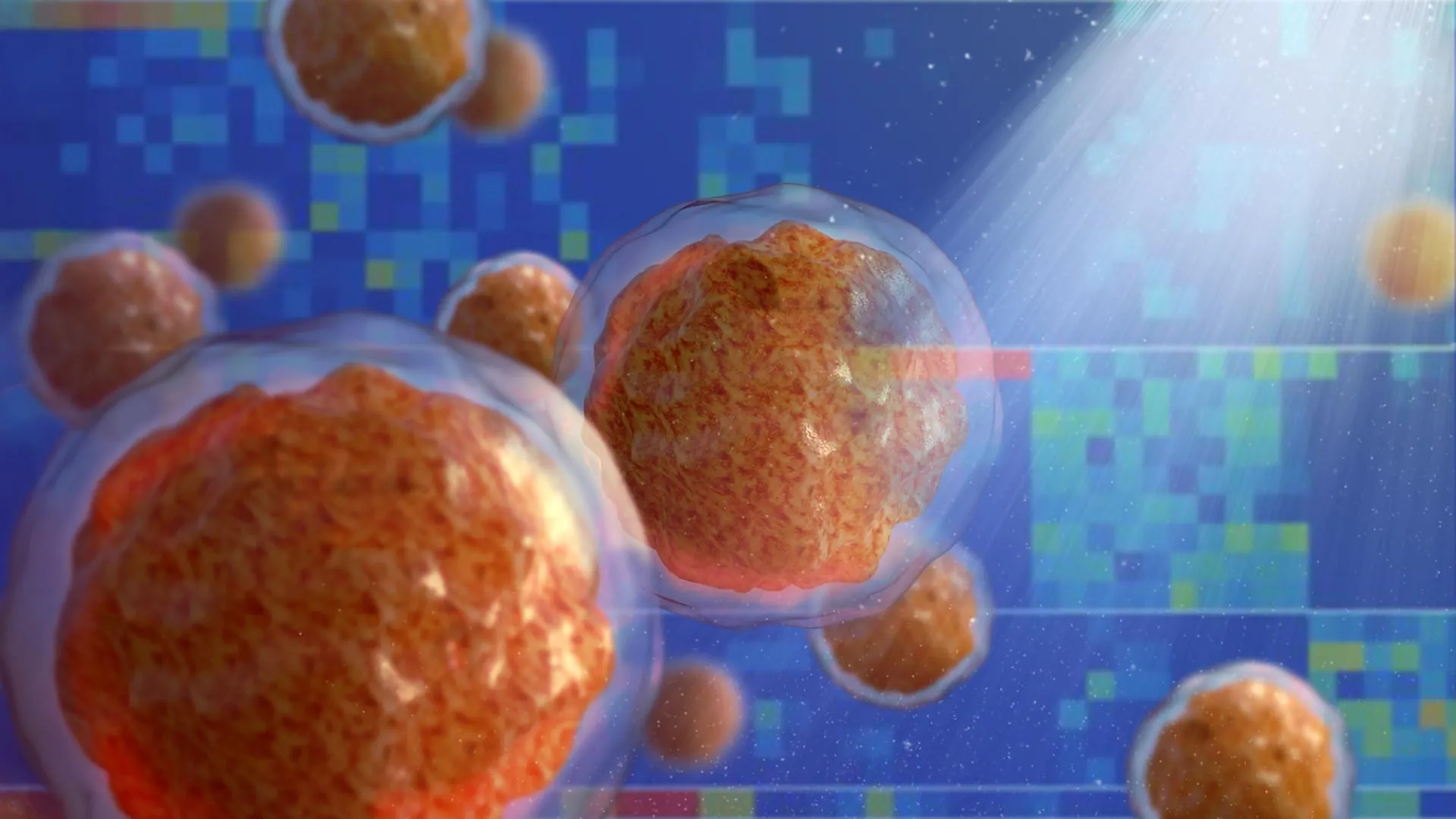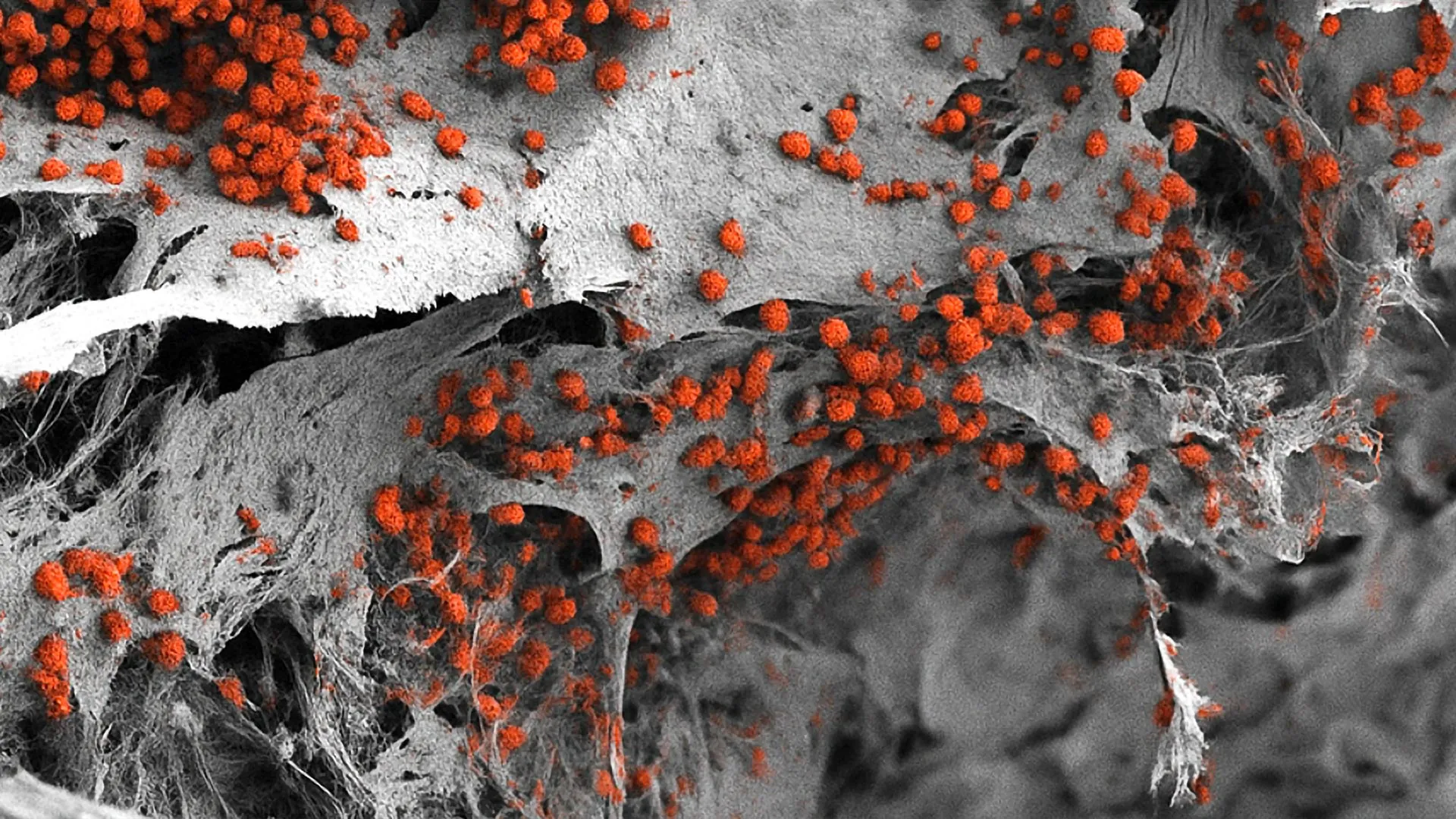
The human bone marrow is a site of frantic, precision-engineered biological activity, responsible for the generation of millions of new blood and immune cells every second of every day. This vital regenerative process relies on a sophisticated ecosystem where hematopoietic stem cells (HSCs) reside within specialized "niches" supported by stromal cells and regulated by a complex web of molecular signals. However, new research indicates that this equilibrium is far more fragile than previously understood. An international study co-led by the European Molecular Biology Laboratory (EMBL), the University of Basel, and University Medical Center (UMC) Mainz has revealed that significant inflammatory remodeling occurs within the bone marrow microenvironment long before the clinical onset of blood cancers. This discovery shifts the scientific focus from the mutated cancer cells themselves to the "soil" in which they grow, offering a new paradigm for early intervention in age-related blood disorders.
The Biological Foundation of Hematopoietic Renewal
To understand the significance of this breakthrough, one must first consider the standard operation of the bone marrow. Hematopoietic stem cells are the precursors to all blood components, including oxygen-carrying red cells, clot-forming platelets, and the diverse array of white blood cells that constitute the immune system. In a healthy individual, these stem cells are nurtured by mesenchymal stromal cells (MSCs), which provide the physical scaffolding and chemical cues necessary for stem cell maintenance and controlled differentiation.
As the body ages, this system is subjected to various stressors. Chronic low-grade inflammation, environmental factors, and the natural accumulation of somatic mutations can begin to erode the integrity of the marrow niche. When specific mutations occur in the HSCs, it can lead to a condition known as clonal hematopoiesis of indeterminate potential (CHIP). In CHIP, a mutated clone of stem cells begins to expand, outcompeting healthy cells. While CHIP itself is asymptomatic, it represents a critical tipping point in hematological health.
Statistical Risks and the Progression to Malignancy
The prevalence of CHIP is strikingly high among the elderly population. Clinical data suggests that approximately 10% to 20% of adults over the age of 60 harbor these clonal expansions, a figure that climbs to nearly 30% for those over 80. While many individuals live with CHIP without ever developing leukemia, the condition is far from benign. Research has established that individuals with CHIP face a tenfold increase in the risk of developing blood cancers. Perhaps more surprisingly, the presence of these clones doubles the likelihood of cardiovascular disease and significantly increases the risk of early death from non-malignant causes.
When CHIP progresses, it often manifests as Myelodysplastic Syndrome (MDS). MDS is a group of disorders characterized by the bone marrow’s inability to produce enough healthy, functioning blood cells. Affecting roughly 20 out of every 100,000 adults over the age of 70, MDS is a "smoldering" malignancy. Approximately 30% of MDS patients will see their condition transform into Acute Myeloid Leukemia (AML), a rapid-onset cancer with high mortality rates. Despite the clear progression from CHIP to MDS to AML, the specific role of the surrounding bone marrow environment in facilitating this transition has, until now, remained a "black box" in hematology.
Mapping the Microenvironment: A Multimodal Approach
To illuminate the changes occurring within the marrow, the research team, led by Professor Judith Zaugg and Dr. Borhane Guezguez, utilized the BoHemE cohort study. This collaboration with the National Center for Tumor Diseases (NCT) Dresden provided a rich repository of human bone marrow samples ranging from healthy donors to those with CHIP and advanced MDS.
The researchers employed a sophisticated suite of technologies to analyze these samples. This included single-cell RNA sequencing (scRNA-seq) to view the genetic activity of individual cells, high-resolution biopsy imaging to map the spatial organization of the marrow, and proteomics to identify the proteins being produced in the niche. By integrating these datasets, the team created the most detailed map to date of the human bone marrow microenvironment during the early stages of disease.
A pivotal tool in this discovery was "SpliceUp," a computational method developed by Maksim Kholmatov and colleagues. SpliceUp allows researchers to distinguish between mutated and non-mutated cells within a single-cell dataset by detecting abnormal RNA-splicing patterns—a hallmark of many MDS-related mutations. This level of granularity allowed the team to observe how the presence of mutated clones correlated with changes in the surrounding non-mutated stromal and immune cells.
The Discovery of Inflammatory Mesenchymal Stromal Cells (iMSCs)
The most striking finding of the study was the identification of a cellular shift that occurs much earlier than previously suspected. In healthy marrow, MSCs perform their supportive roles quietly. However, in individuals with CHIP and MDS, the researchers found that these healthy MSCs are gradually replaced by a specialized population of inflammatory stromal cells, termed iMSCs.
"I was surprised to observe such pronounced remodeling of the bone marrow microenvironment already in individuals with CHIP," noted Professor Judith Zaugg. These iMSCs are not merely passive bystanders; they are active drivers of inflammation. They produce high levels of interferon-induced cytokines and chemokines—molecular "flares" that signal the immune system.
These signals attract and activate a specific subset of T cells that are highly responsive to interferon. Once these T cells enter the marrow, they release further inflammatory signals, creating a self-sustaining "feed-forward" loop. This chronic inflammatory state creates a hostile environment for healthy stem cells while potentially providing a competitive advantage to mutated clones that have adapted to survive in such conditions.
The Failure of the Niche: CXCL12 and Bone Marrow Dysfunction
Beyond the rise of inflammation, the study identified a critical failure in the marrow’s communication network. In a healthy state, stromal cells produce a protein called CXCL12, which acts as a "homing signal" or chemical anchor, telling blood cells to settle and mature within the marrow.
The researchers discovered that in MDS, the interaction between mutated stem cells and the stroma is fundamentally broken. The MDS stem cells appear unable to trigger the necessary CXCL12 production from the stromal cells. Without this signal, the bone marrow loses its structural and functional integrity, leading to the inefficient blood cell production that characterizes the disease. This lack of a "settling signal" helps explain why the bone marrow of MDS patients eventually fails, even before the cells have become fully leukemic.
Timeline of Disease Evolution and "Inflammaging"
The research provides a clearer chronology of how blood diseases evolve over decades. It suggests that the bone marrow microenvironment is not just a victim of cancer but an active participant in its development. This process is closely linked to the broader concept of "inflammaging"—the systemic, low-grade chronic inflammation that accompanies human aging.
Historically, the bone marrow was viewed primarily as a factory for blood production. These findings suggest it is also a central hub for systemic inflammatory aging. The inflammatory changes observed in the marrow likely contribute to the systemic inflammation that drives other age-related conditions, such as atherosclerosis and metabolic syndrome. This explains why CHIP is a risk factor for heart disease: the inflammatory signals generated in the bone marrow do not stay there; they enter the general circulation, damaging blood vessels throughout the body.
Implications for Future Therapies and Preventive Medicine
The identification of iMSCs and interferon-responsive T cells as early drivers of disease opens significant new avenues for treatment. Current therapies for MDS and AML often focus on eradicating the malignant clones through chemotherapy or targeted inhibitors. However, if the underlying bone marrow "soil" remains inflammatory and damaged, the risk of relapse or transplant failure remains high.
The study suggests that anti-inflammatory drugs or therapies specifically targeting interferon signaling could be used as a preventive measure. For an older adult diagnosed with CHIP, such treatments could potentially stabilize the bone marrow niche, preserving healthy blood formation and preventing the transition to MDS. Furthermore, the specific molecular signatures of iMSCs could serve as biomarkers, allowing clinicians to identify which individuals with CHIP are at the highest risk of progression.
Dr. Borhane Guezguez emphasized the importance of this shift toward prevention: "As advances in molecular profiling allow us to detect pre-leukemic states years before clinical onset, understanding how stromal and immune cells interact provides a foundation for preventive therapies that intercept disease progression before leukemia develops."
Unresolved Questions and the "Memory" of the Niche
While the study marks a milestone in hematological research, it also raises new questions that the team is currently investigating. One of the most pressing issues is whether the bone marrow niche retains a "memory" of the disease.
In cases where patients undergo a bone marrow transplant, the malignant cells are replaced with healthy donor stem cells. However, if the recipient’s bone marrow microenvironment has been permanently remodeled into an inflammatory state, the new, healthy cells may not be able to function correctly. Professor Zaugg noted that investigating this "niche memory" is crucial for improving the success rates of transplant therapies.
The findings were published in Nature Communications, alongside a complementary study led by Marc Raaijmakers of the Erasmus MC Cancer Institute. Together, these studies provide a comprehensive view of the early inflammatory remodeling of the bone marrow, confirming that the microenvironment is a vital, yet previously overlooked, frontier in the fight against age-related blood cancers. By shifting the focus from the mutated cell to the entire ecosystem, science moves one step closer to turning a fatal progression into a manageable, or even preventable, condition.