Biotechnology innovator INmune Bio has entered into a landmark strategic partnership with Quantum Computing Inc. (QCi), marking QCi’s first-ever commercial contract within the global pharmaceutical and biotechnology sectors. The collaboration brings together cutting-edge quantum computing, artificial intelligence, and sophisticated data analytics to explore and identify novel clinical indications for INmune Bio’s flagship investigational asset, XPro (XPro1595). By marrying extensive clinical trial data with advanced quantum mechanical optimization hardware, the two companies aim to revolutionize how biomedical researchers decode complex human diseases, starting with conditions that share the underlying inflammatory pathways targeted by XPro.
The alliance represents a significant convergence of two distinct, rapidly evolving fields: clinical immunology and enterprise quantum computing. As pharmaceutical companies increasingly look toward big data, machine learning, and advanced computational models to reduce the time and capital required to bring therapies to market, this partnership serves as a high-profile test case for the practical application of room-temperature quantum optimization machines in drug development.
Unlocking New Therapeutic Horizons Through Quantum Optimization
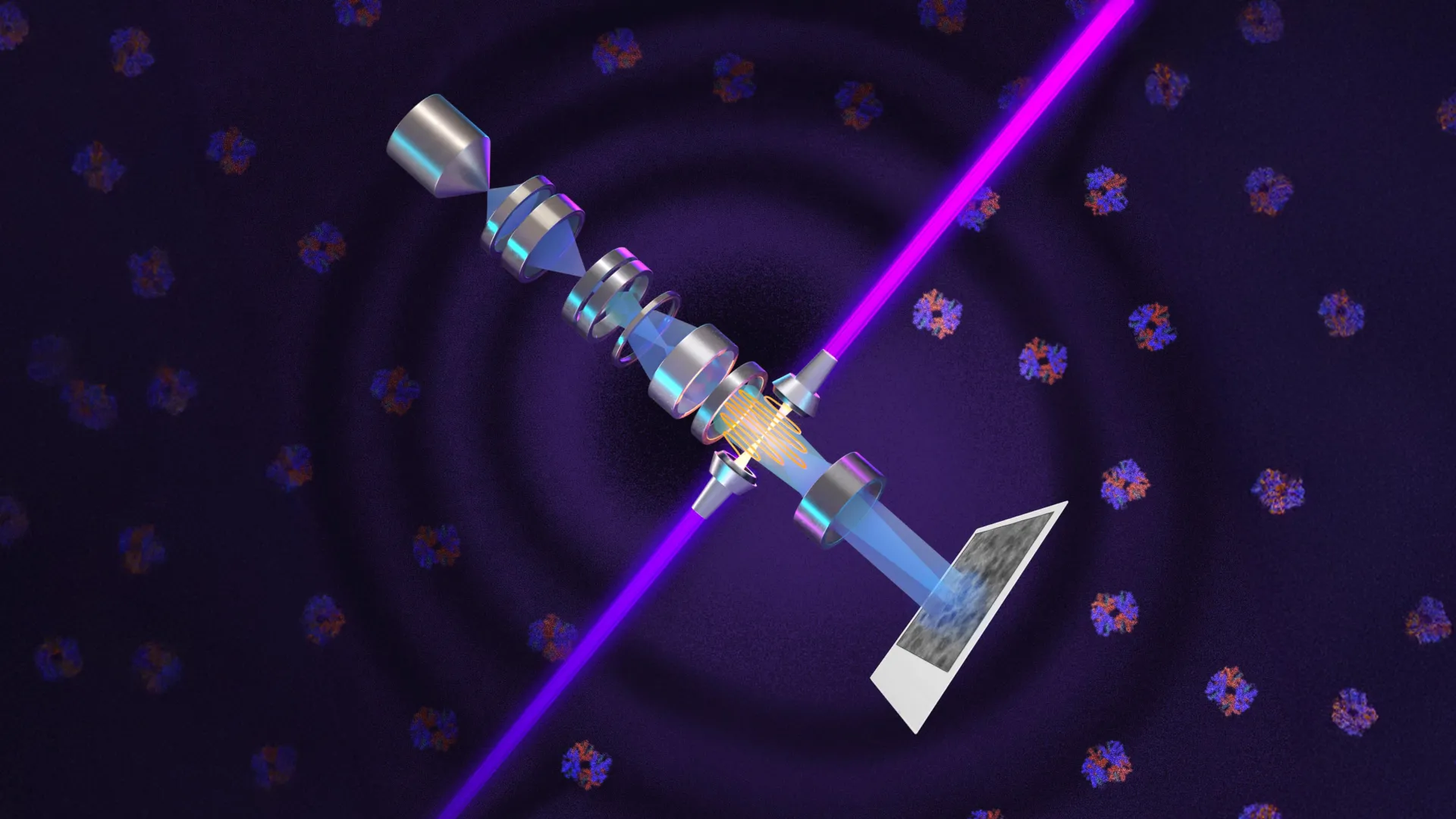
At the core of this joint initiative is the integration of INmune Bio’s robust pre-clinical data and findings from four comprehensive clinical trials with QCi’s proprietary Dirac-3S entropy quantum optimization machine. Unlike traditional quantum computing hardware that demands extreme, cryogenic temperatures and complex, energy-intensive cooling infrastructures, the Dirac-3S operates efficiently at room temperature while consuming minimal power. This operational accessibility makes it uniquely suited for deployment alongside conventional pharmaceutical research pipelines.
During the initial phase of the agreement, multi-disciplinary research teams will dive deep into vast clinical repositories and publicly accessible biomedical datasets. Their primary objective is to pinpoint secondary indications—diseases and medical conditions that share the specific biological mechanisms and neuroinflammatory signatures addressed by XPro. By deploying QCi’s quantum algorithms alongside standard statistical and machine-learning tools, the collaborators intend to rigorously benchmark computational methodologies. This benchmarking process will determine which analytical models perform best at various stages of biomarker evaluation, ultimately laying the groundwork for a repeatable, highly scalable drug discovery model.
Strategic Focus on Rare Diseases and Accelerated Regulatory Pathways
INmune Bio’s leadership views the collaboration as a vital catalyst for expanding the clinical utility of XPro beyond its current primary focus on Alzheimer’s disease. David Moss, Chief Executive Officer of INmune Bio, emphasized the strategic rationale behind utilizing quantum data analytics to comb through large patient populations and biomarker profiles.
"We’ve built a large clinical dataset on Alzheimer’s and other diseases, backed by years of work with XPro," Moss stated. "This collaboration allows us to examine patient populations and biomarkers most likely to predict responses by analysing large data sets. We’ll look for the diseases with the greatest potential for success, those whose human biology matches what we’ve already seen XPro do, starting with rare diseases where trials can be smaller, faster and more capital-efficient, and where qualifying paediatric approvals may earn a Priority Review Voucher."
By targeting rare disorders where patient cohorts are smaller and clinical trials can be executed with greater capital efficiency, INmune Bio hopes to fast-track alternative applications for XPro. Furthermore, the prospect of securing pediatric approvals that yield valuable Priority Review Vouchers adds a compelling commercial incentive to the computational search.
Mechanism of Action and Current Clinical Standing of XPro
To understand the scope of the data being fed into QCi’s Dirac-3S machine, it is necessary to examine the unique pharmacological profile of XPro. Engineered as a next-generation therapeutic biologic, XPro is designed to selectively neutralize soluble tumour necrosis factor (sTNF), a key driver of chronic inflammation in the central nervous system.

Unlike traditional anti-TNF therapies that block both soluble and transmembrane forms of TNF—thereby impairing essential immune defense mechanisms and leading to severe systemic side effects—XPro specifically targets the soluble variant. This precise mechanism reduces destructive neuroinflammation while actively preserving the protective immune responses mediated by transmembrane TNF.
The clinical development program for XPro has achieved several notable regulatory milestones. The drug holds Fast Track Designation from the US Food and Drug Administration (FDA), an acknowledgment of its potential to address serious unmet medical needs in neurodegenerative disorders. Following the successful completion of an End-of-Phase II regulatory meeting with the agency, INmune Bio is actively positioning XPro for an integrated Phase IIb/III clinical trial designed to evaluate its efficacy in patients suffering from early-stage Alzheimer’s disease.
Expanding Pipelines: The CORDStrom Platform
While XPro remains the centerpiece of INmune Bio’s neurological and immunological pipeline, the company is concurrently advancing other innovative therapeutic platforms. Among these is CORDStrom, a proprietary mesenchymal stromal cell platform specifically developed to address recessive dystrophic epidermolysis bullosa, a severe and debilitating genetic skin blistering condition.
INmune Bio has established a clear, multi-jurisdictional regulatory filing timeline for CORDStrom. Submissions are officially scheduled to begin with the UK Medicines and Healthcare products Regulatory Agency (MHRA) in 2026, followed by the European Medicines Agency (EMA) in 2027, and subsequent filings with the US FDA. This parallel development of both small-molecule and cell-based therapies underscores INmune Bio’s broader corporate strategy to diversify its clinical portfolio while leveraging advanced analytical tools across all programs.
The Chronology of the Partnership and Future Options
The formalization of the INmune Bio-QCi contract represents the culmination of exploratory discussions regarding the intersection of clinical immunology and high-performance quantum computing. While the initial agreement focuses strictly on data harmonization, dataset analysis, and indicator identification, the contract has been structured with built-in flexibility.
As INmune Bio’s clinical programs progress and the utility of the Dirac-3S machine is validated against standard computational benchmarks, the agreement includes formal options for expanded collaborative work. Should the quantum-driven biomarker analysis successfully identify viable new indications—particularly within rare pediatric or neuroinflammatory disease spaces—the scope of the partnership is expected to widen, potentially encompassing joint protocol design and predictive patient stratification for upcoming clinical trials.
Implications for the Pharmaceutical and Quantum Computing Sectors
The commercial pact between INmune Bio and QCi carries significant implications for the broader life sciences and technology industries. For the biotechnology sector, the partnership serves as a real-world test of whether room-temperature quantum optimization can genuinely outperform classical computing architectures in solving complex biological puzzles. If the collaboration successfully identifies viable new disease indications for XPro faster and more accurately than conventional bioinformatics methods, it could trigger a wave of similar cross-industry alliances.
For the quantum computing industry, securing a foothold in Big Pharma has long been viewed as a critical validation milestone. Quantum hardware developers have frequently faced skepticism regarding the commercial practicality, cost, and operational complexity of their systems. By demonstrating that the Dirac-3S machine can operate effectively at room temperature and low power while delivering actionable insights on complex human clinical datasets, QCi has established a valuable commercial blueprint for the integration of quantum technology into commercial drug development pipelines.
As research teams from both companies commence their data analyses, the scientific community will be watching closely. The success of this collaboration could redefine the speed, cost-effectiveness, and precision of modern drug repurposing and biomarker discovery, opening new pathways for treating some of the most complex immunological and neurological diseases known to modern medicine.