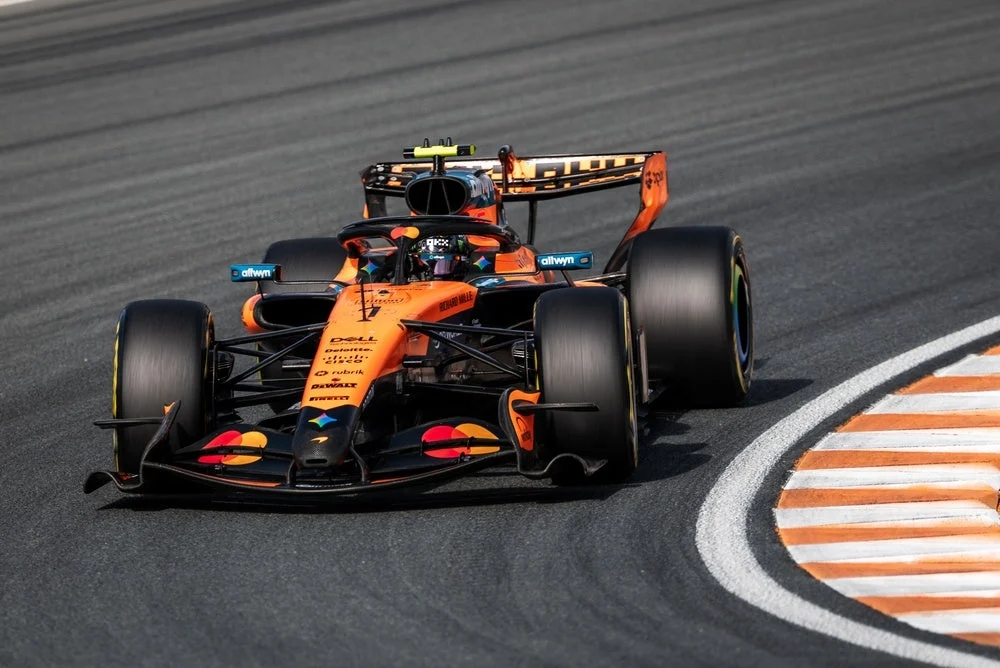
Biopharmaceutical giant AbbVie has formally accelerated its strategic push into global sports marketing by announcing a multi-year partnership with the McLaren Mastercard Formula 1 team. The collaboration, officially dubbed the "Race to Innovate," launches on track at the United States Grand Prix in Austin, Texas. This alliance represents a transformative moment in corporate sponsorships, bridging the seemingly disparate worlds of cutting-edge biopharmaceutical research and high-performance motorsport engineering. By aligning its corporate brand with one of the most visible and technologically advanced racing stables in the world, AbbVie is breaking conventional pharmaceutical marketing molds, swapping traditional medical journal advertising for the roaring engines and global reach of Formula 1.
The partnership is built on shared foundational pillars: precision engineering, relentless technological iteration, and a dedication to pushing the limits of what is physically and scientifically possible. While sports sponsorships have long been dominated by financial institutions, automotive brands, and consumer technology companies, the entry of major pharmaceutical corporations into elite athletics signals a paradigm shift. As marketing executives navigate changing regulatory landscapes and evolving consumer consumption habits, companies like AbbVie are turning to sports platforms to humanize their brands, drive meaningful philanthropic engagement, and establish a commanding international footprint.
Anatomy of the "Race to Innovate" Initiative
At the core of AbbVie and McLaren’s collaborative framework is a philanthropic mechanism designed to raise awareness for immune-mediated diseases. Under the terms of the multi-year agreement, AbbVie has pledged to donate $10,000 to global patient advocacy organizations and charities for every ten constructors’ championship points earned by McLaren during the Formula 1 season. This performance-based giving model directly ties the racing team’s on-track success to tangible social impact, creating a unique narrative that resonates with race fans and patients alike.
To put this financial commitment into perspective, McLaren secured the constructors’ championship in a fiercely competitive 2025 season, accumulating an impressive 833 points over the course of the calendar. If the team maintains a comparable level of performance, the financial contributions generated through the "Race to Innovate" campaign will yield substantial funding for non-profit entities dedicated to supporting individuals living with complex, chronic conditions.
The $10,000-per-ten-points threshold was intentionally chosen to symbolize the approximately 10% of the global population impacted by various autoimmune and immune-mediated diseases. These conditions encompass a broad spectrum of debilitating illnesses, including rheumatoid arthritis, celiac disease, inflammatory bowel disease, and multiple sclerosis. By integrating this messaging into the high-octane environment of Formula 1, AbbVie is leveraging a global television and digital audience numbering in the hundreds of millions to bring visibility to communities that are frequently underrepresented in mainstream media narratives.
Chronology of AbbVie’s Aggressive Athletic Expansion
AbbVie’s high-profile entry into the McLaren garage is not an isolated marketing experiment; rather, it represents the culmination of a deliberate, aggressive corporate strategy executed throughout the calendar year to embed the pharmaceutical brand into the fabric of major professional sports.
The biopharmaceutical titan’s aggressive sports marketing playbook began taking shape in March, when AbbVie inked an official partnership with Major League Baseball (MLB). That spring agreement focused heavily on oncology and cancer research advocacy. Under the terms of the MLB initiative, AbbVie committed to donating $20 for every strikeout pitched during the season, capping the total annual contribution at $1m. This campaign successfully engaged baseball fans while funding vital cancer support networks across the United States.
Building on the momentum of its baseball campaign, AbbVie expanded its sports portfolio in September by securing a landmark partnership on the prestigious PGA Tour. This autumn agreement shifted its therapeutic focus toward brain health and neurological research. Aligning with the sport’s scoring vernacular, the PGA Tour partnership integrated philanthropic donations tied directly to "birdies"—scores of one stroke under par. Through this initiative, every successful golf shot became an opportunity to raise funds and awareness for neurological care and patient advocacy.
The culmination of these sequential athletic partnerships arrived this weekend at the Circuit of the Americas in Austin, Texas, where the McLaren F1 cars proudly display AbbVie branding for the first time. The current activation serves as a pilot phase, setting the stage for a full-season integration planned for 2027. Throughout the 2027 Formula 1 championship, the "Race to Innovate" initiative will run uninterrupted across all global Grands Prix, accompanied by targeted educational campaigns, fan engagement zones, and community outreach programs centered on immune-mediated disease awareness.
Industry Perspectives and the Global Sports Synergy
The convergence of biopharma and professional sports has attracted significant attention from market analysts and sports business experts. Conrad Wiacek, head of sports analysis at data analytics firm GlobalData, notes that while pharmaceutical sponsorships are relatively common within North American sports leagues due to the unique structure of the US healthcare market, entering the Formula 1 ecosystem provides an entirely different scale of international exposure.
"The deal between McLaren and AbbVie highlights another pharma company entering into sports sponsorship," Wiacek explains. "While pharma deals are prevalent across US sports in particular given the nature of the healthcare industry in the US, with multiple deals already in place across different sports, entering into an F1 partnership gives AbbVie a global footprint."
Furthermore, Wiacek emphasizes that the strategic rationale extends far beyond simple brand recognition. The psychological and operational overlap between elite motorsport and modern drug development creates a compelling marketing narrative that consumers can easily digest.

"There is synergy between F1 and pharma, with technological innovation at the forefront of both industries, so being able to lean on this narrative for this partnership will be a crucial component of this deal," Wiacek adds.
Executives from both organizations have echoed these sentiments, emphasizing that the partnership is rooted in parallel organizational philosophies. Matt Dennington, co-chief commercial officer at McLaren Racing, highlighted the shared ambitions of the two enterprises during the announcement.
"This partnership brings together two organisations that share a relentless pursuit of progress, whether that’s pushing the limits of performance on track or advancing life-changing science off it," Dennington stated.
Zak Brown, CEO of McLaren Racing, reinforced this perspective, pointing out the underlying cultural alignment that makes the collaboration work.
"At first glance, medicine and motorsport may seem like different worlds, but we’re united by a shared commitment to driving innovation," Brown observed.
A Broader Pharmaceutical Trend: Big Pharma Takes to the Global Stage
AbbVie is far from the sole pharmaceutical innovator to recognize the marketing power of elite sports leagues. The broader biopharmaceutical sector has systematically increased its presence across global athletic platforms, transforming stadiums, racetracks, and tournament fields into canvases for corporate identity and health awareness.
During the recent FIFA World Cup—hosted jointly across the United States, Mexico, and Canada—industry giants including Amgen, Sanofi, and Bristol Myers Squibb (BMS) executed massive marketing campaigns through host-city partnerships and televised advertising initiatives. These activations allowed drug developers to connect with billions of viewers worldwide without violating strict international advertising guidelines.
Other notable alignments span multiple sports codes. Novartis made history by becoming the National Football League’s (NFL) inaugural pharmaceutical partner, integrating health literacy messaging into America’s most-watched professional sport. Meanwhile, pharmaceutical heavyweight Eli Lilly forged a high-profile partnership with the United States Olympic and Paralympic teams, aligning its brand with elite athletic excellence ahead of international competition cycles. In cycling, Sanofi has established a prominent, long-standing partnership with the Tour de France, capitalizing on the race’s grueling multi-week endurance narrative to promote health and wellness initiatives.
Regulatory Realities and the Commercial Landscape
The surge in sports sponsorships by pharmaceutical companies occurs against a complex global regulatory backdrop. Direct-to-consumer (DTC) advertising of prescription pharmaceutical products remains tightly restricted worldwide. In fact, the United States and New Zealand are the only two nations globally that legally permit the direct advertising of prescription drugs to general consumers on television, radio, and digital media.
Although regulatory scrutiny and legislative debates frequently challenge DTC advertising practices—with periods of tightening oversight occurring under various political administrations—it remains a cornerstone of commercial strategy for pharmaceutical companies operating within the US market. Beyond traditional media spots, the utilization of high-profile celebrity ambassadors has similarly become a ubiquitous tactic in healthcare marketing, designed to build trust and educate patients on complex medical conditions.
However, sports sponsorships bypass many of the restrictive product-specific hurdles that govern traditional pharmaceutical advertising. By focusing on corporate brand positioning, technological innovation, and disease-state awareness rather than promoting specific medications or branded compounds, drugmakers can legally and effectively engage audiences on a global scale. These partnerships allow corporations to project an image of corporate citizenship, scientific leadership, and humanitarian dedication.
Implications for the Future of Brand Partnerships
As the boundary lines separating commercial enterprise, sports entertainment, and healthcare advocacy continue to blur, the AbbVie-McLaren alliance offers a clear blueprint for future collaborations. By transforming championship points into charitable donations, AbbVie has demonstrated that corporate sponsorship can transcend passive brand visibility to generate measurable social good.
Looking ahead toward the full-scale rollout of the "Race to Innovate" campaign in the upcoming seasons, the success of this partnership will likely serve as a litmus test for other pharmaceutical enterprises weighing investments in international sports. If AbbVie successfully harnesses the global reach of Formula 1 to elevate awareness for immune-mediated diseases while strengthening its corporate reputation, the paddock may soon see an influx of additional life-sciences brands eager to compete for podium finishes both on and off the racetrack.