Researchers from a consortium of international institutions have made a significant breakthrough in understanding the complex life cycle of the malaria parasite, Plasmodium. Their groundbreaking work, published in the prestigious journal Nature Communications, has identified a specialized protein, Aurora-related kinase 1 (ARK1), that is indispensable for the parasite’s survival and its ability to transmit between hosts. This discovery represents a pivotal moment, potentially paving the way for the development of novel and highly targeted antimalarial drugs.
The Discovery of Aurora-Related Kinase 1 (ARK1)
The collaborative study, involving scientists from the University of Nottingham, the National Institute of Immunology (NII) in India, the University of Groningen in the Netherlands, and the Francis Crick Institute, among others, has illuminated the intricate mechanisms by which the malaria parasite, Plasmodium, grows and divides. At the heart of this discovery lies ARK1, a molecule that researchers have characterized as a critical "cellular traffic controller" during the parasite’s unique reproductive processes.
The Devastating Impact of Malaria: A Global Health Crisis
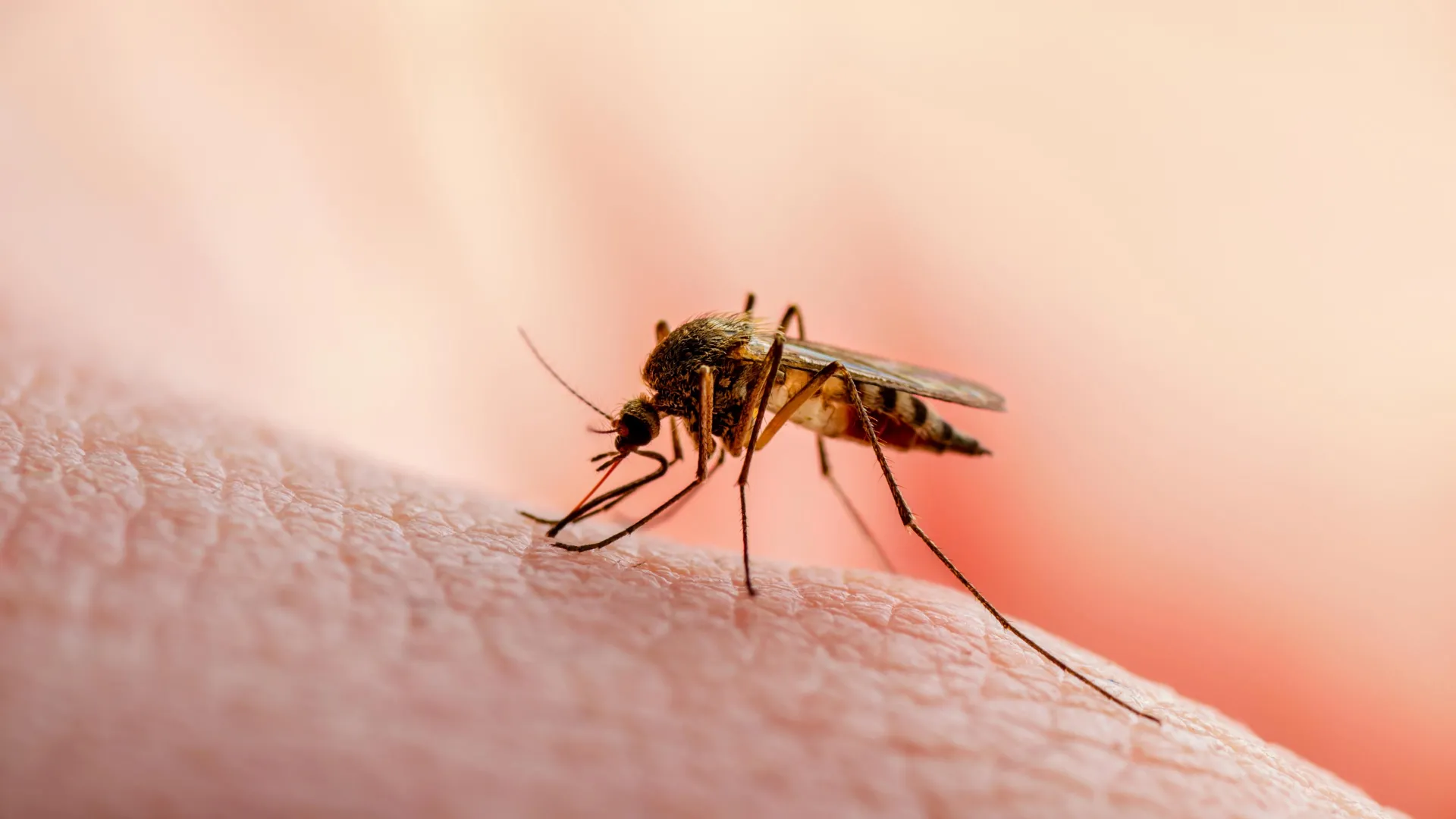
Malaria continues to be one of the most formidable infectious diseases globally, posing a severe threat to public health, particularly in tropical and subtropical regions. The World Health Organization (WHO) estimates that in 2022, there were 249 million cases of malaria, resulting in 608,000 deaths. The vast majority of these cases and deaths occurred in the WHO African Region, with children under five years of age being the most vulnerable. The disease is caused by Plasmodium parasites, transmitted to humans through the bites of infected female Anopheles mosquitoes. The rapid multiplication of these parasites within both human hosts and mosquito vectors underscores the urgent need for effective interventions to break the transmission cycle. Understanding the fundamental biological processes that enable this multiplication is therefore paramount in the fight against malaria.
Unraveling the Parasite’s Unique Division Mechanism
The malaria parasite’s method of growth and division is remarkably different from that of human cells. While human cells typically undergo a highly regulated process of mitosis, Plasmodium parasites employ a more complex and less understood form of asexual reproduction known as endodyogeny or schizogony, where multiple daughter parasites develop within a single parent cell before its rupture. The researchers’ findings reveal that ARK1 plays a central and indispensable role in organizing the parasite’s spindle apparatus. The spindle is a crucial cellular structure responsible for segregating the replicated genetic material (chromosomes) into daughter cells, a prerequisite for successful division and the formation of new, viable parasite individuals.
Disabling ARK1 Halts Parasite Development and Transmission
In a series of controlled laboratory experiments, the scientific team systematically disabled the ARK1 protein in Plasmodium parasites. The results were striking and definitive: parasite development was rapidly and completely disrupted. Without functional ARK1, the parasites were unable to assemble the necessary spindle structures. This failure to form proper spindles directly prevented them from dividing correctly, leading to an inability to complete their life cycle. Consequently, the parasites could not mature within the human host, nor could they develop effectively within the mosquito vector. This critical blockade effectively halts the chain of transmission, preventing the parasite from spreading to new hosts.
Dr. Ryuji Yanase, the first author of the study from the School of Life Sciences at the University of Nottingham, aptly described the significance of their findings. "The name ‘Aurora’ refers to the Roman goddess of dawn, and we believe this protein truly heralds a new beginning in our understanding of malaria cell biology," Dr. Yanase stated. This sentiment reflects the profound implications of identifying a key vulnerability in the parasite’s essential machinery.
A Collaborative, Multi-Host Investigation
The complex life cycle of the malaria parasite, which necessitates its passage through distinct developmental stages in both human and mosquito hosts, demands a highly coordinated and collaborative research effort. This international undertaking was no exception, showcasing the power of interdisciplinary and cross-institutional cooperation.
Annu Nagar and Dr. Pushkar Sharma from the Biotechnology Research and Innovation Council (BRIC)-NII, New Delhi, emphasized the team-based nature of the discovery. " Plasmodium divides via distinct processes in the human and mosquito host; it was well and truly a team effort, which allowed us to appreciate the role of ARK1 almost simultaneously in the two hosts and shed light on novel aspects of parasite biology," they commented. This simultaneous investigation across different host environments was crucial for a comprehensive understanding of ARK1’s function and its necessity at various stages of the parasite’s existence.
A Promising Therapeutic Target: Exploiting Host-Parasite Differences
A particularly encouraging aspect of this discovery is the significant divergence between the ARK1 protein in the malaria parasite and its human cellular counterparts. This genetic and structural distinction is a critical advantage in the pursuit of drug development.
Professor Tewari, a key collaborator in the study, elaborated on this point: "What makes this discovery so exciting is that the malaria parasite’s ‘Aurora’ complex is very different from the version found in human cells. This divergence is a huge advantage. It means we can potentially design drugs that target the parasite’s ARK1 specifically, turning the lights out on malaria without harming the patient."
The ability to develop drugs that selectively target parasitic processes while sparing human cells is the holy grail of antimicrobial and antiparasitic drug design. The pronounced differences in ARK1 offer precisely this opportunity, minimizing the risk of off-target effects and adverse drug reactions in patients.
Implications for Future Antimalarial Drug Development
The identification of ARK1 as a vital component for parasite survival and reproduction opens up a new and promising avenue for antimalarial drug discovery. Traditional antimalarial drugs have faced challenges due to the development of parasite resistance. The discovery of novel targets like ARK1 is crucial for overcoming this resistance and developing next-generation therapies.
- Targeted Inhibitors: The distinct structure of the parasite’s ARK1 suggests that highly specific inhibitors can be designed. These inhibitors would bind to ARK1, blocking its function and thereby preventing parasite division.
- Disruption of Life Cycle: By targeting ARK1, drug developers can aim to disrupt the parasite at critical stages of its life cycle, both within humans and during its transmission to mosquitoes. This multi-pronged attack could significantly reduce the overall burden of the disease.
- Overcoming Resistance: As resistance to existing antimalarial drugs is a growing concern, ARK1-targeting drugs would offer a novel mechanism of action, potentially effective against parasite strains that have developed resistance to current treatments.
The research provides a detailed molecular blueprint, illuminating the intricate machinery that the malaria parasite relies upon for its propagation. This knowledge serves as a clearer roadmap for medicinal chemists and pharmacologists to design and synthesize compounds that can effectively interfere with the parasite’s life cycle, ultimately leading to the prevention of malaria transmission and the eradication of this devastating disease.
Historical Context and Future Outlook
The fight against malaria has a long and complex history. Early treatments relied on quinine, derived from cinchona bark. The mid-20th century saw the development of synthetic antimalarials like chloroquine, which were highly effective for decades. However, the emergence of drug-resistant strains of Plasmodium falciparum, the deadliest malaria parasite species, has necessitated continuous research and development of new drugs. The discovery of ARK1’s role comes at a time when global efforts are intensifying to eliminate malaria by 2030, a goal outlined by the WHO and supported by numerous international health organizations.
The successful translation of this scientific discovery into a viable therapeutic will involve several stages:
- Drug Discovery and Optimization: Identifying lead compounds that can inhibit ARK1 and optimizing their efficacy, safety, and pharmacokinetic properties.
- Pre-clinical Trials: Testing these compounds in laboratory settings and animal models to assess their safety and effectiveness.
- Clinical Trials: Conducting rigorous human trials in three phases to evaluate the drug’s safety and efficacy in patients.
- Regulatory Approval: Seeking approval from regulatory bodies like the U.S. Food and Drug Administration (FDA) and the European Medicines Agency (EMA) before the drug can be made available to the public.
This journey is often lengthy and resource-intensive, but the potential reward – a new weapon in the arsenal against malaria – is immense. The collaborative spirit demonstrated by the research team, spanning continents and diverse scientific expertise, provides a strong foundation for future endeavors aimed at eradicating malaria and improving global health outcomes. The "dawn" promised by the Aurora-related kinase 1 protein may indeed herald a brighter future for millions affected by this persistent and deadly disease.