A groundbreaking study led by researchers at the Wellcome Sanger Institute has fundamentally altered the scientific understanding of chronic myeloid leukemia (CML), a cancer of the blood and bone marrow, by uncovering its hidden timeline and the unprecedented speed at which it develops. Published in the journal Nature on April 9, the research utilizes advanced whole-genome sequencing to map the "phylogenetic trees" of cancer cells, revealing that the disease undergoes explosive growth years before a clinical diagnosis is ever made. This rapid expansion, which can exceed 100,000 percent annually, marks CML as a biological outlier compared to most other forms of cancer, which typically evolve slowly over several decades.
The Genetic Catalyst: Understanding the BCR::ABL1 Fusion
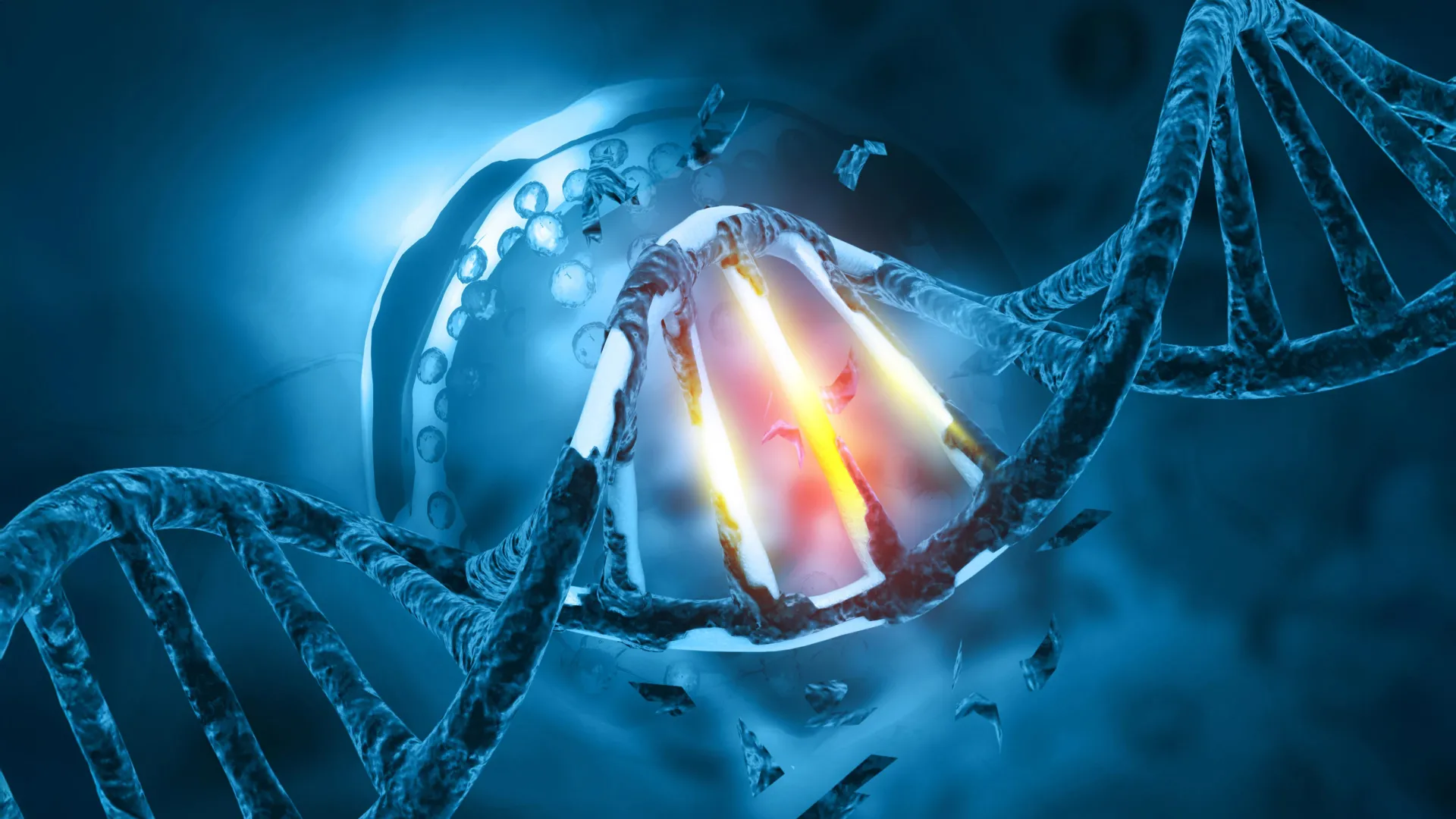
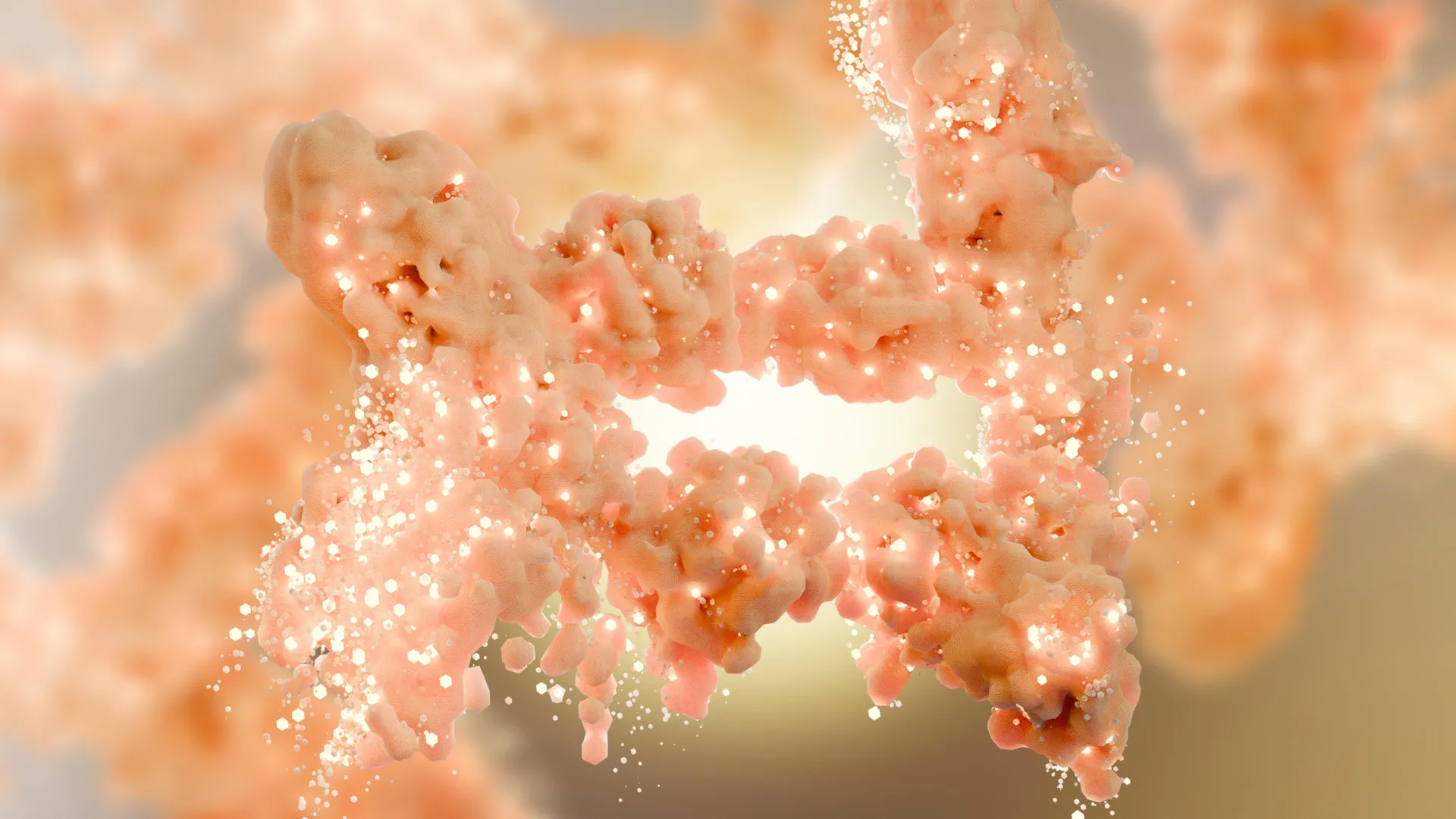
To comprehend the significance of these findings, one must first understand the genetic foundation of chronic myeloid leukemia. CML is characterized by a specific chromosomal abnormality known as the Philadelphia chromosome. This occurs when a piece of chromosome 9, containing the ABL1 gene, breaks off and attaches to the BCR gene on chromosome 22. The resulting fusion gene, BCR::ABL1, produces an abnormal tyrosine kinase protein that remains permanently "on." This protein signals white blood cells to divide uncontrollably, eventually crowding out healthy blood cells in the bone marrow.
While the existence of the Philadelphia chromosome has been known since 1960, the precise "biography" of the cancer—exactly when the fusion occurs and how the resulting cells behave in the years leading up to diagnosis—has remained a mystery. The Sanger Institute’s study provides the first high-resolution look at this timeline. By analyzing over 1,000 whole genomes of single blood cells from nine patients ranging in age from 22 to 81, the team was able to trace the ancestry of the cancer back to its point of origin.
Unprecedented Growth: A Cancer Outlier
The most startling revelation of the study is the "explosive" nature of CML cell proliferation. According to the research, the BCR::ABL1 fusion gene typically appears between three and 14 years before a patient presents with symptoms or receives a diagnosis. Once this single genetic event occurs, the resulting "clone"—a group of genetically identical cancer cells—multiplies at a rate that far outstrips other known malignancies.
In some patients, the growth rate was measured at over 100,000 percent per year. For comparison, most solid tumors and many other blood cancers require the gradual accumulation of multiple genetic mutations over 20, 30, or even 40 years before they reach a detectable size. CML, by contrast, appears to be driven by a single, uniquely powerful genetic "hit" that grants the cell an immediate and massive competitive advantage.
This finding challenges the conventional "multi-hit" hypothesis of cancer, which suggests that several independent mutations are necessary to transform a healthy cell into a malignant one. In the case of CML, the BCR::ABL1 fusion acts as a singular, potent driver that bypasses the need for further genetic instability to achieve rapid expansion.
Methodology: Single-Cell Sequencing and Cellular Family Trees
The research team employed a sophisticated technique known as single-cell whole-genome sequencing. Traditional genomic studies often use "bulk sequencing," which looks at the average genetic makeup of a large sample of cells. However, bulk sequencing can mask the subtle variations and ancestral relationships between individual cells. By sequencing single cells, the Sanger Institute researchers could identify the specific mutations unique to each cell and use them as "genetic barcodes."
These barcodes allowed the team to construct phylogenetic trees, essentially family trees for the cancer. By looking at the number of mutations shared between cells, they could calculate how long ago those cells shared a common ancestor and, crucially, when the BCR::ABL1 fusion first occurred. This molecular clock revealed that the cancer was often decades younger than the patients themselves, yet it achieved a massive population size in a fraction of the time it takes for other cancers to develop.
The Impact of Age on Leukemia Progression
The study also highlighted a significant correlation between a patient’s age and the aggressiveness of the cancer’s growth. The data indicated that younger patients generally exhibited much higher rates of cancer cell multiplication than older patients. In the younger cohort, the time between the initial genetic fusion and clinical diagnosis was often shorter, driven by a more rapid expansion of the BCR::ABL1 clones.
This observation provides a potential explanation for why CML can sometimes appear more aggressive in younger individuals. It also suggests that the biological environment of the bone marrow in younger people may be more conducive to the rapid spread of these specific malignant cells, or perhaps that the cells in younger patients are inherently more sensitive to the driving force of the BCR::ABL1 protein.
Clinical Implications: Predicting Treatment Resistance
One of the most immediate clinical applications of this research involves the use of tyrosine kinase inhibitors (TKIs). Since the early 2000s, TKIs like Imatinib (Gleevec) have revolutionized CML treatment, turning a once-fatal disease into a manageable chronic condition for many. However, approximately 20 percent of patients—one in five—do not respond well to standard TKI therapy or eventually develop resistance.
The Sanger Institute study found a direct link between the pre-diagnosis growth rate of the cancer and the patient’s response to treatment. Patients who exhibited the fastest-growing CML clones were significantly less likely to respond effectively to TKIs. This discovery suggests that the inherent "fitness" or growth velocity of the cancer cells, established years before the patient enters a clinic, plays a decisive role in how the disease reacts to modern medicine.
Dr. Aleksandra Kamizela, co-first author of the study and a resident doctor at Lister Hospital, noted the potential for these findings to change clinical practice. "In a clinical setting, healthcare professionals will perform a reverse transcription polymerase chain reaction (RT-PCR) test to measure a patient’s response to CML treatment," she explained. "However, they are not able to routinely see differences in the genetic cause of CML in patients at the DNA level, which we have been able to highlight in our study."
Insights from the "All of Us" Cohort
To determine whether the BCR::ABL1 fusion could exist in a dormant or "benign" state in the general population, the researchers turned to the "All of Us" Research Program, a massive health database in the United States. They analyzed the health records and sequencing data of over 200,000 participants.
The analysis revealed that individuals carrying the BCR::ABL1 fusion were almost universally destined to develop a blood disorder. This suggests that the fusion gene is so potent that its expansion without subsequent symptoms is highly unlikely. Unlike some other genetic markers that indicate a "predisposition" to cancer, the presence of BCR::ABL1 appears to be a definitive starting gun for the disease process. This reinforces the idea that CML is a uniquely driven cancer where the initial mutation is sufficient to guarantee progression.
The Broader Impact on Cancer Research
The findings of this study place CML in a category of its own. Dr. Jyoti Nangalia, senior author of the study and a hematologist at the University of Cambridge, emphasized the outlier status of this leukemia. "What our study suggests is that chronic myeloid leukemia is an outlier compared to other cancers—both solid tumors and other blood cancers," she stated. "We have shown that chronic myeloid leukemia cells undergo incredibly rapid growth within a few years to a decade before diagnosis, whereas for most cancers, the timeline from start to clinical presentation is several decades."
This realization has broad implications for how scientists approach cancer evolution. If CML can achieve clinical significance so rapidly through a single genetic event, it raises questions about whether other "fast-track" cancers exist that have yet to be identified. Furthermore, it highlights the importance of early detection and the potential for monitoring growth rates as a prognostic tool.
Future Directions: Towards Precision Hematology
The research team suggests that future studies should focus on larger patient cohorts to validate the link between growth rates and treatment outcomes. If the correlation holds, measuring the growth velocity of CML clones could become a standard part of the diagnostic process. This would allow doctors to identify high-risk patients early and perhaps opt for more aggressive or alternative therapies rather than waiting for standard TKIs to fail.
The ability to look back in time through phylogenetic mapping opens a new frontier in "retrospective" oncology. By understanding the history of a tumor, clinicians can better predict its future. This study serves as a proof of concept that the "fossil record" contained within the DNA of cancer cells can provide actionable insights for modern medicine.
As the scientific community continues to digest these findings, the focus will likely shift toward optimizing treatment for the 20 percent of patients who currently fall through the cracks of TKI therapy. By understanding the "explosive" origins of their disease, researchers hope to develop new strategies to dampen the fire of BCR::ABL1 before it becomes uncontrollable. The work of the Wellcome Sanger Institute has not only mapped the past of CML but has also provided a clearer roadmap for its future treatment.