

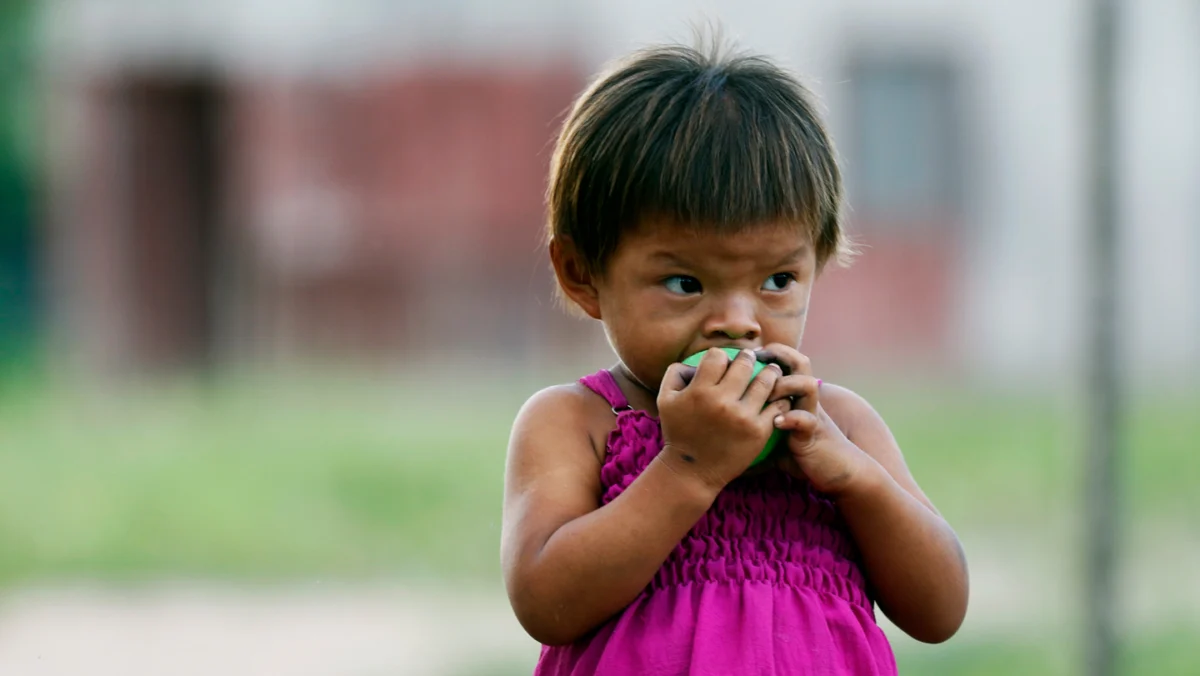
A recent study conducted in Brazil has revealed a concerning correlation between escalating ambient temperatures and a decline in nutritional markers among vulnerable children. The research, which meticulously analyzed data across various regions, found that as temperatures climb, so does the prevalence of malnutrition, with children from Indigenous families bearing the brunt of this escalating health crisis. This finding underscores the profound and often disproportionate impact of climate change on the most susceptible populations, highlighting a critical intersection of environmental shifts and public health challenges.
The study, published in a leading peer-reviewed journal specializing in environmental health and pediatrics, drew upon several years of meteorological data and comprehensive health surveys of young children, particularly those under the age of five. Researchers examined indicators such as stunting, wasting, and underweight, which are standard measures for assessing child malnutrition. The data indicated a statistically significant increase in these negative nutritional outcomes during periods of elevated temperatures, particularly when heatwaves were prolonged or particularly intense.
Background Context: A Nation Facing Dual Challenges
Brazil, a country of immense biodiversity and significant economic disparity, has been increasingly vulnerable to the effects of climate change. The Amazon rainforest, a critical global carbon sink, is facing unprecedented deforestation, exacerbating regional warming trends. Simultaneously, many of Brazil’s most vulnerable communities, including a substantial Indigenous population, reside in regions directly impacted by these environmental changes. These communities often face pre-existing challenges related to poverty, limited access to healthcare, and dependence on subsistence agriculture, making them acutely susceptible to the health consequences of climate variability.
The period under review for the study coincided with a noticeable upward trend in average temperatures across several Brazilian states, particularly in the North and Northeast regions. This warming trend has been attributed to a combination of global climate change drivers and localized factors, including land-use changes. For communities already struggling with food security and access to clean water, rising temperatures can further disrupt agricultural yields, diminish water availability, and increase the incidence of heat-related illnesses, all of which can directly impact a child’s nutritional status.
Methodology and Key Findings
The research team, comprised of epidemiologists, climatologists, and public health experts from prominent Brazilian universities and research institutions, employed a robust methodology. They collected daily temperature data from meteorological stations and satellite imagery, correlating it with anthropometric measurements of children from diverse socioeconomic and ethnic backgrounds. The study controlled for a range of confounding factors, including household income, maternal education, access to sanitation, and the availability of food programs.
One of the most striking findings was the disproportionate impact on children from Indigenous communities. These communities, often living in remote areas with less developed infrastructure, face unique challenges. Traditional food sources may be threatened by changing weather patterns, and access to diverse and nutrient-rich foods can be limited. Furthermore, the cultural practices and dietary habits of some Indigenous groups may make them more vulnerable to the physiological stresses associated with extreme heat. The study indicated that for every degree Celsius increase in average temperature, the likelihood of malnutrition indicators increased by a statistically significant percentage in these specific populations.
The study also noted a broader impact on children from low-income households, regardless of ethnicity. Economic hardship often means limited access to nutritious food, reliance on less expensive and often less nutrient-dense options, and poorer living conditions that can be exacerbated by heat. When temperatures rise, these families may struggle to afford cooling measures, leading to increased discomfort and potential health complications for children.
Timeline and Evolution of the Crisis
While the precise timeline of the study’s data collection is not detailed in the provided excerpt, the researchers likely analyzed data spanning several years, possibly from the early 2010s to the present, a period characterized by intensified climate change impacts globally and in Brazil. This timeframe would allow for the observation of trends rather than isolated events.
The initial phase of data collection would have involved establishing baseline nutritional data for the surveyed child populations. Subsequently, meteorological data would have been gathered and synchronized with the health records. The analytical phase would then have focused on identifying statistical correlations between temperature anomalies and changes in nutritional status. It is plausible that the researchers observed a gradual but discernible worsening of nutritional indicators as average temperatures consistently exceeded historical norms.
The study’s findings are likely the culmination of years of observational research and data aggregation, reflecting a growing concern within the scientific community about the health ramifications of climate change in Brazil. This research contributes to a broader understanding of how environmental stressors can exacerbate existing social and economic inequalities, leading to more severe health outcomes for vulnerable groups.
Supporting Data and Scientific Context
Scientific consensus points to a global increase in average temperatures, with some regions experiencing warming at a faster rate. The Intergovernmental Panel on Climate Change (IPCC) has repeatedly warned about the dire consequences of unchecked global warming, including increased frequency and intensity of extreme weather events like heatwaves. Brazil, with its vast landmass and diverse climate zones, is particularly susceptible to these changes.
The link between heat and malnutrition is multifaceted. High temperatures can lead to:
- Reduced Appetite: Heat stress can suppress appetite, leading to decreased food intake, especially in young children.
- Increased Nutrient Loss: The body expends more energy to regulate temperature in hot conditions, potentially increasing the demand for nutrients that may not be met due to reduced intake.
- Impact on Food Production and Availability: Extreme heat can damage crops, reduce livestock productivity, and affect fishing yields, leading to food shortages and price increases. This directly impacts the availability and affordability of nutritious food for vulnerable families.
- Water Scarcity and Contamination: Heatwaves can exacerbate water scarcity, and limited access to safe drinking water can lead to dehydration and increased risk of waterborne diseases, further compromising a child’s health and nutritional status.
- Increased Risk of Illness: Heat can worsen existing health conditions and increase susceptibility to new illnesses, which can divert the body’s resources from growth and development.
The study’s findings align with a growing body of international research that highlights the vulnerability of children to climate change impacts. Organizations like the World Health Organization (WHO) and UNICEF have issued reports emphasizing the need to address the health consequences of climate change, particularly for children, who are physiologically more vulnerable to environmental stressors.
Inferred Reactions and Official Responses
While the provided text does not include direct quotes or official statements, it is reasonable to infer potential reactions from various stakeholders.
- Brazilian Ministry of Health and Social Welfare: Such findings would likely prompt concern and a review of existing public health policies. The Ministry might initiate further targeted studies in affected regions, review food security programs, and consider implementing heat-resilience strategies within healthcare facilities and community support systems. There might be a call for increased funding for nutritional support programs, particularly for Indigenous communities.
- Indigenous Leadership and Advocacy Groups: Leaders and organizations representing Indigenous communities would likely express alarm and urgency. They might highlight the specific challenges their communities face, advocate for greater governmental support, and emphasize the need for culturally appropriate interventions that respect traditional knowledge and practices. They might also call for greater protection of their ancestral lands, which are crucial for their livelihoods and cultural survival.
- International Health and Environmental Organizations: Global bodies like the WHO and UNICEF might use these findings to reinforce their calls for international action on climate change and to advocate for increased support for vulnerable nations. They may offer technical assistance and funding for adaptation and mitigation strategies in Brazil.
- Scientific Community: The study would likely be welcomed by the scientific community as a crucial piece of evidence demonstrating the real-world health impacts of climate change. It would encourage further research into the specific mechanisms linking heat and malnutrition and the development of effective interventions.
Broader Impact and Implications
The implications of this study are far-reaching and underscore the urgent need for integrated climate action and public health strategies.
- Exacerbation of Health Disparities: The findings highlight how climate change can deepen existing health inequalities, disproportionately affecting those who are already marginalized and vulnerable. This could lead to long-term developmental deficits and health problems for a significant segment of the Brazilian population.
- Economic Consequences: Child malnutrition has significant long-term economic consequences, including reduced cognitive development, lower educational attainment, and decreased productivity in adulthood. Addressing this issue is not only a public health imperative but also an economic necessity.
- Need for Climate-Resilient Health Systems: The study points to the necessity of building climate-resilient health systems that can anticipate and respond to the health impacts of extreme weather events. This includes strengthening early warning systems for heatwaves and providing adequate resources for nutritional support during such periods.
- Policy Interventions: The research provides a compelling case for policy interventions that address both climate change mitigation and adaptation, alongside targeted social programs. This could include promoting sustainable agricultural practices, improving access to clean water and sanitation, enhancing food security initiatives, and investing in climate-resilient infrastructure in vulnerable communities.
- Indigenous Rights and Environmental Justice: The disproportionate impact on Indigenous children brings to the forefront issues of environmental justice and the need to uphold Indigenous rights. Protecting Indigenous lands and ensuring their participation in decision-making processes related to environmental management are crucial for their well-being and the preservation of biodiversity.
In conclusion, the study from Brazil serves as a stark reminder that climate change is not a distant threat but a present reality with tangible and devastating consequences for human health, particularly for the most vulnerable. The link between rising temperatures and worsening child malnutrition, especially within Indigenous communities, demands immediate attention and a comprehensive, integrated approach to policy and action. Addressing this challenge requires a commitment to both environmental sustainability and social equity, ensuring that the health and well-being of all children are protected in the face of a changing climate.
















Leave a Reply