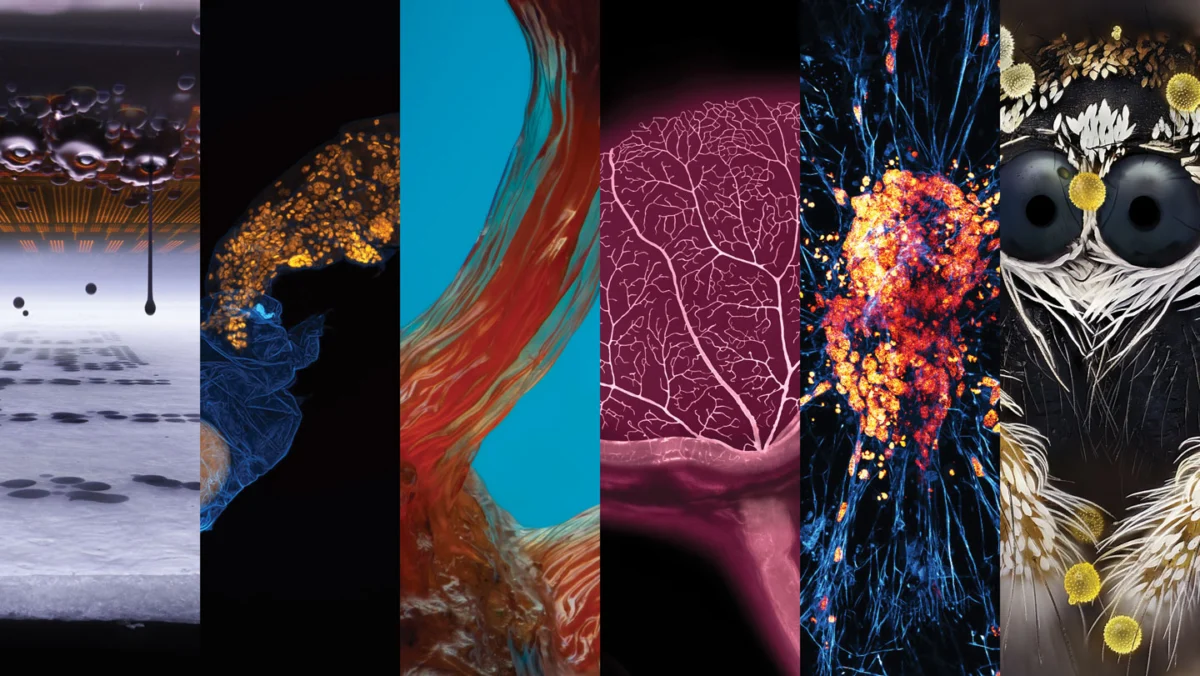
Science News, a beacon of accurate and accessible scientific information, stands as a testament to a century-long commitment to public understanding of the ever-evolving landscapes of science, medicine, and technology. Founded in 1921, this independent, nonprofit news source has consistently strived to empower individuals with the knowledge necessary to critically evaluate scientific advancements and their profound impact on the world around them. Today, this mission continues unabated, driven by the dedicated efforts of the Society for Science, a venerable 501(c)(3) membership organization whose core purpose is to foster public engagement with scientific research and education. The Society for Science, with its EIN 53-0196483, underpins Science News’s journalistic integrity and its unwavering dedication to providing factual, objective reporting.
The Genesis of a Trusted Voice
The establishment of Science News in the early 20th century arose from a growing recognition of the increasing complexity and societal relevance of scientific discovery. As groundbreaking research emerged from laboratories across the globe, a chasm often existed between the scientific community and the general public. This gap threatened to leave citizens ill-equipped to make informed decisions about issues ranging from public health and environmental policy to technological innovation and ethical considerations. Science News was conceived as a vital bridge across this divide, aiming to translate complex scientific concepts into understandable language without sacrificing accuracy or nuance. Its founding principles emphasized independence, ensuring that reporting would be driven by scientific merit rather than commercial or political interests. This foundational commitment to objectivity has remained a cornerstone of its editorial philosophy for over 100 years.
A Century of Evolution: Adapting to a Changing World
The journey of Science News mirrors the accelerating pace of scientific and technological progress. From its early days, when scientific breakthroughs were disseminated through print publications, to its current multifaceted digital presence, the organization has consistently adapted its methods to reach a wider audience. The advent of the internet and digital media presented both challenges and unprecedented opportunities. Science News embraced these changes, expanding its reach through online articles, newsletters, social media engagement, and a robust archive of past reporting. This digital transformation has allowed the organization to remain at the forefront of science journalism, ensuring that its critical work continues to inform and inspire new generations. The Society for Science’s role as a nonprofit has been instrumental in this adaptation, providing a stable foundation that allows for long-term strategic planning and investment in new technologies and journalistic approaches.
The Mission: Empowering Through Knowledge
At its heart, Science News’s mission is about empowerment. By providing accurate, accessible, and timely reporting on scientific advancements, the organization equips its readers with the tools to:
- Understand Complex Issues: From the intricacies of quantum physics to the nuances of gene editing, Science News breaks down complicated subjects into digestible information, enabling a deeper comprehension of the scientific underpinnings of our world.
- Evaluate Information Critically: In an era of widespread misinformation, Science News serves as a trusted source, helping individuals discern credible scientific reporting from unfounded claims and pseudoscience.
- Engage in Informed Discourse: A well-informed citizenry is crucial for a healthy democracy. By demystifying science, the publication fosters more productive conversations about scientific policy, research funding, and the ethical implications of new technologies.
- Appreciate the Wonder of Discovery: Beyond its practical implications, Science News celebrates the inherent curiosity and ingenuity that drive scientific exploration, inspiring a lifelong love of learning and discovery.
The Society for Science’s dedication to public engagement is not merely a passive endorsement of Science News’s work; it is an active cultivation of a scientifically literate society. This involves not only providing news but also supporting educational initiatives and fostering a community of individuals passionate about science.
Supporting Data: The Landscape of Scientific Communication
The need for reliable science journalism is underscored by several key trends:
- Explosion of Scientific Literature: The number of scientific papers published annually has grown exponentially. For instance, the number of articles indexed in PubMed, a database of biomedical literature, has surged from under 100,000 in 1980 to over 37 million today. This sheer volume makes it impossible for the average person to keep pace without the assistance of skilled science communicators.
- Increasing Public Interest in Science: Polls consistently show a significant public interest in science and technology. A 2022 Pew Research Center survey found that 85 percent of Americans believe that scientific research is important for the country’s future. However, this interest can be easily misdirected without accurate information.
- The Rise of Misinformation: The digital age has also facilitated the rapid spread of misinformation, particularly concerning health and scientific issues. Studies have shown that false health information can spread faster and wider than accurate information on social media platforms, highlighting the critical role of trusted sources like Science News.
- Interdisciplinary Nature of Modern Science: Today’s most pressing challenges, such as climate change and pandemic preparedness, require an understanding of multiple scientific disciplines. Science News excels at bridging these disciplinary divides, offering a holistic perspective on complex issues.
Science News’s consistent output, reaching thousands of readers daily through its website and newsletters, contributes to a more informed public discourse on these critical topics. The Society for Science’s extensive outreach programs, including science fairs and educational materials, further amplify this impact, reaching millions of students and educators annually.
Chronology of Impact: A Century of Milestones
While a comprehensive chronology would be extensive, key periods and events highlight Science News’s enduring relevance:
- Early Decades (1920s-1940s): During its formative years, Science News provided crucial reporting on major scientific advancements, including the discovery of penicillin, the development of atomic energy, and early explorations of space. It helped demystify these world-altering discoveries for a public grappling with their implications.
- The Space Race Era (1950s-1970s): As the United States and the Soviet Union vied for dominance in space exploration, Science News offered clear, factual accounts of rocket launches, satellite missions, and the scientific rationale behind these endeavors. This era saw increased public fascination with astronomy and physics, fueled by accessible reporting.
- The Rise of Biotechnology and Information Technology (1980s-2000s): The breakthroughs in genetic engineering and the advent of the internet presented new frontiers. Science News played a vital role in explaining the science behind DNA sequencing, the Human Genome Project, and the rapid evolution of the World Wide Web, making these complex fields understandable.
- The 21st Century: Climate Change, Pandemics, and AI: In recent decades, Science News has been at the forefront of reporting on the scientific consensus surrounding climate change, the global response to pandemics like COVID-19, and the accelerating development of artificial intelligence. Its reporting has often been cited as a reliable source for understanding the scientific underpinnings of these critical global issues.
Throughout these periods, the Society for Science has consistently supported Science News, ensuring its financial stability and its ability to maintain editorial independence. This long-standing partnership has been crucial in navigating the evolving media landscape and the shifting priorities of scientific research.
Official Responses and Endorsements
The impact and credibility of Science News are reflected in the endorsements and reliance placed upon it by various institutions and individuals. While direct "official responses" to a news outlet are rare, the consistent citation of Science News in academic research, educational curricula, and by other reputable media organizations serves as a powerful testament to its authority.
- Academic and Educational Institutions: University professors and textbook authors frequently reference Science News articles as reliable sources for introducing complex topics to students. Science curricula at various educational levels often draw upon its clear explanations.
- Other Media Outlets: Major news organizations, when covering scientific breakthroughs, often turn to Science News for background information, expert sourcing, or to verify complex details. This reliance highlights its role as a foundational source for science journalism.
- The Scientific Community: Researchers themselves often find Science News to be an effective way to communicate their findings to a broader audience, sometimes engaging with the publication to ensure accurate representation of their work.
The Society for Science, through its own outreach and partnerships, amplifies the reach and impact of Science News’s reporting, further cementing its position as a trusted voice. Its commitment to science education ensures that the information disseminated by Science News is integrated into formal and informal learning environments.
Broader Impact and Implications: A More Scientifically Literate Society
The enduring legacy of Science News, powered by the Society for Science, extends far beyond the mere dissemination of facts. Its consistent delivery of accurate, accessible, and engaging science journalism has profound implications for society:
- Fostering Critical Thinking: By presenting scientific evidence and explaining methodologies, Science News encourages readers to think critically about claims and to seek out verifiable information. This is an invaluable skill in navigating the information-saturated world of the 21st century.
- Informing Public Policy: A scientifically literate populace is better equipped to understand and engage with policy decisions related to healthcare, environmental protection, technological regulation, and research funding. Science News provides the foundational knowledge necessary for such engagement.
- Inspiring Future Scientists and Innovators: For young readers, Science News can ignite a passion for science, potentially inspiring them to pursue careers in STEM fields. The Society for Science’s direct engagement with students through competitions and educational programs further nurtures this pipeline of future innovators.
- Promoting Global Understanding: Science transcends national borders. By reporting on international scientific collaborations and discoveries, Science News fosters a sense of global interconnectedness and shared human endeavor.
In conclusion, Science News, under the auspices of the Society for Science, has for a century served as an indispensable resource for anyone seeking to understand the rapidly advancing frontiers of science, medicine, and technology. Its unwavering commitment to accuracy, independence, and public empowerment has not only illuminated complex subjects but has also contributed to the development of a more informed, critical, and engaged global citizenry. As science continues to shape our future in unprecedented ways, the role of trusted institutions like Science News and the Society for Science will only become more vital.