

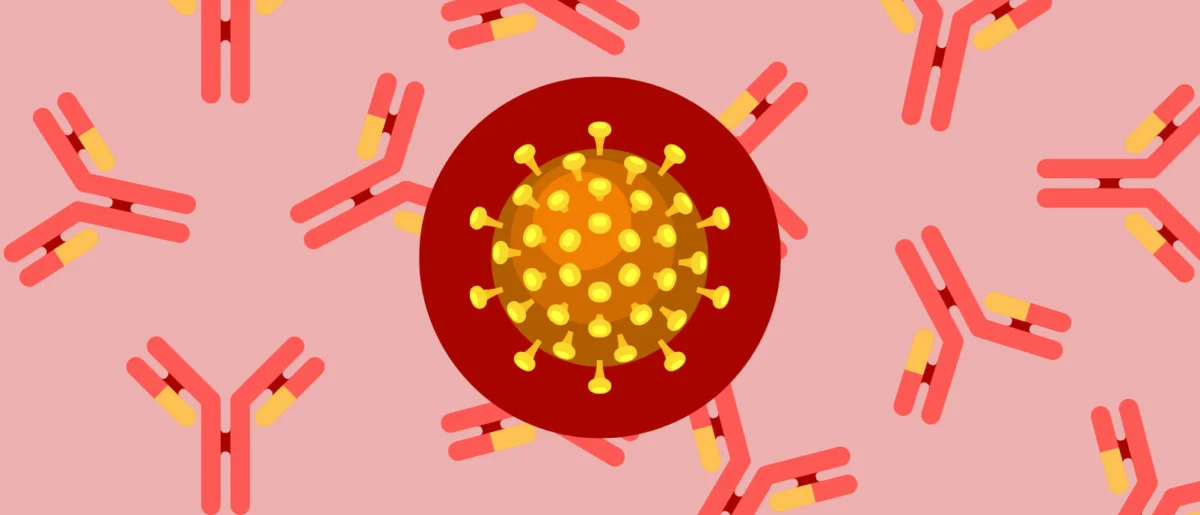
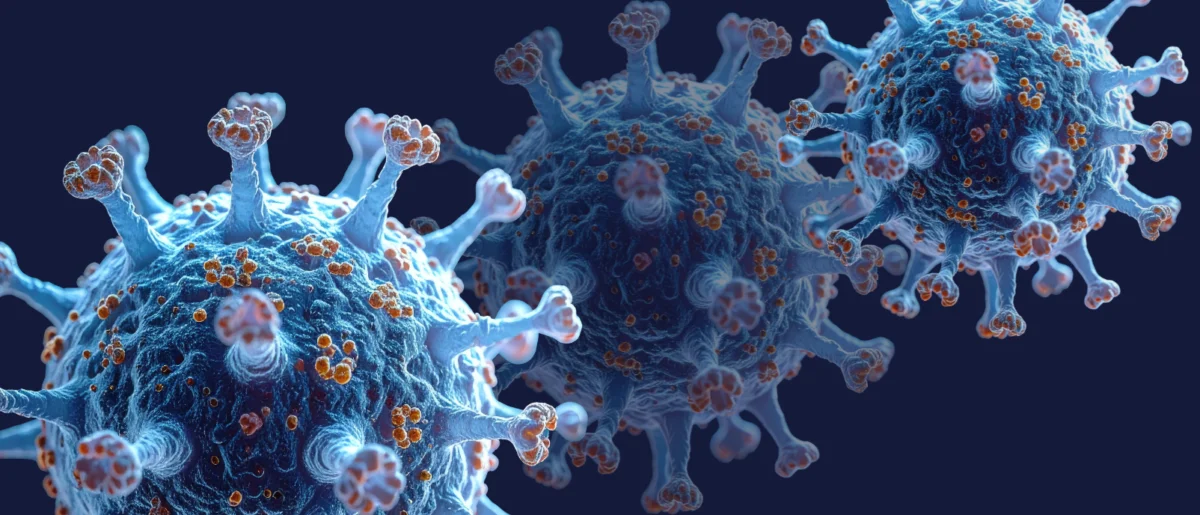
Scientists at the La Jolla Institute for Immunology (LJI) in California have achieved a significant breakthrough, becoming the first in the world to characterize human antibodies capable of neutralizing the measles virus. This pivotal discovery holds immense potential, offering a dual solution: a novel method to prevent initial infection (prophylaxis) and an effective treatment for individuals already exposed to or infected with the highly contagious measles virus. The research demonstrates that these powerful antibodies precisely bind to critical sites on the measles virus, effectively blocking its ability to enter host cells and initiate infection.
The findings, which include successful preclinical testing, introduce a new panel of human antibodies that could form the foundation for future medical therapies against measles. In a crucial rodent model of measles infection, an infusion of these antibodies resulted in a remarkable 500-fold reduction in viral load, underscoring their potent antiviral activity. This development arrives at a critical juncture, as global measles outbreaks have seen a concerning resurgence in recent years, fueled by declining vaccination rates and posing a severe threat to vulnerable populations worldwide.
Dr. Erica Ollmann Saphire, who spearheaded the groundbreaking study, emphasized the versatility of these newly identified antibodies. "These antibodies work as prophylaxis—to protect from initial infection—and they work after viral exposure as a treatment to fight measles infection," she stated. "It may be possible to give someone an infusion of these antibodies and deliver the immune response they wish they had." Her remarks highlight the potential to provide immediate, passive immunity, a game-changer for individuals who cannot rely on vaccination for protection.
The Urgent and Growing Need for Measles Therapies
Measles, caused by the measles virus (MeV), remains one of the leading causes of death among young children globally, despite the availability of a safe and effective vaccine. Before the measles vaccine was introduced in 1963, major epidemics occurred every two to three years, causing an estimated 2.6 million deaths annually worldwide. Widespread vaccination efforts led to a dramatic decline in cases, pushing many regions closer to elimination. However, this progress has been severely undermined by a global surge in vaccine hesitancy and misinformation, leading to a dangerous erosion of community protection, often referred to as ‘herd immunity.’
The World Health Organization (WHO) and the U.S. Centers for Disease Control and Prevention (CDC) have repeatedly sounded alarms about the escalating number of measles cases. In 2023, for example, many countries reported significant increases in measles infections, with some regions experiencing outbreaks that dwarfed those of previous years. This sharp rise is particularly perilous for millions of people who are unable to receive the live, attenuated measles vaccine. These include immunocompromised individuals, such as cancer patients undergoing chemotherapy, organ transplant recipients, or those with primary immunodeficiencies. Pregnant women also cannot receive the vaccine due to potential risks to the fetus. Furthermore, infants must wait until they are 12 months old for their first dose of the measles-mumps-rubella (MMR) vaccine, and full protection typically isn’t achieved until children receive their second dose around ages four to six. This leaves a substantial segment of the population unprotected during their most vulnerable stages of life.
Dr. Saphire underscored this critical vulnerability: "There are a growing number of people that can’t be vaccinated or haven’t been fully vaccinated. The very same people who can’t be vaccinated or can’t be vaccinated yet, are the same people for whom a measles virus infection would be the most severe—or be lethal." Until recently, high vaccination rates provided a protective shield for these susceptible individuals through robust herd immunity. However, as vaccination coverage dips below the critical threshold (typically 95% for measles), this community protection falters, increasing the risk of exposure and severe outcomes for the unvaccinated.
Beyond the immediate threat of acute infection, measles can lead to severe complications, including pneumonia, encephalitis (brain inflammation), and a rare but fatal neurological disorder called subacute sclerosing panencephalitis (SSPE), which can develop years after initial infection. The virus also causes "immune amnesia," temporarily weakening the immune system and making individuals more susceptible to other infections for months or even years post-recovery. Crucially, there are currently no measles-specific antiviral therapies available to treat patients once they are infected, leaving healthcare providers with limited options beyond supportive care. The LJI study suggests that monoclonal antibody therapies could finally fill this urgent therapeutic void.
A New Weapon in the Arsenal: Understanding Monoclonal Antibodies
Monoclonal antibody (mAb) therapies represent a sophisticated class of biological drugs that harness the body’s natural immune defense mechanisms. Unlike vaccines, which stimulate the body to produce its own antibodies over time, mAb therapies provide immediate, pre-formed antibodies to fight specific pathogens. These therapies are engineered to contain many copies of a single, highly effective neutralizing antibody, capable of binding to and disabling a target virus or cell.
The use of monoclonal antibodies in medicine is not new; they have been successfully employed for decades in treating various conditions, including certain cancers, autoimmune diseases, and infectious diseases. For instance, infants routinely receive monoclonal antibody therapies each year to prevent severe respiratory syncytial virus (RSV) infections, demonstrating their proven efficacy and safety in vulnerable populations. The success of mAbs in treating other viral infections, such as Ebola virus disease and, more recently, as a temporary treatment for COVID-19, underscores their potential as a powerful therapeutic modality.
To develop a monoclonal antibody treatment specifically for measles, researchers first needed a precise understanding of how human antibodies interact with and neutralize the virus. Dr. Saphire and her colleagues embarked on this mission by employing state-of-the-art imaging techniques.
Unlocking the Virus’s Weak Points: The Scientific Journey
The scientific journey began with advanced imaging. The team utilized cryo-electron microscopy (cryo-EM), a revolutionary technique that allows scientists to visualize biological molecules in atomic detail. Cryo-EM involves flash-freezing samples to preserve their natural state, then bombarding them with electrons to create high-resolution 3D images. This method enabled the LJI researchers to capture the first-ever detailed glimpses of how antibodies bind to the measles virus.
Their initial work focused on mouse antibodies, which laid critical groundwork. This research, published in a recent Nature Communications paper, provided stunning detail on the specific vulnerabilities of the measles virus to antibody attack. It revealed that mouse antibodies effectively latched onto a key component of the measles virus known as the fusion (F) protein. By binding to this protein, the antibodies prevented the virus from undergoing the conformational changes necessary to fuse with and enter a host cell, effectively neutralizing it.

The next logical step was to determine if human antibodies could achieve similar, or even superior, neutralization. To investigate this, the researchers turned to a clinical research volunteer who had been vaccinated against measles many years prior. This individual’s immune system had developed a robust antibody response, providing a valuable source for study. From a single blood sample, the scientists were able to isolate a diverse panel of human antibodies. These antibodies were found to bind not only to the crucial fusion protein but also to a second key viral component: an attachment protein known as the ‘H’ protein. The H protein is responsible for the initial recognition and binding of the virus to host cells, while the F protein mediates the subsequent fusion event. Targeting both these proteins offers a powerful two-pronged attack.
Using cryo-EM once more, the team captured intricate 3D images of these human antibodies bound to the measles virus, providing unprecedented structural insights. Dawid Zyla, who served as study co-first author, was particularly impressed by the potency observed. "We found that these antibodies are exceptionally potent," Zyla shared, noting they were "two orders of magnitude better than comparable molecules reported at conferences." This exceptional potency is a critical factor for developing effective therapies, as it suggests that smaller doses might be effective, potentially reducing costs and improving patient tolerance.
Further detailed analysis revealed the elegant mechanism by which these human antibodies operate. The measles virus is known for its ability to undergo dramatic shape-shifting. When it encounters a human cell, its viral machinery unfolds and rearranges itself, a process crucial for fusing with the host cell membrane and injecting its genetic material. The new study demonstrated that antibodies targeting the fusion protein work by "locking" this protein in a specific, inactive conformation. By preventing the necessary conformational changes, the antibodies effectively render the virus unable to shape-shift, thus incapacitating its ability to infect a host cell.
Preclinical Success: Promising Results in Animal Models
With a clear understanding of the antibodies’ structure and mechanism, the research moved into the crucial preclinical testing phase. Collaborators at The Ohio State University (OH, USA) played a vital role, conducting key experiments using cotton rats as an animal model. Cotton rats are a well-established and relevant model for measles virus infection, allowing researchers to evaluate the efficacy of potential treatments in a living system.
The results from the cotton rat studies were highly encouraging. All four lead antibodies tested demonstrated significant efficacy in reducing the viral load. Importantly, this reduction was observed whether the antibodies were administered before measles exposure (prophylactic effect) or within 24 to 48 hours after infection (therapeutic effect). This dual capacity is particularly significant, as it broadens the potential applications of the therapy. Prophylaxis could protect at-risk individuals during outbreaks, while post-exposure treatment could mitigate disease severity in those already infected.
One specific antibody, designated 3A12, which targets a distinct site on the F protein, showed particularly outstanding results. In the preclinical model, administration of 3A12 rendered the circulating virus virtually undetectable, highlighting its exceptional neutralizing power. These robust preclinical findings provide a strong foundation for advancing these antibodies toward human clinical trials.
Addressing the Gaps in Measles Management: Broader Implications
The development of a human measles antibody treatment represents a monumental step forward in global public health, particularly for the aforementioned vulnerable populations who cannot receive the vaccine. This therapy is not intended to replace the measles vaccine, which remains the most cost-effective and widespread method for achieving long-term immunity. Instead, it serves as a critical complementary tool, filling crucial gaps in current measles management strategies.
For example, during outbreaks, rapid deployment of these antibodies could protect infants too young for vaccination, immunocompromised individuals, or healthcare workers who are at high risk of exposure. In post-exposure scenarios, it could prevent severe disease and reduce mortality, especially in regions with limited access to advanced medical care. The immediate nature of passive immunity offered by mAbs is invaluable in emergency situations, where the time required for vaccine-induced immunity to develop might be too long.
Moreover, the LJI discovery has implications beyond immediate treatment. The detailed structural information obtained through cryo-EM provides a blueprint for future antiviral drug design. Understanding the precise binding sites and mechanisms of these potent antibodies can guide the development of small-molecule inhibitors or even next-generation vaccines that elicit highly targeted and effective immune responses.
The Path Forward: From Lab to Clinic
While the preclinical results are highly promising, the journey from laboratory discovery to widespread clinical availability is a rigorous one. The next steps will involve further preclinical optimization, including manufacturing scale-up and detailed safety profiling. Following this, the antibodies would need to undergo human clinical trials, typically progressing through Phase 1 (safety and dosage), Phase 2 (efficacy in a larger group), and Phase 3 (large-scale efficacy and safety against existing treatments).
The researchers are optimistic about the future. "Now we know what we’re aiming for, and we have the antibodies we need," concluded Dr. Saphire, expressing confidence in the path forward. If successfully translated to clinical use, these antibodies could offer the world’s first dedicated before- or after-exposure treatment for measles virus infection, providing a vital lifeline in the ongoing battle against this formidable pathogen.
A Call for Continued Vigilance
Despite the excitement surrounding this therapeutic breakthrough, public health experts continue to emphasize that vaccination remains the cornerstone of measles prevention. Achieving and maintaining high vaccination coverage is paramount to protecting entire communities and preventing future outbreaks. The new antibody treatment, while offering a powerful tool for specific scenarios, reinforces the need for a multi-faceted approach to measles eradication. It provides a safety net for those whom vaccines cannot directly protect, but it does not diminish the critical importance of ensuring that every eligible individual receives their measles vaccine. This scientific advancement, therefore, is a testament to persistent research efforts and a beacon of hope in safeguarding global health against a resurgent ancient foe.











Leave a Reply