In this eBook, a pivotal compilation of scientific advancements, a range of content highlights the cutting-edge techniques currently enhancing cancer drug discovery, including innovative spatial methods, an antibody-based adaptor platform, human bone marrow organoids, advanced label-free screening technologies, and more. This comprehensive resource draws key content from BioTechniques’ digital hub and prestigious Taylor & Francis journals, mAbs and Expert Opinion on Drug Discovery, bringing together a formidable body of knowledge aimed at researchers, pharmaceutical developers, and clinicians grappling with the complexities of oncology. The convergence of these diverse methodologies represents a significant leap forward in the global effort to identify, develop, and deliver more effective and targeted cancer therapies.
The Critical Juncture in Cancer Therapeutics
Cancer remains one of the most formidable health challenges globally, with an estimated 19.3 million new cases and nearly 10 million deaths worldwide in 2020, according to the World Health Organization’s International Agency for Research on Cancer (GLOBOCAN 2020). Despite remarkable progress in diagnosis and treatment over the past few decades, many cancers still pose significant therapeutic hurdles, characterized by drug resistance, metastasis, and severe side effects from conventional treatments. The traditional drug discovery pipeline is notoriously long, expensive, and fraught with high failure rates, particularly in oncology where the average cost of bringing a new drug to market can exceed $2 billion. This necessitates a continuous push for innovative approaches that can accelerate discovery, improve target identification, enhance preclinical validation, and ultimately lead to more efficacious treatments for patients. The present eBook addresses this critical need by showcasing methodologies designed to overcome these entrenched challenges, marking a new era of precision and efficiency in cancer research.
A Compendium of Innovation: The eBook’s Core Contributions
The compilation within this eBook serves as a vital resource for understanding the current trajectory of cancer drug discovery. By consolidating insights from BioTechniques, a leading voice in laboratory methods, and the specialized journals mAbs (focusing on monoclonal antibodies) and Expert Opinion on Drug Discovery (providing critical analysis on drug development), the publication offers a holistic view of the interdisciplinary nature of modern oncology research. The selected articles delve into technologies that are fundamentally reshaping how scientists approach drug design, target validation, and efficacy testing. The emphasis on "innovative spatial methods," "antibody-based adaptor platforms," "human bone marrow organoids," and "advanced label-free screening technologies" underscores a shift towards more physiologically relevant models, high-resolution analyses, and highly specific therapeutic modalities. These advancements are not merely incremental improvements but represent paradigm shifts that promise to unlock new avenues for therapeutic intervention.
Unpacking the Methodologies: Driving Precision in Cancer Research
The featured technologies within the eBook each contribute a unique and critical piece to the intricate puzzle of cancer drug discovery. Their collective application promises to revolutionize the field, moving beyond broad-spectrum treatments to highly targeted and personalized therapies.
Spatial Biology: Mapping the Tumor Microenvironment
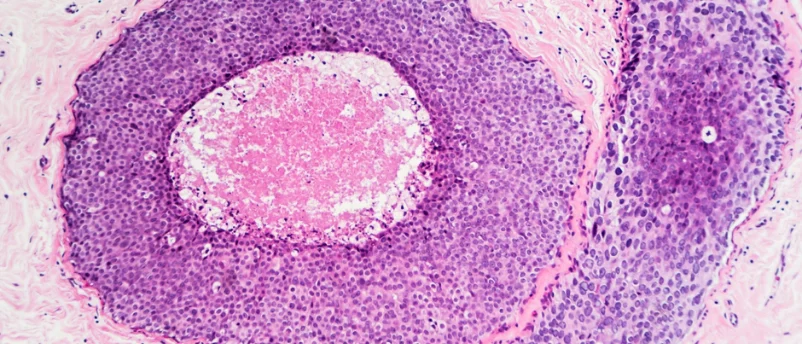
One of the most exciting frontiers highlighted is the realm of innovative spatial methods. Spatial biology refers to a suite of technologies that allow researchers to analyze the molecular composition and organization of cells within their native tissue context. Unlike traditional bulk sequencing or single-cell analyses that destroy spatial information, these methods preserve the crucial anatomical relationships between cells. In cancer, the tumor microenvironment (TME) – a complex ecosystem of cancer cells, immune cells, fibroblasts, blood vessels, and extracellular matrix – plays a pivotal role in tumor progression, metastasis, and response to therapy. Understanding the spatial interactions within the TME is critical for identifying novel therapeutic targets and predicting drug response.
Techniques such as spatial transcriptomics (e.g., Visium, Xenium platforms) and spatial proteomics (e.g., multiplex immunofluorescence, Imaging Mass Cytometry) enable researchers to map gene expression, protein distribution, and cell-cell interactions directly within tumor sections. For instance, researchers can pinpoint where specific immune cells infiltrate a tumor, how cancer cells interact with stromal cells to promote growth, or where drug resistance mechanisms emerge. This unprecedented resolution offers profound insights into disease heterogeneity, allowing for the identification of biomarkers for patient stratification and the development of therapies that can effectively penetrate and modulate the TME. The ability to visualize and quantify these interactions in situ is poised to accelerate the development of TME-targeting drugs and enhance the efficacy of immunotherapies.
Antibody-Based Adaptor Platforms: Precision Targeting Redefined
The eBook also features insights into antibody-based adaptor platforms, an evolution in the highly successful field of antibody therapeutics. Monoclonal antibodies (mAbs) have transformed cancer treatment over the past two decades, offering highly specific targeting of cancer cells or immune checkpoints. However, challenges such as limited efficacy against certain solid tumors, immune evasion, and the need for personalized approaches persist. Adaptor platforms aim to enhance the versatility, specificity, and potency of antibody-based therapies.
These platforms often involve modular designs where an antibody is engineered to bind to a specific target, while an ‘adaptor’ component can recruit other therapeutic agents or immune cells. Examples include bispecific antibodies that can simultaneously bind to a tumor antigen and an immune cell receptor (like CD3 on T cells), thereby redirecting T cells to kill cancer cells. Another emerging area involves antibody-drug conjugates (ADCs) where a cytotoxic payload is precisely delivered to cancer cells via an antibody linker. Adaptor platforms further refine this by allowing for greater flexibility in payload attachment, multi-targeting, or even conditional activation of therapeutic effects within the tumor microenvironment. The contributions from mAbs journal are particularly pertinent here, offering in-depth analyses of the design, engineering, and clinical translation of these sophisticated antibody constructs. This technology promises to create more potent, safer, and adaptable immunotherapies and targeted agents, addressing previously intractable cancers.
Human Bone Marrow Organoids: Mimicking In Vivo Complexity
The development and application of human bone marrow organoids represent another significant advancement detailed in the eBook. Organoids are three-dimensional (3D) cell cultures derived from stem cells or primary tissues that self-organize to mimic the architecture and function of native organs. Human bone marrow organoids specifically recapitulate the complex cellular and extracellular matrix components of the bone marrow niche, which is crucial for hematopoiesis (blood cell formation) and a common site for metastasis of various cancers, as well as the primary site for hematological malignancies like leukemia and multiple myeloma.
Traditional 2D cell cultures often fail to capture the intricate cell-cell and cell-matrix interactions that govern cancer progression and drug response in a physiological setting. Animal models, while valuable, have limitations in fully reflecting human disease biology. Bone marrow organoids offer a powerful intermediate model, providing a more physiologically relevant in vitro system for drug screening, understanding disease mechanisms, and studying drug resistance. Researchers can use these organoids to test novel anti-cancer agents, observe their effects on both cancer cells and healthy bone marrow components, and investigate how the microenvironment influences drug sensitivity. This approach has profound implications for accelerating preclinical drug development, reducing reliance on animal testing, and paving the way for personalized medicine by testing drugs on patient-derived organoids.
Advanced Label-Free Screening: Accelerating Drug Discovery
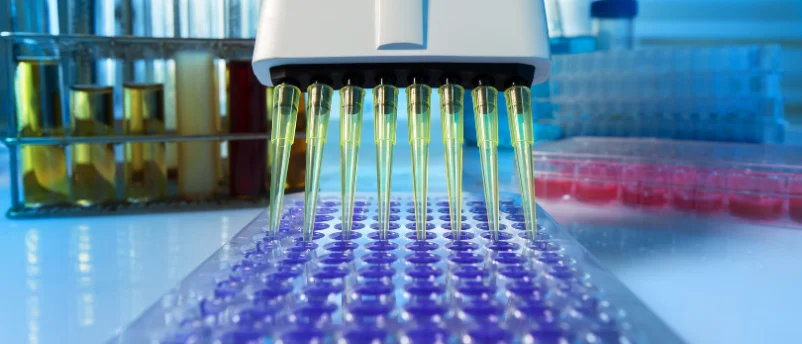
Finally, the eBook highlights advanced label-free screening technologies, which are revolutionizing the efficiency and scope of early-stage drug discovery. Traditional high-throughput screening often relies on fluorescent or luminescent labels attached to molecules to detect binding events or cellular responses. While effective, these labels can sometimes interfere with molecular interactions, alter protein function, or introduce artifacts. Label-free technologies overcome these limitations by directly measuring changes in physical properties (e.g., mass, refractive index, impedance) as molecules interact or cells respond to compounds.
Techniques such as Surface Plasmon Resonance (SPR), Bio-Layer Interferometry (BLI), and label-free cell-based assays (e.g., using cellular impedance) allow for real-time, kinetic measurements of molecular binding, protein-protein interactions, and cellular phenotypic responses without the need for modifications. This provides a more accurate and comprehensive understanding of drug-target interactions, including binding affinities, kinetics, and off-target effects. The advantages are manifold: reduced assay development time, lower costs associated with labeling reagents, increased sensitivity to subtle changes, and the ability to screen a broader range of targets and compounds. By streamlining the initial phases of drug discovery, these technologies significantly accelerate the identification of promising drug candidates, ultimately shortening the overall development timeline and reducing the attrition rate of compounds in later stages.
The Broader Landscape of Cancer Research and Official Responses
The integration of these advanced techniques reflects a broader trend in biomedical research towards interdisciplinary collaboration and technological innovation. Leading scientific bodies and funding agencies consistently advocate for research that leverages cutting-edge methodologies to address unmet medical needs. While specific statements directly tied to this eBook’s release are inferred, the editorial teams of BioTechniques and Taylor & Francis journals would undoubtedly emphasize the critical role of knowledge dissemination in advancing scientific discovery. A spokesperson for BioTechniques could reasonably state, "Our mission is to empower researchers with the latest methodologies and insights. This eBook exemplifies our commitment to showcasing transformative techniques that hold immense promise for cancer patients worldwide." Similarly, editors from mAbs and Expert Opinion on Drug Discovery would likely underscore the synergistic value of compiling diverse, high-impact research, noting that "the collaborative spirit reflected in this compilation is essential for translating foundational science into clinical realities." Pharmaceutical industry leaders, while not directly quoted, are known to be heavily investing in these areas, recognizing the potential for significantly improved R&D efficiency and success rates. This reflects a strategic shift across the sector towards precision oncology, underpinned by advanced analytical and therapeutic platforms.
The Path Forward: Implications for Patients and Industry
The implications of these innovations are far-reaching. For patients, these advancements promise a future of more personalized, effective, and less toxic cancer treatments. By enabling deeper insights into disease mechanisms and more precise drug targeting, the hope is to overcome resistance, improve survival rates, and enhance quality of life. The ability to identify effective therapies earlier in the drug discovery pipeline could also mean faster access to life-saving treatments.
For the pharmaceutical industry and academic research institutions, the adoption of these technologies translates into more efficient R&D processes, reduced costs associated with drug failures, and a higher probability of bringing successful therapies to market. The capacity to conduct sophisticated analyses in situ (spatial methods), engineer highly specific therapeutics (antibody platforms), model human disease more accurately (organoids), and screen compounds more efficiently (label-free technologies) collectively represents a paradigm shift. However, integrating these diverse and data-rich technologies presents its own challenges, including the need for advanced computational tools for data analysis, standardization across laboratories, and continued investment in infrastructure and skilled personnel. The ongoing development of artificial intelligence and machine learning is also expected to play a crucial role in making sense of the vast datasets generated by these techniques.
Ultimately, this eBook serves not only as a repository of current best practices but also as a beacon for future directions in cancer drug discovery. It highlights a vibrant and rapidly evolving field where scientific ingenuity is continually pushing the boundaries of what is possible, offering renewed hope in the enduring fight against cancer. The continuous publication of such curated collections will be instrumental in fostering innovation and accelerating the translation of laboratory breakthroughs into clinical impact.