The intricate connection between the far-flung organs of the gastrointestinal tract and the central nervous system, commonly known as the gut-brain axis, is an area of rapidly accelerating scientific inquiry. A growing body of scientific literature increasingly demonstrates the profound and multifaceted role of the microbiome in this critical two-way communication pathway. As our understanding of the dynamic interplay between gut microbes and brain structure and function expands, the therapeutic potential of exploiting these microscopic inhabitants to combat a range of neurological diseases is becoming strikingly apparent. Recent preclinical advances highlight this burgeoning field, from insights into microbe-driven memory loss and the gut microbiome’s role in mediating the brain-health benefits of exercise, to innovative antibiotic interventions for traumatic brain injury and the alarming discovery of bacterial translocation from the gut to the brain under specific dietary conditions. These discoveries collectively underscore a paradigm shift in neuroscience, moving towards a holistic view of human health where the microbial ecosystem within us plays a pivotal role in our cognitive and mental well-being.
Understanding the Gut-Brain Axis: A Complex Network of Communication
The concept of the gut-brain axis is not entirely new, with observations linking gut health to mental states dating back centuries. However, modern scientific advancements, particularly in microbiology and neurobiology, have illuminated the sophisticated mechanisms underlying this connection. This axis represents a bidirectional communication system that involves multiple pathways: the vagus nerve, the endocrine system (hormones), the immune system, and the metabolic pathways involving microbial metabolites.
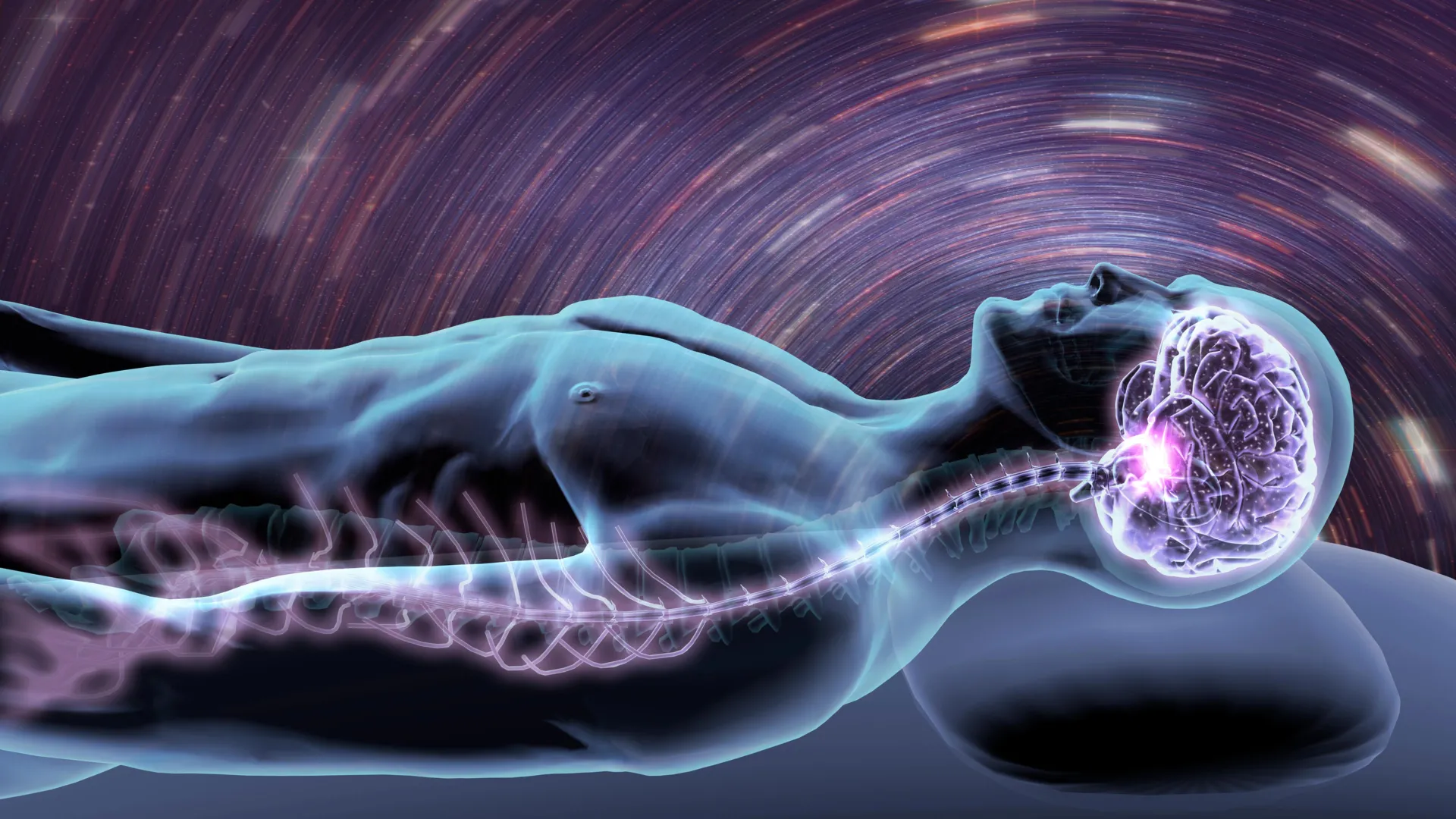
The vagus nerve, a major cranial nerve, serves as a direct neural highway, transmitting signals from the gut to the brain and vice versa. Gut microbes can influence vagal nerve activity through their metabolic byproducts, such as short-chain fatty acids (SCFAs), and through their interaction with enteroendocrine cells that release neurotransmitters. The endocrine system is also a key player, with gut microbes affecting the production and regulation of hormones like cortisol (stress hormone) and serotonin (a neurotransmitter largely produced in the gut). Furthermore, the gut microbiome profoundly influences the immune system, both locally in the gut and systemically throughout the body. Dysbiosis, an imbalance in the gut microbial community, can lead to chronic low-grade inflammation, which has been implicated in various neurological and psychiatric conditions. Finally, gut microbes produce a vast array of metabolites, including SCFAs (butyrate, propionate, acetate), amino acid derivatives, and neurotransmitter precursors, which can cross the blood-brain barrier and directly influence brain function, neuronal health, and neurotransmission. The integrity of the intestinal barrier, often referred to as the "leaky gut" phenomenon, is also critical, as its compromise can allow microbial components and toxins to enter the bloodstream, triggering systemic inflammation and potentially affecting the brain.
The Microbiome’s Role in Age-Associated Memory Loss: A New Frontier
Age-related cognitive decline, particularly memory impairment, significantly impacts the quality of life for a substantial number of older individuals worldwide. While the aging brain undergoes intrinsic changes, recent research underscores the critical influence of extrinsic factors, particularly signals originating from the gastrointestinal tract and alterations in the gut microbiome. A groundbreaking study from the University of Pennsylvania (PA, USA) and the Arc Institute (CA, USA) has provided compelling evidence that the gut microbiome can directly drive age-associated memory loss, at least in murine models.
This research tackled the existing knowledge gap regarding the mechanisms underlying the gut-brain axis’s influence on age-related cognitive decline. The team employed an innovative co-housing strategy, allowing gut microbial communities from aged mice (18 months old) to equilibrate with those of young recipients (2 months old). This method facilitated the transfer of the aged microbiome to the younger animals. Intriguingly, while the physical health (frailty scores) of the young mice remained unaltered by this microbial exchange, their mental acuity suffered significantly. In short-term novel object recognition tasks and long-term spatial learning and memory tests—standard assessments for cognitive function—young mice harboring an "older" microbiome performed demonstrably worse than their counterparts with a youthful microbial profile.
The reversibility of this decline offered a glimmer of hope. Depleting the microbiomes of these co-housed young mice using antibiotics successfully restored their memory performance. More remarkably, even aged mice exhibited an improvement in cognitive ability following antibiotic intervention, suggesting that the detrimental effects of an aged microbiome are not irreversible.
To pinpoint the specific microbial culprits, the researchers performed comprehensive metagenomic sequencing and proteomics on fecal content across the mice’s lifespan. This meticulous approach identified Parabacteroides goldsteinii, a bacterium known for producing medium-chain fatty acids, as a key contributor to this age-related cognitive decline. The study further elucidated a plausible pathway for this association: bacteria like P. goldsteinii drive peripheral myeloid cell inflammation through their production of medium-chain fatty acids. This inflammation, in turn, impairs the function of vagal sensory neurons, weakening the crucial interoceptive signals—internal body state information—that are transmitted to the brain. Ultimately, this disruption culminates in a decline in hippocampal function, a brain region vital for memory formation.
The study concluded on an optimistic note, demonstrating that potential interventions could reverse these age-related memory deficits. These included the administration of bacteriophages specifically targeting P. goldsteinii and direct stimulation of the vagus nerve. The researchers highlighted that these findings "indicate a key role for interoceptive dysfunction in brain aging and suggest that interoceptomimetics that stimulate gut-brain communication may counteract age-associated cognitive decline." This research opens exciting avenues for developing novel therapies aimed at modulating the gut microbiome or vagal nerve activity to preserve cognitive function in aging populations, potentially delaying or mitigating conditions like Alzheimer’s disease.
Antibiotics Reshape the Gut Microbiome to Aid Traumatic Brain Injury Recovery
Traumatic Brain Injury (TBI) represents a significant global health challenge, affecting millions annually and often leading to long-term neurological and psychiatric sequelae, including chronic neuroinflammation. The microbiota-gut-brain axis has been increasingly recognized for its role in regulating brain function, and disruptions to the gut bacterial composition (dysbiosis) can impair its protective functions, exacerbating neuroinflammation. Conversely, TBI itself can induce microbiome dysbiosis, creating a vicious cycle. A recent study, a collaborative effort between Houston Methodist Research Institute and Rice University (both TX, USA), has shed light on the potential of short-term antibiotic treatment to significantly reduce neuroinflammation following TBI by altering the gut microbiome in animal models.
The researchers induced brain injuries in male mice, administering a brief course of oral antibiotics. Some mice received a single controlled cortical impact (a common TBI model), while others underwent repeated injuries to simulate more severe or recurrent trauma. The impact of antibiotic treatment was rigorously assessed through various methodologies, including fecal microbiome amplicon and metagenomic sequencing to characterize microbial community changes, metabolite profiling to identify biochemical shifts, and neuropathological analyses to evaluate brain damage and inflammation.
The findings were compelling. Antibiotic administration indeed altered the microbial community composition, with more pronounced shifts observed in mice subjected to repeated brain injury, indicating a strong interaction between TBI severity and microbial response to treatment. Crucially, despite this disruption to the microbiome, the antibiotic treatment appeared to decrease lesion size in the brain, diminish neuroinflammatory responses, and limit cell death. This suggests that the microbial depletion, or the specific shifts induced by antibiotics, contributed to neuroprotection.
Further long-read metagenomic sequencing offered a deeper understanding, identifying two specific beneficial bacteria, Parasutterella excrementihominis and Lactobacillus johnsonii, that persisted even after the antibiotic treatment. The researchers hypothesize that these resilient bacteria might be key players in the repair mechanisms and neuroprotection observed.
Sonia Villapol, the study lead from Houston Methodist Research Institute, concluded that these results strongly "support a gut-brain mechanism in which microbiome changes influence peripheral immunity and, in turn, neuroinflammation after [traumatic brain injury]." This research offers a novel therapeutic angle for TBI, suggesting that modulating the gut microbiome, even through broad-spectrum antibiotics, could be a viable strategy to reduce brain damage and improve recovery. The team’s next ambitious step involves bioengineering P. excrementihominis and L. johnsonii to develop highly targeted, precision therapies aimed at reducing neuroinflammation post-TBI, moving beyond broad-spectrum interventions to more refined approaches. This aligns with other emerging treatments for TBI, such as light therapy, which has shown promise in reducing inflammation and improving recovery in rat models of mild TBI, suggesting a multi-modal approach may be most effective.
High-Fat Diet Drives Gut Microbiome Bacteria into the Brain
The modern Western diet, often characterized by high fat and sugar content, has been increasingly linked to a myriad of health issues, including metabolic disorders and chronic inflammation. Emerging research has also hinted at a potential connection between gut dysbiosis—an imbalance in the gut microbial community—and the development or progression of neurodegenerative and neurodevelopmental conditions such as Alzheimer’s disease, Parkinson’s disease, and autism spectrum disorder (ASD). However, the precise mechanisms by which the gut microbiome might directly influence the brain to cause these pathologies have remained largely elusive. A startling discovery by researchers from Emory University (GA, USA) now provides a potential direct pathway: bacteria can translocate directly from the gut to the brain, particularly when mice consume a high-fat diet that alters gut microbiome composition.
To investigate this critical knowledge gap, the team conducted experiments on a group of germ-free mice, which lack any resident microbes, allowing for controlled introduction of bacteria. These mice were fed a specific "Paigen diet" for nine days, characterized by 45% carbohydrate and 35% fat content. In humans, a similar dietary profile is associated with significant alterations in the gut microbiome and increased intestinal permeability, commonly referred to as a "leaky gut."

The results were concerning: in mice consuming the Paigen diet, bacteria were detected in the vagus nerve, a primary communication channel between the gut and the brain, and, alarmingly, subsequently within the brain tissue itself. Crucially, these bacteria were not found in other systemic sites or in the blood, suggesting a highly specific migratory pathway. Further supporting the vagus nerve’s role as this channel, a right cervical vagotomy (surgical severance of the vagus nerve) significantly reduced the bacterial burden in the brain of diet-fed mice. This compelling evidence points to the vagus nerve as a direct conduit for bacterial translocation from the gut to the brain under specific dietary conditions.
The researchers also explored the impact of antibiotics. Administering antibiotics to mice for three days impacted the composition of their gut microbiome and, consequently, changed the types of bacteria that localized to the brain in mice fed the Paigen diet. To definitively prove bacterial translocation, the team fed mice Enterobacter cloacae bacteria that had been genetically engineered with a unique DNA sequence not naturally found in these bacteria. When these mice were also fed the Paigen diet, the engineered E. cloacae was successfully detected in both the gut and the brain, providing irrefutable evidence of direct microbial migration.
Beyond the high-fat diet model, the team also identified bacteria in the brains of murine models of Alzheimer’s, Parkinson’s, and autism spectrum disorder, even when these mice were fed a standard diet. This suggests that while a high-fat diet can facilitate translocation, underlying disease states might also create conditions conducive to bacterial migration to the brain.
Arash Grakoui, a co-principal investigator of the study, emphasized the profound implications: "This research highlights the need for further study into how dietary shifts have a huge influence on human behavior and neurological health." The findings suggest that dietary choices, particularly those leading to gut dysbiosis and increased permeability, could directly contribute to neurological pathologies by allowing gut bacteria to access the brain. This adds a critical layer of understanding to the links between diet, gut health, and neurodegenerative diseases, potentially informing preventive strategies and therapeutic interventions.
Exercise Reshapes the Gut Microbiome to Influence the Brain
The myriad benefits of physical exercise for mood and memory are well-established and widely recognized. However, the precise biological pathways through which exercise exerts these profound effects have been a subject of ongoing scientific investigation. One increasingly recognized pathway involves the gut microbiome, which produces a diverse array of metabolites that can directly influence brain function. Despite this understanding, the specific exercise-induced alterations in gut microbiota that correlate with changes in systemic metabolites affecting the brain remained largely unclear until recently.
Researchers from University College Cork (Ireland) sought to rectify this knowledge gap by conducting a detailed study using a rat model. For eight weeks, rats were given free access to a running wheel, mimicking voluntary exercise. The team then meticulously investigated exercise-driven changes in their gut microbiome composition and serum metabolite profile, along with the potential contribution of these changes to hippocampal processes—a brain region critical for memory and mood regulation.
Using 16S rRNA gene amplicon sequencing analysis of rat fecal material, the researchers revealed that exercise significantly modified the diversity and composition of the gut microbiota. Specifically, it led to an increase in microbial dominance, indicating a higher relative abundance of the most prevalent species within the microbiome. Furthermore, exercise notably decreased the relative abundance of two specific bacterial genera: Clostridium and Alistipes. Both of these genera are known to be associated with tryptophan metabolism, a key pathway in the production of various neuroactive compounds.
Building on these microbial insights, the researchers performed untargeted serum metabolomics, a technique to comprehensively analyze metabolites in the blood. This analysis revealed that exercise significantly enhanced tryptophan metabolism, with a particularly notable increase in the serotonin catabolite 5-hydroxytryptophol. Tryptophan is an essential amino acid and a precursor to serotonin, a neurotransmitter vital for mood regulation, sleep, and cognitive functions. The enhanced catabolism suggests a dynamic shift in how tryptophan is processed.
Further pathway analysis of the gut-brain modules confirmed that tryptophan metabolism was indeed enhanced by exercise. Moreover, the study found that exercise decreased the hippocampal expression of the aryl hydrocarbon receptor (AhR). AhR is a crucial mediator of the effects of tryptophan-metabolizing gut microbes on neuronal function, playing a role in inflammation and neuroprotection. This multi-level evidence strongly points to a coherent biological pathway: exercise modulates specific gut microbes associated with systemic tryptophan metabolism, which then exert beneficial effects on brain regions critical for memory and mood by influencing pathways like the AhR.

Yvonne M. Nolan, the corresponding author of the study, remarked on the compelling nature of their findings: "What struck us most was the convergence of evidence across multiple levels of analysis. Each finding alone would be noteworthy. Together, they suggest a coherent biological pathway through which the gut microbiota may mediate the beneficial effects of exercise on brain regions critical for memory." This research provides a crucial mechanistic link, explaining how physical activity positively impacts brain health through its influence on the gut microbiome and its metabolic output. This understanding could pave the way for novel strategies, such as targeted probiotics or prebiotics, to enhance the brain-boosting effects of exercise, or to provide similar benefits for individuals unable to engage in physical activity. It also reinforces the broader understanding that lifestyle factors, including diet (like the Mediterranean diet, increasingly linked to better cognition via the gut microbiome) and exercise, profoundly impact our internal microbial ecosystem, which in turn orchestrates our overall health, including neurological function.
Broader Implications and the Future of Gut-Brain Axis Research
The collective findings from these recent preclinical studies represent a significant leap forward in our understanding of the gut-brain axis and the microbiome’s pivotal role in neurological health and disease. These discoveries are not merely isolated observations; they contribute to a growing body of evidence that positions the gut microbiome as a critical, yet often overlooked, player in brain function, aging, and recovery from injury.
The implications are far-reaching. For age-related cognitive decline, identifying specific microbial drivers like Parabacteroides goldsteinii and elucidating the mechanisms involving medium-chain fatty acids and vagal nerve signaling opens up entirely new therapeutic avenues. Imagine a future where personalized microbial interventions, such as bacteriophage therapy or targeted probiotics, could be used to maintain cognitive sharpness in later life. Similarly, the ability of antibiotics to remodel the gut microbiome and reduce neuroinflammation after traumatic brain injury, with the identification of beneficial persistent bacteria like Parasutterella excrementihominis and Lactobacillus johnsonii, offers a promising strategy for improving TBI outcomes. The prospect of bioengineering these beneficial microbes for precision therapies is a testament to the transformative potential of this research.
The alarming revelation that a high-fat diet can facilitate the direct translocation of gut bacteria to the brain via the vagus nerve fundamentally reshapes our understanding of diet’s impact on neurological health. This mechanism provides a tangible link between dietary choices, gut dysbiosis, and the pathogenesis of neurodegenerative and neurodevelopmental conditions. It underscores the urgent need for public health initiatives promoting healthier dietary patterns and further research into the role of intestinal permeability and the vagus nerve in these conditions.
Finally, the detailed elucidation of how exercise mediates its brain-health benefits through specific gut microbial changes and alterations in tryptophan metabolism offers concrete mechanistic insights. This could lead to the development of "exercise mimetics" – interventions that harness the gut microbiome to confer neurological benefits, even for those with limited mobility.
While these studies are primarily preclinical, conducted in animal models, their consistent findings across diverse neurological conditions provide a robust foundation for translation into human clinical trials. The challenges ahead include confirming these mechanisms in humans, identifying precise microbial targets, developing safe and effective therapeutic interventions (e.g., specific probiotics, prebiotics, fecal microbiota transplantation, bacteriophages), and understanding individual variability in gut microbiome responses. The ethical considerations surrounding microbial manipulation and the potential for unintended side effects will also require careful navigation.
Ultimately, the burgeoning field of gut-brain axis research promises to revolutionize neurology, psychiatry, and public health. It emphasizes an integrated view of human biology, where the billions of microbes residing within us are not mere passengers but active collaborators in maintaining our cognitive and emotional well-being. As research continues to unravel these complex interactions, the potential to develop innovative diagnostics, preventive strategies, and therapies for a wide spectrum of neurological disorders, from memory loss to TBI and neurodevelopmental conditions, appears more tangible than ever before.