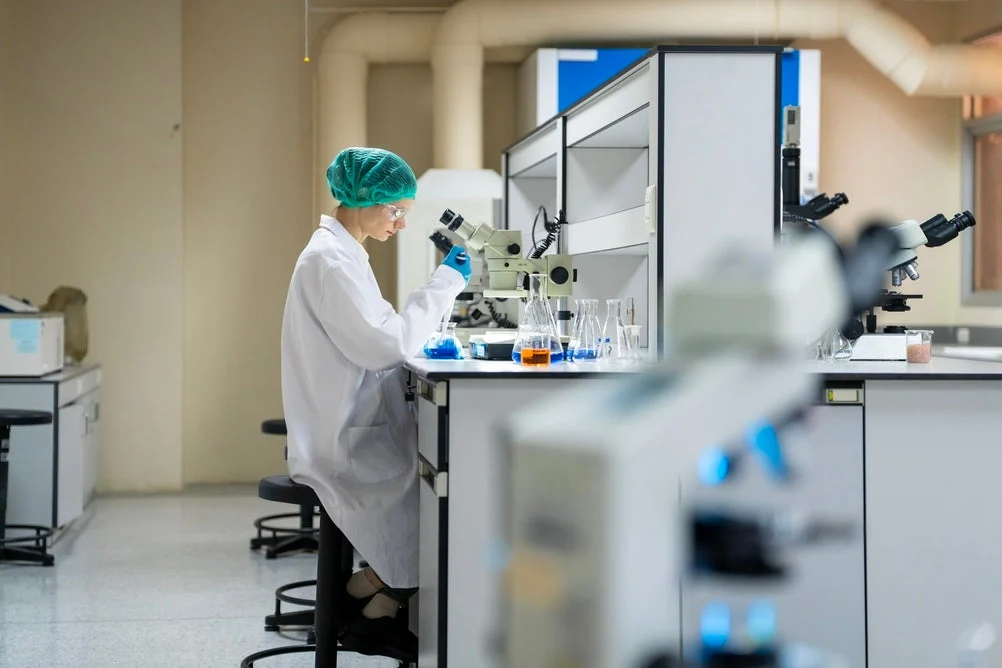
The landscape of pharmaceutical research and development (R&D) is undergoing a profound transformation, driven by the increasing integration of artificial intelligence (AI)-guided autonomous laboratories. These sophisticated systems, combining advanced robotics with intelligent algorithms, are poised to dramatically accelerate the pace of drug discovery and development, while simultaneously redefining the role of human researchers. Experts in the field emphasize that while AI will undoubtedly augment and alter the nature of scientific work, it is unlikely to replace human ingenuity and oversight entirely.
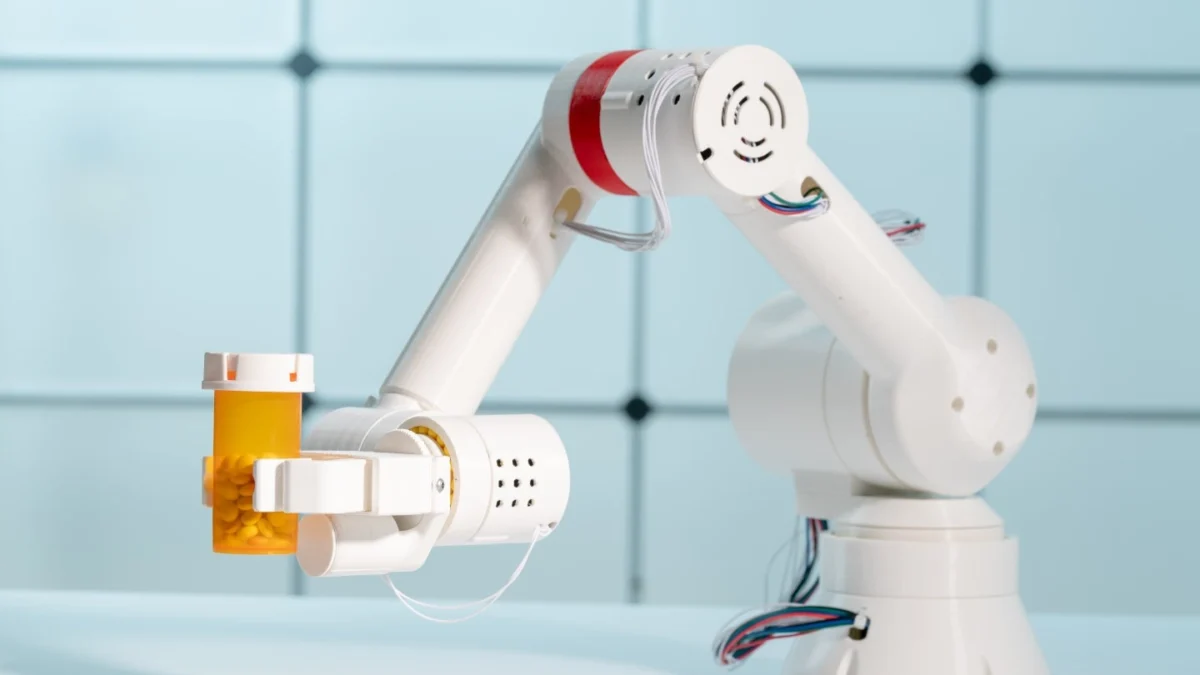
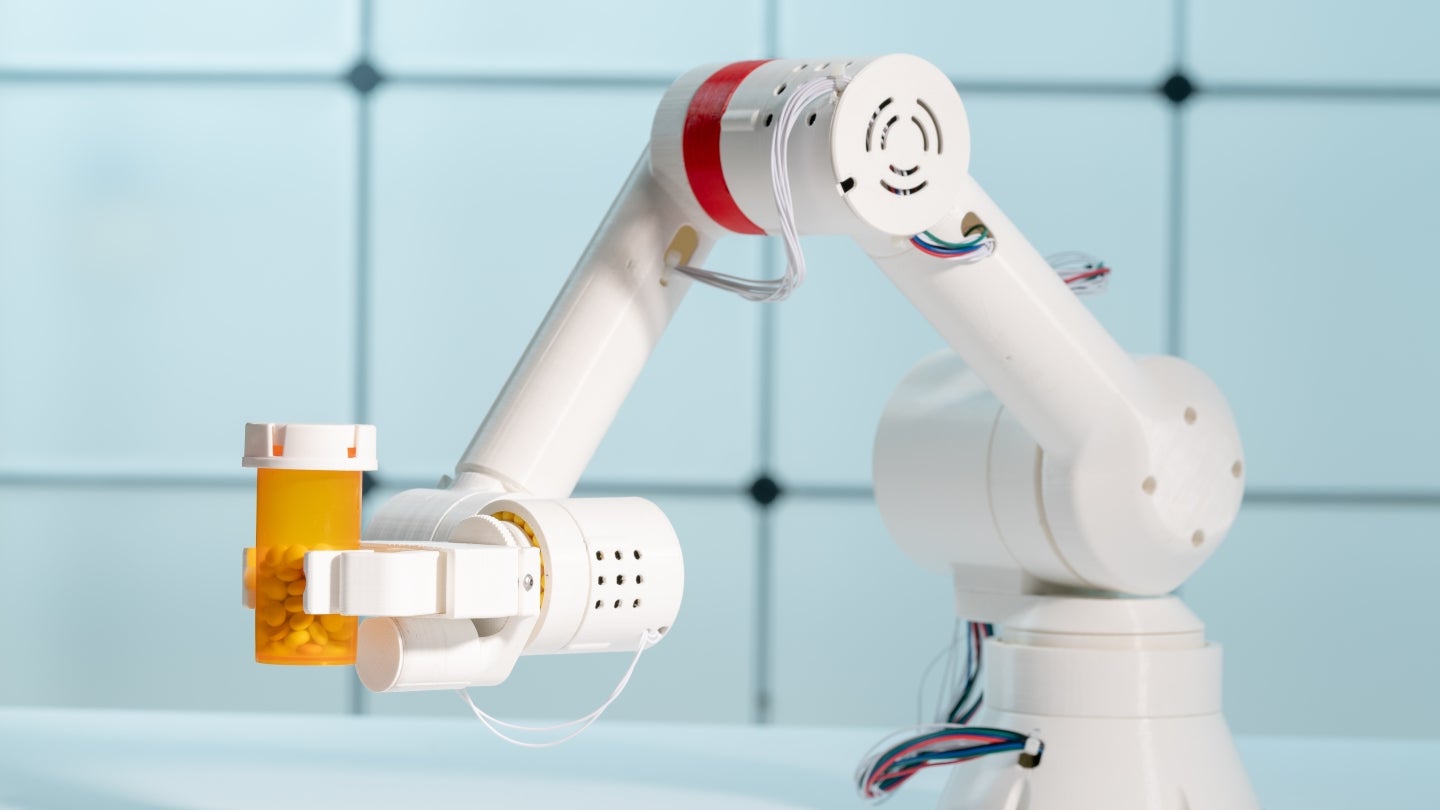
At their core, autonomous laboratories, often referred to as "self-driving laboratories" (SDLs), are characterized by two fundamental components: automated machinery and AI agents that orchestrate their operation. Robotic arms, sophisticated bioreactors, and high-throughput screening platforms form the physical backbone, while AI algorithms provide the intelligence to plan, execute, and learn from experiments. Recent breakthroughs in AI, particularly in areas like machine learning and natural language processing, have significantly enhanced the capabilities of these systems, making them more adaptable, insightful, and efficient.
The promise of these AI-driven labs is immense. Developers and proponents suggest they can drastically reduce the time and cost associated with traditional drug development pipelines. By automating repetitive tasks, optimizing experimental parameters, and even generating novel hypotheses, SDLs can accelerate the identification of promising drug candidates and streamline the preclinical testing phases. This increased efficiency could be particularly impactful for tackling rare diseases and developing treatments for novel modalities, areas that have historically faced significant challenges due to lengthy development cycles and high costs.
However, the prospect of increasingly capable AI systems in R&D has also ignited concerns about job displacement for human researchers. As AI takes on more complex experimental planning and decision-making, questions arise about the future necessity of human involvement. Yet, those at the forefront of developing and implementing autonomous lab technologies offer a more collaborative vision. They posit that human scientists will transition from executing granular technical tasks to a more strategic, conceptual role, focusing on defining overarching research goals, interpreting complex results, and guiding the broader direction of scientific inquiry.
Defining the Spectrum of Autonomy in Laboratories
The concept of laboratory autonomy is not entirely new, but its recent advancements have led to more refined definitions. A seminal 2020 paper published in Molecular Systems Biology established a framework for laboratory autonomy, drawing parallels to the well-known SAE levels of vehicle autonomy. This spectrum ranges from Level 0, representing no automation, to Level 5, where humans are primarily tasked with setting high-level goals and receiving synthesized results.
Further elaborating on this concept, a 2024 publication in Chemical Reviews proposed a dual-axis model, evaluating autonomy based on both hardware capabilities and software intelligence. This approach acknowledges that true autonomy requires not only sophisticated automated equipment but also intelligent AI systems capable of complex reasoning and decision-making.
The Pillars of Autonomous Laboratory Technology
The foundational elements of autonomous labs, as described by experts like Paloma Prieto, Vice President of Operations at Telescope Innovations, include a suite of automated hardware and advanced AI analytics. Telescope Innovations, a company specializing in both individual automated hardware components and fully integrated autonomous laboratory solutions, has observed significant global interest in these technologies.
A notable milestone in the adoption of such systems occurred in December 2025 when Telescope Innovations installed South Korea’s inaugural autonomous laboratory for the Korean Pharmaceutical and Biopharmaceutical Manufacturers Association (KPBMA). This was followed by the establishment of a second advanced laboratory for pharmaceutical giant Pfizer in January 2025, underscoring the growing commitment of major industry players to embrace this transformative technology.
AI Integration: The Catalyst for True Automation
Historically, robotic laboratory technologies, while promising, have faced challenges related to usability and underutilization. Nick Edwards, PhD, CEO of AI developer Potato, highlights that recent advancements in AI have been instrumental in overcoming these hurdles. AI agents, he explains, have unlocked the potential for true laboratory autonomy, facilitating a more intuitive interface between researchers and automated machinery.
Potato, a seed-stage company, has developed an AI model named "Tater." Tater is described as a multi-agent system capable of analyzing raw scientific data, interpreting it within the context of existing literature, and even planning experiments. Edwards, a neuroscientist by training, drew inspiration for this work from his doctoral research, where the need for rapid experimental turnaround was critical. The advent of powerful generative AI models like ChatGPT spurred his exploration into applying AI to accelerate biological research.
Edwards shared compelling anecdotes demonstrating Tater’s capabilities. In one instance, he provided the AI with historical data from his PhD thesis, and it was able to rapidly generate complex figures that had previously taken him hours to produce. In another scenario, Tater analyzed unpublished data from a failed experiment, quickly identifying potential issues and proposing solutions within minutes.
This ability to "close the loop" in biochemical experimentation, where AI agents can independently plan, execute, and learn from experiments, is a hallmark of advanced autonomous labs. Alexander Tobias, PhD, a researcher formerly with the MITRE Corporation, suggests that some developers are indeed approaching Level 5 autonomy, which he and a co-author described in a 2025 Royal Society Open Science paper as akin to a "full-fledged (artificially) intelligent research scientist."
A New Era of Human-AI Collaboration in R&D
The widespread adoption of autonomous laboratories carries potentially seismic implications for the biopharmaceutical industry. Hector Garcia Martin, PhD, a Staff Scientist at the Lawrence Berkeley National Laboratory, emphasizes that the most immediate impact will be a dramatic acceleration in the early stages of drug R&D. Beyond the physical speed of experimentation, autonomous systems can also mitigate delays caused by trial-and-error approaches by accurately predicting experimental outcomes and intelligently guiding subsequent steps.
The economic benefits of this increased efficiency are expected to cascade. As the cost of data generation and experimentation decreases, areas like rare disease research, which have often been underserved due to high development costs, could receive greater attention and investment. Paloma Prieto notes that this democratization of research could open up new avenues for innovation.
However, as autonomous labs inch closer to the theoretical Level 5 autonomy, the role of human researchers remains a subject of discussion. Alexander Tobias asserts that AI is "highly complementary to humans," suggesting a future of synergistic collaboration rather than outright replacement.
Both Nick Edwards and Paloma Prieto envision a fundamental shift in the responsibilities of human scientists. "We are not trying to replace chemists," Prieto states. Instead, she explains, scientists will focus on defining the "taste" – the overarching strategic direction and the fundamental questions to be explored. AI, in turn, will handle the intricate details of experimental design and execution. Edwards likens this shift to "vibe coding" in the post-AI software development landscape, suggesting a more intuitive and high-level form of scientific direction. This evolution, according to Martin, could ultimately increase opportunities for human involvement in R&D.
Despite the optimistic outlook, certain challenges and considerations persist. Tobias points out that current patent laws, which grant intellectual property rights to human inventors, may require reform as AI-driven discoveries become more prevalent. The question of inventorship in an AI-assisted R&D environment is a complex legal and ethical issue that will need to be addressed.
Navigating the Hurdles to Autonomous Lab Adoption
While interest in autonomous labs is predominantly commercial, with significant engagement from large pharmaceutical companies, government adoption is also growing. For instance, in December 2025, the US Department of Energy awarded Ginkgo Bioworks a $47 million contract to develop an autonomous microbial phenotyping platform, signaling a growing recognition of the technology’s potential in public sector research.
However, several factors influence the pace of autonomous lab adoption. The significant cost of advanced automated hardware remains a potential barrier, particularly for smaller research institutions or startups. Tobias suggests that a phased approach, prioritizing AI infrastructure development while retaining human technicians for certain tasks, could be a more accessible entry point.
Furthermore, the cost of training researchers to effectively operate and collaborate with these new systems represents a substantial investment. Prieto highlights this as a key challenge for widespread adoption.
The inherent limitations of current AI technology also play a role in shaping the capabilities of autonomous labs. The adage "garbage in, garbage out" remains pertinent; sophisticated AI relies on high-quality, comprehensive data. Tobias notes that persistent "data blind spots," such as the underreporting of failed experiments in scientific literature, can hinder AI’s ability to predict null outcomes or identify the root causes of experimental setbacks.
Moreover, while autonomous labs excel at routine and well-defined tasks, such as sample processing or standard analytical procedures, their efficacy diminishes when confronting novel or non-routine challenges. The dynamic nature of biopharmaceutical R&D often necessitates innovative solutions to emergent problems. The time required to reprogramme autonomous systems to address entirely new research paradigms may be too lengthy to be practical, potentially ensuring an enduring role for human researchers in tackling the most complex and unpredictable scientific frontiers. This suggests that the future of pharmaceutical R&D will likely be a dynamic interplay between the efficiency and precision of AI-driven automation and the adaptable, creative problem-solving capabilities of human scientists.