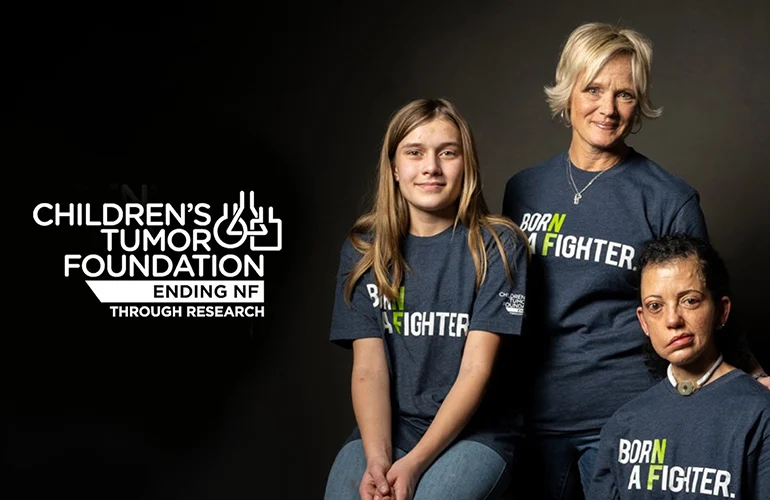
Across the global pharmaceutical landscape, a staggering number of potentially life-changing therapies for rare diseases lie dormant, gathering dust on company shelves. According to Annette Bakker, CEO of the Children’s Tumor Foundation (CTF), this figure exceeds 5,000 drug candidates that have had their development halted, often after substantial investment in preclinical research, toxicology studies, and even early-stage clinical trials. This vast reservoir of untapped potential represents a critical challenge and an immense opportunity in the quest to address the urgent needs of patients suffering from rare conditions. Nonprofit organizations like the CTF are increasingly stepping into this void, leveraging their unique capabilities to bridge the gap between discarded assets and patient access.
The Silent Crisis: Over 5,000 Shelved Therapies
The phenomenon of shelved drug assets is a complex issue rooted in the intricate economics and strategic imperatives of the pharmaceutical industry. While one might assume that a drug’s efficacy or safety would be the primary determinant of its progression, commercial considerations often play an equally, if not more, significant role. Major pharmaceutical companies frequently acquire smaller biotechs not for their entire pipeline, but for a singular, highly promising candidate, leading to the deprioritization or outright shelving of other assets within the acquired portfolio. Similarly, promising partnerships between emerging biotechs and larger pharma entities can dissolve, leaving the smaller company without the necessary resources or infrastructure to continue development independently. The demise of a biotech firm can also lead to critical research data becoming inaccessible, effectively rendering years of scientific endeavor futile.
Annette Bakker underscores the inherent value in these discarded assets: “Shelved assets are our focus because a shelved asset has already undergone a lot of development, a company has maybe already spent hundreds of millions of dollars on them, and they are now written off as a loss. What if we could take those and put them right into clinical trials? We could win all those years of preclinical and toxicology and go into clinical almost immediately.” This perspective highlights the profound efficiency gains and accelerated timelines possible by resurrecting these pre-vetted compounds, potentially bypassing years of foundational research and development.
Children’s Tumor Foundation: A Pioneer in Neurofibromatosis Research
The Children’s Tumor Foundation stands as a compelling example of a nonprofit organization transforming the landscape of rare disease drug discovery. Primarily focused on neurofibromatosis (NF), a group of genetic disorders characterized by the growth of tumors on nerves throughout the body, CTF has evolved into a formidable drug discovery engine. NF encompasses several forms, including NF1, NF2, and Schwannomatosis, each presenting unique clinical challenges and affecting approximately 1 in 2,000 to 3,000 individuals globally. These conditions can lead to a wide array of symptoms, from disfiguring tumors and skeletal deformities to vision loss, hearing loss, and neurological complications. Historically, treatment options were limited to surgery and symptom management, offering little hope for targeting the underlying disease mechanisms.
CTF’s pioneering efforts are particularly evident in its early-stage funding of research into MEK inhibitors as a therapeutic avenue for NF. MEK inhibitors are a class of drugs that block the activity of MEK (mitogen-activated protein kinase) proteins, which are part of a signaling pathway (RAS/MAPK pathway) often overactive in various cancers and conditions like NF. This foundational research proved instrumental, laying the groundwork for the development of the only two FDA-approved treatments for NF, a testament to the foundation’s strategic foresight and impact. The success of these therapies, such as selumetinib (Koselugo), which was approved for pediatric patients with NF1 and symptomatic, inoperable plexiform neurofibromas, marked a significant milestone, offering the first systemic treatment for a challenging manifestation of the disease. This demonstrated capability now underpins CTF’s ambitious pivot towards identifying and advancing promising drug candidates that have been abandoned by pharmaceutical companies.
Navigating the Shelved Asset Labyrinth: The Gomekli Success Story
The journey from a shelved asset to an approved therapy is fraught with challenges, yet CTF has already demonstrated its capacity to navigate this complex terrain. A prime example is the licensing of nirogacestat, a gamma secretase inhibitor originally developed by Pfizer. This drug, which the original article refers to as "Gomekli," had been sidelined by the pharmaceutical giant. Recognizing its potential, particularly for desmoid tumors – rare, aggressive soft tissue tumors that share some biological pathways with NF-related conditions – Bakker championed its revival.
In 2017, Bakker successfully persuaded key champions within Pfizer, notably Freda Lewis-Hall and Lara Sullivan, to license the shelved drug to a newly established spin-off company, SpringWorks Therapeutics. SpringWorks, founded with the specific mission of advancing promising but neglected drug candidates, embarked on a rigorous development program for nirogacestat. The drug subsequently received FDA approval in November 2023 under the brand name Ogsivec for the treatment of adult patients with progressing desmoid tumors who require systemic treatment. This approval marked a monumental achievement, not only for patients suffering from desmoid tumors but also for the innovative model championed by CTF. The commercial validation of this approach was further solidified when Merck KGaA announced its acquisition of SpringWorks Therapeutics for $3.4 billion, underscoring the significant value that can be unlocked from previously overlooked assets.
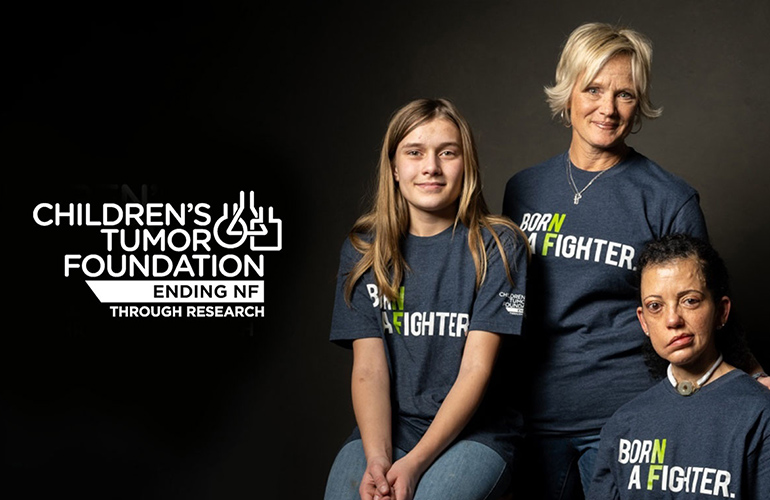
Despite this resounding success, Bakker acknowledges the formidable hurdle of scalability. "We are looking for these champions in other companies that are willing to work with us, but the pharma companies we are calling are not opening the door," she notes. This highlights a persistent challenge: while the scientific and patient benefit of repurposing shelved drugs is clear, the bureaucratic inertia and commercial risk aversion within large pharmaceutical corporations can still impede collaboration. Overcoming these systemic barriers requires persistent advocacy, compelling data, and the cultivation of strong relationships with industry leaders who share a vision for unlocking the potential of these dormant therapies.
The Unique Challenges of Rare Disease Drug Development
Developing drugs for rare diseases presents a unique set of challenges that are amplified tenfold compared to common ailments. As Bakker aptly puts it, “Everything you do in drug discovery is ten times harder in rare disease.”
- Patient Recruitment: One of the most significant hurdles is recruiting a sufficient number of patients for clinical trials. With rare diseases affecting only a small fraction of the population – often just a few thousand individuals globally for a specific condition or subtype – finding eligible participants scattered across various countries is an arduous and time-consuming process. For instance, while NF affects roughly 1 in 2,000 people, the subset of patients with specific manifestations, such as inoperable plexiform tumors targeted by drugs like nirogacestat, is considerably smaller. This scarcity directly translates into prolonged trial durations and substantially higher costs.
- Disease Heterogeneity: Rare diseases often exhibit significant clinical and genetic heterogeneity, making it difficult to define clear patient populations and predict drug response.
- Lack of Natural History Data: Comprehensive data on the natural progression of many rare diseases is often scarce, complicating trial design and the identification of meaningful endpoints.
- Limited Market Size: The small patient populations inherently limit the potential commercial returns for pharmaceutical companies, often making rare disease drug development a less attractive investment compared to therapies for prevalent conditions.
This is precisely where nonprofits like the Children’s Tumor Foundation demonstrate their unparalleled value. Rare disease nonprofits inherently possess deep connections to patient communities, fostering extensive networks that can dramatically streamline recruitment for clinical trials. These foundations serve as trusted intermediaries, educating patients and their families about research opportunities and facilitating their participation, thereby accelerating trial timelines and reducing development costs.
Building an Ecosystem for Efficiency: CTF’s Preclinical Hub
Recognizing that simply identifying shelved assets is not enough, CTF has strategically invested in building a robust infrastructure to efficiently advance these candidates. The foundation has established a sophisticated preclinical hub, a constantly growing network of preclinical models that include various cell lines, patient-derived xenografts, and genetically engineered animal models. These models are crucial for thoroughly evaluating the efficacy and safety of potential drug candidates in a controlled environment before human trials.
Once a pharmaceutical company agrees to license an asset to CTF or a spin-off entity, the foundation can seamlessly integrate the drug into its preclinical pipeline. This internal capability allows CTF to rigorously test the compound against relevant disease models, identify optimal dosing strategies, and generate critical data required for regulatory submissions. By having these resources in-house or through a network of academic and research partners, CTF minimizes reliance on external contract research organizations (CROs) for initial stages, further enhancing efficiency and cost-effectiveness.
Bakker emphasizes the holistic vision behind this approach: “The idea is to create an ecosystem that makes sure that once we have the drug, we can be really efficient.” This ecosystem encompasses not only the preclinical hub but also expertise in clinical trial design for rare diseases, regulatory navigation, and patient advocacy. By creating a comprehensive support structure, CTF aims to de-risk the development process for these rescued assets, making them more attractive for further investment and ultimately accelerating their journey to market.
Broader Impact and Future Implications
The model pioneered by the Children’s Tumor Foundation holds profound implications for the broader landscape of rare disease drug development.
- Unlocking Untapped Potential: By systematically identifying and repurposing shelved assets, CTF and similar organizations can unlock a vast reservoir of scientific investment that would otherwise be lost. This represents a win-win-win scenario: patients gain access to life-changing therapies, pharmaceutical companies can potentially recoup some of their sunk costs or gain goodwill, and nonprofit organizations fulfill their mission of advancing medical research.
- Accelerating Timelines and Reducing Costs: The ability to bypass years of initial preclinical and toxicology work, coupled with efficient patient recruitment and dedicated infrastructure, can significantly shorten development timelines and reduce the exorbitant costs associated with bringing a new drug to market. This efficiency is particularly critical for rare diseases, where the return on investment is often less clear-cut for traditional pharma.
- Catalyst for Collaboration: CTF’s success serves as a powerful case study, demonstrating the viability and value of collaboration between nonprofits and industry. It could inspire other pharmaceutical companies to re-evaluate their shelved pipelines and consider licensing these assets to specialized organizations. However, as Bakker notes, the reluctance of many companies to "open the door" indicates a need for continued advocacy and potentially new incentives to foster such partnerships.
- Replicable Model for Other Rare Diseases: While CTF focuses on NF, its innovative model of a "drug discovery engine" and its approach to asset rescue are highly replicable across the spectrum of rare diseases. With over 7,000 identified rare diseases, and fewer than 10% currently having an FDA-approved treatment, the need for such models is immense. Other disease-specific foundations could adopt similar strategies, pooling resources and expertise to address their respective patient populations.
- Ethical and Policy Considerations: The increasing focus on repurposed assets also raises important ethical and policy questions regarding data sharing, intellectual property rights, and the equitable distribution of benefits. Clear frameworks and agreements are essential to ensure transparency and fairness in these collaborations. Governments and regulatory bodies could play a role in incentivizing data sharing and facilitating the transfer of shelved assets.
In conclusion, the Children’s Tumor Foundation’s audacious endeavor to rescue pharma’s shelved rare disease drugs represents a beacon of hope for millions of patients worldwide. By transforming from a traditional advocacy group into a proactive drug discovery engine, CTF is not only accelerating the development of treatments for neurofibromatosis but also forging a new pathway for addressing the broader crisis of neglected rare disease therapies. The challenge remains to scale this model, requiring sustained commitment from nonprofits, visionary leadership within the pharmaceutical industry, and supportive policy environments to unlock the full potential of these dormant scientific treasures. The ultimate prize is nothing less than a future where no promising therapy for a rare disease is left to languish on a shelf.