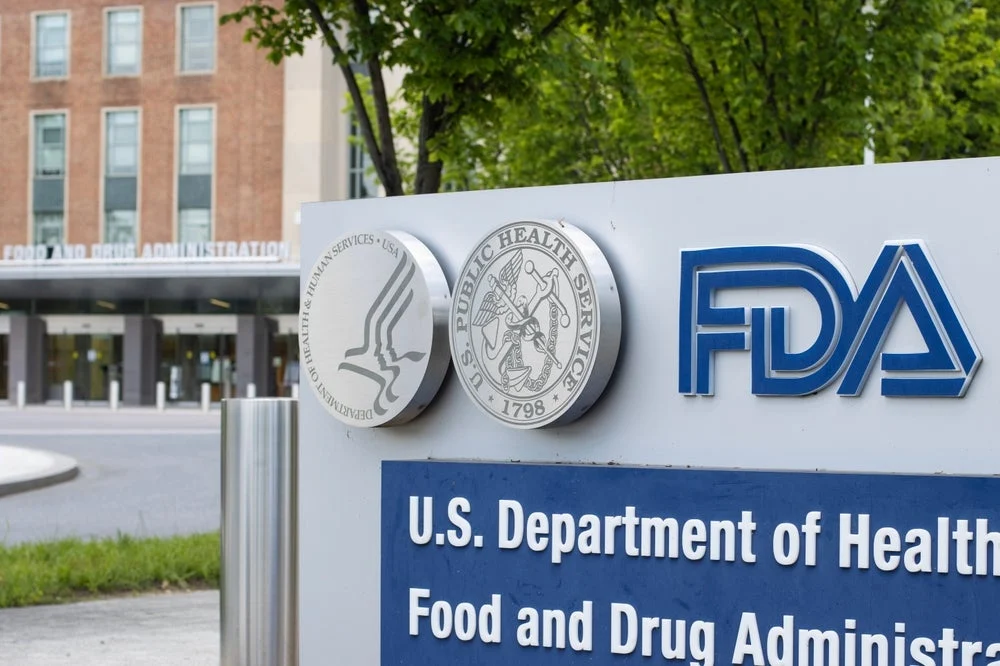
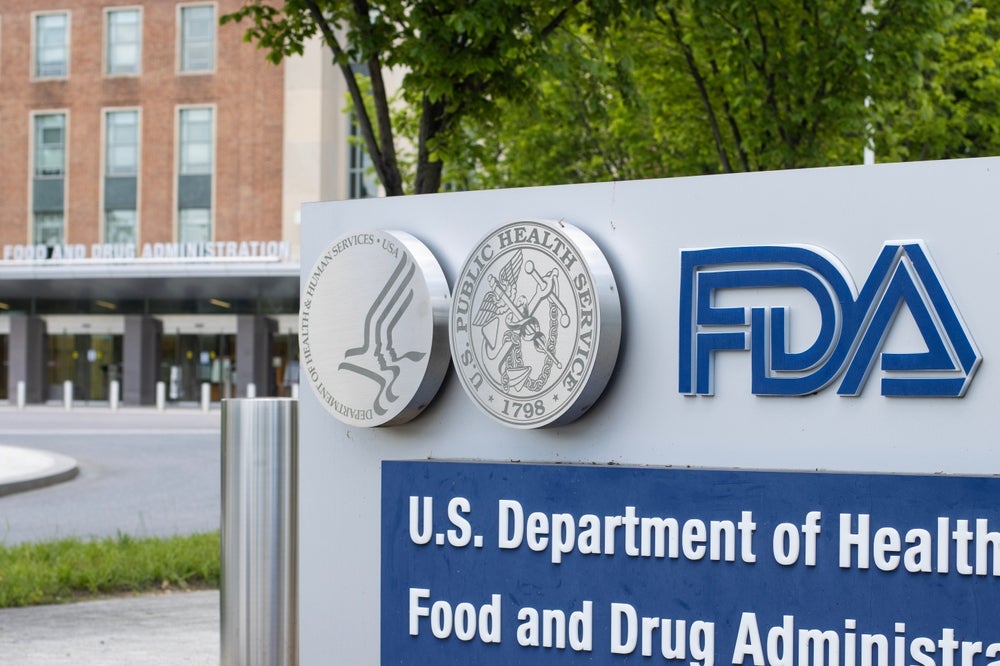
UniQure has announced a significant turning point in its pursuit of regulatory approval for AMT-130, a pioneering gene therapy aimed at treating Huntington’s disease. The US Food and Drug Administration (FDA) has reversed its earlier stance, indicating that the company can proceed with submitting a Biologics License Application (BLA) based on existing data, a move that signals a potential end to a protracted and complex regulatory journey. While a confirmatory study remains a requirement, this decision represents a substantial stride towards potentially bringing the first-ever therapy for this devastating neurodegenerative disorder to patients.
A Tumultuous Regulatory Path Culminates in Hope
The journey for AMT-130 has been marked by significant regulatory hurdles. In November 2024, uniQure’s initial filing was met with a refusal from the FDA to accept the BLA, citing a perceived lack of sufficient data from the ongoing Phase I/II clinical trial. This setback necessitated further engagement with the agency. Following a crucial meeting in January, uniQure relayed that the FDA had initially stipulated the need for an entirely new study to be conducted. However, in a surprising and welcome development announced on June 17th, the FDA communicated a revised perspective. The agency now considers the three-year analysis from the ongoing Phase I/II study to be an acceptable data package for the BLA submission, specifically for accelerated approval of AMT-130.
The exact reasons behind the FDA’s apparent change of heart remain undisclosed, but the implications are profound. This U-turn suggests a renewed willingness from the regulatory body to consider existing robust data in situations where unmet medical needs are significant. uniQure has confirmed its intention to submit the BLA in the third quarter of 2026. However, the path to full approval is not yet complete, as the company is still required to conduct a confirmatory study. The FDA is reportedly keen to align on the design of this crucial follow-up study prior to the BLA submission. Notably, the agency is exploring the possibility of using a concurrent control group receiving standard-of-care (SoC) therapy, rather than a sham procedure, for this confirmatory trial. This approach could potentially expedite the study’s completion and offer a more direct comparison to existing treatment paradigms, even if those are primarily supportive.
The Promise of AMT-130: A Novel Approach to Huntington’s Disease
Huntington’s disease is a fatal, inherited neurodegenerative disorder that affects approximately 75,000 individuals across the United States, Europe, and the United Kingdom. It is characterized by the progressive breakdown of nerve cells in the brain, leading to a range of debilitating symptoms including involuntary movements, cognitive decline, and psychiatric disturbances. The disease typically manifests between the ages of 30 and 50 and has a progressive course, with a life expectancy of 15 to 20 years after symptom onset. Currently, there are no approved treatments that can slow or halt the progression of Huntington’s disease, making the development of AMT-130 a critical endeavor for patients and their families.
AMT-130 represents a novel therapeutic strategy. It is a gene therapy administered directly into the brain via a single neurosurgical procedure. The treatment targets the striatum, a brain region particularly vulnerable to the degenerative processes of Huntington’s disease. By delivering a gene encoding a microRNA (miRNA), AMT-130 aims to silence the production of the human huntingtin protein, the underlying cause of the disease. This one-off treatment has the potential to offer a lasting therapeutic effect by addressing the genetic root of the disorder.
Clinical Trial Data and Regulatory Alignment
uniQure is currently undertaking two multi-center, dose-escalating Phase I/II clinical studies (NCT04120493 and NCT05243017) to evaluate the safety, tolerability, and efficacy of AMT-130. These studies are critical for gathering the comprehensive data required for regulatory review. A significant aspect of the FDA’s current alignment is their agreement that uniQure can utilize data from similar patients enrolled in Enroll-HD, the world’s largest observational study and natural history dataset for Huntington’s disease, to serve as a comparator group. This allows for a more robust assessment of AMT-130’s potential benefits without necessitating a sham-controlled trial in the initial stages, a common ethical consideration in early-stage trials for severe conditions.
The company’s CEO, Matt Kapusta, expressed profound gratitude for the FDA’s revised approach, stating, "Today’s announcement reflects the outcome we have worked toward throughout our continued regulatory engagement with FDA, and we are deeply grateful for FDA’s genuine commitment to addressing the unmet need of Americans living with Huntington’s disease." He further emphasized the confidence in the product’s potential: "The consistency and strength of the clinical data generated to date give us great confidence in the product’s potential to make a meaningful difference for patients. We remain focused on bringing AMT-130 to patients and families as quickly and responsibly as possible in the US and globally."
Broader Regulatory Landscape and Analyst Commentary
This regulatory development for AMT-130 comes at a time when some analysts suggest the FDA may be adopting a more flexible approach to drug submissions, particularly in areas with significant unmet medical needs. William Blair analysts, in their commentary, pointed to a similar FDA U-turn concerning Replimune’s combination therapy for advanced melanoma as indicative of this trend. They noted, "Given Vinay Prasad and Marty Makary’s public opinion on this filing and complete response letter (CRL) issuance and now the positive uniQure regulatory update for AMT-130, we believe the current FDA, largely in caretaker mode, appears to be more flexible on regulatory paths for applications where concerns were previously raised."
The mention of Vinay Prasad and Marty Makary is significant in the context of recent FDA leadership changes. Prasad, who previously headed the Center for Biologics Regulation and Evaluation (CBER), left his role in March 2026. His tenure was characterized by a rigorous approach to cell and gene therapy approvals, which sometimes led to friction with drug developers and rare disease advocacy groups due to his emphasis on specific clinical trial endpoints. Makary also resigned from his position as commissioner in May. The current FDA leadership, potentially operating in a transitional phase, may be re-evaluating its regulatory strategies, prioritizing accelerated access to potentially life-changing therapies when strong supporting data exists and significant unmet needs are present.

The FDA’s willingness to consider data from Enroll-HD as a comparator for the confirmatory study is a pragmatic step. Enroll-HD is a comprehensive, real-world database that captures longitudinal data on individuals with Huntington’s disease, providing invaluable insights into disease progression and variability. By leveraging this existing resource, uniQure can potentially streamline the confirmatory trial process, reducing the time and resources required to generate comparative data.
Timeline and Future Outlook
The confirmation of a BLA submission in Q3 2026, contingent on the agreement regarding the confirmatory study, provides a clear albeit extended timeline for regulatory review. The company’s commitment to conducting the confirmatory study "without delay" underscores the urgency felt by uniQure and the broader patient community. The focus now shifts to finalizing the design of this critical study, which will likely involve a detailed protocol outlining the patient population, treatment regimens, endpoints, and data collection methods.
The potential approval of AMT-130 would mark a historic milestone, offering a beacon of hope for individuals and families affected by Huntington’s disease. It would also represent a significant advancement in the field of gene therapy, showcasing its transformative potential for treating complex genetic disorders. The collaboration between uniQure and the FDA, particularly in navigating the final stages of regulatory review, will be closely watched by the pharmaceutical industry and patient advocacy groups worldwide. The successful development and approval of AMT-130 could pave the way for similar gene therapies targeting other currently untreatable neurological conditions, further expanding the therapeutic frontier of genetic medicine.
The support for cell and gene therapy coverage on Pharmaceutical Technology, provided by Cytiva, highlights the growing importance of this sector. This editorial content, produced independently with high journalistic integrity, ensures that readers receive accurate and unbiased information on the latest advancements in this rapidly evolving field. The independent nature of the editorial content means that sponsors, such as Cytiva, do not influence the creation of the articles, maintaining a commitment to objective reporting.