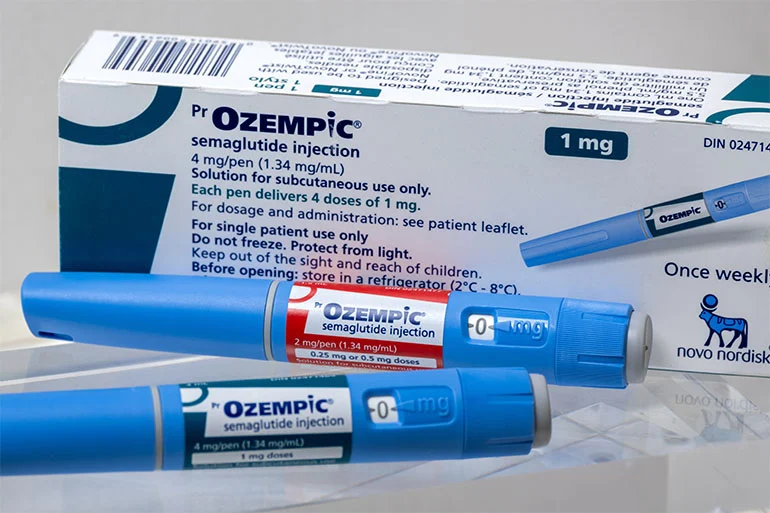
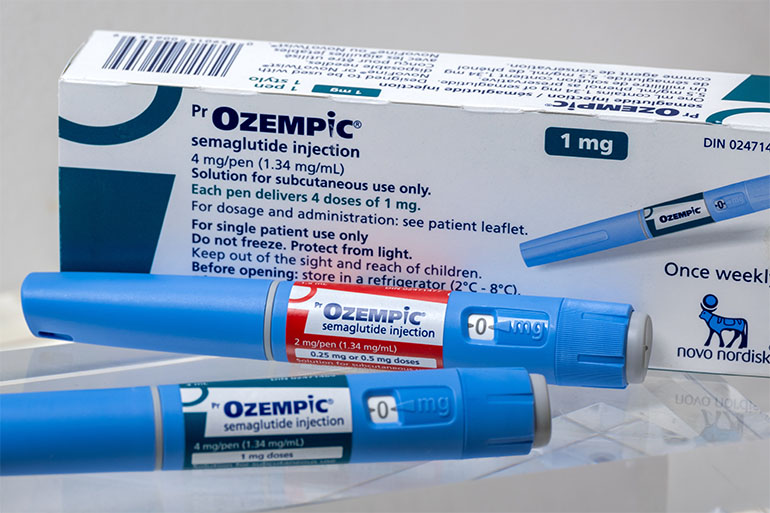
In a landmark decision poised to reshape access to one of the world’s most in-demand medications, Health Canada has granted authorization for Dr. Reddy’s Laboratories to market a generic version of semaglutide injection. This pivotal approval makes Canada the first G7 nation to introduce a generic alternative to Novo Nordisk’s blockbuster drug, Ozempic, years ahead of anticipated generic entry in other major global markets, including the United States. The move is expected to have profound implications for patients, healthcare providers, and the pharmaceutical industry, particularly in addressing the dual challenges of affordability and accessibility for a drug that has become a cornerstone in the management of type 2 diabetes and, increasingly, obesity.
The Dawn of Generic Semaglutide in Canada
On April 28, Health Canada officially approved Dr. Reddy’s generic semaglutide injection, offering a regulated, cost-effective alternative to Ozempic. This authorization covers 2 mg/pen and 4 mg/pen presentations at 1.34 mg/mL, with Dr. Reddy’s swiftly commencing launch preparations. The significance of this development was further underscored when, just days later on May 1, Health Canada also approved a generic semaglutide from Apotex, signalling a rapid expansion of generic competition. The Canadian regulatory body is currently reviewing seven additional submissions for generic semaglutide, indicating a robust pipeline of forthcoming alternatives.
This swift introduction of generic competition is a direct consequence of a unique — and for Novo Nordisk, costly — patent lapse. In 2019, Novo Nordisk failed to pay a relatively modest CAD$250 maintenance fee on Canadian patent CA 2601784. With a late fee, the total amount due was CAD$450 (approximately US$339 at the time). This oversight led to the permanent lapse of the patent, removing a critical barrier to generic entry and setting Canada on a distinct trajectory from its G7 counterparts. Novo Nordisk later controversially claimed this failure to pay was a "strategic choice," a statement met with considerable skepticism by intellectual property experts and industry observers, most notably by Derek Lowe at Science, who publicly flagged the lapse.
Ozempic’s Unprecedented Market Dominance and Patient Demand
Semaglutide, marketed by Novo Nordisk under brand names like Ozempic (for type 2 diabetes), Wegovy (for weight management), and Rybelsus (oral semaglutide for type 2 diabetes), has become one of the most transformative pharmaceutical franchises in recent history. In Canada, Ozempic holds an unparalleled position as the best-selling drug, with projected sales reaching an astounding CAD$2.9 billion in 2025 – more than triple the sales of the next best-selling drug. Over a million Canadians are currently prescribed Ozempic, highlighting the immense patient need and the drug’s widespread adoption.
Globally, the impact of semaglutide has been equally profound. Novo Nordisk reported staggering full-year 2025 sales across its semaglutide portfolio exceeding DKK 228 billion (approximately US$32 billion). Ozempic alone accounted for DKK 127.1 billion (US$18 billion), Rybelsus for DKK 22.1 billion (US$3.1 billion), and obesity care products, predominantly Wegovy, generated DKK 82.3 billion (US$11.6 billion). These figures underscore the monumental commercial success and clinical importance of the molecule, which has not only revolutionized treatment paradigms for diabetes and obesity but also validated GLP-1 receptor agonists as a highly lucrative and competitive drug class. This success has, in turn, spurred intense competition, with Eli Lilly’s dual GIP/GLP-1 receptor agonist, tirzepatide (Mounjaro, Zepbound), emerging as a formidable challenger.
The surge in demand for semaglutide products has been so overwhelming that it led to prolonged global shortages, beginning in 2022. The U.S. Food and Drug Administration (FDA) only declared the shortage of semaglutide injection products resolved in February 2025, after years of supply constraints. During this period, patients and healthcare providers in the U.S. often resorted to alternative access channels, including compounding pharmacies, direct-to-patient programs, and various payer initiatives, to bridge the supply gap. The FDA had to issue clarifications on policies for compounders making products that were essentially copies of FDA-approved semaglutide, setting deadlines for compliance once the supply stabilized. Canada’s early generic entry now offers a formal, regulated pathway to increased access, circumventing the need for such "shortage-era workarounds."
A Timeline of the Patent Lapse and its Ramifications
The unique circumstances leading to Canada’s early generic semaglutide market are rooted in a critical oversight in intellectual property management:
- 2007: Novo Nordisk’s Canadian patent CA 2601784, titled "Acylated GLP-1 compounds," is granted. This patent provided foundational protection for semaglutide.
- October 23, 2018: The last maintenance fee payment for patent CA 2601784 is received by the Canadian Intellectual Property Office (CIPO).
- 2019: Novo Nordisk fails to pay the subsequent maintenance fee of CAD$250, plus a late fee, totaling CAD$450.
- August 31, 2020: The time limit for reversing the lapse of patent CA 2601784 expires, rendering the patent permanently "Expired and beyond the Period of Reversal" in the Canadian Patents Database.
- March 20, 2026: This date was the original projected patent expiry for semaglutide under CA 2601784.
- March 20, 2028: Had the patent been maintained, a Certificate of Supplementary Protection (CSP) would have extended market exclusivity for semaglutide in Canada until this date, aligning more closely with protection periods in other major markets.
- April 28, 2026: Health Canada approves Dr. Reddy’s generic semaglutide injection.
- May 1, 2026: Health Canada approves Apotex’s generic semaglutide injection.
This sequence of events dramatically shortened Novo Nordisk’s market exclusivity in Canada, opening the door for generic competition years ahead of its counterparts in the U.S., Japan, and Europe, where active-ingredient protection for Ozempic, Wegovy, and Rybelsus is listed as running until 2032 in the U.S. and 2031 in Japan and Europe.
Official Responses and Regulatory Due Diligence
Health Canada’s approval of Dr. Reddy’s submission followed a rigorous review process. The agency confirmed that the generic product met its stringent criteria for safety, efficacy, and quality, consistent with its assessment of brand-name drugs. Health Canada characterized generic semaglutide injections as "complex synthetic products" that are pharmaceutically equivalent to the brand-name reference product, underscoring the thoroughness of their evaluation.
While Novo Nordisk has maintained that the patent lapse was a "strategic choice," the pharmaceutical industry broadly views such an oversight as highly unusual for a company of its stature, particularly concerning a product of semaglutide’s commercial magnitude. Patent maintenance fees, though small in isolation, are critical for preserving exclusivity, and lapses are typically accidental or indicative of a decision to abandon a patent for a product with limited commercial viability. The "strategic choice" explanation has been interpreted by many as an attempt to mitigate the perception of a significant error that will now cost the company substantial market share in Canada.
For Dr. Reddy’s Laboratories, this approval represents a significant strategic victory. The company highlighted that the semaglutide active pharmaceutical ingredient (API) is produced entirely in-house, demonstrating its robust capabilities in complex generics and peptide therapeutics. Finished product manufacturing is handled by OneSource Specialty Pharma, further solidifying Dr. Reddy’s position as a key player in the global generic market.
Broader Impact and Implications
The advent of generic semaglutide in Canada carries far-reaching implications across several fronts:
- Patient Access and Affordability: The most immediate and tangible benefit will be for Canadian patients. Generic versions are typically priced significantly lower than their brand-name counterparts, making semaglutide more affordable and accessible. This could alleviate financial burdens for individuals managing type 2 diabetes and potentially expand access for off-label use in weight management, where cost has been a major barrier. Lower prices could also reduce out-of-pocket expenses for patients and improve adherence to critical treatment regimens.
- Healthcare System Savings: For Canada’s publicly funded healthcare system, the introduction of generic semaglutide could translate into substantial cost savings. With Ozempic being the top-selling drug, even a modest reduction in price per prescription could free up hundreds of millions of dollars annually, which could then be reallocated to other healthcare priorities or used to expand coverage for more patients. This aligns with broader governmental efforts to control pharmaceutical expenditures.
- Competitive Landscape and Market Dynamics: Canada’s early generic entry introduces a new dynamic into the global GLP-1 market. While Novo Nordisk retains patent protection in other major markets for several more years, this Canadian development demonstrates the vulnerability of even the strongest franchises to patent-related issues. It may prompt other generic manufacturers to scrutinize patent landscapes more closely for similar opportunities and could influence pricing strategies for branded semaglutide products in markets where generics are anticipated later.
- Precedent for Global Access Debate: This event highlights how national patent rules and, in this case, a critical administrative oversight, can dramatically alter the pace of drug access. It shifts the global conversation around GLP-1 access from emergency measures during shortages to formal, regulated generic competition. While Canada’s situation is unique due to the patent lapse, it underscores the potential for generic entry to significantly improve public health outcomes by broadening access to essential medicines.
- Lessons in Intellectual Property Management: The incident serves as a stark reminder to pharmaceutical companies worldwide about the paramount importance of meticulous patent portfolio management, particularly regarding maintenance fees. The financial repercussions for Novo Nordisk in Canada, potentially amounting to billions in lost revenue, far outweigh the small sum of the lapsed patent fee.
- U.S. Context and Future Outlook: In the U.S., the situation remains distinct. Novo Nordisk’s 2025 Form 20-F indicates that U.S. compound patent expiry for Ozempic, Rybelsus, and Wegovy is not until 2032. However, the company has already settled U.S. Ozempic patent litigation with several generic manufacturers, including Alvogen, Rio Biopharmaceuticals, Sun Pharma, Dr. Reddy’s, Mylan, Zydus, and Apotex. While the settlement terms are confidential, these agreements often involve licensed generic entry at a later date, prior to full patent expiry, in exchange for avoiding costly and protracted legal battles. This indicates that even with robust patent protection, generic manufacturers are actively positioning themselves for future market entry, and branded companies are strategizing to manage the eventual transition.
In conclusion, Canada’s approval of generic semaglutide marks a watershed moment in pharmaceutical access. Driven by a singular patent lapse, this development positions Canada as a leader in making a transformative drug more affordable and available to its population. It sets a precedent for how a relatively minor administrative oversight can have monumental commercial and public health consequences, while also highlighting the evolving dynamics of the global pharmaceutical market as it grapples with the immense demand and cost of innovative therapies. The ripple effects of this Canadian decision are likely to resonate across the industry, influencing patent strategies, pricing models, and the broader debate on equitable access to life-changing medicines.