Immunai, a leading artificial intelligence (AI) company specializing in immune system analysis, and Boehringer Ingelheim, a global biopharmaceutical giant, have officially announced a significant multi-project collaboration aimed at revolutionizing the identification of new T-cell targets. This partnership will concentrate on two critical therapeutic areas: oncology and autoimmune diseases, both of which present substantial unmet medical needs for patients worldwide. The alliance leverages Immunai’s cutting-edge AI platform and extensive immune data analysis capabilities with Boehringer Ingelheim’s deep expertise in drug discovery and development.
The initial phase of this ambitious collaboration, set to run until 2027, has been valued at up to $15 million. This financial commitment underscores the shared optimism and strategic importance both organizations place on this venture. Importantly, the agreement includes provisions for expansion, contingent upon the successful achievement of predefined scientific milestones and mutual agreement between Immunai and Boehringer Ingelheim. This phased approach allows for flexibility and ensures that the partnership can adapt and grow as new discoveries are made.
Leveraging Advanced AI for Immune System Insights
At the core of this collaboration lies the commitment to gather and meticulously analyze an extensive volume of patient samples. This data-intensive approach is crucial for generating the robust insights necessary to understand the complex interplay of T-cells in disease pathogenesis. Immunai’s proprietary single-cell AI platform is set to play a pivotal role in this process. The platform is designed to detect subtle and intricate patterns of T-cell dysfunction, a key contributor to the development and progression of both cancerous tumors and autoimmune disorders.
The synergy between Immunai’s AI capabilities and Boehringer Ingelheim’s established drug discovery infrastructure is designed to accelerate the translational research process. Once critical findings are confirmed through Immunai’s platform, these insights will be seamlessly transferred to Boehringer Ingelheim’s research laboratories. Here, they are expected to serve as foundational pillars for the initiation of new drug discovery projects within Boehringer Ingelheim’s extensive portfolio. This strategic integration aims to shorten the timeline from biological insight to potential therapeutic intervention.
Bridging Disparate Research Landscapes
Historically, research into oncology and autoimmune diseases, despite sharing common immunological underpinnings, has often proceeded in separate silos. T-cell dysfunction, a critical factor in both domains, has been studied with distinct methodologies and often without cross-pollination of findings. This collaboration explicitly seeks to bridge this gap by employing a unified approach that combines single-cell multiomic data with AI-driven functional validation.
The overarching objective is to unveil biological mechanisms and therapeutic targets that might elude conventional, more narrowly focused research endeavors. By analyzing immune cell data at an unprecedented granular level and applying sophisticated AI models, the partnership anticipates uncovering novel therapeutic avenues that address the fundamental immunological drivers of these complex diseases. This integrated strategy promises to unlock a more comprehensive understanding of immune system behavior in health and disease.
Immunai’s AMICA-OS: The Engine of Discovery
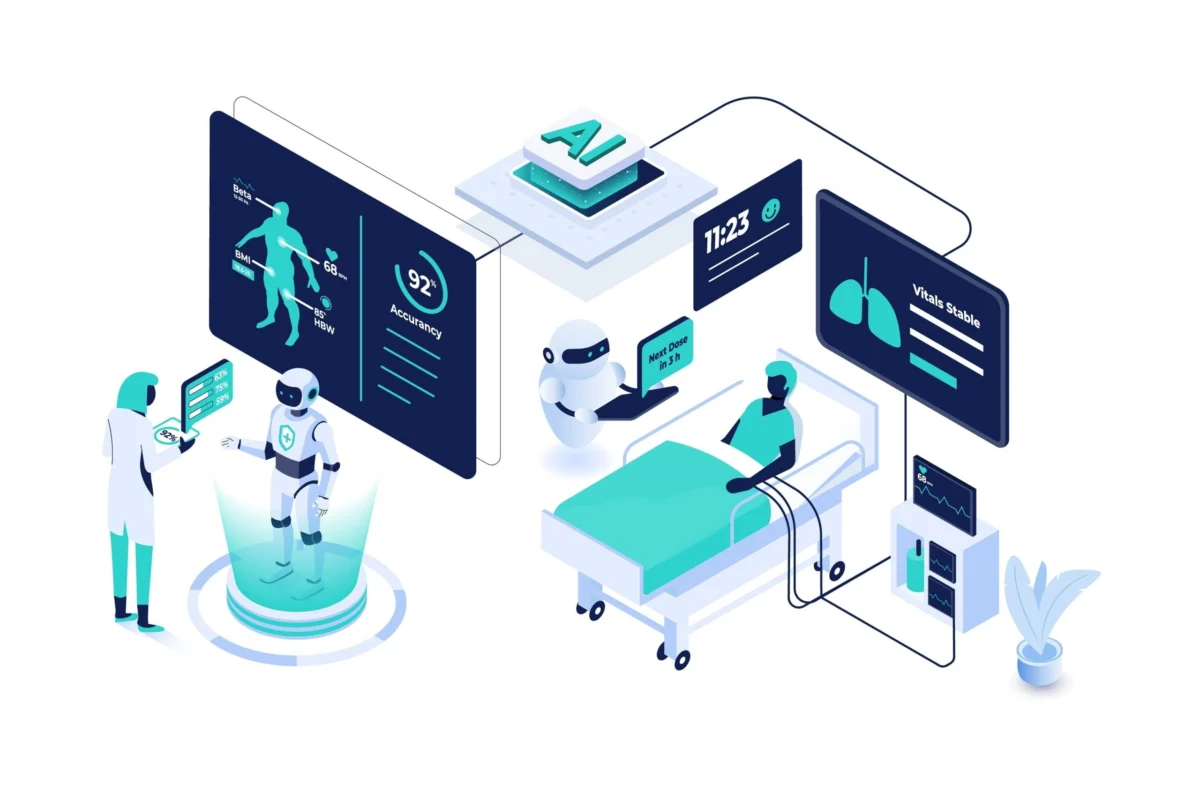
Immunai’s advanced AI operating system, AMICA-OS, is central to the operational execution of this collaboration. AMICA-OS is engineered to integrate harmonized, immune-focused single-cell data with cutting-edge AI framework models. Crucially, it also incorporates laboratory target validation processes, creating a closed-loop system designed to yield actionable insights directly relevant to drug discovery. This holistic approach ensures that data analysis is not merely an academic exercise but a direct pathway to identifying and validating potential drug targets. The system’s ability to process and interpret vast datasets of single-cell information, which includes genomic, transcriptomic, and proteomic data, allows for an unparalleled depth of understanding of cellular heterogeneity and function.
Boehringer Ingelheim’s Vision for Patient Impact
Lamine Mbow, Global Head of Discovery Research at Boehringer Ingelheim, articulated the company’s unwavering commitment to addressing the significant unmet medical needs in oncology and inflammatory/autoimmune diseases. "Across oncology and inflammatory / autoimmune diseases, patients continue to face serious unmet medical needs, and too many still lack treatment options that can meaningfully change the course of disease," Mbow stated. He further emphasized, "At Boehringer Ingelheim, we are committed to identifying and developing new treatment approaches and novel modalities in areas where patients need more. This collaboration reflects our ambition to pursue innovative science and translate new biological insights into potential medicines that can improve patient outcomes." This statement underscores Boehringer Ingelheim’s patient-centric philosophy and its strategic focus on innovation to bring transformative therapies to market.
The company’s ongoing investment in cutting-edge research, including this alliance with Immunai, highlights its strategy to harness the power of AI and advanced biological insights to tackle some of the most challenging diseases of our time. Boehringer Ingelheim’s established track record in developing successful therapies across various disease areas provides a strong foundation for translating the discoveries from this collaboration into tangible patient benefits.
A Track Record of Strategic Alliances
This collaboration with Boehringer Ingelheim is not an isolated initiative for Immunai. The company has a proven history of forging impactful partnerships with leading pharmaceutical and biotechnology firms. In 2026, Immunai announced similar agreements with Bristol Myers Squibb and AstraZeneca, both focused on leveraging its technology platform for the analysis of oncology and immune-related data. These collaborations demonstrate Immunai’s consistent success in applying its AI-driven immune analysis capabilities to address critical challenges in drug discovery and development across the biopharmaceutical industry.
Boehringer Ingelheim has also been actively expanding its strategic partnerships. In a recent development, the company announced a research collaboration agreement with Combotope Therapeutics, aimed at advancing the development of tumor-selective antibody therapies for cancer. This move reflects Boehringer Ingelheim’s proactive approach to exploring novel therapeutic modalities and engaging with innovative partners to augment its pipeline and scientific capabilities.
Broader Implications for Therapeutic Development
The implications of this Immunai and Boehringer Ingelheim collaboration extend beyond the immediate scope of their defined projects. By championing a data-driven, AI-powered approach to understanding T-cell biology across diverse disease states, the partnership has the potential to set new paradigms in drug discovery. The ability to identify common, yet previously unrecognized, mechanistic links between seemingly disparate diseases like cancer and autoimmune conditions could unlock entirely new classes of therapeutics.
The focus on single-cell multiomics is particularly significant. This technology allows researchers to examine the genetic and molecular characteristics of individual cells, providing a level of detail unattainable with traditional bulk analysis. When combined with AI, this granular data can reveal subtle cellular states and interactions that are critical for disease initiation and progression. The insights gained could lead to more precise and personalized treatment strategies, moving away from one-size-fits-all approaches towards therapies tailored to the specific immunological profile of a patient’s disease.
Furthermore, the emphasis on functional validation within Immunai’s AMICA-OS system is crucial for ensuring that identified targets are not just statistically significant but biologically relevant and druggable. This rigorous validation process minimizes the risk of pursuing unproductive research avenues and increases the probability of success in preclinical and clinical development.
The successful execution of this collaboration could pave the way for a more integrated and efficient drug discovery ecosystem. By pooling resources, expertise, and cutting-edge technology, Immunai and Boehringer Ingelheim are demonstrating a powerful model for how industry leaders can accelerate innovation and address the most pressing global health challenges. The potential to uncover novel T-cell targets with broad applicability across oncology and autoimmune diseases represents a significant step forward in the quest for more effective and life-changing treatments for millions of patients. The continued evolution of AI in biomedical research, exemplified by this partnership, promises to reshape the future of medicine, offering hope for breakthroughs in areas where current therapeutic options remain limited. The coming years will be critical in observing how the data gathered and the insights generated from this alliance translate into tangible advancements in patient care.