The pharmaceutical landscape is undergoing a profound transformation, spearheaded by the remarkable expansion of Glucagon-Like Peptide-1 (GLP-1) receptor agonists. Initially hailed for their efficacy in managing type 2 diabetes, these drugs, notably semaglutide and tirzepatide, have rapidly broadened their therapeutic scope to encompass a range of severe and pervasive conditions, from obesity and cardiovascular disease to chronic kidney disease and metabolic dysfunction-associated steatohepatitis (MASH). This therapeutic diversification, however, has created a parallel and equally significant shift in the demands placed on the foundational element of drug discovery: biospecimens. The evolving understanding of GLP-1 biology and its potential across disparate disease areas necessitates a new generation of patient samples and data, moving beyond the traditional metabolic endpoints to address complex pathologies like neurodegeneration and oncology.
The Ascendance of GLP-1 Agonists: A Therapeutic Revolution
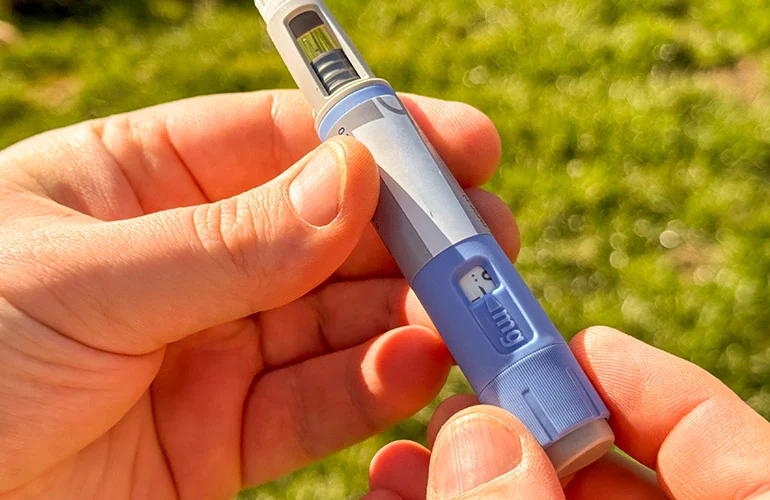
The journey of GLP-1 receptor agonists from niche diabetes treatment to a multifaceted therapeutic powerhouse is one of the most compelling narratives in modern medicine. These drugs mimic the action of natural incretin hormones, primarily GLP-1, which stimulates insulin secretion, suppresses glucagon release, slows gastric emptying, and promotes satiety. The initial success of single-agonist therapies like semaglutide (Ozempic, Wegovy) paved the way for more sophisticated compounds. Tirzepatide (Mounjaro, Zepbound), a dual GIP/GLP-1 agonist, represents a significant leap, leveraging the synergistic effects of two incretin pathways. The pipeline continues to evolve, with next-generation candidates exploring triple agonism (GLP-1, GIP, glucagon) or entirely new mechanisms involving amylin and FGF21 biology. This intense innovation is fueled by a burgeoning competitive landscape, with the early duopoly of Novo Nordisk and Eli Lilly now facing challenges from oral small molecules, extended monthly dosing regimens, and a growing wave of international contenders, particularly from China.
The impact on public health and healthcare economics is immense. As of late last year, approximately one in eight American adults were reportedly taking a GLP-1 drug for various conditions. The recent decision by Medicare to begin covering GLP-1 drugs for weight loss, effective July 1, at a more affordable rate of about $50 per month, marks a pivotal moment in accessibility. This move is expected to dramatically increase patient uptake, especially given that many individuals previously found the list prices, often exceeding $1,000 per month, prohibitive, even with manufacturers’ discounted cash-pay programs. The initial success in diabetes and obesity has opened the door to a cascade of approvals and ongoing investigations into other major health challenges.
A Chronology of Expanding Indications
The rapid succession of regulatory approvals for GLP-1 agonists underscores their versatility and growing clinical significance:
- 2017: Semaglutide (Ozempic) receives FDA approval for the treatment of type 2 diabetes, marking its entry into the mainstream therapeutic arena.
- 2021: Semaglutide (Wegovy) is approved for chronic weight management, a landmark decision that ushers in the "weight-loss era" for GLP-1s and dramatically broadens their market.
- 2022: Tirzepatide (Mounjaro), a novel dual GIP/GLP-1 agonist, secures FDA approval for type 2 diabetes, demonstrating enhanced efficacy over single-agonist therapies.
- 2023: Tirzepatide (Zepbound) gains approval for obesity, solidifying its position as a major contender in weight management.
- March 2024: Wegovy receives an expanded indication to reduce cardiovascular risk in patients with obesity or overweight and established heart disease, highlighting the protective effects beyond weight loss.
- December 2024: Zepbound becomes the first drug of any kind approved for obstructive sleep apnea, a common and serious comorbidity of obesity.
- January 2025: Ozempic is approved to slow the progression of chronic kidney disease in type 2 diabetes patients, addressing another critical unmet medical need.
- August 2025: Wegovy achieves a significant milestone, becoming the first GLP-1 approved for MASH (metabolic dysfunction-associated steatohepatitis) with moderate-to-advanced fibrosis, offering hope for a severe liver disease previously lacking effective pharmacological treatments.
- December 2025: The Wegovy pill, an oral formulation of semaglutide, gains approval, providing a more convenient administration option and expanding market reach.
- April 2026: Orforglipron (Foundayo), the first oral small-molecule GLP-1, receives approval for obesity. This approval, notable for being the fastest new-drug clearance since 2002 under the National Priority Voucher program, signals a new wave of oral GLP-1s that could further transform patient access and adherence.
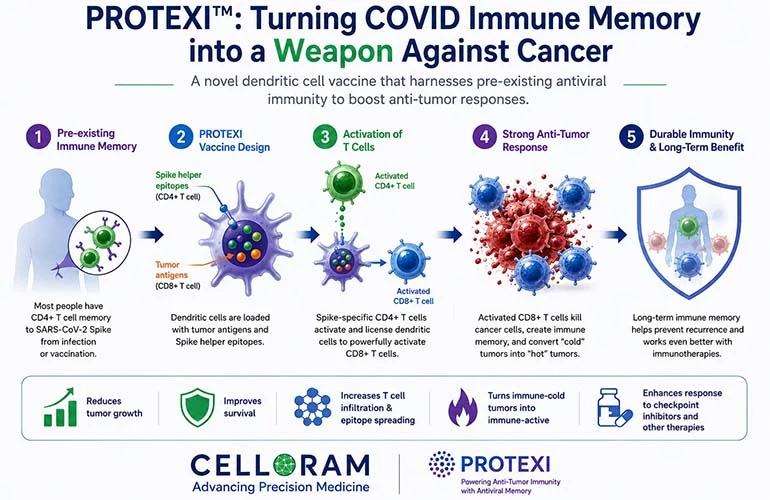
Beyond these approved indications, GLP-1 agonists are under active investigation for neurodegeneration and obesity-associated cancers, reflecting a deeper understanding of their systemic effects, even if initial neurodegeneration trials have yielded mixed results.
The Evolving Demand for Biospecimens: A Research Bottleneck
This unprecedented expansion of GLP-1 indications has profound implications for drug discovery and development infrastructure, particularly in the realm of biospecimen procurement. As Cathie Miller, Ph.D., director of product management operations at BioIVT, a global biospecimen and ADME-Tox services provider, explains, "If you think about what GLP-1s were first developed for, a lot of it was around weight loss, so a lot of the data that goes with those specimens, and a lot of the specimens that were collected, were very specific to weight loss."
The challenge now is that "those original samples the biobanks collected are no longer as relevant. The weight-loss-era banks are not going to have the oncology samples, the tumors, in their banks, and they’re not necessarily going to have the neurological conditions, the Alzheimer’s, and so on." This mismatch between existing biospecimen inventories and the evolving research questions creates a critical bottleneck. Researchers now require tumor samples, oncology cohorts, cerebrospinal fluid (CSF), or even brain tissue for neurodegeneration studies. Crucially, these specimens must be clinically annotated with detailed information about patient comorbidities, disease progression, treatment history (including GLP-1 usage), and specific disease contexts to be truly valuable. Without these precise and relevant samples, the ability to validate new targets, understand mechanisms of action, and develop next-generation therapies for these emerging GLP-1 indications is severely hampered.
From Tissue to Biofluids: A Paradigm Shift in Sourcing
The shift in research focus also coincides with a broader trend in biospecimen procurement: a pivot from solid tissue samples to biofluids. This change is driven by several factors, including the inherent difficulty and invasiveness of obtaining certain tissues, particularly from living donors, and advancements in analytical technologies.
"For many of these new indications, investigators cannot source the required tissue through surgical resection at all," Miller notes. "Some of these diagnoses people are looking for, the actual tissue is hard to source, so we’re seeing a drive toward the biofluids that represent that. It’s not just blood-derived biofluid, plasma, serum, or whole blood; we’re seeing a lot of interest in urine, feces, or saliva that support these different areas."
This transition is evident in BioIVT’s own operations. Historically, their business was approximately 60% tissue and 40% biofluids. Today, this ratio has inverted, with biofluids now accounting for roughly 60% of their business. This shift is not solely attributable to GLP-1 research but reflects a broader scientific advancement. "There’s a lot of biology being discovered that we can now do from biofluids that we used to say had to be done with tissue only," Miller adds. The rise of liquid biopsy for cancer detection and monitoring, as well as the growing interest in exosomes and other circulating biomarkers, are key drivers behind this paradigm shift. These less invasive sample types offer practical advantages for longitudinal studies and monitoring disease progression, making them increasingly attractive for drug discovery.
The global biospecimen procurement market, valued at approximately $5 billion in 2024, is projected to more than double, topping $11 billion by 2033, underscoring the growing importance of this sector. However, this growth is accompanied by significant challenges, as roughly four in five researchers report narrowing the scope of their studies due to difficulties in obtaining high-quality, well-annotated specimens.
Addressing Specific Research Frontiers: MASH, Neurodegeneration, and Oncology
The need for specialized biospecimens is particularly acute in the emerging GLP-1 research areas:

MASH (Metabolic Dysfunction-Associated Steatohepatitis): The approval of Wegovy for MASH in August 2025, alongside promising Phase 2b data for FGF21-mimic compounds like efruxifermin (now part of Novo Nordisk), has profoundly altered specimen requirements for liver disease research. Sponsors now demand hepatocytes that exhibit actual disease characteristics, such as elevated liver-fattiness scores or other MASH-like features, rather than normal liver cells. Furthermore, longer-term in vitro liver models capable of simulating chronic, fibrotic conditions are essential for evaluating these agents. As Brian Ogilvie, Ph.D., vice president of scientific consulting at BioIVT, highlights, "People are asking, for example, do you have scores for liver fattiness? It may be difficult to get a true diagnosis or pathological confirmation of MASH, but they’re looking for any indications, so they can look at samples that have those characteristics." BioIVT’s ADME team, particularly with services like HEPATOPAC, has been actively supporting drug development efforts in this complex area.
Neurodegeneration: For conditions like Alzheimer’s and Parkinson’s disease, relevant brain tissue is largely inaccessible from living donors. Consequently, research heavily relies on cerebrospinal fluid (CSF). "On the neurological side, we’re seeing huge demand for CSF, both normal and associated with neurological diseases," Miller confirms. This demand persists despite disappointing clinical trial results, such as oral semaglutide’s EVOKE and EVOKE+ Phase 3 trials in early Alzheimer’s, which, while moving Alzheimer’s-related biomarkers, did not slow disease progression. Similarly, the largest GLP-1 trial in Parkinson’s, Exenatide-PD3, found no benefit in 2025. These biomarker-positive but outcome-negative results underscore the critical need for well-characterized CSF to delve deeper into the underlying mechanisms and identify potential therapeutic targets.
Obesity-Associated Cancers: GLP-1 research is also extending into oncology, specifically focusing on tumors linked to metabolism and obesity. "On oncology, it’s really the tumors that are driven by metabolism, driven by obesity," Miller explains, citing breast (especially post-menopausal), colorectal, endometrial, liver, pancreatic, and some kidney cancers. This interest is driven by growing observational signals suggesting that GLP-1 use may be associated with lower rates of several obesity-related cancers, including breast cancer incidence. While no oncology indication has yet been approved for GLP-1s, the potential for these drugs to mitigate cancer risk in obese populations represents a significant area of investigation requiring specific tumor types and matched normal tissues, alongside comprehensive patient histories.
The Indispensable Role of Clinical Annotation
What truly elevates a biospecimen from a mere biological sample to an invaluable research asset is the rich clinical data accompanying it. "If it’s a biobank like BioIVT’s, we collect as much medical history as the donor will provide," Miller emphasizes. This includes historical medical information, current and past medications, and any past or current treatments. For GLP-1 research, this means knowing whether a donor was on a GLP-1 drug, the duration of treatment, and if they subsequently developed a specific condition like cancer or neurodegenerative disease. This level of detailed clinical annotation is crucial for researchers to draw meaningful conclusions, identify correlations, and advance the understanding of GLP-1 mechanisms in diverse disease contexts. Without well-annotated specimens, even the highest quality biological material can be rendered less useful, limiting the ability to discern disease causality, treatment response, or prognostic indicators.
Broader Impact and Implications
The ongoing expansion of GLP-1 therapies is not merely a pharmaceutical success story; it represents a paradigm shift with far-reaching implications across healthcare. For patients, the promise of managing multiple chronic conditions with a single class of drugs offers unprecedented hope for improved health outcomes and quality of life. The increased accessibility through initiatives like Medicare coverage will undoubtedly democratize access to these transformative treatments.
For drug discovery, the GLP-1 wave highlights the dynamic interplay between clinical breakthroughs and the fundamental research infrastructure. The rapid evolution of therapeutic targets demands agility and foresight from biospecimen providers, who must continuously adapt their collection strategies, expand their donor networks, and enhance their annotation capabilities. The shift towards biofluids and the emphasis on clinically relevant disease models are likely to become standard practice across many therapeutic areas, pushing the boundaries of what is possible in non-invasive diagnostics and personalized medicine.
The competitive landscape will continue to intensify, fostering innovation in drug design (e.g., oral formulations, novel agonisms) and potentially driving down costs in the long term. As GLP-1s move into indications like MASH, neurodegeneration, and oncology, they open new avenues for understanding complex disease biology and developing truly holistic treatments that address the systemic nature of many chronic illnesses. The challenges in securing the right biospecimens serve as a critical reminder that scientific progress is a collaborative endeavor, requiring continuous adaptation and investment in the foundational tools of research. The journey from diabetes to MASH, and beyond, for GLP-1s is a testament to scientific ingenuity, underpinned by the indispensable specimens that reveal the secrets of human health and disease.