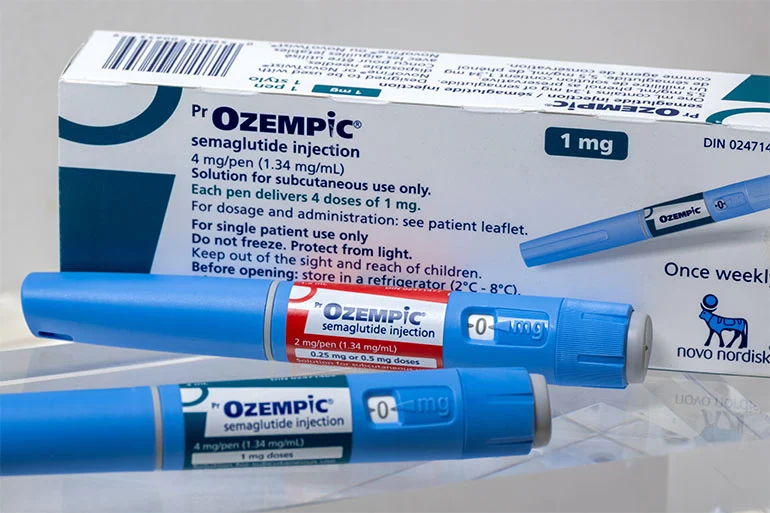
In a landmark decision poised to reshape access to one of the world’s most sought-after medications, Health Canada has granted authorization for Dr. Reddy’s Laboratories’ generic semaglutide injection. This pivotal approval makes Canada the inaugural G7 nation to sanction a generic version of the popular GLP-1 receptor agonist, semaglutide, famously marketed by Novo Nordisk as Ozempic. The move is expected to significantly enhance affordability and accessibility for millions of Canadians managing type 2 diabetes and, off-label, chronic weight management, years ahead of anticipated generic entry in other major global markets like the United States.
A New Era for Semaglutide Access in Canada
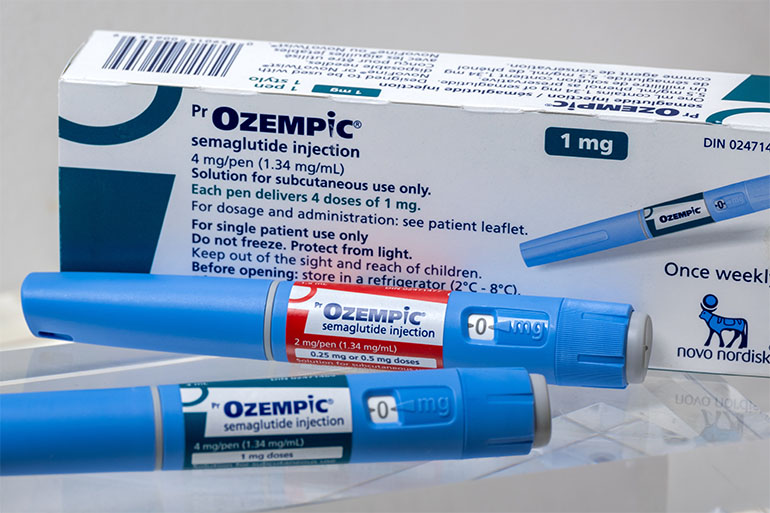
The announcement by Health Canada heralds a new chapter in the country’s pharmaceutical landscape, offering a regulated, cost-effective alternative to Novo Nordisk’s blockbuster drug. Dr. Reddy’s Laboratories, a multinational pharmaceutical company headquartered in Hyderabad, India, confirmed that its generic semaglutide injection will be available in 2 mg/pen and 4 mg/pen presentations at 1.34 mg/mL, with preparations for market launch already underway. This strategic entry into the Canadian market positions Dr. Reddy’s as a leader in complex generics and peptide therapeutics, leveraging its in-house active pharmaceutical ingredient (API) production and robust manufacturing capabilities.
The authorization is a direct consequence of a highly unusual lapse in patent protection for Novo Nordisk’s foundational semaglutide compound in Canada. In 2019, Novo Nordisk failed to remit a modest CAD$250 maintenance fee for Canadian patent CA 2601784, titled “Acylated GLP-1 compounds.” This oversight, which ultimately incurred a total late fee of CAD$450 (approximately USD$339 at the time), led to the permanent expiration of the patent. While Novo Nordisk subsequently characterized this as a "strategic choice," the outcome has undeniably opened the Canadian market to generic competition far earlier than in comparable economies. The situation was first brought to public attention by pharmaceutical industry expert Derek Lowe, writing for Science.
Ozempic’s Unprecedented Market Dominance
Semaglutide, particularly through its Ozempic formulation for type 2 diabetes, has become an undisputed pharmaceutical titan in Canada. Sales figures underscore its extraordinary impact, with Ozempic projected to reach CAD$2.9 billion in sales by 2025 – more than triple the revenue of Canada’s second best-selling drug. This commercial success is mirrored by its widespread adoption, with over a million Canadians currently relying on the medication.
Globally, Novo Nordisk’s GLP-1 franchise, encompassing Ozempic (diabetes), Wegovy (weight management), and Rybelsus (oral semaglutide for diabetes), generated over DKK 228 billion (approximately USD$32.5 billion) in fiscal year 2025. Ozempic alone contributed DKK 127.1 billion, with obesity-care sales, primarily driven by Wegovy, reaching DKK 82.3 billion. These figures highlight the immense therapeutic and commercial value of semaglutide, making the Canadian patent lapse all the more remarkable.
A Detailed Chronology of the Patent Predicament
The sequence of events leading to Canada’s pioneering generic approval is crucial to understanding this development:
- Prior to 2007: Novo Nordisk develops and patents the acylated GLP-1 compounds, including semaglutide.
- 2007: Canadian Patent CA 2601784, "Acylated GLP-1 compounds," is granted to Novo Nordisk, securing intellectual property protection for semaglutide in Canada.
- October 23, 2018: The Canadian Patents Database records the last maintenance fee payment received for patent CA 2601784.
- 2019: Novo Nordisk fails to pay a subsequent maintenance fee of CAD$250 (plus late fees, totaling CAD$450).
- August 31, 2020: The time limit for reversing the lapsed patent status expires, rendering patent CA 2601784 permanently "Expired and beyond the Period of Reversal" in Canada. This effectively nullifies any Certificate of Supplementary Protection (CSP) that would have extended patent protection to March 20, 2028.
- February 2025: The U.S. FDA determines that the shortage of semaglutide injection products has been resolved after a period of heightened demand and compounding reliance since 2022.
- April 2026: Health Canada authorizes Dr. Reddy’s Laboratories’ generic semaglutide injection, making Canada the first G7 country to approve a generic version. Dr. Reddy’s confirms it is the first company to receive such marketing authorization.
- May 1, 2026: Health Canada approves Apotex’s generic semaglutide, further intensifying generic competition in the market.
- Ongoing: Health Canada continues to review seven additional generic semaglutide submissions, signaling a robust competitive environment in the near future.
Health Canada’s Rigorous Evaluation and Approval
Health Canada reviewed Dr. Reddy’s submission meticulously, adhering to its stringent criteria for safety, efficacy, and quality. The agency’s assessment concluded that the generic product is pharmaceutically equivalent to the brand-name reference product, Ozempic. This underscores the robust regulatory framework in Canada, which ensures that generic medications offer the same therapeutic benefits and safety profiles as their branded counterparts. Health Canada’s description of generic semaglutide injections as "complex synthetic products" highlights the sophisticated nature of these biologics and the thoroughness required for their generic approval, distinguishing them from simpler chemical generics. The rapid subsequent approval of Apotex’s generic further demonstrates the readiness of the Canadian regulatory system to facilitate timely access to affordable medicines once patent barriers are removed.
Dr. Reddy’s Strategic Expansion and Manufacturing Prowess
For Dr. Reddy’s, the Canadian approval represents a significant strategic win, bolstering its reputation in the challenging arena of complex generics and peptide therapeutics. The company emphasizes its fully integrated approach, with the semaglutide active pharmaceutical ingredient (API) produced entirely in-house. Finished product manufacturing is handled by OneSource Specialty Pharma, ensuring a controlled and efficient supply chain. This vertical integration is critical for maintaining quality control, managing costs, and ensuring a stable supply, which has been a persistent issue for semaglutide globally. This move also strengthens Dr. Reddy’s global footprint, potentially serving as a blueprint for future generic entries in other markets where patent protections may eventually expire or be challenged.
Implications for Canadian Patients and Healthcare System
The advent of generic semaglutide in Canada carries profound implications for patients and the nation’s healthcare system:
- Enhanced Affordability: Generic versions are typically priced significantly lower than brand-name drugs, often 30-80% less. This reduction will make semaglutide more affordable for individuals, potentially reducing out-of-pocket expenses for those without comprehensive insurance coverage and alleviating the financial burden on provincial drug plans.
- Improved Access and Supply Stability: The introduction of multiple generic manufacturers will diversify the supply chain, mitigating the risk of shortages that have plagued brand-name semaglutide products globally since 2022 due to overwhelming demand. This improved availability will ensure that more Canadians who need the medication can access it consistently.
- Broader Treatment Options: Increased affordability and access can lead to broader adoption of semaglutide for its approved indications, potentially improving public health outcomes related to type 2 diabetes management and, where clinically appropriate, weight management.
- Cost Savings for Public Healthcare: Provincial and territorial drug plans, which shoulder a substantial portion of prescription drug costs, stand to realize significant savings. These savings can be reinvested into other healthcare services or used to expand coverage for more patients.
Contrasting Global Patent Landscapes
Canada’s early generic entry for semaglutide stands in stark contrast to the intellectual property landscape in other major G7 nations. In the United States, Novo Nordisk’s compound patent protection for semaglutide products, including Ozempic, Wegovy, and Rybelsus, is not slated to expire until 2032. Similarly, in Japan and Europe, the active ingredient protection is listed as running until 2031.
This disparity highlights the crucial role of national patent laws and maintenance fee regulations. While Canada’s system allowed for an early lapse, the U.S. market typically sees generic entry through a more protracted process, often involving "Paragraph IV certifications" under the Hatch-Waxman Act. This mechanism allows generic manufacturers to challenge existing patents, frequently leading to complex and lengthy litigation. Novo Nordisk has already settled U.S. Ozempic patent litigation with several generic manufacturers, including Alvogen, Rio Biopharmaceuticals, Sun Pharma, Dr. Reddy’s, Mylan, Zydus, and Apotex. The terms of these settlements remain confidential, but they typically involve agreements that delay generic entry until closer to the brand patent’s expiry, in exchange for avoiding further litigation. This underscores how Canada’s unique situation bypasses years of potential legal battles and market exclusivity.
The U.S. experience with semaglutide shortages also provides a compelling backdrop. The FDA had to clarify policies for compounders making essentially copies of semaglutide products during periods of scarcity, a stopgap measure that the Canadian generic approval aims to formalize and stabilize.
The Broader GLP-1 Market and Future Trajectories
Semaglutide’s success has not only cemented its place as a cornerstone in diabetes and obesity management but has also validated the commercial viability of GLP-1 receptor agonists on an unprecedented scale. This validation has spurred intense competition and innovation within the pharmaceutical industry. Eli Lilly’s tirzepatide, a dual GIP/GLP-1 receptor agonist marketed as Mounjaro for diabetes and Zepbound for weight loss, is a prime example of this evolving landscape. Tirzepatide has shown superior weight loss and glycemic control in clinical trials, intensifying the rivalry in this lucrative therapeutic area.
The Canadian generic approval signifies a broader shift in the global debate surrounding access to these transformative medications. It moves the conversation from "shortage-era workarounds," like compounded versions, to formal, regulated generic competition. This transition is critical for ensuring sustainable access and affordability in the long term, with each country’s specific patent rules and regulatory framework determining the pace of this evolution. As more GLP-1 patents eventually expire in other regions, Canada’s experience may serve as a valuable case study for accelerating generic availability and improving patient outcomes worldwide.
Conclusion
Canada’s authorization of generic semaglutide marks a pivotal moment, not only for Canadian patients and its healthcare system but also for the global pharmaceutical industry. It underscores the profound impact that even minor administrative oversights in patent maintenance can have on market dynamics and drug accessibility. As Dr. Reddy’s and Apotex prepare to launch their generic versions, and with more approvals anticipated, the Canadian market is poised for a significant transformation, offering a glimpse into a future where essential, high-demand medications become more affordable and widely available, setting a precedent for other nations grappling with similar challenges in drug access and cost. The ripple effects of this G7 first are likely to be observed closely by regulators, manufacturers, and patients across the world.