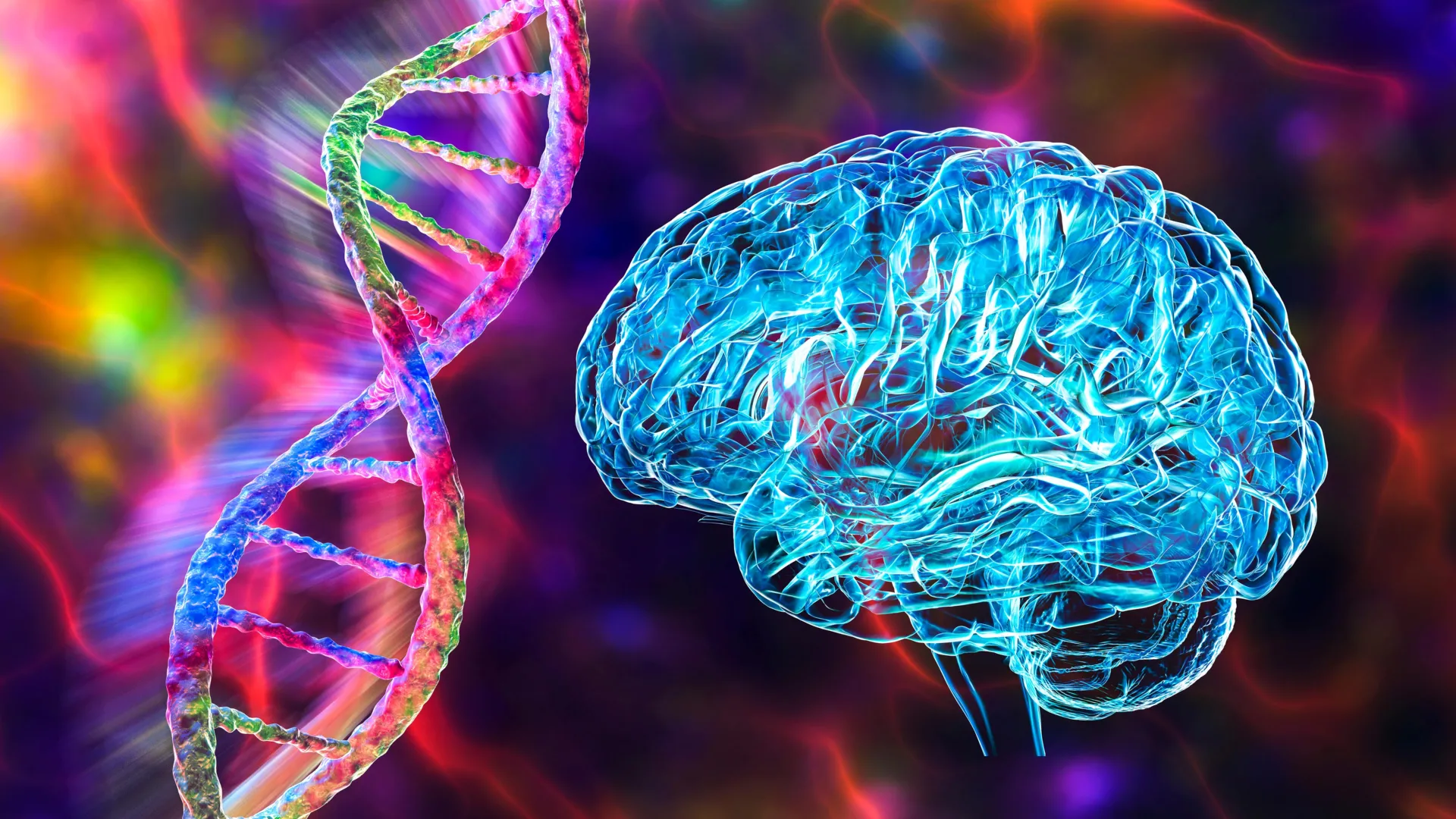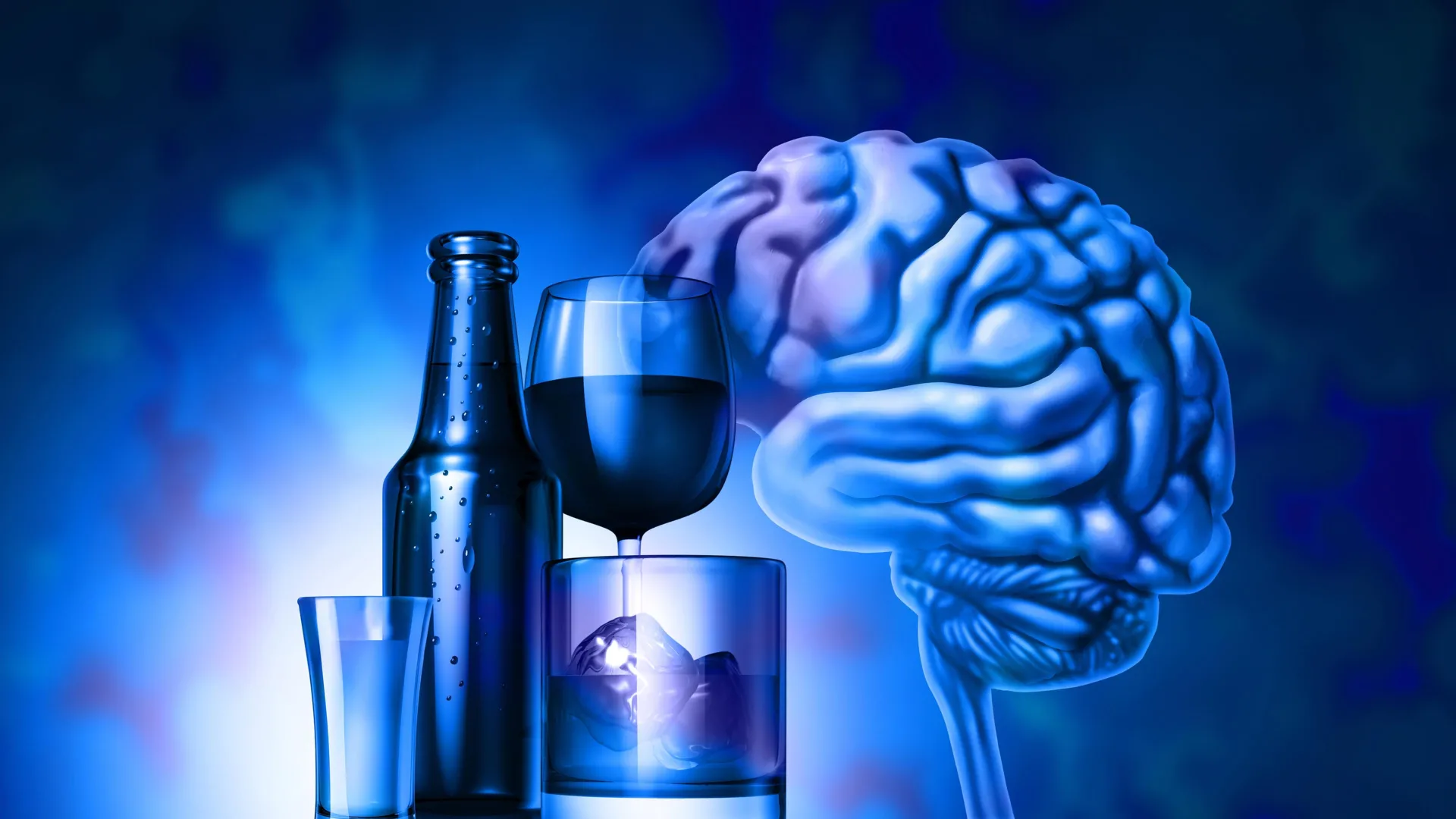
Groundbreaking research conducted at the University of Massachusetts Amherst has uncovered a sobering reality for those who utilize alcohol as a primary tool for managing stress during their youth. The study, published in the peer-reviewed journal Alcohol: Clinical and Experimental Research, suggests that the neurological consequences of early adulthood alcohol consumption may be far more permanent than previously understood. According to the findings, the specific combination of chronic stress and heavy drinking during the formative years of early adulthood creates a "neurological footprint" that persists even after decades of total sobriety. These changes, which often remain dormant for years, tend to surface during middle age, manifesting as diminished cognitive flexibility, a heightened vulnerability to relapse, and a significant increase in the biomarkers associated with neurodegenerative conditions such as Alzheimer’s disease and various forms of dementia.
The research, led by Elena Vazey, an associate professor of biology at UMass Amherst, shifts the scientific focus from the immediate effects of intoxication to the permanent structural alterations of the brain’s decision-making centers. By investigating the intersection of psychological stress and substance use, the study provides a new framework for understanding why many individuals struggle with cognitive decline and addiction-related behaviors long after they have ceased drinking. This shift in understanding could pave the way for medical interventions that move beyond behavioral modification and toward the biological repair of damaged neural circuits.
The Neurobiological Synergy of Alcohol and Stress
For decades, the relationship between alcohol and stress has been viewed as a cyclical "self-medication" trap. The UMass Amherst study deepens this understanding by illustrating how these two factors work synergistically to reshape the brain’s architecture. While alcohol may provide a transient pharmacological relief from the physiological symptoms of stress, the study highlights that repeated exposure to ethanol actually degrades the brain’s endogenous capacity to regulate those very stress responses.
As the brain’s natural resilience is eroded, the individual becomes increasingly reliant on higher volumes of alcohol to achieve the same level of emotional stabilization. This creates a physiological dependency that is rooted in the brain’s adaptive mechanisms. However, the researchers found that when this cycle occurs during early adulthood—a critical period for prefrontal cortex development and neurological pruning—the damage becomes "hard-wired." Even when the behavior is discontinued, the underlying circuitry remains in a state of dysfunction, waiting to be reactivated by the stressors of middle age.
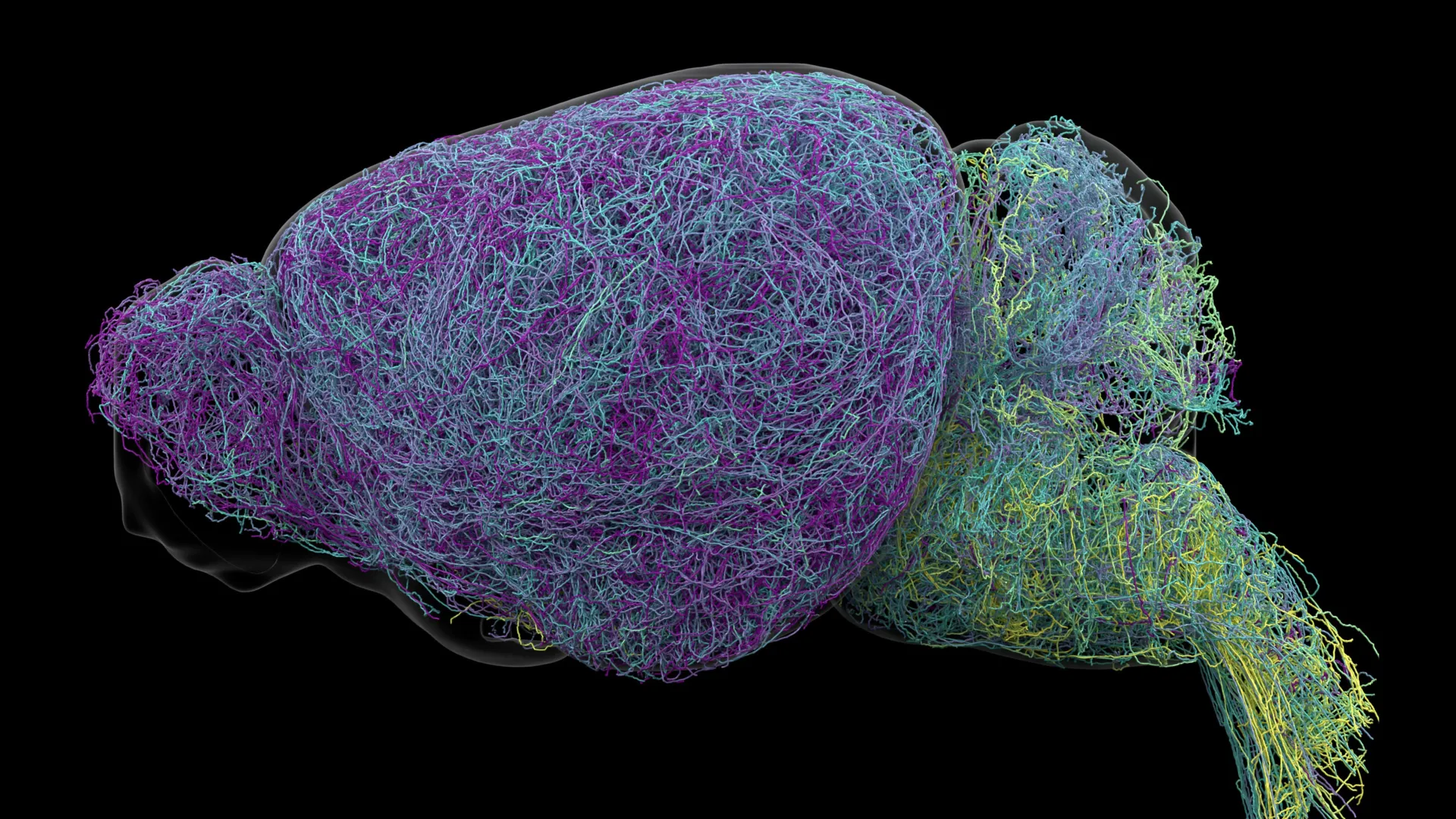
Dr. Vazey’s team utilized advanced neurological mapping to observe these changes. "My lab studies the neurocircuitry that underlies how we make decisions," Vazey noted during the presentation of the findings. "We all know that drinking can often lead to poor decision-making, but we wondered how early adulthood drinking combined with stress affects that circuitry, especially as we grow older. If we can figure out how alcohol and stress change the brain’s circuitry, then we can help figure out how best to help people."
Methodology: Tracking Cognitive Decline from Youth to Middle Age
The study was conducted with support from the National Institute on Alcohol Abuse and Alcoholism (NIAAA), employing a controlled animal model to isolate the variables of stress and alcohol. Because the brain circuits governing decision-making and stress responses in mice are remarkably similar to those in humans, the researchers were able to simulate a "lifetime" of exposure within a shorter timeframe.
The subjects were divided into groups representing various combinations of environmental factors: those exposed to chronic stress alone, those exposed to heavy alcohol alone, and those exposed to both simultaneously during their "early adulthood." Following this exposure, the subjects underwent a prolonged period of abstinence, equivalent to several human decades, before being reassessed in "middle age."
The results were stark. While the groups exposed to only stress or only alcohol showed some signs of neurological recovery, the group that combined the two factors exhibited profound and lasting deficits. Specifically, when these middle-aged subjects were reintroduced to stressful environments, they were significantly more likely to return to alcohol-seeking behaviors compared to their peers. This suggests that the "stress-drinking" pathway is not merely a habit but a permanent neurological detour that the brain defaults to when under pressure.
The Loss of Cognitive Flexibility: A Precursor to Dementia
One of the most significant findings of the UMass Amherst research is the specific nature of the cognitive impairment observed. Interestingly, the study found that general learning ability—the capacity to acquire new information—remained largely intact in the middle-aged subjects. However, there was a dramatic decline in "cognitive flexibility."
Cognitive flexibility is the brain’s ability to adapt its strategy when circumstances change. It is the executive function that allows a person to realize that an old solution no longer works and to pivot to a new one. In the study, the mice that had been exposed to the stress-alcohol combination in their youth were unable to adjust their behavior when the rules of their environment changed. They became "stuck" in repetitive, ineffective patterns.
"Middle age is when problems start to add up," Vazey explained. "We know that alcohol is a risk factor for early cognitive decline, and we saw that this alcohol-stress combination creates the kind of trouble adapting to changing situations that also happens in the early stages of dementia." This loss of flexibility is a hallmark of the early stages of Alzheimer’s disease, where the patient struggles with executive function long before they suffer from total memory loss.
The Locus Coeruleus: A Broken "Off Switch"
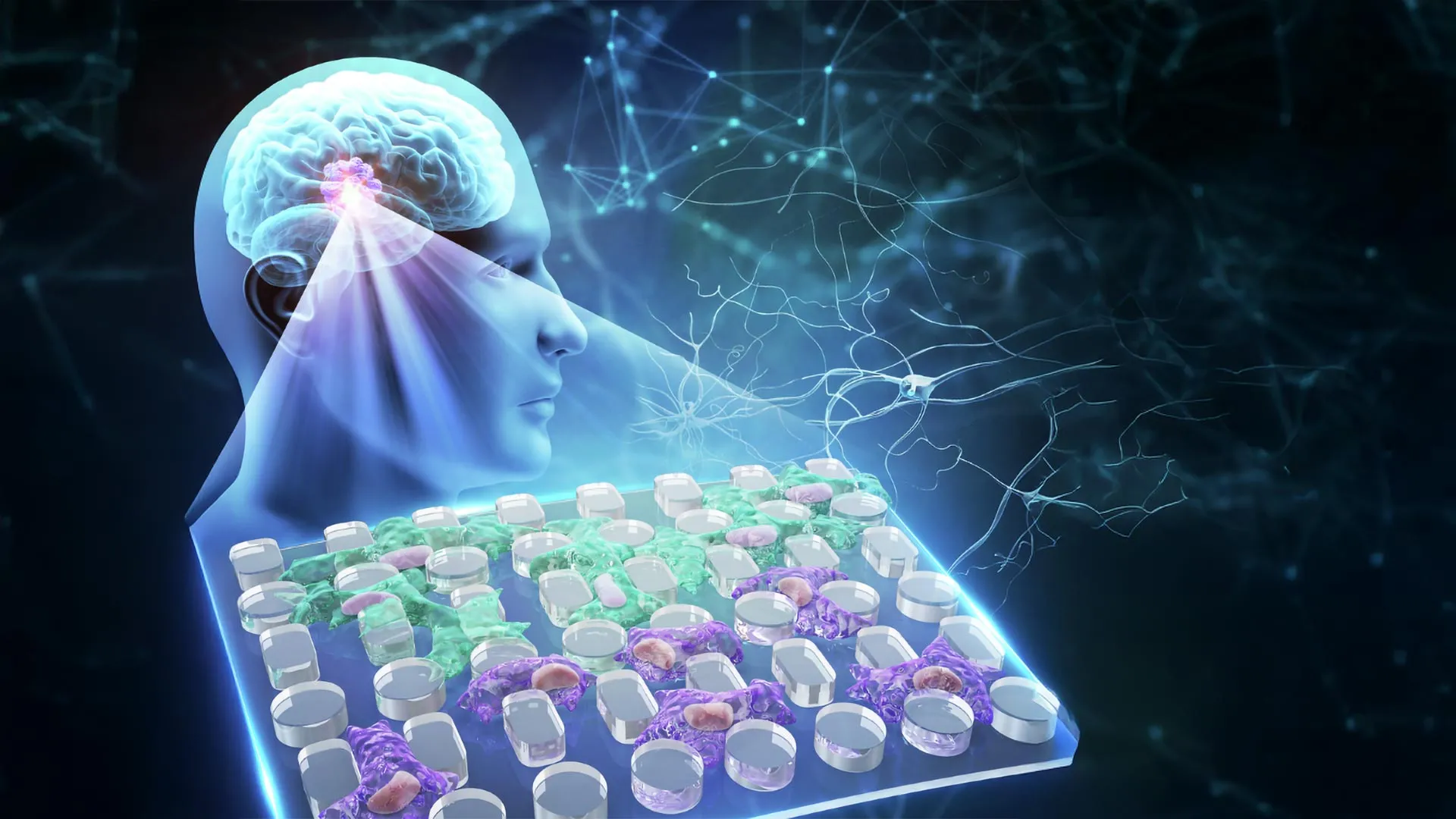
To pinpoint the physical location of this damage, the research team focused on the locus coeruleus (LC), a small but vital region in the brainstem. The LC is the brain’s primary source of norepinephrine, the chemical responsible for the "fight or flight" response and for directing attention during decision-making.
In a healthy brain, the LC acts as a precise regulator: it fires rapidly during a crisis to focus the mind and then shuts off once the threat has passed. However, in the subjects with a history of stress-drinking, the LC had lost its molecular "off switch." The molecular machinery required to dampen the LC’s activity was permanently damaged. Consequently, the LC remained in a state of hyper-activity, flooding the brain with stress signals even in non-threatening situations.
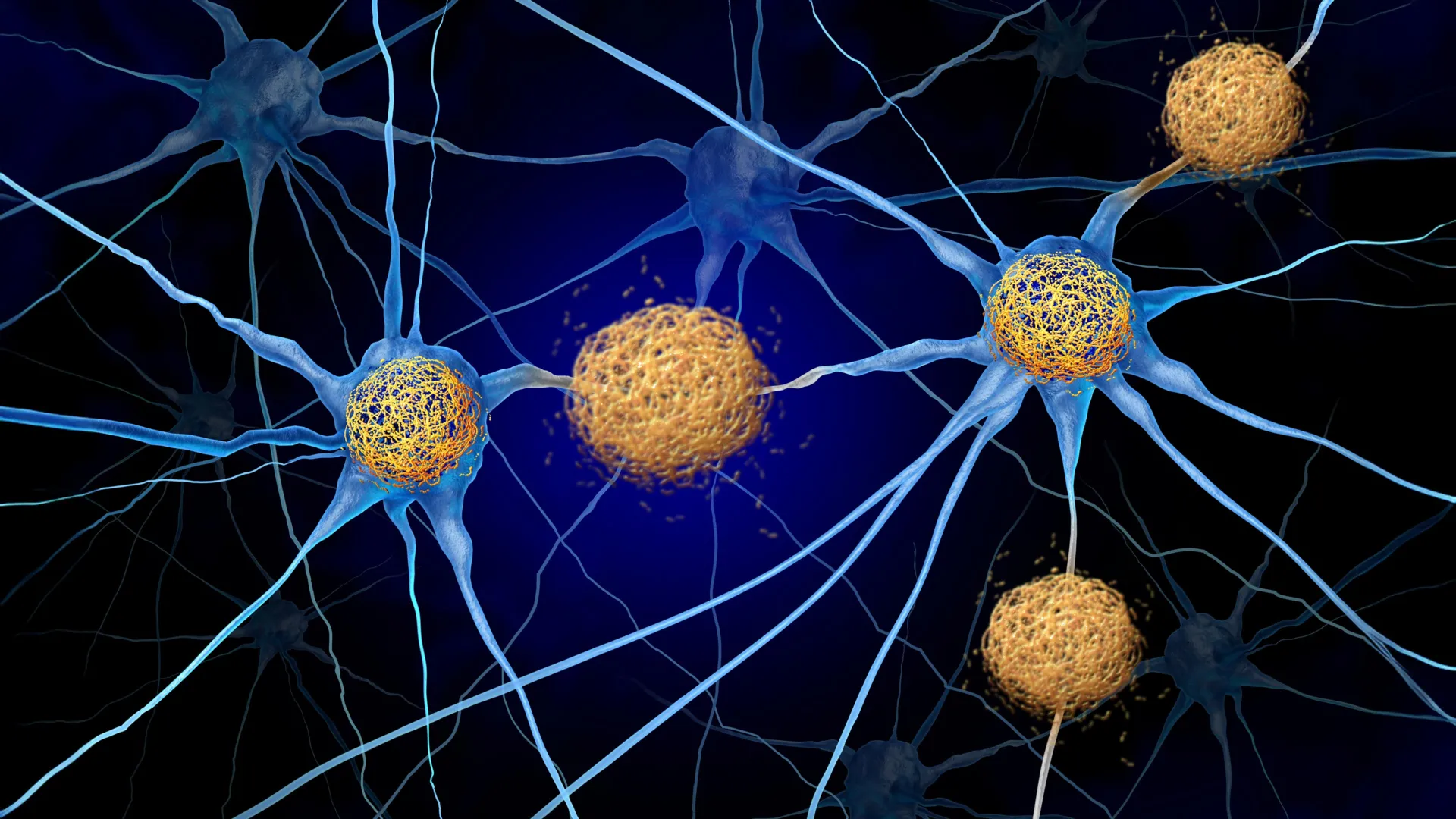
This constant state of neurological "noise" prevents the brain from making effective, adaptive decisions. Furthermore, the researchers discovered high levels of oxidative stress within the LC. Oxidative stress is essentially cellular "rusting" caused by reactive oxygen species that damage DNA and proteins. This type of damage is a known precursor to the plaque formation seen in Alzheimer’s patients. Crucially, even after years of abstinence, the middle-aged brains showed no signs of repairing this cellular damage, suggesting that the brain’s self-healing mechanisms had been overwhelmed by the initial exposure in early adulthood.
Broader Implications for Addiction and Public Health
The implications of this study are profound for the fields of addiction medicine and public health. For years, the prevailing narrative surrounding recovery from substance abuse has centered on "willpower" and behavioral therapy. However, the UMass Amherst findings suggest that for many, the struggle to stay sober is not a moral or psychological failing, but a physiological one.
"The brain’s wiring system is damaged, which means quitting drinking or making better decisions isn’t a matter of willpower," Vazey stated. "After a history of stress and drinking, the brain simply works differently, and our treatment strategies need to be able to address these long-lasting differences."
This research suggests a need for a multi-generational approach to public health. With binge drinking and high stress levels becoming increasingly common among college-aged individuals and young professionals, the "middle-age" cognitive crisis of the future may already be in development. Data from the NIAAA indicates that roughly 25% of young adults engage in high-risk drinking behaviors; the UMass study suggests that the true cost of these behaviors may not be realized for another thirty years.
Future Directions: Moving Toward Biological Repair
The discovery of the LC’s role and the presence of persistent oxidative stress provides new targets for pharmacological research. If scientists can develop treatments that specifically target the molecular "off switch" in the locus coeruleus or antioxidants that can penetrate the brain to mitigate the damage in the LC, it may be possible to restore cognitive flexibility in aging adults with a history of alcohol use.
Furthermore, the study emphasizes the importance of early intervention. By identifying young adults who are using alcohol specifically as a stress-coping mechanism, clinicians may be able to intervene before the neurological circuits are permanently altered.
As the scientific community continues to analyze these findings, the UMass Amherst study stands as a stark reminder of the long-term biological consequences of early adulthood choices. It highlights that the brain is a historical organ, carrying the scars of youth into old age, and suggests that the path to healthy aging begins with the neurological protection of the young. For those already in middle age, the research offers a new understanding of their cognitive struggles, shifting the focus from blame to the pursuit of targeted medical solutions that account for the brain’s complex history.