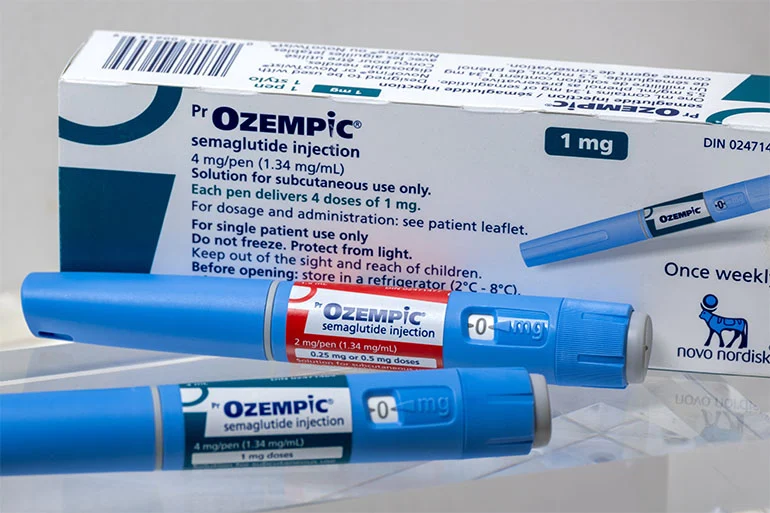
The pharmaceutical landscape for diabetes and weight management medications has undergone a significant shift with Health Canada’s authorization of Dr. Reddy’s Laboratories’ generic semaglutide injection. This pivotal decision positions Canada as the first G7 nation to approve a generic version of the highly sought-after GLP-1 receptor agonist, Ozempic, years ahead of projected generic entry in other major markets like the United States, Europe, and Japan. The move is poised to profoundly impact patient access, healthcare costs, and the competitive dynamics within the burgeoning market for these transformative therapies.
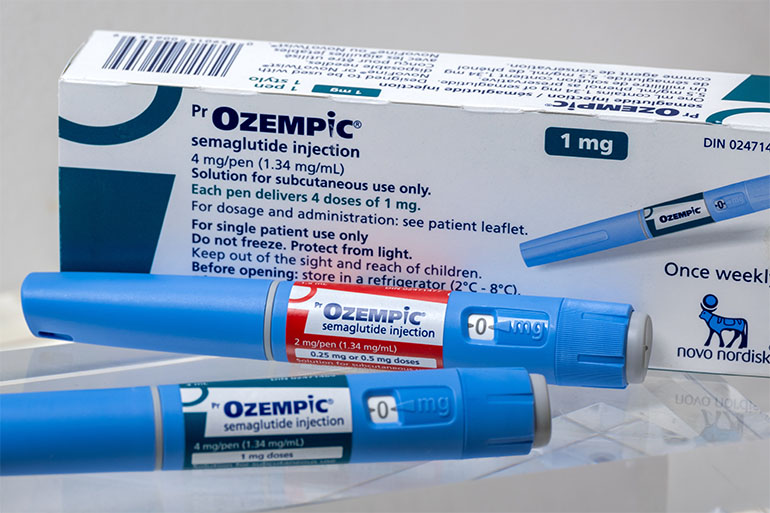
Semaglutide, the active ingredient in Novo Nordisk’s blockbuster drug Ozempic, has become a cornerstone in the treatment of type 2 diabetes and, in its higher-dose formulation (Wegovy), chronic weight management. Its unprecedented efficacy has translated into staggering commercial success, making Ozempic Canada’s top-selling drug. In 2025 alone, sales of Ozempic in Canada are projected to reach CAD$2.9 billion, dwarfing its closest competitor by more than threefold. More than a million Canadians currently rely on the medication, highlighting the immense demand and the potential impact of a more affordable generic alternative. Dr. Reddy’s authorization covers 2 mg/pen and 4 mg/pen presentations at a concentration of 1.34 mg/mL, with the company confirming that launch preparations are well underway.
The Unforeseen Patent Lapse: A CAD$250 Oversight with Billion-Dollar Consequences
The expedited generic entry into the Canadian market stems from a remarkable turn of events involving a specific Novo Nordisk patent. In 2019, Novo Nordisk failed to remit a CAD$250 maintenance fee for Canadian patent CA 2601784, titled "Acylated GLP-1 compounds." This seemingly minor administrative oversight, concerning a patent fundamental to semaglutide, had far-reaching consequences. The initial fee due was approximately USD$188, which, with late payment penalties, escalated to a total of CAD$450 (roughly USD$339). Despite the relatively small sum, the payment was not made, leading to the permanent lapse of the patent.
According to records from the Canadian Patents Database, patent CA 2601784 shows its last maintenance fee payment was received on October 23, 2018. The critical period for reversal, during which Novo Nordisk could have rectified the lapse, expired on August 31, 2020. Consequently, the patent status is officially listed as "Expired and beyond the Period of Reversal." This lapse effectively nullified any existing or potential supplementary protections. Canada’s Certificate of Supplementary Protection (CSP) register, designed to extend patent terms for pharmaceuticals to compensate for regulatory review times, had listed semaglutide with patent 2601784 and a projected expiry date of March 20, 2026. Crucially, a CSP term would have further extended this protection to March 20, 2028. The failure to maintain the foundational patent, however, rendered these extensions moot, paving the way for generic competition years earlier than anticipated.
Novo Nordisk later characterized this as a "strategic choice," a claim that has been met with scrutiny by industry observers, including Derek Lowe at Science, who publicly highlighted the patent lapse. While the specific rationale behind Novo Nordisk’s decision remains confidential, analysts speculate that it could have been an oversight in the context of a complex global patent portfolio, or perhaps a miscalculation of the patent’s ultimate commercial importance in Canada, particularly before semaglutide’s explosive growth in demand became fully apparent. Pharmaceutical companies often manage thousands of patents globally, and administrative errors, though rare for such high-value assets, are not entirely unprecedented. However, for a drug franchise generating billions, the loss of protection over a CAD$250 fee is an anomaly that underscores the intricate and sometimes precarious nature of intellectual property management in the pharmaceutical sector.
The Global GLP-1 Phenomenon and Access Challenges
Semaglutide’s journey to becoming one of the most impactful molecular franchises in recent pharmaceutical history is rooted in its effectiveness as a glucagon-like peptide-1 (GLP-1) receptor agonist. These drugs mimic the action of a natural hormone that helps regulate blood sugar, slows gastric emptying, and promotes satiety, making them highly effective for both type 2 diabetes and weight loss. The global market for GLP-1 drugs has exploded, driven by the escalating worldwide prevalence of type 2 diabetes and obesity, which collectively represent monumental public health challenges.
In its fiscal year 2025, Novo Nordisk reported combined sales for its semaglutide products—Ozempic (for diabetes), Wegovy (for obesity), and Rybelsus (oral semaglutide for diabetes)—exceeding DKK 228 billion (approximately USD$33.5 billion). Ozempic alone accounted for DKK 127.1 billion (USD$18.6 billion), while Rybelsus contributed DKK 22.1 billion (USD$3.2 billion). Obesity care sales, predominantly driven by Wegovy, reached DKK 82.3 billion (USD$12.1 billion). These figures highlight the immense commercial success and the critical role semaglutide plays in global health.
The unprecedented demand for semaglutide has, however, led to significant access challenges worldwide. In the United States, for instance, semaglutide injection products experienced persistent shortages from 2022 until February 2025, when the U.S. Food and Drug Administration (FDA) declared the supply situation resolved. During this shortage period, access often moved through various unconventional channels, including compounding pharmacies, direct-to-patient programs, and payer initiatives. Compounding pharmacies, operating under specific regulatory exemptions, began producing custom versions of semaglutide, sometimes raising concerns about quality control and regulatory oversight. The FDA eventually clarified its policies for compounders and set deadlines for those making products essentially copied from FDA-approved semaglutide formulations, signaling a move towards more regulated pathways as supply stabilized.
Beyond shortages, the high cost of brand-name GLP-1 drugs has also been a major barrier to access, particularly in countries without robust public drug coverage or where patients face high out-of-pocket expenses. This has fueled ongoing debates about drug pricing, affordability, and the balance between pharmaceutical innovation and public health needs. In the U.S., these discussions have intensified with the advent of Medicare drug-price negotiation policies, aiming to lower costs for some of the most expensive prescription medications.
Implications for the Canadian Healthcare System and Patients
The approval of generic semaglutide in Canada is expected to have a transformative impact on the nation’s healthcare system and the lives of millions of Canadians. Canada operates a universal healthcare system where provinces and territories manage drug plans, often involving a mix of public and private insurance. The high cost of brand-name Ozempic has placed significant financial strain on these plans and individual patients.
Projected Benefits:
- Cost Savings: Generic competition is renowned for driving down drug prices, sometimes by 80% or more. This will translate into substantial savings for provincial drug plans, private insurers, and patients, potentially freeing up resources for other healthcare priorities.
- Enhanced Access: Lower prices are expected to make semaglutide more accessible to a broader segment of the population, addressing affordability barriers that may have prevented some patients from initiating or continuing treatment. For the million-plus Canadians already on Ozempic, this could mean significantly reduced out-of-pocket costs.
- Supply Stability: The introduction of multiple generic manufacturers can diversify the supply chain, reducing the risk of future shortages that have plagued the market for brand-name Ozempic. Health Canada’s subsequent approval of Apotex’s generic semaglutide on May 1, and its ongoing review of seven additional submissions, further bolsters this prospect of a robust and competitive supply.
- Public Health Improvement: Increased access to effective treatments for type 2 diabetes and obesity can lead to improved health outcomes, reduced complications associated with these chronic conditions, and a decrease in the overall burden on the healthcare system in the long term.
Health Canada’s rigorous review process for Dr. Reddy’s submission confirmed that the generic product met stringent criteria for safety, efficacy, and quality. The agency specifically noted that generic semaglutide injections are complex synthetic products but determined that Dr. Reddy’s version is pharmaceutically equivalent to the brand-name reference product, Ozempic. This assurance of bioequivalence is critical for prescribers and patients to confidently transition to the generic version.
Dr. Reddy’s and the Evolving Generic Landscape
Dr. Reddy’s Laboratories, a global pharmaceutical company based in India, has a strong presence in the generic drug market, specializing in complex generics and peptide therapeutics. The company’s ability to produce the semaglutide active pharmaceutical ingredient (API) entirely in-house, with finished product manufacturing handled by OneSource Specialty Pharma, highlights its technical capabilities and strategic positioning in this high-value segment. Being the first company to receive Canadian marketing authorization for generic semaglutide injection gives Dr. Reddy’s a significant early-mover advantage in a lucrative market.
The entry of generic semaglutide also signals a broader shift in the GLP-1 market dynamics. The debate around access is evolving from emergency workarounds, such as compounding during acute shortages, to formal, regulated generic competition. This transition underscores the critical role that national patent rules play in determining the pace and timing of generic market entry. Each country’s unique intellectual property framework dictates when and how generic versions of patented drugs can become available, creating a patchwork of market timelines globally.
Comparative Global Patent Landscape and Future Outlook
The situation in Canada stands in stark contrast to other major markets. Novo Nordisk’s 2025 Form 20-F filing explicitly states that the U.S. compound patent expiry for its semaglutide products (Ozempic, Rybelsus, and Wegovy) is not until 2032. Similarly, in Japan and Europe, active-ingredient protection for these drugs is listed as running until 2031. This disparity means Canadian patients will benefit from generic access roughly six to eight years earlier than their counterparts in these other G7 nations.
In the U.S., Novo Nordisk has actively engaged in patent litigation to defend its intellectual property. The company disclosed that several manufacturers filed Abbreviated New Drug Applications (ANDAs) for generic versions of Ozempic, Wegovy, and Rybelsus with Paragraph IV certifications. A Paragraph IV certification indicates that the generic applicant believes its product does not infringe on existing patents or that the patents are invalid or unenforceable. Novo Nordisk has settled U.S. Ozempic patent litigation with multiple generic manufacturers, including Alvogen, Rio Biopharmaceuticals, Sun Pharma, Dr. Reddy’s, Mylan, Zydus, and Apotex. The specific terms of these settlements remain confidential, but they typically involve an agreement for generic entry at a future, specified date, often well before the official patent expiry, in exchange for avoiding prolonged and costly litigation. The Canadian patent lapse circumvented this entire process, demonstrating the vulnerability of even the most valuable drug franchises to administrative missteps.
The broader implications of Canada’s decision extend beyond its borders. It serves as a powerful case study for governments, patient advocacy groups, and generic manufacturers globally, illustrating how a patent lapse can accelerate access to critical medicines. It highlights the ongoing tension between incentivizing pharmaceutical innovation through robust patent protection and ensuring equitable, affordable access to essential drugs. As the global burden of chronic diseases like diabetes and obesity continues to grow, the demand for accessible GLP-1 therapies will only intensify, making Canada’s precedent a significant marker in the global healthcare debate. The rapid entry of generic semaglutide in Canada is not merely a domestic development; it is a global beacon signaling a potential shift in the narrative surrounding drug affordability and access in the age of blockbuster medications.