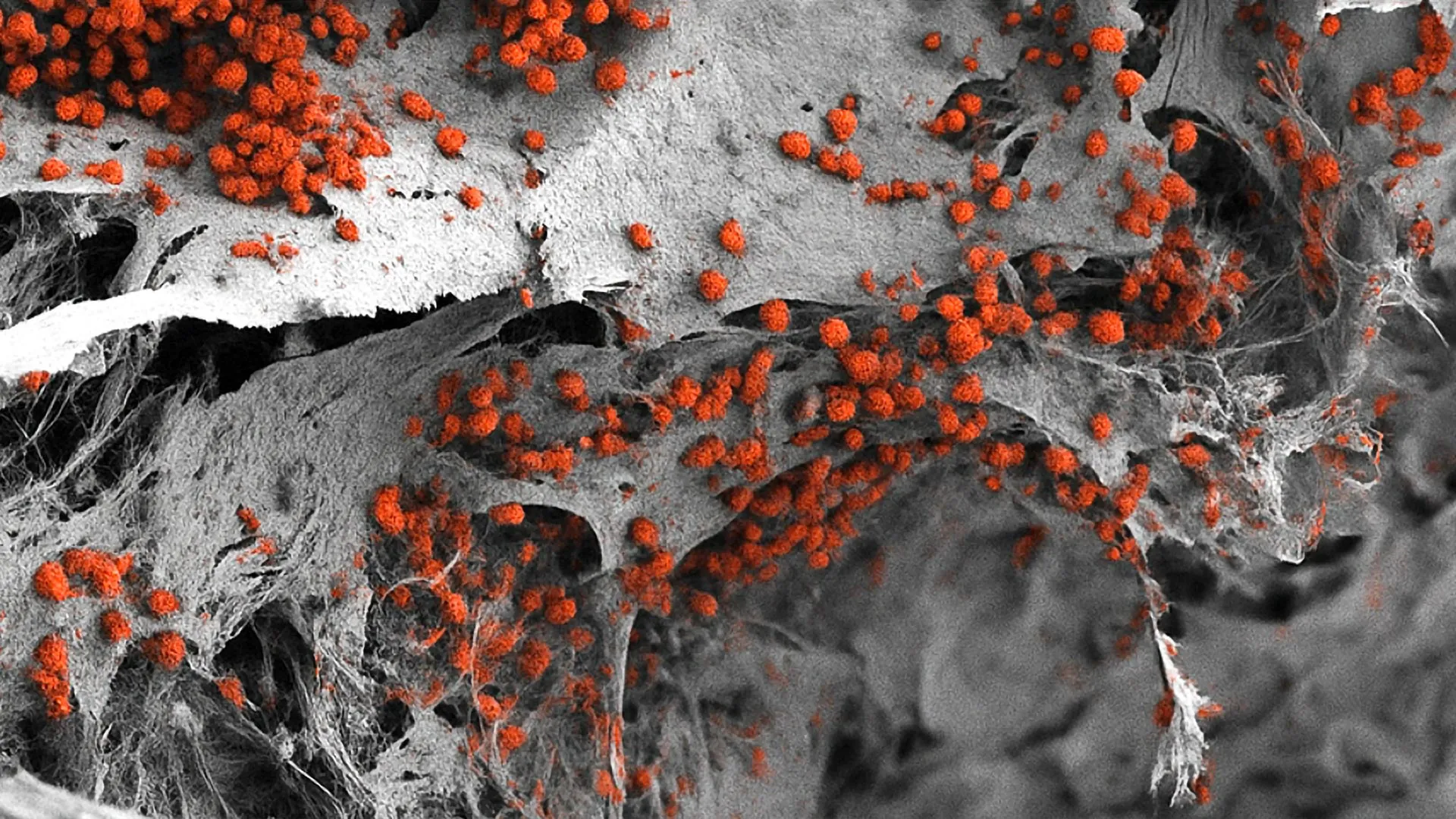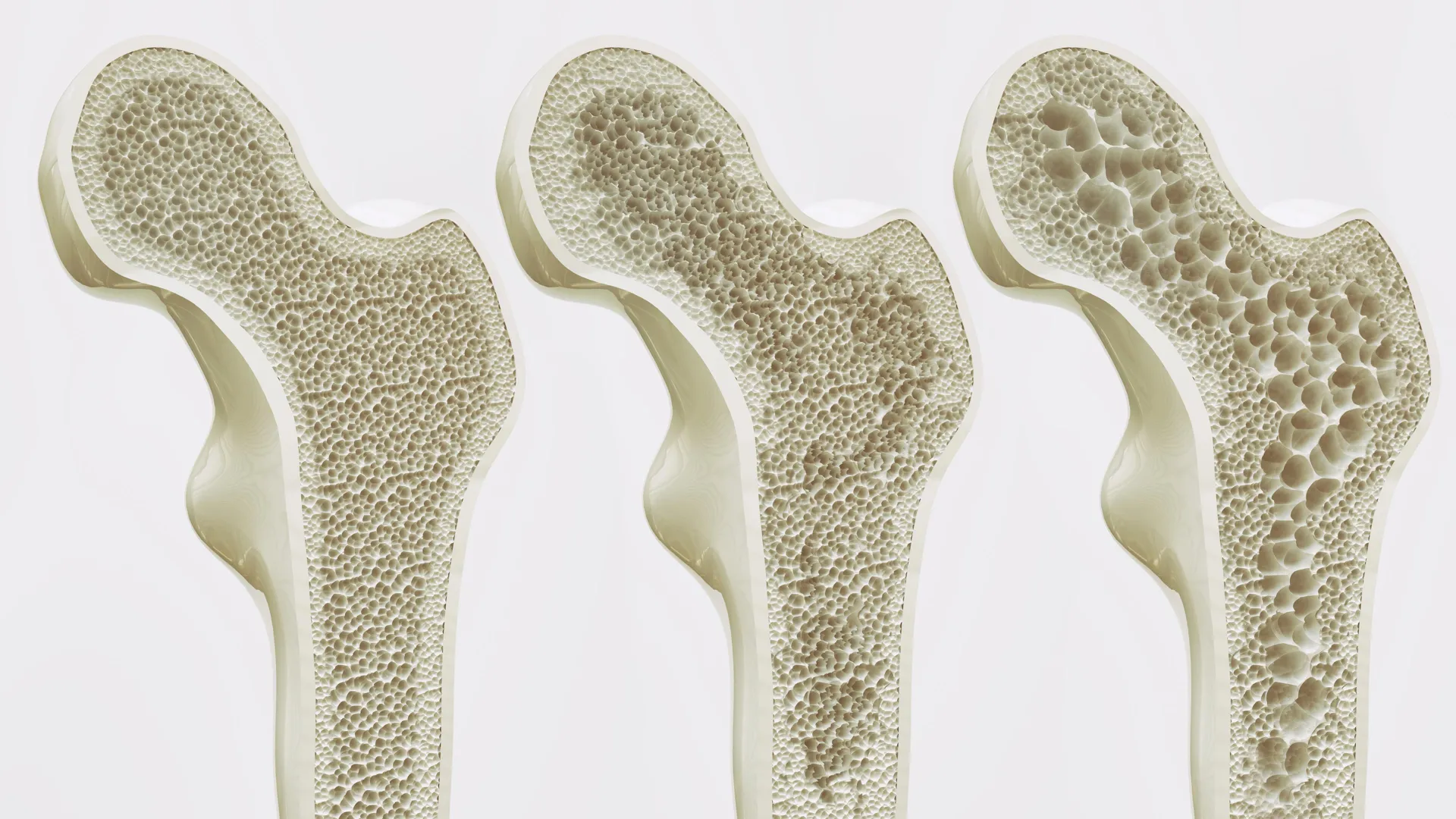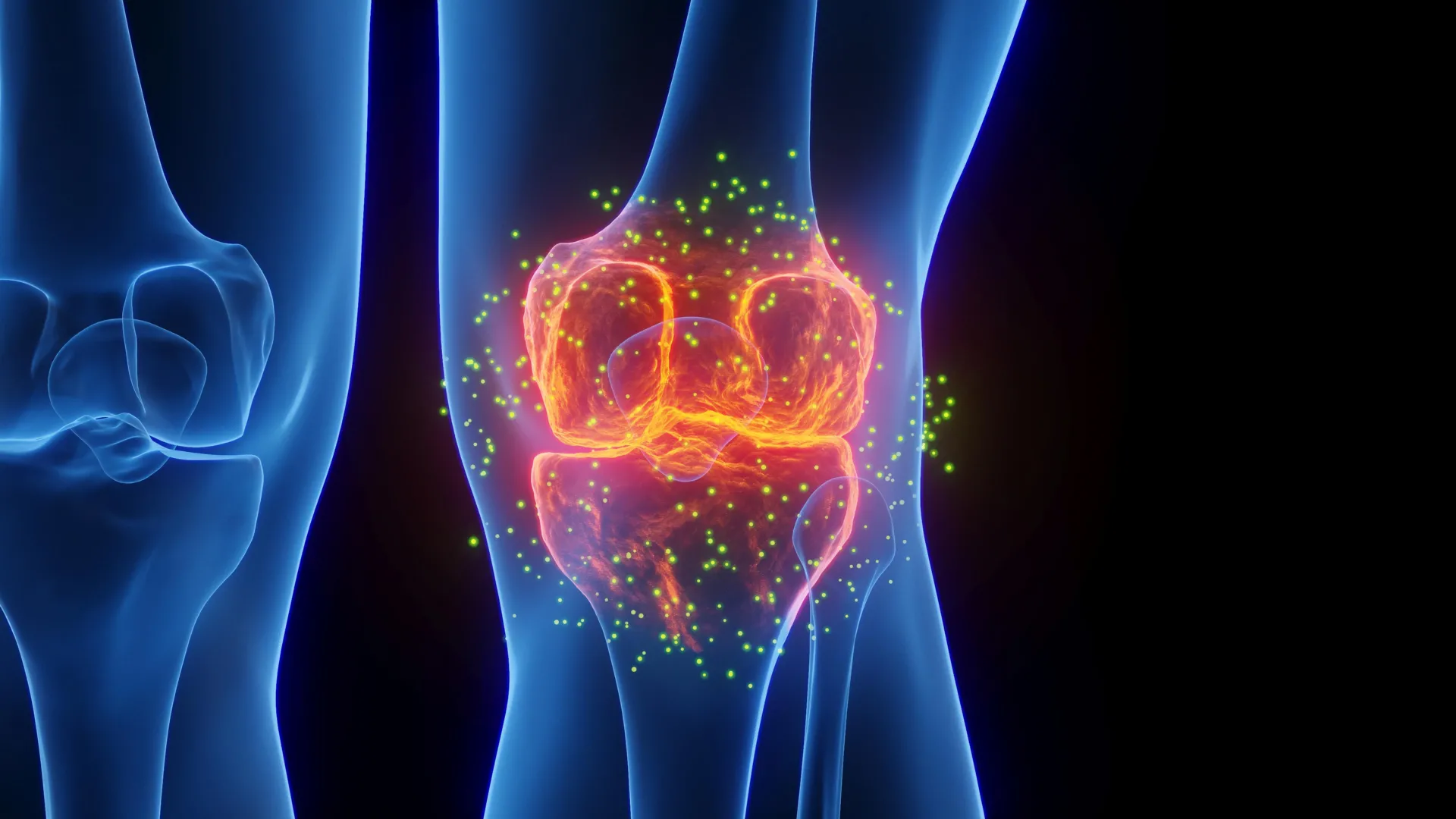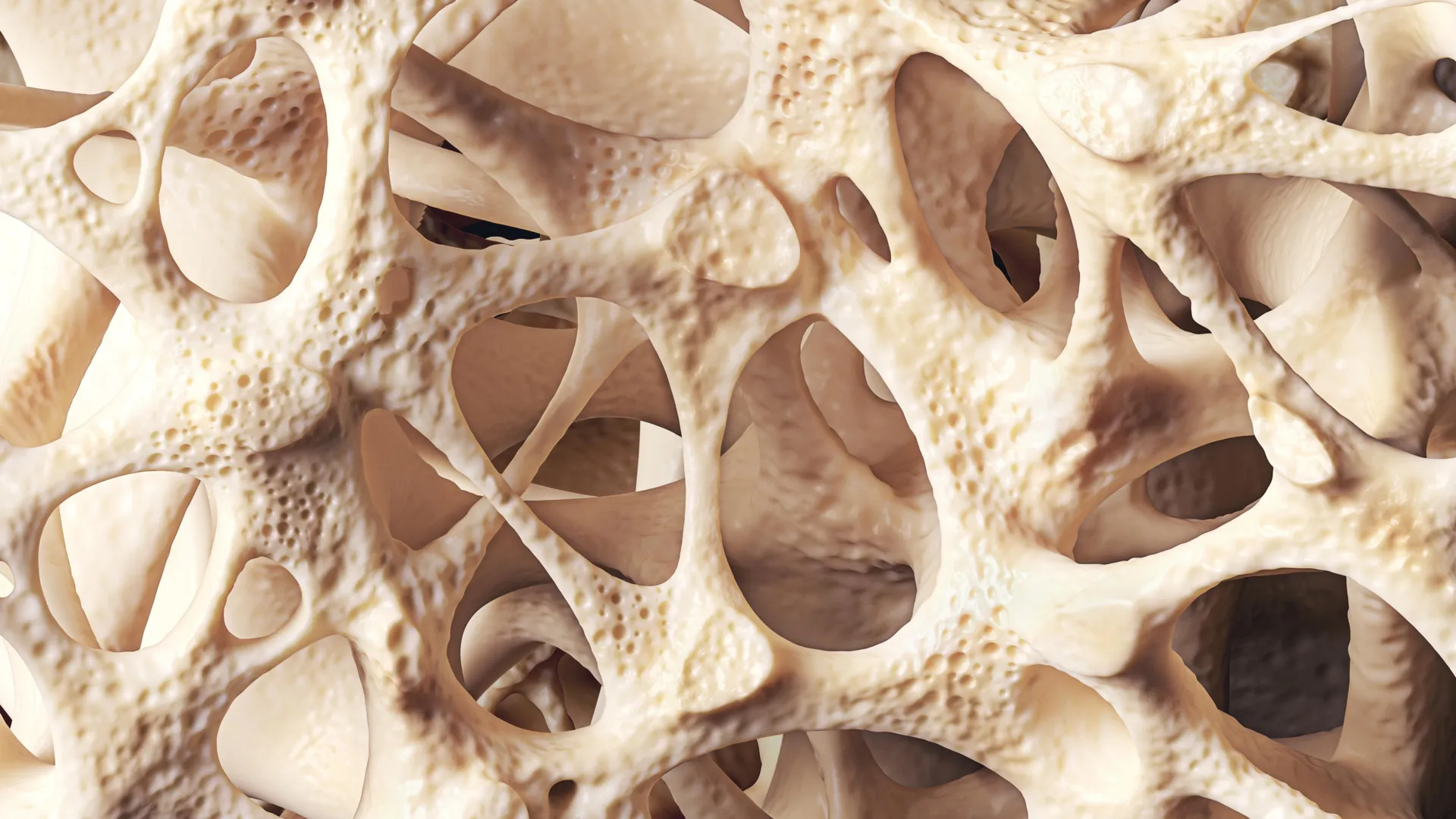
The landscape of regenerative medicine has shifted following a landmark study led by Stanford Medicine researchers, which demonstrates that targeting a specific protein associated with the aging process can restore lost knee cartilage. The research, published in the prestigious journal Science, suggests a future where osteoarthritis—a condition long considered an irreversible "wear and tear" disease—could be treated or even reversed through pharmaceutical intervention. By inhibiting a protein known as 15-PGDH, researchers successfully regrew functional hyaline cartilage in elderly mice and prevented the onset of arthritis following traumatic joint injuries. Furthermore, the treatment showed remarkable efficacy when applied to human tissue samples, marking a significant step toward clinical applications that could eventually eliminate the need for millions of joint replacement surgeries worldwide.
The Biological Mechanism: Targeting the 15-PGDH Gerozyme
At the heart of this discovery is a protein called 15-hydroxyprostaglandin dehydrogenase, or 15-PGDH. The research team, led by Helen Blau, PhD, and Nidhi Bhutani, PhD, has categorized this protein as a "gerozyme." Gerozymes are a class of enzymes that increase in prevalence as an organism ages, contributing to the functional decline of various tissues. The identification of 15-PGDH as a key player in aging was first established by this same team in 2023, following observations that the protein was intrinsically linked to muscle atrophy and reduced physical endurance in older populations.
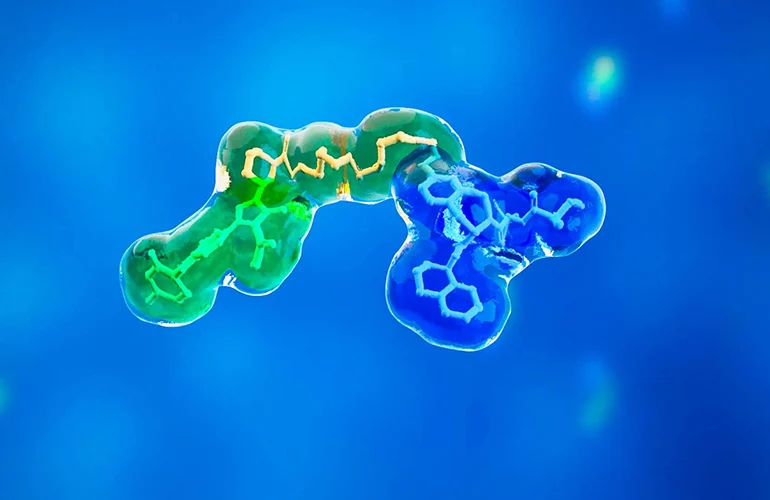
The primary function of 15-PGDH is to break down prostaglandin E2 (PGE2), a signaling molecule that plays a vital role in tissue repair and the maintenance of stem cell health. In a youthful state, PGE2 levels are sufficient to support the constant, low-level repair of tissues. However, as 15-PGDH levels double or triple with age, PGE2 is depleted, leading to a state of chronic "repair failure." By utilizing a small-molecule inhibitor to block 15-PGDH, the researchers were able to restore PGE2 to more youthful levels, thereby unlocking the body’s latent regenerative capabilities.
A Shift in Regenerative Medicine: From Stem Cells to Cellular Reprogramming
One of the most surprising findings of the Stanford study involves the specific way cartilage regenerates. Traditionally, scientists believed that tissue repair required the activation and multiplication of stem cells—undifferentiated cells that transform into specialized tissue. However, the researchers discovered that cartilage does not rely on this pathway. Instead, the regeneration observed was the result of a process called cellular reprogramming.
In the joints, specialized cells known as chondrocytes are responsible for producing and maintaining the cartilage matrix. As these cells age, they typically enter a state of senescence or begin expressing genes that lead to inflammation and the hardening of cartilage into bone (mineralization). The 15-PGDH inhibitor appears to "flip a switch" within these existing chondrocytes, reverting their gene expression patterns to a more youthful state.
"This is a new way of regenerating adult tissue," stated Helen Blau, who serves as the director of the Baxter Laboratory for Stem Cell Biology. "We were looking for stem cells, but they are clearly not involved. It’s very exciting because it suggests we can leverage the cells already present in the joint to perform the repair."
The Human Impact: Addressing a $65 Billion Healthcare Burden
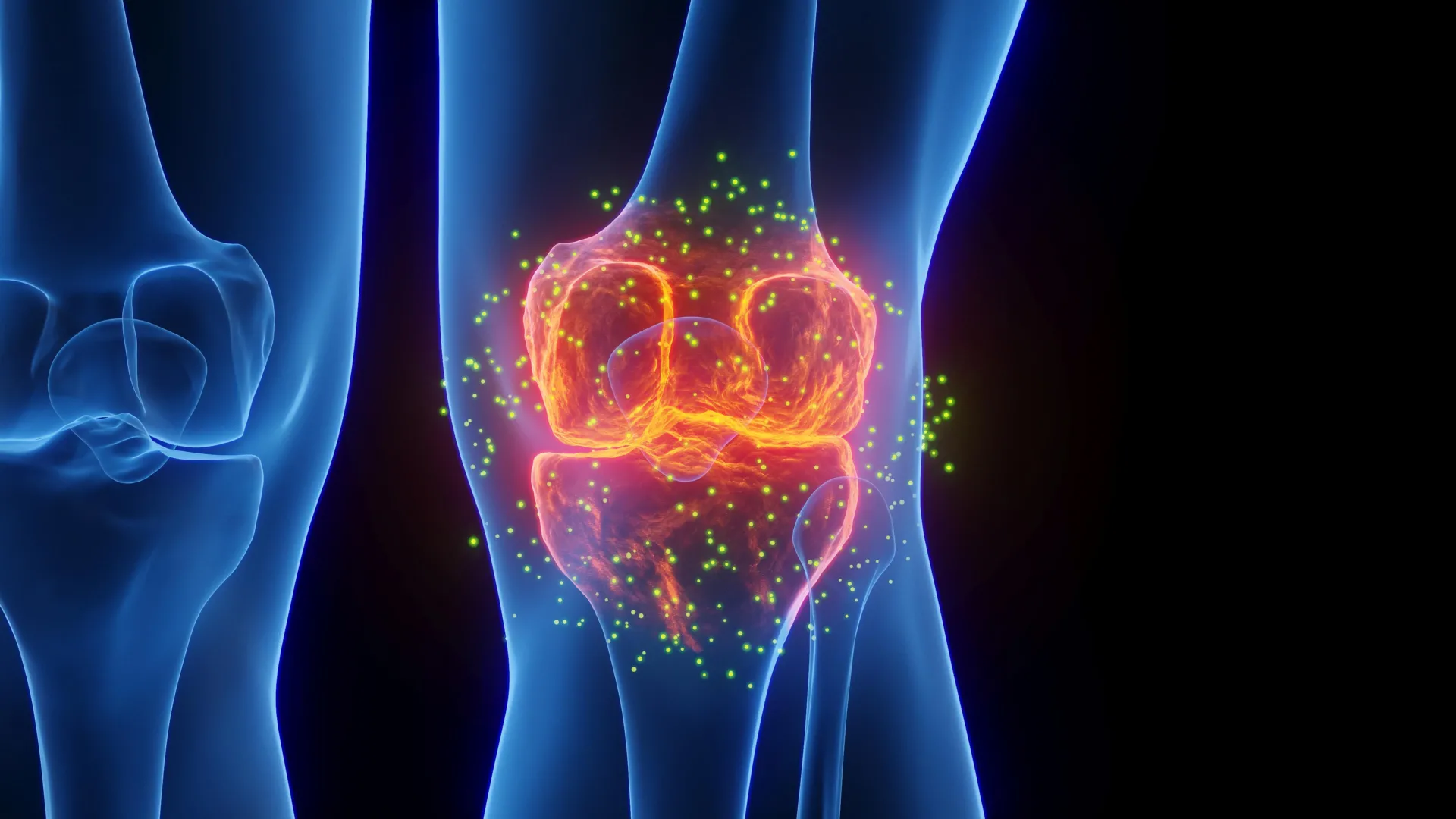
The implications of this research are vast, particularly given the socioeconomic impact of osteoarthritis. In the United States alone, approximately one in five adults—over 50 million people—suffer from some form of arthritis. Osteoarthritis is the most prevalent variety, characterized by the progressive breakdown of hyaline cartilage, the smooth, slippery tissue that caps the ends of bones in joints like the knees, hips, and shoulders.
Current medical protocols for osteoarthritis are largely reactive, focusing on pain management through non-steroidal anti-inflammatory drugs (NSAIDs), corticosteroid injections, or physical therapy. When these interventions fail and the cartilage is entirely depleted, the only remaining option is total joint replacement surgery. These procedures, while effective, are invasive, require lengthy rehabilitation, and carry the risks inherent to major surgery.
Financially, the burden is staggering. Osteoarthritis accounts for roughly $65 billion in direct healthcare costs annually in the U.S. As the global population ages and obesity rates—a major risk factor for joint stress—continue to rise, these costs are projected to escalate. A non-surgical treatment that could regrow cartilage via a local injection or a pill would represent one of the most significant advancements in orthopedic history.
Experimental Evidence: Success in Murine Models and Human Tissue
The study employed a series of rigorous experiments to validate the efficacy of the 15-PGDH inhibitor. In the first phase, older mice with naturally thinned cartilage were treated with the inhibitor. The researchers tested two delivery methods: systemic administration via abdominal injection and localized delivery via direct injection into the knee joint.
Both methods yielded "remarkable" results. The treated mice showed a significant increase in the thickness of their articular cartilage. Importantly, the new growth was confirmed to be hyaline cartilage—the high-quality, functional tissue required for smooth joint movement—rather than fibrocartilage, which is a tougher, scar-like tissue that often forms after injury but lacks the same lubricating properties.
The second phase of the study moved from animal models to human application. The team obtained cartilage samples from patients undergoing total knee replacement surgeries. These samples represented "end-stage" osteoarthritis, where the tissue was severely degraded. After just one week of exposure to the 15-PGDH inhibitor in a laboratory setting, the human tissue showed a dramatic shift in cellular behavior. The number of cells contributing to cartilage breakdown decreased, while the activity of genes associated with the production of new, healthy articular matrix increased.
Preventative Potential in Sports Medicine and Trauma
Beyond treating age-related decline, the study highlights a preventative application for younger populations. A significant portion of osteoarthritis cases are "post-traumatic," meaning they develop years after a major joint injury, such as an Anterior Cruciate Ligament (ACL) tear. Even with successful surgical repair of a ligament, approximately 50% of patients develop osteoarthritis within 15 years of the injury.
The Stanford researchers simulated this progression using a mouse model of ACL injury. Mice that received the 15-PGDH inhibitor for four weeks following the injury were largely protected from developing arthritis. In contrast, the control group showed elevated levels of the gerozyme and rapid cartilage degradation within a month. This suggests that the treatment could be used as a prophylactic measure following sports injuries or accidents to prevent the long-term onset of chronic joint disease.
The Future of Joint Health: Clinical Trials and Market Implications
The transition from laboratory success to clinical availability is already underway, though in a different therapeutic area. An oral version of the 15-PGDH inhibitor is currently being evaluated in Phase 1 clinical trials for the treatment of sarcopenia (age-related muscle wasting). Because these trials have already demonstrated that the drug is safe and biologically active in humans, the path toward testing it specifically for cartilage regeneration may be expedited.
Nidhi Bhutani, associate professor of orthopedic surgery and co-senior author of the study, emphasized the unmet need: "Until now, there has been no drug that directly treats the cause of cartilage loss. This inhibitor causes a dramatic regeneration beyond that reported in response to any other drug."
The commercial potential of the discovery has led to the licensing of the technology to Epirium Bio, a biotechnology company focused on tissue rejuvenation. Several of the study’s authors, including Blau and Bhutani, hold patents related to 15-PGDH inhibition and have equity in the company. While this reflects the commercial interest in the "longevity" market, the researchers maintain that the primary goal is providing a clinical solution to a universal human ailment.
Institutional Support and Collaborative Research
The study was a collaborative effort involving researchers from Stanford University and the Sanford Burnham Prebys Medical Discovery Institute. Lead authors include Mamta Singla, PhD, and Yu Xin (Will) Wang, PhD, the latter of whom has since transitioned to an assistant professor role at the Sanford Burnham Institute.
The research was made possible through extensive funding from the National Institutes of Health (NIH), the Baxter Foundation for Stem Cell Biology, the Li Ka Shing Foundation, and the Canadian Institutes of Health Research, among others. Such broad institutional backing underscores the scientific community’s recognition of 15-PGDH as a high-priority target in the field of aging.
As the medical community awaits the results of further clinical trials, the Stanford study stands as a definitive proof of concept. It challenges the long-held belief that the body’s "shock absorbers" cannot be replaced once they are gone. By targeting the molecular drivers of aging rather than just the symptoms of decay, science is moving closer to a reality where joint health can be maintained or restored throughout the human lifespan, potentially making the "knee replacement" a relic of medical history.