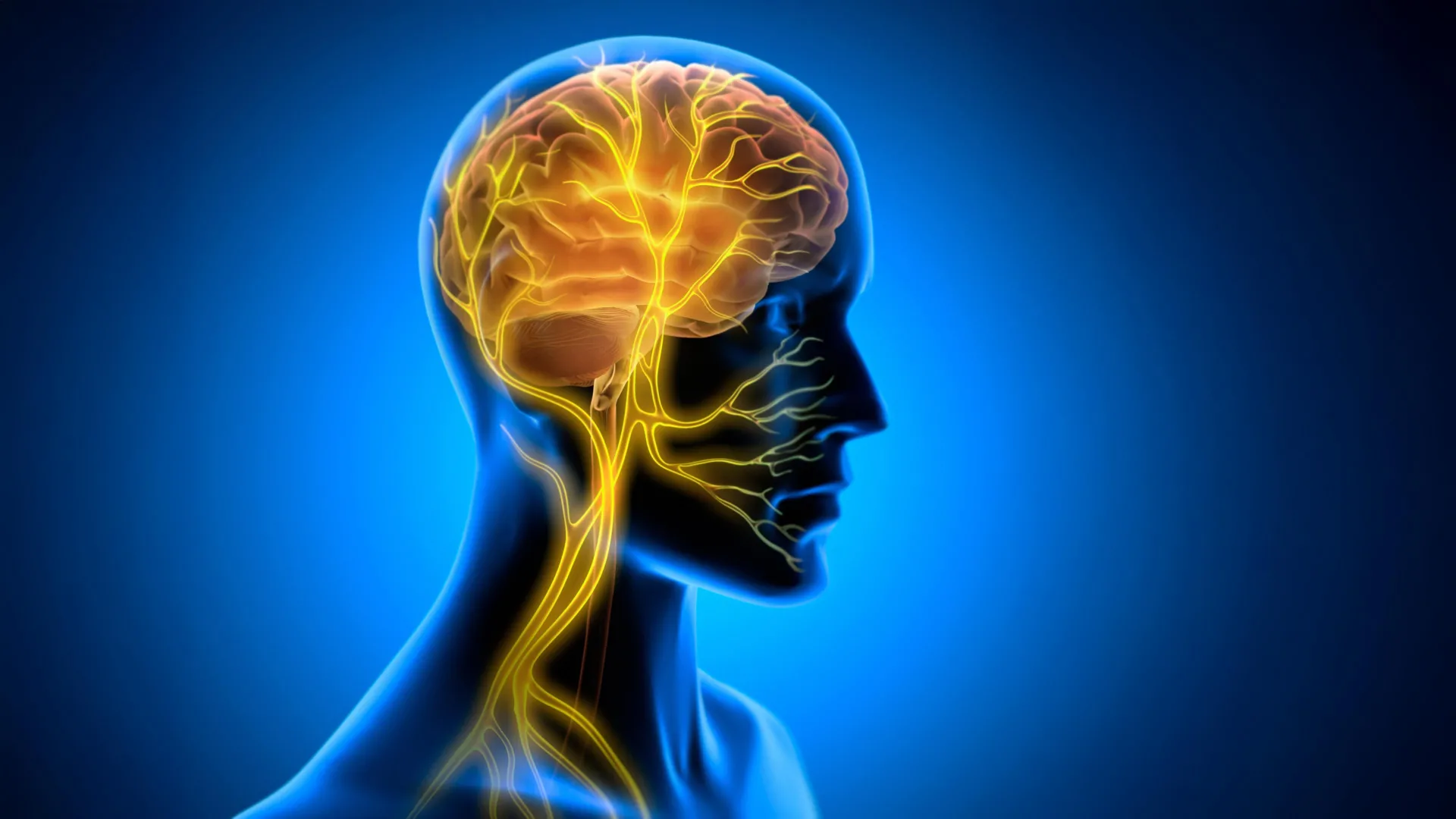
A team of neuroscientists at the University of California, Berkeley, has identified the specific brain circuitry responsible for coordinating the release of growth hormone during sleep, a discovery that bridges a long-standing gap in our understanding of the relationship between rest and physical restoration. The study, published in the prestigious journal Cell, details how the brain manages a delicate feedback loop that not only triggers growth hormone production but also uses that hormone to regulate the transition between wakefulness and sleep. By mapping these pathways in unprecedented detail, the researchers have opened new avenues for treating metabolic disorders, growth deficiencies, and neurodegenerative diseases such as Alzheimer’s and Parkinson’s.
For decades, the medical community has recognized that a significant portion of the body’s daily growth hormone (GH) is secreted during sleep, particularly during the deep, slow-wave stages of non-REM sleep. However, the precise neural mechanisms that allow the brain to synchronize this hormonal surge with specific sleep stages remained a mystery. Growth hormone is essential for more than just childhood development; in adults, it plays a critical role in muscle protein synthesis, bone density maintenance, the regulation of glucose and fat metabolism, and the repair of tissues damaged by daily wear and tear. The UC Berkeley findings provide the first direct look at the neural "wiring" that makes this restorative process possible.
The Hypothalamic Command Center and the Dual-Peptide System
At the heart of this discovery are specialized nerve cells located within the hypothalamus, an evolutionarily ancient part of the brain that serves as the control center for many of the body’s most basic functions, including hunger, temperature, and circadian rhythms. The research team, led by Yang Dan, a professor of neuroscience and molecular and cell biology, focused on two primary types of neurons: those that produce growth hormone-releasing hormone (GHRH) and those that produce somatostatin.
In a healthy system, GHRH acts as the "accelerator," signaling the pituitary gland to release growth hormone into the bloodstream. Somatostatin acts as the "brake," inhibiting that release. Prior to this study, it was difficult to observe how these two opposing forces interacted in real-time during the sleep cycle. By using advanced optogenetic techniques—where light is used to stimulate specific genetically modified neurons—and recording neural activity in mice, the researchers were able to see these peptides in action.
The study revealed a surprising complexity in how these neurons behave during different sleep stages. While growth hormone has traditionally been associated with non-REM sleep, the researchers found that both GHRH and somatostatin levels actually increase during REM (Rapid Eye Movement) sleep, the stage associated with dreaming. During non-REM sleep, the inhibitory somatostatin levels drop while GHRH rises moderately, creating a unique environment that facilitates the steady release of the hormone. This nuanced choreography suggests that the brain utilizes every stage of the sleep cycle to fine-tune the body’s hormonal balance.
The Discovery of the Locus Coeruleus Feedback Loop
One of the most significant aspects of the Berkeley study is the identification of a previously unknown feedback loop involving the locus coeruleus (LC). The locus coeruleus is a small cluster of neurons in the brainstem that serves as the brain’s primary source of norepinephrine, a chemical that promotes alertness and arousal. It is the part of the brain that "wakes us up" and keeps us focused during the day.
The researchers discovered that as growth hormone is released into the system, it travels back to the brain and activates neurons in the locus coeruleus. Initially, this stimulation encourages wakefulness. However, the system contains a built-in safety mechanism: if the activity in the locus coeruleus becomes too intense, it triggers a shift that actually promotes sleepiness. This creates a self-regulating cycle where sleep drives the release of growth hormone, and the hormone, in turn, helps the brain manage the transition back to an awake state.
"This suggests that sleep and growth hormone form a tightly balanced system," explained Daniel Silverman, a postdoctoral fellow at UC Berkeley and co-author of the study. "Too little sleep reduces growth hormone release, and too much growth hormone can in turn push the brain toward wakefulness. This balance is essential for growth, repair, and metabolic health."
Methodology: Real-Time Neural Mapping in Mice
To reach these conclusions, the research team utilized a sophisticated experimental setup involving mice, whose sleep-wake patterns and hypothalamic structures are remarkably similar to those of humans. Unlike humans, who typically sleep in one long block, mice sleep in short bursts throughout the 24-hour cycle. This allowed the scientists to observe dozens of transitions between sleep and wakefulness in a single day, providing a massive dataset for analysis.
The researchers implanted micro-electrodes to record the electrical activity of individual neurons while simultaneously monitoring growth hormone levels. This direct recording of neural activity represents a major leap forward from traditional methods. Previously, scientists had to rely on frequent blood draws to measure hormone levels, a process that is not only invasive but also lacks the temporal resolution to match hormonal spikes with specific seconds of brain activity.
"We’re actually directly recording neural activity in mice to see what’s going on," said first author Xinlu Ding. "We are providing a basic circuit to work on in the future to develop different treatments."
Implications for Metabolic and Cardiovascular Health
The implications of this research extend far beyond the laboratory. Because growth hormone is a primary regulator of how the body processes sugar and fat, disruptions in the sleep-GH circuit can have devastating effects on long-term health. Chronic sleep deprivation has long been linked to an increased risk of obesity, type 2 diabetes, and cardiovascular disease.
When sleep is fragmented or insufficient, the "accelerator" (GHRH) is never fully engaged, and the "brake" (somatostatin) may not be properly released. This results in lower circulating levels of growth hormone, which leads to decreased muscle mass and an accumulation of visceral fat. Furthermore, because growth hormone helps regulate insulin sensitivity, its absence can lead to chronic high blood sugar, a precursor to diabetes.
By identifying the specific neurons that control this process, scientists may now be able to develop targeted therapies. For instance, pharmaceutical interventions could be designed to mimic the activity of GHRH neurons in patients with sleep apnea or chronic insomnia, ensuring that even if their sleep is interrupted, their metabolic health is preserved.
Cognitive Function and Neurodegenerative Disease
The discovery also sheds light on the cognitive benefits of sleep. The locus coeruleus, which the study found to be a key player in the GH feedback loop, is one of the first areas of the brain to show signs of degeneration in patients with Alzheimer’s and Parkinson’s diseases. These conditions are almost always accompanied by severe sleep disturbances, creating a "vicious cycle" where poor sleep accelerates brain decay, and brain decay further ruins sleep.
The Berkeley team’s findings suggest that growth hormone may play a role in maintaining the health of the locus coeruleus. "Growth hormone not only helps you build your muscle and bones and reduce your fat tissue, but may also have cognitive benefits, promoting your overall arousal level when you wake up," Ding noted.
If growth hormone helps "reset" the locus coeruleus during the night, it may be essential for maintaining the mental clarity and attention required during the day. This opens the possibility of using growth hormone-related therapies to slow the progression of cognitive decline in the elderly, or to improve the quality of life for those suffering from neurodegenerative disorders.
A New Frontier in Hormonal and Gene Therapy
The identification of this circuit provides a "novel handle" for future medical treatments. Daniel Silverman highlighted the potential for experimental gene therapies that could target specific cell types within the hypothalamus or the locus coeruleus. By "dialing back" the excitability of certain neurons, doctors might be able to restore a natural sleep-wake rhythm in patients whose internal clocks have been disrupted by trauma, age, or disease.
Currently, growth hormone treatments are often systemic, involving injections that affect the entire body and can carry significant side effects. The precision of the UC Berkeley discovery suggests a future where treatments could be localized to the brain, focusing on the source of the hormonal imbalance rather than just the symptoms.
Conclusion and Future Research
The study was supported by the Howard Hughes Medical Institute (HHMI) and the Pivotal Life Sciences Chancellor’s Chair fund. The research team included contributors from both UC Berkeley and Stanford University, highlighting the collaborative effort required to map such a complex biological system.
As the scientific community continues to digest these findings, the next steps will likely involve human clinical trials to see if the same hypothalamic-locus coeruleus circuit can be manipulated in people. If successful, this research could redefine our approach to sleep hygiene, athletic recovery, and the management of metabolic and neurological health.
For now, the message is clear: the relationship between a good night’s sleep and physical health is not just a matter of "feeling refreshed." It is a complex, biologically programmed necessity driven by a sophisticated neural circuit that ensures our bodies grow, repair, and remain metabolically balanced. The work of Ding, Silverman, and Dan has finally put a face to the "ghost in the machine" that manages our health while we dream.