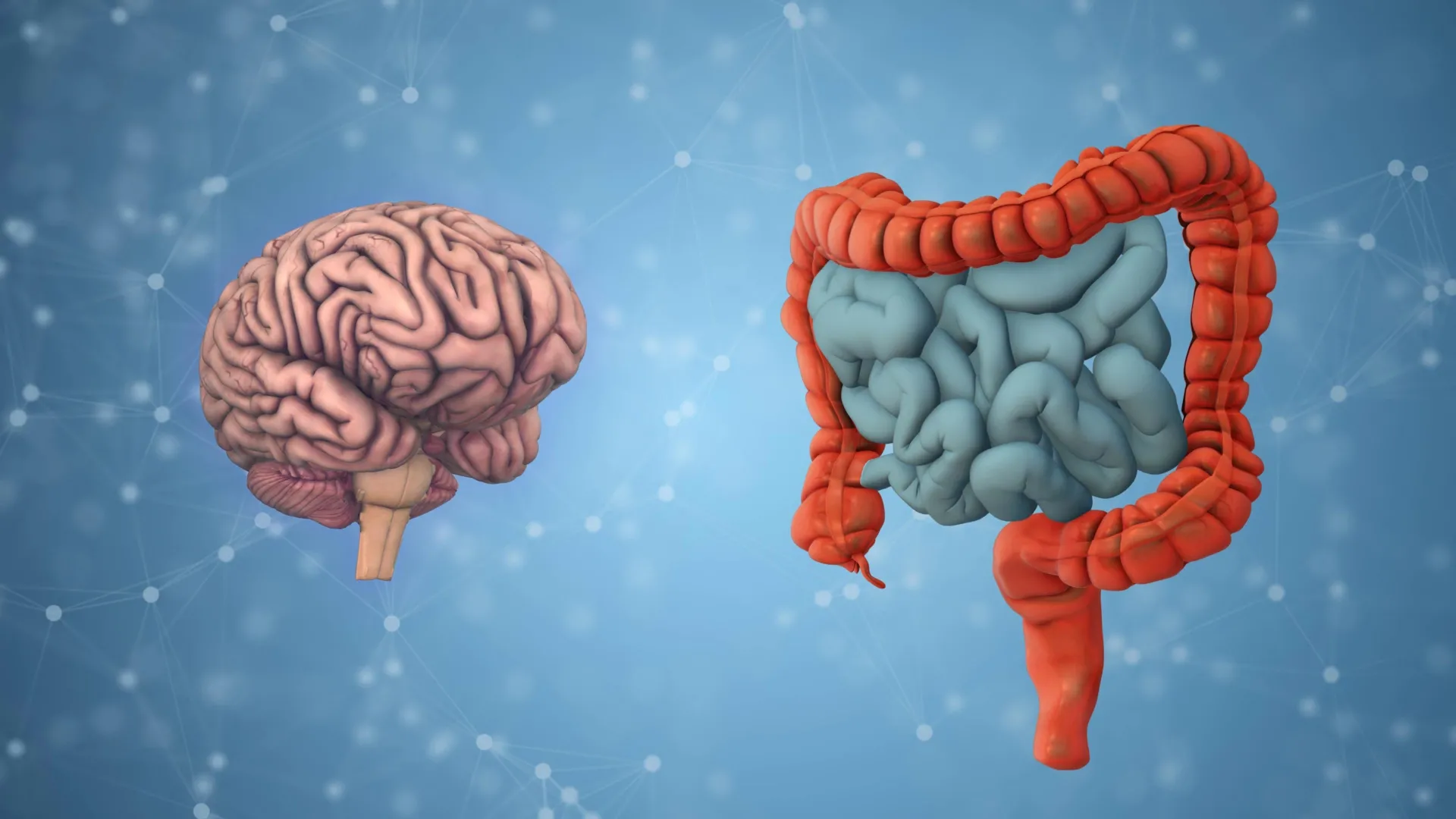
The emergence of a unified framework for understanding the human mind has taken a significant step forward with the publication of a new theoretical paper in the neurocognitive journal Entropy, which posits that modern neuroscience and classical psychoanalysis are converging on a singular model of mental function. Researchers from the Department of Psychology at the University of Oslo, including Erik Stännicke, Bendik Hovet, and Line Indrevoll Stännicke, argue that the "predictive brain" paradigm—currently the dominant theory in cognitive neuroscience—shares profound structural similarities with the theories of subjective experience pioneered by Sigmund Freud over 130 years ago. This synthesis suggests that what psychoanalysis has long described through clinical observation and the study of the subconscious is now being validated at a physiological and computational level by 21st-century brain science.
The Convergence of Two Divergent Traditions
For much of the 20th century, neuroscience and psychoanalysis operated in silos, often viewed as incompatible or even antagonistic disciplines. Neuroscience focused on the biological hardware of the brain—neurons, synapses, and neurotransmitters—while psychoanalysis focused on the "software" of human experience, such as dreams, emotions, and the unconscious mind. However, the new research suggests this divide is increasingly artificial. The paper argues that both fields are describing the same underlying mental processes, albeit from different vantage points: neuroscience provides the biological and computational mechanisms, while psychoanalysis offers the subjective, lived experience of those mechanisms.
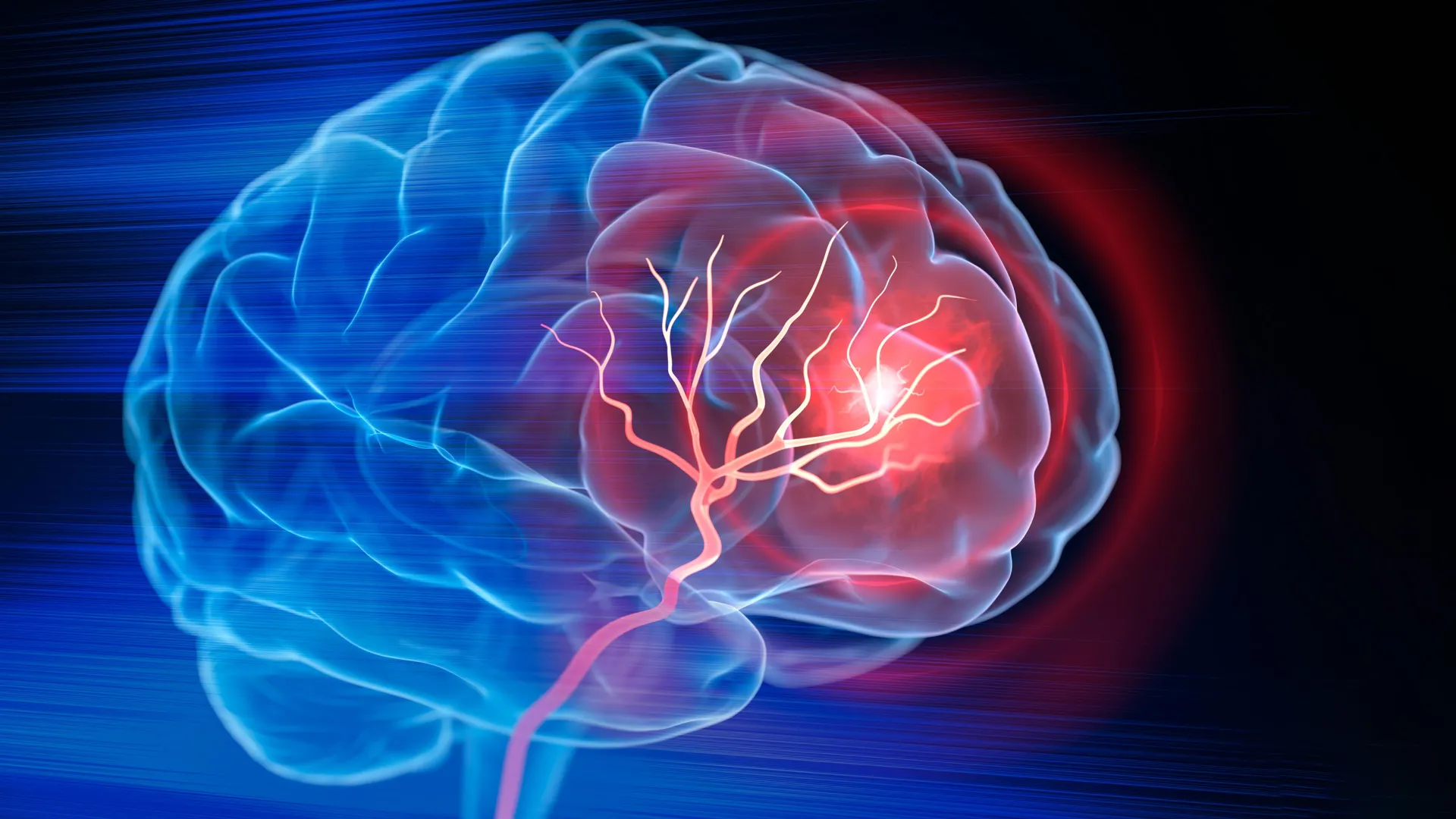
At the heart of this convergence is the "prediction paradigm," often referred to in scientific circles as predictive coding or the Free Energy Principle. This model suggests that the brain is not a passive receiver of sensory information, but an active "inference machine." It constantly generates internal models of the world to predict what will happen next. When sensory input contradicts these predictions, the brain generates a "prediction error," which it then seeks to resolve by either updating its internal model or attempting to change the environment to match its expectations.
A Chronological Evolution of the Predictive Mind
To understand the weight of this synthesis, one must look at the historical trajectory of these ideas. In 1895, Sigmund Freud penned "Project for a Scientific Psychology," an ambitious attempt to create a model of the mind based on the flow of energy between neurons. Though he eventually abandoned the project due to the limitations of 19th-century biology, his subsequent theories on the "ego," "homeostasis," and "defense mechanisms" were rooted in the idea of a mental apparatus striving to manage external and internal stimuli.
The mid-20th century saw the rise of behaviorism and later the cognitive revolution, which largely sidelined Freudian concepts in favor of measurable inputs and outputs. However, by the late 1990s and early 2000s, the "neuropsychoanalysis" movement, led by figures such as Mark Solms, began to revisit Freud’s biological roots. Concurrently, the work of theoretical neuroscientist Karl Friston on the Free Energy Principle began to dominate the field, providing a mathematical framework for how biological systems maintain order by minimizing "surprise" or uncertainty.
The researchers in the Entropy paper argue that we have now reached a historical tipping point where the computational language of neuroscience (active inference) and the clinical language of psychoanalysis (projection and transference) are describing the same phenomenon.
Projection as Active Inference
One of the most striking parallels identified by the Oslo team is the relationship between the psychoanalytic concept of "projection" and the neuroscientific concept of "active inference." In psychoanalysis, projection occurs when an individual attributes their own unconscious feelings, such as hostility or insecurity, to another person.
From a neuroscientific perspective, this is a failure of the brain to update its predictive models. If a person has a deeply ingrained "prior" (an internal expectation) that people are generally untrustworthy, their brain will interpret neutral social cues as evidence of hostility. Instead of updating the model to reflect the reality of a friendly interaction, the brain engages in "active inference"—it filters reality to confirm the pre-existing prediction.
"When we attribute qualities, intentions, or feelings to other people, our brain shapes our experience of the world in line with established expectations," Stännicke explains. This explains why people often find themselves in repeating patterns of dysfunctional relationships; their brains are effectively "projecting" old data onto new participants to minimize the uncertainty of a new experience.
Homeostasis and the Quest for Stability
The paper also highlights the shared focus on homeostasis—the maintenance of a stable internal state. In the predictive brain model, the brain is driven to reduce "entropy" or disorder. High levels of uncertainty are metabolically expensive and psychologically distressing. To combat this, the brain relies on "priors"—past experiences stored in procedural memory—to navigate the world with minimal effort.
Psychoanalysts have long observed that patients often cling to painful or "maladaptive" behaviors because they provide a sense of familiar stability. A person may remain in a state of chronic low-level depression or anxiety because it is a "predictable" state, whereas the unknown variables of happiness or success might trigger a massive prediction error that the brain is not equipped to handle.
Stännicke notes that "rigid and persistent symptoms, such as paranoid ideas or an internalized critical voice, may be stable but not very flexible prediction models." This suggests that mental disorders are not just "chemical imbalances" but are instead "prediction errors" that have become calcified. The brain chooses the "certainty" of a negative self-image over the "uncertainty" of a fluctuating or positive one.
Clinical Implications and the Speed of Change
The integration of these two fields has profound implications for the treatment of mental health disorders. If the brain is a predictive engine that relies on deeply ingrained "priors," then psychological change is naturally a slow and difficult process. This explains why "quick fix" therapies often fail to produce lasting results for complex trauma or personality disorders.
The researchers suggest that psychotherapy works by providing a "safe" environment where prediction errors can be introduced and processed. In the relationship between a therapist and a patient, the patient will inevitably project their old relational models onto the therapist (a process known as transference). When the therapist responds in a way that does not fit the patient’s rigid prediction (e.g., with empathy instead of the expected criticism), it creates a "prediction error" that the brain must eventually resolve by updating its internal model.
"Therefore, psychotherapy sometimes has to work relationally," says Stännicke. "New experiences in the relationship between therapist and patient can gradually help to change entrenched relational patterns." This confirms the psychoanalytic intuition that the "therapeutic alliance" is the primary engine of change, now backed by the understanding that this alliance is literally re-wiring the brain’s predictive software.
Supporting Data and Scientific Consensus
While the paper in Entropy is theoretical, it is supported by a growing body of empirical data in the field of neuroimaging. Functional MRI (fMRI) studies have shown that the "default mode network" (DMN)—a brain network active when we are daydreaming or thinking about ourselves—is heavily involved in generating these internal predictions. Disruptions in the DMN have been linked to both the "ego dissolution" described in psychoanalysis and various psychiatric conditions, including schizophrenia and depression.
Furthermore, a 2021 study published in The Lancet Psychiatry suggested that "computational psychiatry," which uses the prediction paradigm to model mental illness, could soon lead to more personalized treatment plans. By measuring a patient’s "learning rate" (how quickly they update their predictions based on new information), clinicians may be able to determine whether a patient would benefit more from pharmacological intervention or long-term talk therapy.
Toward a More Complete Psychology
The Oslo researchers conclude that the future of psychology lies in a "holistic" approach that refuses to choose between the biological and the subjective. By using neuroscience to provide a biological foundation for psychoanalytic ideas, and using psychoanalysis to give meaning to neurological data, the field can move toward a more comprehensive understanding of the human condition.
This synthesis represents a full circle in the history of science. Sigmund Freud’s dream of a "scientific psychology" that accounts for both the neuron and the soul is finding its fulfillment in the era of artificial intelligence and advanced neuroimaging. As we refine our understanding of the predictive brain, we are rediscovering that the "unconscious" is not just a poetic metaphor, but a fundamental biological imperative to keep the world predictable and safe.
The broader impact of this research extends beyond the clinic. It offers a framework for understanding social polarization, the persistence of prejudice, and the difficulty of behavioral change on a societal scale. If the human brain is hard-wired to prefer its own predictions over objective reality, then the work of "updating" our collective models—whether in therapy or in public discourse—requires a deliberate, relational, and often uncomfortable engagement with the "prediction errors" of our world.