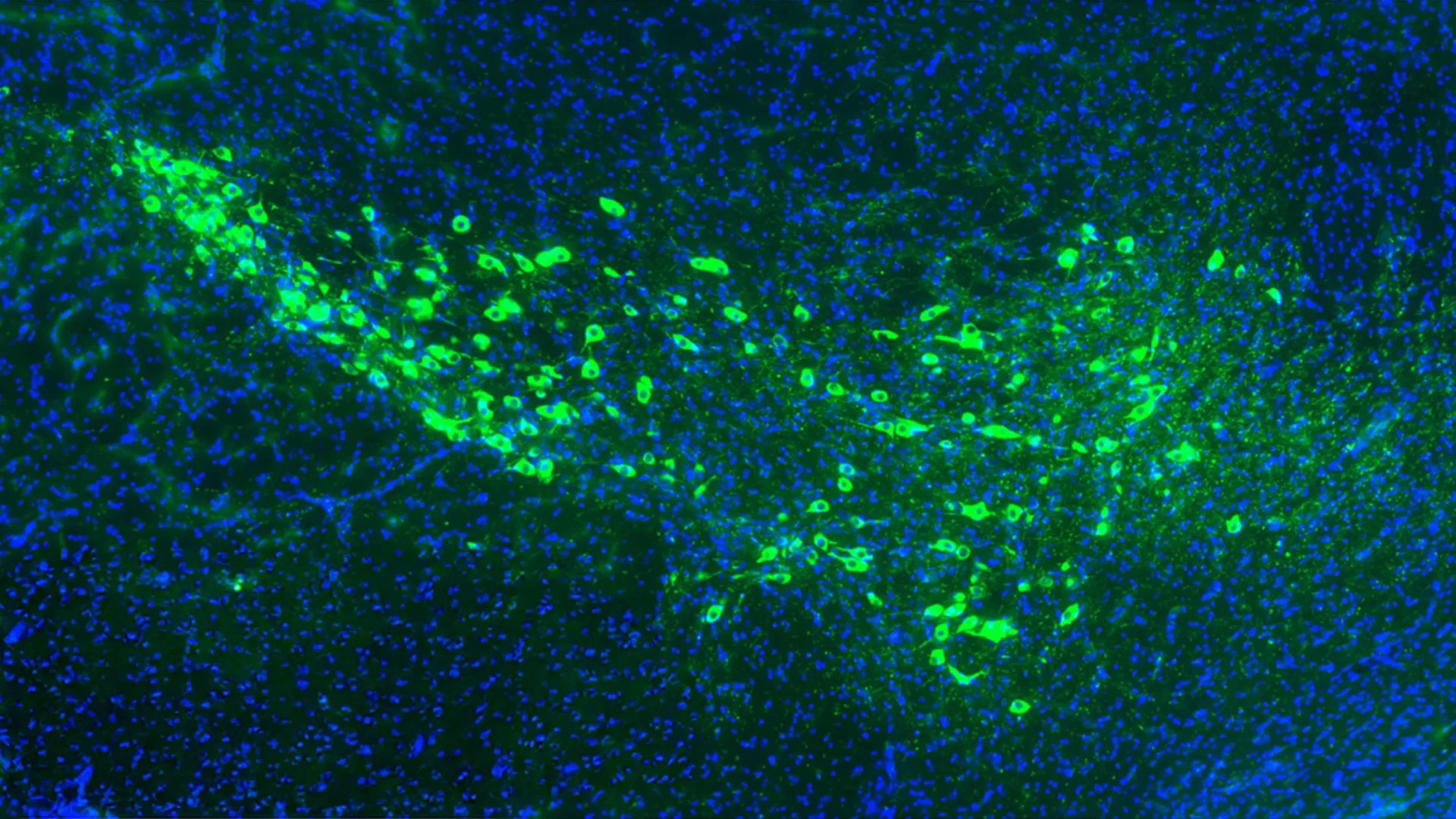
A groundbreaking study led by the Yale School of Medicine has identified two specific membrane proteins that act as a gateway for the progression of Parkinson’s disease, offering a potential roadmap for treatments that could halt the disorder’s advancement. The research, published in the journal Nature Communications, pinpoints the proteins mGluR4 and NPDC1 as the primary transporters that allow toxic, misfolded proteins to infiltrate healthy neurons. By understanding this molecular "lock and key" mechanism, scientists believe they can develop interventions that move beyond mere symptom management toward a definitive method of stopping the disease in its tracks.
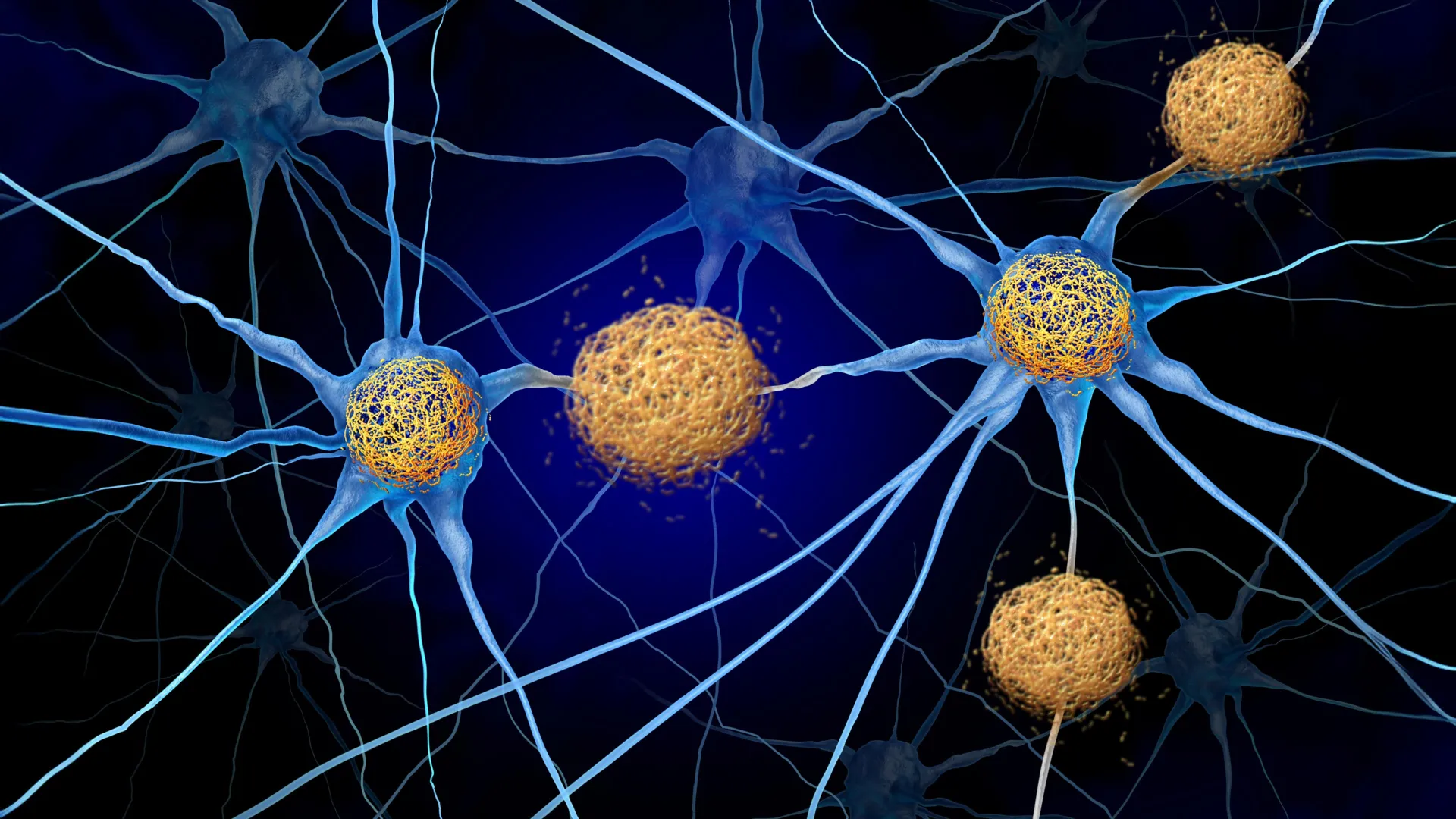
Parkinson’s disease is a complex, progressive neurological condition characterized by the loss of dopamine-producing neurons, particularly in the substantia nigra region of the brain. For decades, the scientific community has recognized that the accumulation of a misfolded protein known as alpha-synuclein (α-synuclein) is the pathological hallmark of the disease. These proteins form clumps called Lewy bodies, which are toxic to nerve cells. As these cells die, the misfolded proteins escape into the extracellular space and are subsequently taken up by neighboring healthy neurons, creating a domino effect that spreads throughout the brain. However, the exact mechanism by which these healthy cells "inhale" the toxic proteins remained one of the most significant mysteries in neurology until now.
The Molecular Gateway: Identifying mGluR4 and NPDC1
The research team, spearheaded by Stephen Strittmatter, MD, PhD, the Vincent Coates Professor of Neurology and chair of the Department of Neuroscience at Yale School of Medicine (YSM), utilized an exhaustive screening process to identify the proteins responsible for this cellular entry. The team engineered 4,400 different groups of cells, each designed to express a unique surface protein. This massive library of proteins was then exposed to misfolded α-synuclein to see which, if any, would bind to the toxic protein.
Out of the thousands of candidates, only 16 proteins showed any significant binding affinity for α-synuclein. Further investigation narrowed this list down to two critical players: metabotropic glutamate receptor 4 (mGluR4) and Neural Proliferation, Differentiation, and Control 1 (NPDC1). Crucially, these two proteins were found to be highly concentrated on the surface of dopamine-producing neurons in the substantia nigra—the exact area most vulnerable to Parkinson’s-related decay.
The study revealed that mGluR4 and NPDC1 do not act in isolation; rather, they function as a collaborative complex. When misfolded α-synuclein attaches to this protein pair, the cell’s internal machinery is triggered to pull the toxic protein inside. Once inside, the α-synuclein begins to misfold the cell’s existing healthy proteins, leading to eventual cell death and a continuation of the destructive cycle.
Experimental Validation and Mouse Model Outcomes
To confirm their hypothesis, the Yale researchers conducted a series of experiments using mouse models of Parkinson’s disease. In the control group, mice with normal levels of mGluR4 and NPDC1 were injected with misfolded α-synuclein. These animals rapidly developed the classic signs of the disease: the toxic protein spread through their brains, they suffered a loss of dopamine neurons, and they exhibited significant motor impairments, such as tremors and loss of balance.
In the experimental groups, researchers used genetic engineering to "knock out" or disable the functions of either mGluR4 or NPDC1. When these modified mice were exposed to the same toxic α-synuclein, the results were transformative. The spread of the protein was significantly curtailed, and the mice did not develop the Parkinson’s-like symptoms observed in the control group. Furthermore, in a separate model designed to simulate advanced Parkinson’s, the removal of these genes led to a marked reduction in symptom progression and a lower risk of premature death.
"If we understood how it gets into neurons, we could perhaps block or slow down the progression of the disease," Strittmatter noted. "We need to understand the molecular mechanism of how it spreads. This mechanism represents a promising target for future therapies."
The Growing Crisis: Parkinson’s Disease by the Numbers
The implications of this discovery are underscored by the mounting public health challenge posed by neurodegenerative disorders. According to data from the Parkinson’s Foundation, approximately 1.1 million people in the United States are currently living with the disease. This number is expected to climb to 1.2 million by 2030. Each year, nearly 90,000 new cases are diagnosed, making Parkinson’s the second most common neurodegenerative disease after Alzheimer’s.
The economic burden is equally staggering. A 2019 study supported by the Michael J. Fox Foundation found that the total economic impact of Parkinson’s disease in the U.S. is approximately $52 billion per year, with $25.4 billion attributed to direct medical costs and $26.5 billion to indirect costs such as lost wages and caregiver time. As the "Silver Tsunami"—the aging of the Baby Boomer generation—continues, the prevalence of Parkinson’s is projected to double by 2040.
Current treatment options, while life-changing for many, are largely limited to dopamine replacement therapies like Levodopa. While these medications can effectively mask motor symptoms like tremors and rigidity for several years, they do nothing to stop the underlying death of neurons. Over time, the effectiveness of these drugs often wanes, and patients may develop debilitating side effects such as dyskinesia (involuntary movements). The Yale study provides a theoretical framework for a "disease-modifying therapy"—a treatment that changes the course of the disease rather than just managing its external manifestations.
Historical Context and Scientific Chronology
The discovery of α-synuclein’s role in Parkinson’s dates back to 1997, when researchers found mutations in the SNCA gene (which encodes α-synuclein) in families with rare, inherited forms of the disease. Shortly thereafter, it was discovered that α-synuclein was the primary component of Lewy bodies in all Parkinson’s patients, including the 90% of cases that are sporadic rather than hereditary.
In 2003, German neuroanatomist Heiko Braak proposed the "Braak Hypothesis," suggesting that Parkinson’s starts in the gut or the olfactory bulb and spreads to the brain like a prion disease (similar to Mad Cow disease). This theory shifted the focus of the global research community toward understanding how proteins move between cells. Over the last two decades, various receptors have been proposed as potential entry points, but none have been as definitively linked to the specific neurons of the substantia nigra as mGluR4 and NPDC1.
Expert Analysis and Future Implications
The identification of mGluR4 is particularly intriguing to the pharmacological community. Because mGluR4 is a glutamate receptor, it has already been a target of interest for various neurological conditions, and some compounds that interact with it have already undergone safety testing in other contexts. This could potentially accelerate the timeline for drug development, as researchers would not be starting from scratch in designing molecules to interact with this protein.
However, scientific experts caution that significant hurdles remain. Targeting mGluR4 and NPDC1 must be done with precision to avoid disrupting their normal, healthy functions in the brain. Glutamate receptors like mGluR4 play vital roles in synaptic transmission and plasticity; simply "shutting them off" in humans could lead to severe cognitive or motor side effects. The goal for future drug developers will be to create "allosteric modulators" or antibodies that can block the binding of toxic α-synuclein without interfering with the receptor’s ability to process normal brain signals.
The study also raises questions about whether similar mechanisms are at play in other neurodegenerative diseases. Conditions such as Alzheimer’s and Amyotrophic Lateral Sclerosis (ALS) also involve the spread of misfolded proteins (tau and TDP-43, respectively). The Yale team’s screening methodology could theoretically be applied to these disorders, potentially revealing a universal "entry code" for protein-based brain decay.
Conclusion: A Shift Toward Prevention
As the global population ages, the urgency for breakthrough treatments has never been higher. The Yale School of Medicine study represents a shift in the philosophy of Parkinson’s research—from reactive care to proactive prevention of spread.
"We have an aging population. How we can stop or slow neurons from dying is an enormous problem," says Strittmatter. "This is really the time to make some inroads into figuring out how to slow it down."
While human clinical trials are likely years away, the identification of mGluR4 and NPDC1 provides a concrete target for the next generation of pharmaceuticals. For the millions of families affected by Parkinson’s, the discovery offers a glimmer of hope that the disease may one day be transformed from a progressive, terminal condition into a manageable, or even arrestable, state. The focus now shifts to the global biotech and pharmaceutical sectors to translate these laboratory findings into safe, effective therapies for a population in desperate need of a cure.