Two micrograms is a quantity so minuscule that it is difficult for the human mind to visualize, weighing significantly less than a single, microscopic fragment of a grain of table salt. Yet, this tiny amount of vitamin B12, or cobalamin, represents the daily threshold between robust health and debilitating illness for the average adult. As the scientific community approaches the centennial anniversary of the discovery of B12’s clinical utility, new research is expanding our understanding of this nutrient far beyond its traditional role in red blood cell production. While it has long been known that B12 is essential for DNA synthesis and neurological integrity, emerging evidence from 2026 suggests that the vitamin plays a critical role in mitochondrial health and cellular energy production, potentially explaining the profound fatigue experienced by those with even marginal deficiencies.
The Historical Genesis of Cobalamin Research
The clinical history of vitamin B12 is one of the most celebrated sagas in modern medicine, marking a transition from mystery to life-saving intervention. In the early 20th century, pernicious anemia was a terrifying diagnosis, a progressive and frequently fatal condition characterized by a catastrophic drop in red blood cells. The breakthrough began not in a human ward, but in the laboratory of George Whipple, an American physician and pathologist. Whipple conducted experiments on dogs, demonstrating that a diet rich in liver helped the animals recover from anemia caused by significant blood loss.
While Whipple’s focus was on blood loss, his findings provided the essential clue for George Minot and William Murphy. In 1926, Minot and Murphy published their landmark report showing that patients with pernicious anemia—a condition we now know is caused by an inability to absorb B12 rather than blood loss—improved dramatically when fed large quantities of raw liver. This discovery was so transformative that Whipple, Minot, and Murphy were jointly awarded the Nobel Prize in Physiology or Medicine in 1934.
The subsequent decades saw scientists racing to identify the specific "extrinsic factor" within the liver. It was not until 1948 that teams in the United States and the United Kingdom simultaneously isolated the deep red, cobalt-containing compound now known as vitamin B12. Later, in 1956, the chemist Dorothy Hodgkin used X-ray crystallography to determine the vitamin’s complex molecular structure, a feat for which she also received a Nobel Prize. This century of research has moved from the crude feeding of liver to the precise administration of synthetic cobalamin, yet the fundamental importance of the molecule remains unchanged.
The Complex Mechanics of B12 Absorption
Unlike many other vitamins that are easily absorbed by the digestive tract, vitamin B12 requires a highly specialized and multi-step process to enter the bloodstream. This complexity makes deficiency a persistent public health challenge, even in developed nations where food is abundant.
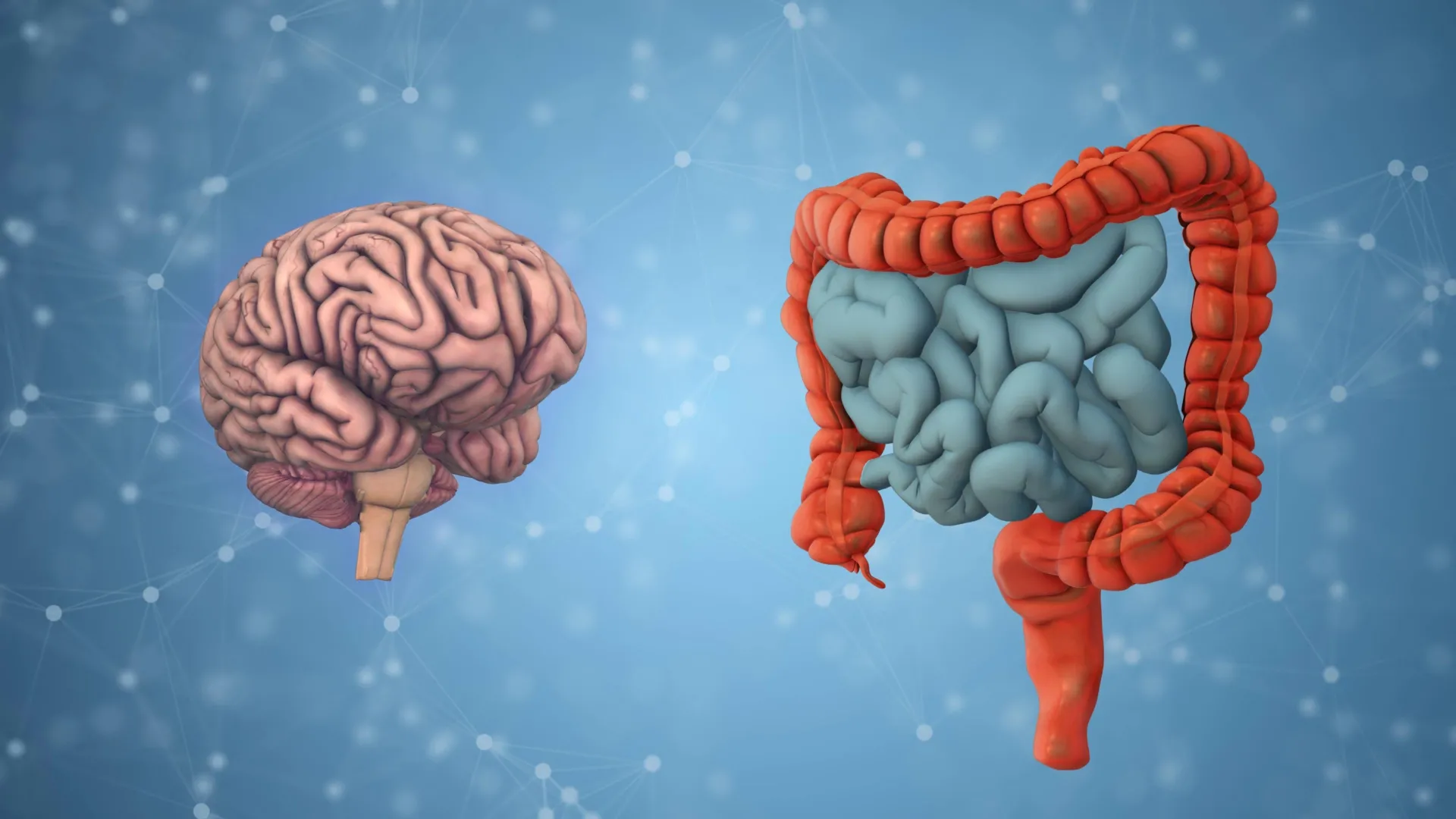
The process begins in the stomach, where gastric acid and enzymes release B12 from the proteins found in animal-sourced foods. Once freed, the vitamin must bind with "intrinsic factor," a protein secreted by the parietal cells of the stomach lining. This B12-intrinsic factor complex then travels to the ileum, the final section of the small intestine, where it is finally absorbed into the body.
This intricate pathway is easily disrupted. As individuals age, the production of stomach acid often declines—a condition known as atrophic gastritis—making it difficult to decouple B12 from food. Furthermore, autoimmune gastritis can lead the immune system to attack the stomach’s parietal cells, eliminating the production of intrinsic factor entirely and causing the classic form of pernicious anemia. Beyond biology, modern medical interventions also play a role; the long-term use of proton pump inhibitors (PPIs) for acid reflux or metformin for type 2 diabetes has been clinically linked to reduced B12 absorption, necessitating regular monitoring for these patient populations.
Identifying the Symptoms of a "Silent" Deficiency
The symptoms of B12 deficiency are notoriously subtle and slow to manifest, often lingering for years before a clinical diagnosis is made. Because B12 is stored in the liver in relatively large amounts compared to daily needs, a person can go several years without adequate intake or absorption before their stores are fully depleted.
The traditional hallmark of deficiency is megaloblastic anemia, where the bone marrow produces abnormally large, structurally impaired red blood cells. These "macrocytes" are inefficient at transporting oxygen, leading to the classic symptoms of exhaustion, shortness of breath, and physical weakness. However, the neurological symptoms are often more concerning and can occur even in the absence of anemia. These include:

- Paresthesia: Numbness or a "pins and needles" sensation in the hands and feet.
- Cognitive Decline: Often referred to as "brain fog," this includes memory lapses, difficulty concentrating, and irritability.
- Equilibrium Issues: Problems with balance and coordination, increasing the risk of falls in the elderly.
- Psychological Changes: Depression and, in extreme cases, psychosis have been linked to severe, prolonged deficiency.
Because these symptoms overlap significantly with the general effects of aging, many cases remain undiagnosed. Public health experts emphasize that persistent fatigue or neurological changes should not be dismissed as inevitable consequences of getting older but should instead be evaluated through blood tests measuring serum B12, methylmalonic acid (MMA), and homocysteine levels.
New Frontiers: Mitochondria and the 2026 Discoveries
While the role of B12 in blood health is well-documented, the scientific community has recently turned its attention to how the vitamin functions at the sub-cellular level. In humans, B12 is a co-factor for only two specific enzymes: methionine synthase and methylmalonyl-CoA mutase. The latter is situated within the mitochondria, the "powerhouses" of the cell responsible for converting nutrients into adenosine triphosphate (ATP), the body’s primary energy currency.
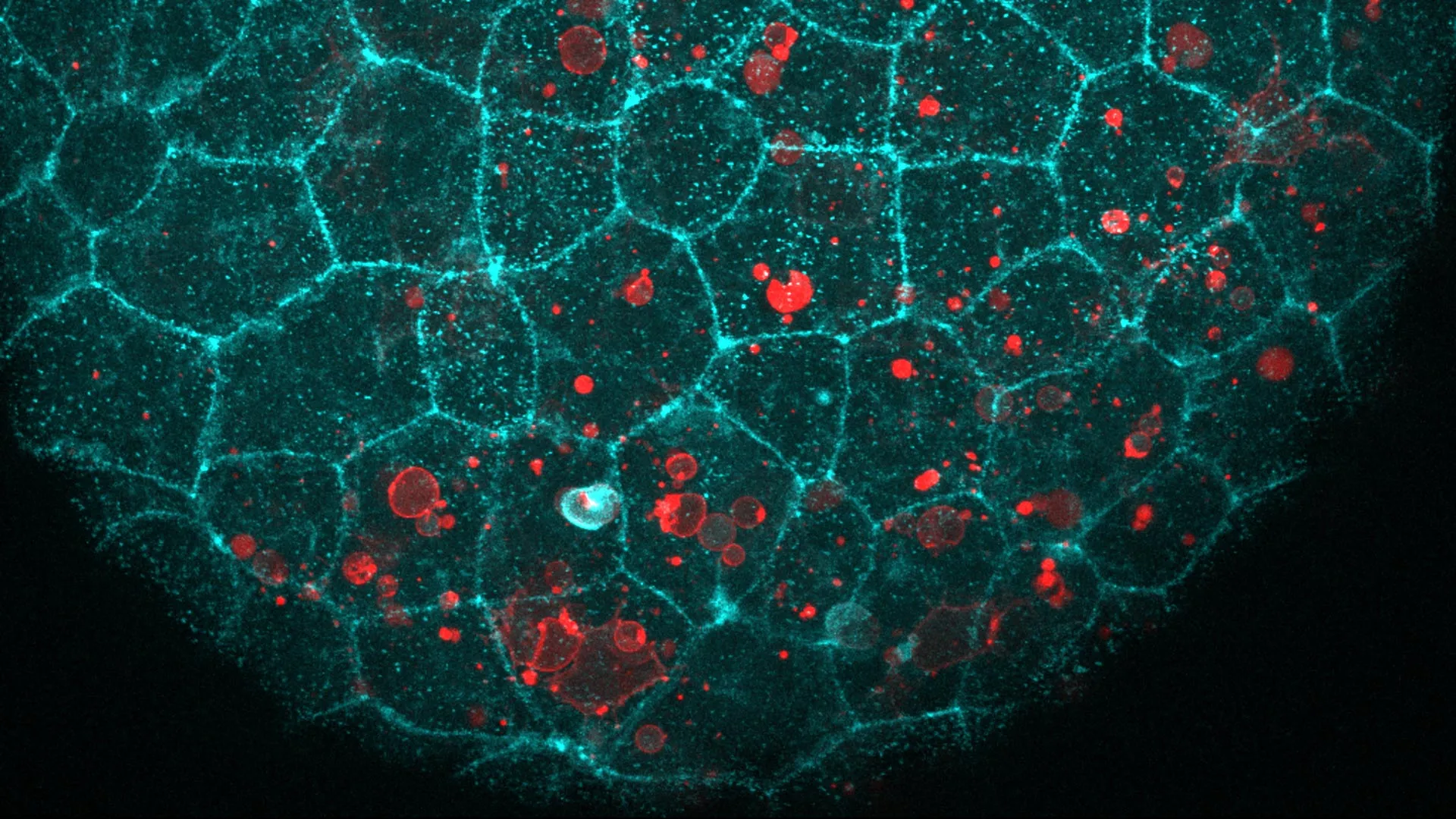
A pivotal study published in early 2026 has shed new light on this mitochondrial connection. Researchers utilizing laboratory models of skeletal muscle found that B12 deficiency leads to instability in mitochondrial DNA and a significant reduction in energy output. Essentially, without sufficient B12, the cellular machinery responsible for fueling muscle movement and metabolic processes begins to falter.
A parallel study conducted on aged female mice further reinforced these findings. When B12 levels were optimized through supplementation, the researchers observed a measurable improvement in the structural integrity and number of mitochondria within muscle tissue. These findings provide a compelling biological explanation for why patients often report "profound fatigue" and "muscle heaviness" even before their red blood cell counts drop into the anemic range. This suggests that B12 is not just a blood-builder, but a fundamental regulator of metabolic vitality.
The Rise of Wellness Trends vs. Medical Necessity
As public awareness of B12’s role in energy production has grown, so too has the commercial "wellness" industry. In cities across the globe, B12 injections are now marketed at "vitamin bars" and medispas as a quick fix for hangovers, weight loss, and athletic performance. However, medical professionals urge caution regarding these trends.
For individuals with a diagnosed deficiency or an absorption disorder like pernicious anemia, regular injections (often in the form of hydroxocobalamin) are a medical necessity and can be life-transforming. However, for those with normal B12 levels, there is currently no robust clinical evidence to suggest that "megadosing" via injection provides any additional energy boost or metabolic advantage. The body simply excretes the excess water-soluble vitamin through urine.
The medical consensus remains that the most effective way to maintain B12 levels is through a balanced diet or targeted oral supplements for those at risk. For vegans and vegetarians, who exclude the primary natural sources of B12 (meat, fish, eggs, and dairy), fortified foods and daily supplements are essential. The 2026 research highlights that while B12 is not a "fountain of youth" for the healthy, maintaining optimal levels is a cornerstone of preserving muscle function and energy as we age.
Global Implications and Future Outlook
The burden of B12 deficiency is a global concern, affecting an estimated 6% of people under the age of 60 and upwards of 20% of those over 60 in industrialized nations. In developing countries, where access to animal-derived proteins may be limited, the prevalence is significantly higher.
The implications of the 2026 research extend into the realm of public health policy. If B12 is indeed a critical factor in maintaining skeletal muscle health and mitochondrial function, the "sufficient" range for serum B12 may need to be re-evaluated, particularly for the elderly. Current guidelines often focus on preventing anemia, but a higher threshold might be necessary to prevent mitochondrial decay and frailty.
As we reach the 100-year milestone of the Minot and Murphy discovery, the story of vitamin B12 continues to evolve. What began as a desperate search for a cure for a fatal blood disease has become a sophisticated exploration of how a single cobalt-containing molecule powers the very engines of our cells. The next century of research will likely focus on the genetic nuances of B12 metabolism and the development of more sensitive diagnostic tools to ensure that this "unimaginably small" amount of nutrient continues to support the health of a growing and aging global population. For now, the message remains clear: while the body requires only a microscopic amount of B12, the cost of its absence is immense, impacting everything from the clarity of our thoughts to the energy in our very muscles.