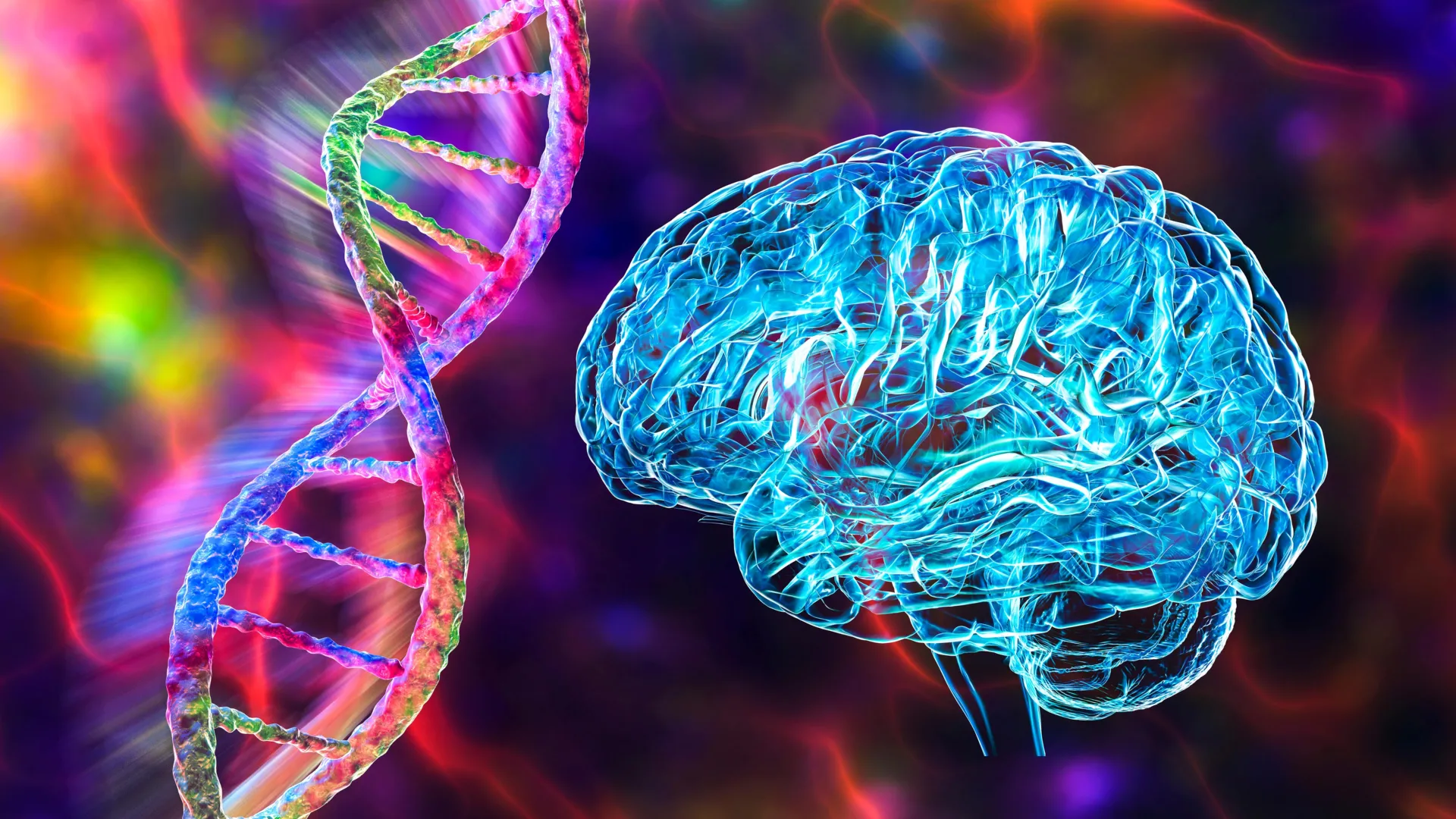
New research from the University of Massachusetts Amherst indicates that the common practice of using alcohol to manage stress during early adulthood may induce neurological alterations that persist for decades, regardless of subsequent long-term sobriety. The study, published in the peer-reviewed journal Alcohol: Clinical and Experimental Research, reveals that these brain changes often remain dormant until middle age, at which point they manifest as reduced cognitive flexibility, a heightened vulnerability to relapse during stressful periods, and cellular damage consistent with the early stages of neurodegenerative conditions such as Alzheimer’s disease and other forms of dementia.
The investigation provides a critical window into the biological interplay between ethanol consumption and psychological stress, suggesting that the two factors work in tandem to fundamentally reshape neural circuitry. These findings challenge the traditional recovery model, which often focuses primarily on behavioral cessation, by highlighting the necessity of addressing the physiological "scars" left behind by early-life substance use.
The Neurological Synergism of Stress and Alcohol
For decades, the scientific community has observed a bidirectional relationship between stress and alcohol use disorder (AUD). In the short term, alcohol acts as a central nervous system depressant that can temporarily dampen the physiological response to stress. However, the UMass Amherst study underscores a more insidious long-term reality: repeated exposure to alcohol during the formative years of early adulthood—a period of significant brain maturation—weakens the brain’s endogenous capacity to regulate stress.
As the brain’s natural resilience mechanisms are compromised, individuals often find themselves requiring escalating quantities of alcohol to achieve the same level of relief. This creates a self-reinforcing feedback loop. Heavier drinking leads to impaired judgment and poor life outcomes, which in turn generate more external stress, further driving the urge to consume alcohol. The researchers sought to determine the permanence of these adaptations and how they evolve as an individual enters the middle stages of life.
Dr. Elena Vazey, an associate professor of biology at UMass Amherst and the study’s senior author, noted that her laboratory focuses on the neurocircuitry governing decision-making. According to Dr. Vazey, while it is widely understood that intoxication impairs immediate choices, the study aimed to uncover how the combination of stress and early-life drinking alters the brain’s architecture over a lifetime. The goal is to move beyond the "willpower" narrative and identify specific circuit disruptions that can be targeted through medical intervention.
Methodology: The Murine Model and Human Correlation
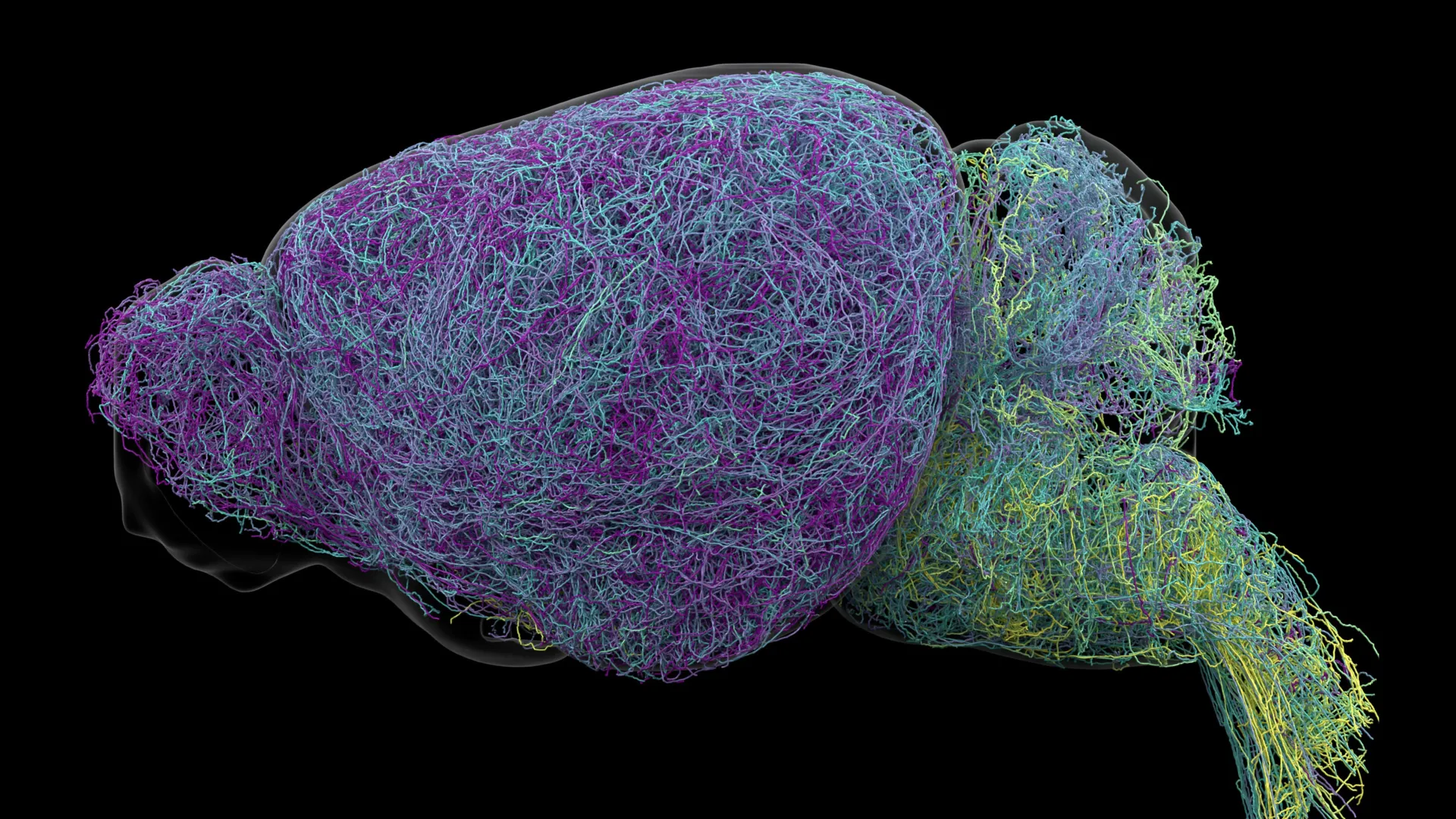
The research was conducted with support from the National Institute on Alcohol Abuse and Alcoholism (NIAAA), utilizing mice as biological proxies. Mice are frequently used in neurological research because their fundamental brain circuits, particularly those involved in reward, stress, and executive function, are remarkably similar to those found in humans.
The experimental design involved exposing young adult mice to both chronic stress and alcohol, then allowing for a significant period of abstinence—mimicking a human who drinks heavily in their 20s and then stops for several decades. When these mice reached middle age, the researchers re-introduced stress to observe their behavioral and neurological responses.
The data revealed a stark contrast between groups. Mice that had been exposed to the combination of alcohol and stress in their youth were significantly more likely to return to alcohol consumption when stressed in middle age compared to those that had experienced only one of the two factors. This suggests that the "stress-drinking" combination leaves a unique and lasting imprint on the brain that single-factor exposure does not.
Cognitive Flexibility and the Aging Brain
One of the study’s most significant findings pertains to the specific type of cognitive impairment observed in middle-aged subjects. Interestingly, the researchers found that general learning ability—the capacity to acquire new information—remained largely intact across all groups. However, there was a profound deficit in "cognitive flexibility."
Cognitive flexibility is the brain’s ability to adapt its behavior when rules or environments change. In a practical sense, this involves the ability to "unlearn" a previously successful strategy when it is no longer effective and to switch to a more appropriate response.
"Middle age is when problems start to add up," Dr. Vazey explained. The study demonstrated that the alcohol-stress combination creates a specific difficulty in adapting to changing situations. This inability to pivot or adjust is a hallmark of the early stages of dementia. By observing these deficits in middle-aged mice with a history of early-life drinking, the researchers have established a clear link between youthful substance use and the acceleration of age-related cognitive decline.
The Role of the Locus Coeruleus: The Brain’s Alarm System
To identify the physical location of this damage, the UMass team focused on the locus coeruleus (LC), a small but vital region in the brainstem. The LC serves as the primary source of norepinephrine, a neurotransmitter that regulates arousal, attention, and the stress response. In a healthy brain, the LC activates during a crisis to facilitate rapid decision-making and then deactivates once the threat has subsided.
In the subjects exposed to the stress-alcohol combination, the researchers discovered that the LC had lost its "off switch." Specifically, the region was missing the molecular machinery required to return to a baseline state after activation. Consequently, the LC remained in a state of chronic disruption, hindering its ability to guide effective, flexible decision-making.
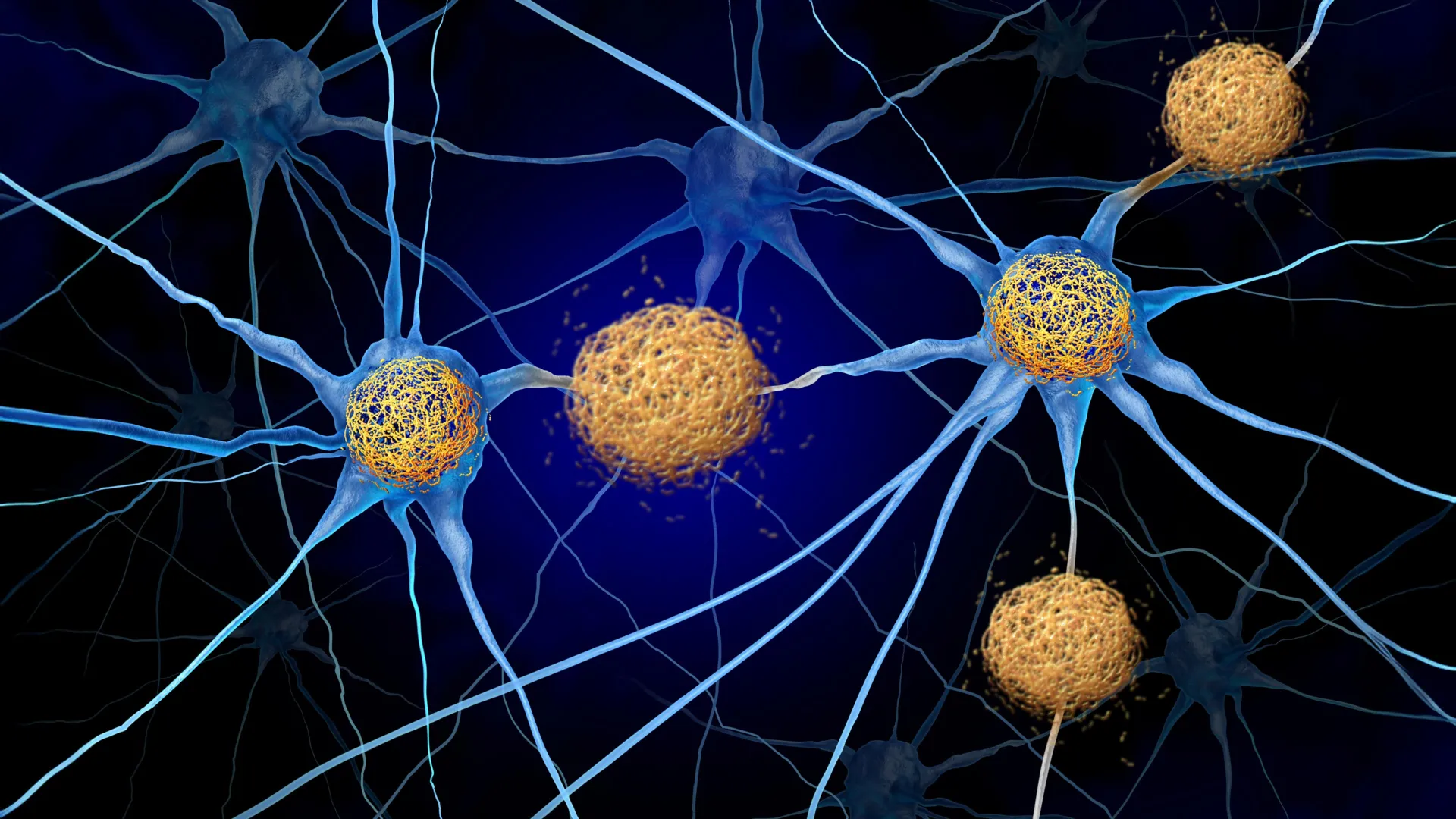
Furthermore, the team identified high levels of oxidative stress within the LC. Oxidative stress occurs when there is an imbalance between free radicals and antioxidants in the body, leading to cellular and DNA damage. This type of damage is a well-documented precursor to Alzheimer’s disease. Even after a lifetime of abstinence, the middle-aged brains of the formerly heavy-drinking mice showed no signs of self-repair in this region.
Broader Implications for Public Health and Treatment
The implications of this study are far-reaching, particularly for public health policy and addiction treatment. According to data from the NIAAA, nearly 25% of adults aged 18 to 24 engage in binge drinking, often citing academic or social stress as a primary motivator. If the UMass Amherst findings translate directly to human populations, it suggests that a significant portion of the current workforce may be carrying "silent" neurological damage that will not manifest until they reach their 40s or 50s.
The research also shifts the conversation regarding relapse. Traditionally, returning to alcohol after years of sobriety has been viewed through a behavioral lens, often attributed to a lack of coping skills or personal resolve. However, Dr. Vazey’s findings suggest that the brain’s wiring itself is physically altered.
"The brain’s wiring system is damaged, which means quitting drinking or making better decisions isn’t a matter of willpower," Dr. Vazey stated. If the LC is physically incapable of regulating the stress response due to oxidative damage and molecular loss, the individual is biologically predisposed to seek external relief—such as alcohol—when life becomes difficult.
Expert Analysis: A Shift Toward Biological Interventions
Medical professionals and neurologists not involved in the study have noted that these findings align with emerging theories on "neuro-reserve." This concept suggests that individuals have a certain amount of neurological resilience that buffers against aging; however, early-life insults like heavy alcohol use and chronic stress "spend" this reserve prematurely.
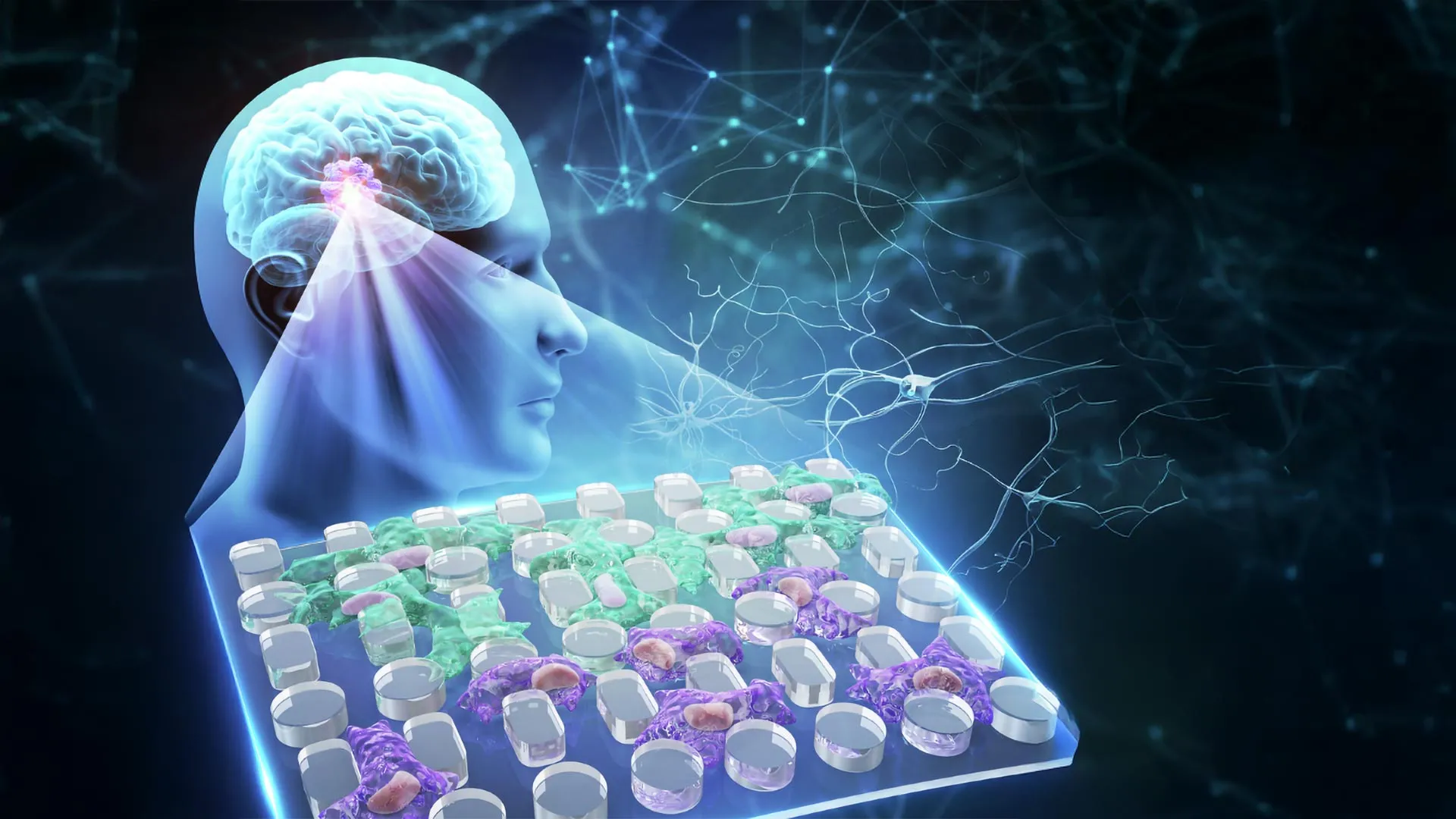
The discovery of oxidative stress in the LC provides a potential target for future pharmacological treatments. If researchers can develop therapies that protect the LC or repair oxidative damage, it may be possible to restore cognitive flexibility and reduce the risk of late-onset relapse and dementia in former drinkers.
Moreover, this study emphasizes the importance of early intervention. Public health campaigns that focus on the "short-term" dangers of college drinking (such as accidents or alcohol poisoning) may need to expand their messaging to include the long-term, permanent risks to brain health and cognitive longevity.
Chronology of Brain Aging and Alcohol Impact
Based on the study’s findings, a timeline of neurological impact can be constructed:
- Early Adulthood (Ages 18–25): High-stress environments (academic, professional, social) combined with heavy alcohol use lead to the initial disruption of the locus coeruleus. Molecular "off switches" begin to degrade.
- The "Silent" Period (Ages 26–45): Even if the individual achieves sobriety, the oxidative damage persists at a cellular level. The brain compensates for these deficits during youth, masking the underlying damage.
- Middle Age (Ages 45–60): As natural age-related decline begins, the "spent" neurological reserve becomes apparent. Cognitive flexibility decreases, and the LC’s inability to regulate stress leads to a higher risk of relapse or the onset of early dementia symptoms.
- Late Adulthood (Age 65+): The cumulative oxidative damage in the LC serves as a foundation for neurodegenerative diseases, potentially accelerating the progression of Alzheimer’s.
Conclusion and Future Directions
The University of Massachusetts Amherst study serves as a sobering reminder of the long-term biological costs of youthful coping mechanisms. By identifying the locus coeruleus as a primary site of damage and oxidative stress as the mechanism, the research team has provided a roadmap for future clinical trials.
The next phase of research will likely involve investigating whether antioxidant treatments or specific norepinephrine-regulating medications can mitigate the damage found in the LC. Until then, the study reinforces a vital medical truth: the brain is a historical record of our past behaviors, and the decisions made in youth can echo through the decades, fundamentally altering the trajectory of cognitive aging.
As society continues to grapple with rising rates of both stress and substance use, understanding the permanent structural changes in the brain will be essential for developing the next generation of holistic, biologically-informed addiction and geriatric care.