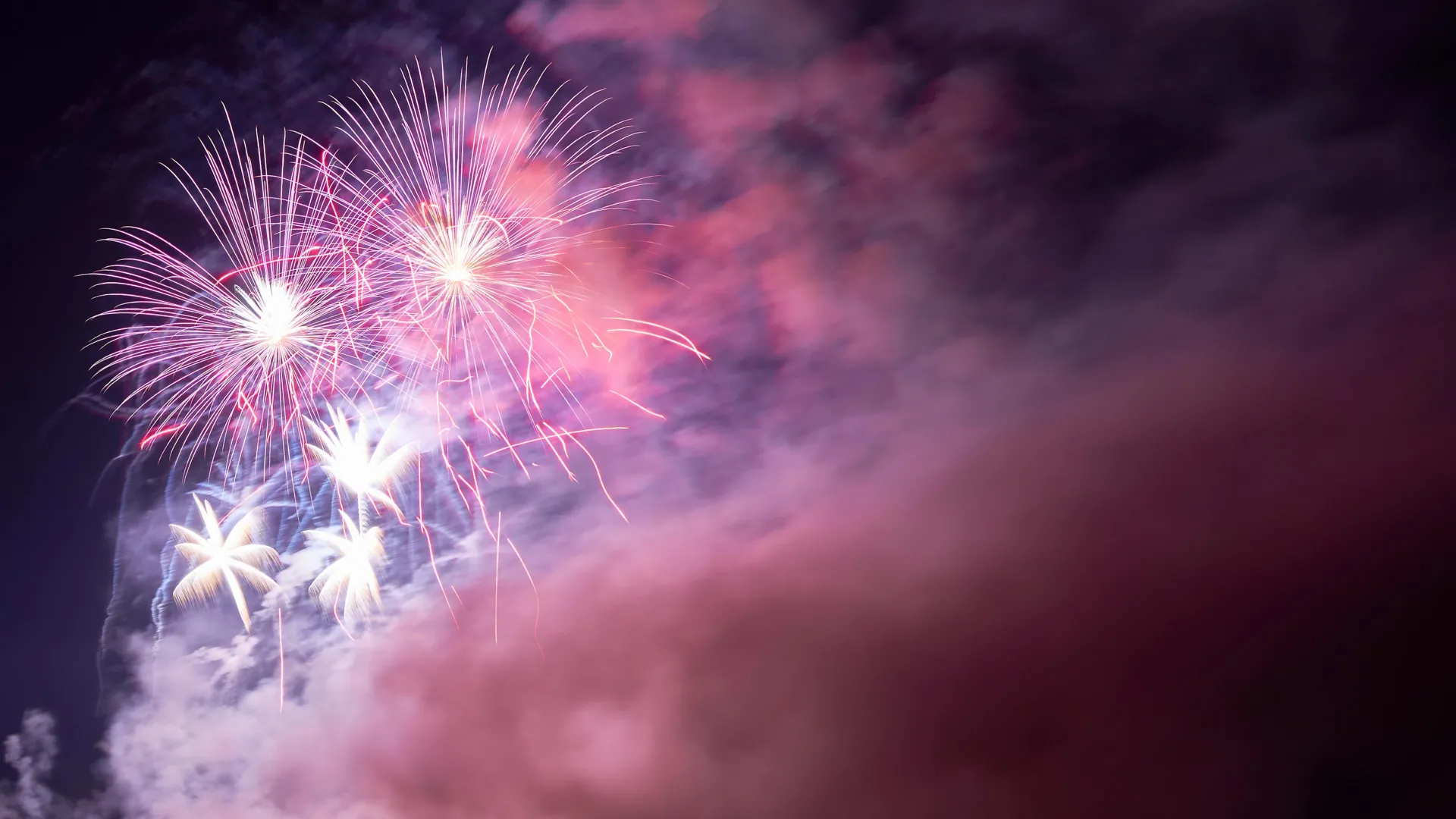
While the visual spectacle of fireworks remains a cornerstone of global cultural and religious festivities, a growing body of scientific evidence suggests that the environmental and public health costs of these displays extend far beyond the final explosion. Three comprehensive studies recently published across various American Chemical Society (ACS) journals have shed new light on the persistent chemical "fingerprint" left by fireworks, revealing their complex interactions with water chemistry, air quality, and atmospheric composition. These findings suggest that the debris and invisible gases released during celebrations pose a more significant threat to ecosystems and human health than previously understood, prompting calls for stricter waste management and a reevaluation of air quality standards during major public events.
The Environmental Impact of Firecracker Debris on Aquatic Ecosystems
One of the most overlooked aspects of firework displays is the physical debris left behind. Once the light show concludes, the immediate vicinity of the launch site is often littered with "spent" firecrackers—charred remains consisting of partially burned gunpowder, cardboard packaging, plastic components, and a cocktail of metal salts used to produce vibrant colors. A laboratory study published in Environmental Science & Technology has provided the first detailed look at how this solid waste interacts with freshwater environments, such as the lakes and rivers that frequently serve as backdrops for firework displays.
The research team simulated the introduction of firecracker debris into local water sources to observe the resulting chemical shifts. The findings were twofold. First, the debris acted as a source of significant contamination, leaching metal ions including potassium and manganese into the water. Potassium is a common component of black powder, while manganese is often used as a coloring agent or catalyst. In high concentrations, these metals can disrupt the osmotic balance of aquatic organisms. Furthermore, the debris released dissolved organic matter, specifically simple phenols and sulfur-containing compounds. Phenols are known to be toxic to many forms of aquatic life and can interfere with the metabolic processes of beneficial microbial communities that naturally purify water.
Conversely, the study found that the solid, charred material of the firecrackers acted as a "sink" or absorbent for other substances. The researchers observed that the leftover material began to absorb larger, more complex organic compounds already present in the water. While this might initially sound like a cleaning mechanism, scientists warn that this "sorption" process can fundamentally alter the baseline chemistry of the water body. By removing certain nutrients or complex molecules while simultaneously dumping toxic ions and phenols, firework debris creates a volatile environment for fish, amphibians, and the microorganisms that form the base of the aquatic food web. The researchers emphasized that the cumulative effect of repeated festivals—where tons of debris may be washed into the same river system year after year—could lead to long-term ecological degradation unless rigorous cleanup protocols are implemented immediately following the events.
Quantifying the Atmospheric Burden During Large-Scale Public Events
While the aquatic impact is localized to the launch site, the atmospheric impact of fireworks is far more widespread. A study published in ACS ES&T Air focused on the air quality fluctuations during a major multi-day athletic event in the United Kingdom. Public celebrations of this magnitude involve a variety of pollution sources, including increased vehicle traffic, food vending, and the fireworks themselves. To isolate the specific contribution of pyrotechnics, researchers utilized high-resolution monitoring equipment to track both coarse and fine particulate matter (PM10 and PM2.5) throughout the duration of the event.
The data revealed a complex interplay of pollution sources. Throughout the daytime hours, the majority of the airborne particulate matter was attributed to two primary sources: cooking emissions from hundreds of food stalls and "re-suspended dust" kicked up by the massive influx of vehicles and pedestrian traffic. However, during the opening and closing ceremonies, the air quality profile shifted dramatically. Researchers identified two distinct "spikes" in fine particulate matter. The first spike occurred as spectators arrived en masse, largely due to mechanical dust and vehicle exhaust. The second, slightly smaller but chemically distinct spike coincided precisely with the fireworks displays.
The implications for public health are stark. The researchers estimated that attendees who were present for the entirety of the multi-day event were exposed to average air pollution levels that significantly exceeded the World Health Organization (WHO) safety guidelines. Fine particulate matter (PM2.5) is particularly dangerous because it is small enough to penetrate deep into the lungs and enter the bloodstream, potentially triggering respiratory distress, cardiovascular issues, and long-term inflammatory responses. This study highlights a critical challenge for urban planners: even if vehicle traffic is managed, the concentrated use of fireworks at "mega-events" can push air quality into hazardous territory for thousands of people simultaneously.
The Hidden Chemistry of Fireworks: Amines and Haze Formation
The third study, published in Environmental Science & Technology Letters, moved beyond particulate matter to examine the gaseous and chemical transformations that occur in the wake of fireworks. Focusing on Lunar New Year celebrations in a suburban area of China, researchers investigated a class of chemicals known as amines. Amines are organic compounds derived from ammonia that are frequently used in the manufacturing of fireworks as stabilizers or to enhance the brilliance of certain colors.
The researchers discovered that during the peak of the Lunar New Year celebrations, the concentration of several types of amines in both gas and particle phases skyrocketed compared to non-celebratory periods. The highest concentrations were recorded during the largest, most intense firework displays. This is a significant finding because amines are highly reactive in the atmosphere. They can interact with other pollutants, such as sulfur dioxide and nitrogen oxides, to form secondary organic aerosols. These aerosols are a primary driver of the persistent haze that often hangs over cities long after the smoke from the fireworks has cleared.
In addition to amines, the scientists recorded elevated levels of sulfate and potassium ions, which are classic markers of pyrotechnic activity. The presence of these chemicals suggests that fireworks do not just release visible smoke; they trigger a complex series of atmospheric chemical reactions. These reactions can lower visibility for days and contribute to the formation of "smog" conditions that affect entire regions, not just the immediate vicinity of the celebration. The study concludes that the "haze" associated with fireworks is a chemically active environment that poses a different set of risks than standard industrial pollution, as the specific combination of amines and metal salts may have unique toxicological profiles.
Chronology and Persistence: A Timeline of Pollution
To understand the full impact of fireworks, it is necessary to look at the chronology of a typical display. The timeline of pollution begins hours before the first firework is launched, as crowds gather and transportation emissions rise. Once the display begins, the primary impact is the immediate release of fine particulate matter and heavy metal vapors. Within minutes, the air quality in the immediate area can reach levels dozens of times higher than the WHO’s recommended limits.
The secondary phase occurs in the hours following the event. As the visible smoke dissipates, the gaseous amines begin to react with the atmosphere, forming the secondary aerosols that create lingering haze. Meanwhile, the solid debris begins its journey. If not collected, rain and wind transport the spent casings and unburned fuel into storm drains and local waterways. The tertiary phase can last for weeks or months, as the leached metals and phenols integrate into the sediment of rivers and lakes, where they can be ingested by bottom-feeding organisms and eventually move up the food chain.
The Broader Implications for Public Health and Policy
The combined data from these three studies present a compelling case for a more cautious approach to large-scale pyrotechnic displays. Public health officials and environmental scientists are beginning to suggest that the "tradition" of fireworks may need to evolve to meet modern environmental standards. While the reaction from the fireworks industry has traditionally emphasized the "short-term" nature of the pollution, these studies demonstrate that the chemical legacy of a single night of celebration can be surprisingly long-lived.
Inferred reactions from environmental advocacy groups suggest a push for "green" fireworks, which use nitrogen-rich stabilizers that produce less smoke and omit certain heavy metals like perchlorates. However, even these alternatives do not solve the problem of physical debris or the release of organic compounds like amines. Consequently, many cities are beginning to explore drone light shows or laser displays as carbon-neutral and debris-free alternatives.
Analysis of the Data: Moving Toward Mitigation
From a factual analysis standpoint, the data indicates that the primary risk factor is the "concentration" of events. A single small firework display may have a negligible impact on a large water body or the global atmosphere. However, the modern trend of massive, televised displays—often involving tons of explosives in a single hour—creates a concentrated "pollution event" that overwhelms local natural filtration and dispersion systems.
To mitigate these effects, the research suggests several immediate actions:
- Immediate Post-Event Cleanup: Municipalities must treat firework debris as hazardous waste, ensuring that launch sites are cleared of all solid material before it can be washed into water systems.
- Real-Time Air Quality Monitoring: Cities hosting large events should provide real-time air quality data to the public, allowing vulnerable populations (such as those with asthma or heart conditions) to take necessary precautions or avoid the area during peak spikes.
- Regulatory Reform: Environmental agencies may need to set specific "event-based" emission limits that take into account the cumulative impact of fireworks, cooking, and transport.
The ACS studies serve as a critical reminder that there is no such thing as a "clean" explosion. As our understanding of atmospheric and aquatic chemistry deepens, the true cost of our celebrations becomes clearer. While the brilliance of fireworks may be fleeting, the chemical footprint they leave in our air and water remains a lasting challenge for environmental science and public policy. Ensuring that future celebrations do not come at the expense of ecological health will require a combination of technological innovation, stricter regulation, and a cultural shift in how we choose to mark our most significant milestones.