A novel viral ORFeome proteomics platform has been unveiled, marking a monumental leap in virology by enabling the expansive analysis of proteins produced by hundreds of human-pathogenic viruses. This innovative tool promises to significantly advance disease research, accelerate drug and vaccine development, and bolster global pandemic preparedness efforts. Developed by a team at Harvard Medical School (HMS) and Brigham and Women’s Hospital, the platform allows for an unprecedented scale of investigation into how viruses hijack human cells, already revealing previously unknown mechanisms by which viral proteins manipulate cellular machinery, including the host’s garbage-disposal systems, and evade immune detection. The findings, published across two seminal papers in Cell on July 2 and Science on July 9, underscore the tool’s potential to transform our understanding of viral pathogenesis.
Understanding the intricate ways viral proteins initiate and sustain infections within the human body is paramount to combating infectious diseases, ranging from endemic conditions like hepatitis B to global health crises such as the COVID-19 pandemic. For decades, virological research has often been characterized by a focused, one-virus-at-a-time approach, largely dictated by technological limitations and the sheer complexity of viral-host interactions. This new platform, described as the largest of its kind, shatters those limitations, enabling the simultaneous study of thousands of viral proteins in a single, high-throughput experiment. Beyond its scale, the viral ORFeome is designed for accessibility, allowing biologists without specialized virology training to integrate it into their research, thereby democratizing sophisticated viral protein analysis.
The Unveiling of a New Frontier in Virology
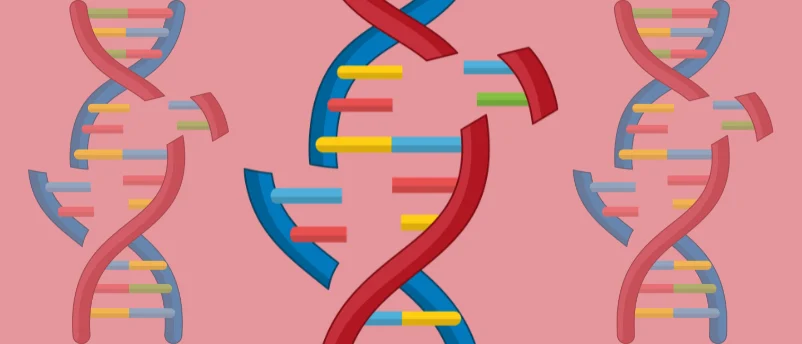
The viral ORFeome, named after Open Reading Frames (ORFs) — the technical term for DNA sequences that encode proteins — represents a paradigm shift from previous viral ORF libraries. While earlier libraries typically focused on individual viruses or specific virus families, containing perhaps 100 or 200 sequences, the new ORFeome is a colossal collection. It comprises approximately 13,000 physical DNA constructs, coding for an astonishing 9,000 proteins derived from 513 distinct viruses. This extensive catalog spans a vast spectrum of human pathogens, from the notorious Ebola and Zika viruses to the less-studied Andes hantavirus and countless others.
Stephen Elledge, the Gregor Mendel Professor of Genetics and of Medicine at Harvard Medical School and Brigham and Women’s Hospital, and a Howard Hughes Medical Institute Investigator, led the creation of this groundbreaking tool. Elledge emphasized the profound implications of this development, stating, "This library reveals how viruses manipulate human cells on a scale that simply wasn’t possible before. We believe it changes virology from studying one virus at a time to discovering the common strategies and surprising innovations that viruses have evolved, providing a powerful new foundation for understanding emerging viral threats." This perspective highlights a crucial shift from reductionist studies to a more holistic, comparative virology, allowing researchers to identify conserved mechanisms and unique evolutionary adaptations across the viral kingdom.
The selection of viruses included in the ORFeome was strategic, focusing on those known to infect humans or closely related animal viruses that pose a significant zoonotic threat, reflecting an proactive approach to potential future pandemics. Crucially, the ORFeome itself is entirely biosafety-compliant. The proteins it contains cannot reassemble into functional viruses, replicate independently, or infect cells. The team adhered to stringent federal guidelines throughout the synthesis of these DNA sequences with a biotech company, ensuring that the research can be conducted safely and broadly. Caleb Glassman, an HMS research fellow in medicine at Brigham and Women’s in the Elledge Lab and co-author of the Cell paper and first author of the Science paper, affirmed, "This is a biosafe way to study viral proteins individually instead of studying a whole virus." This safety profile is critical for its widespread adoption and utility in diverse research settings.
In a parallel development, another research team also reported a new ORF library, dubbed the eORFeome, in the same issue of Cell. This library further broadens the scope by including nearly 4,000 sequences from viruses, bacteria, and parasites, signaling a broader scientific movement towards comprehensive pathogen protein analysis. While distinct, the concurrent publication of these platforms underscores a shared recognition within the scientific community of the urgent need for such high-throughput tools to tackle complex infectious disease challenges.
Deciphering Viral Strategies: Mechanism and Methodology
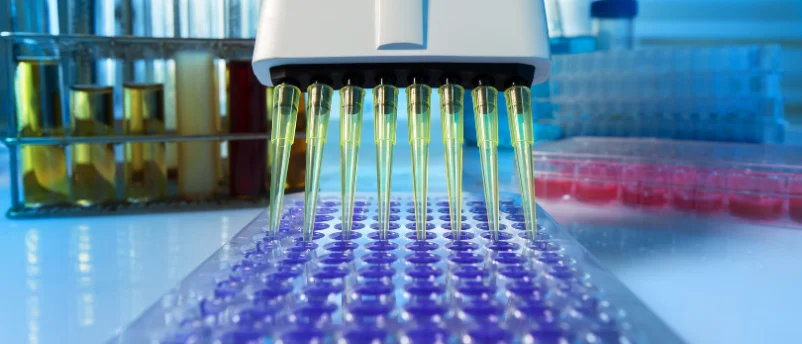
The operational elegance of the viral ORFeome lies in its flexible design and the integration of genetic barcoding. Researchers can select any number of the 13,000 DNA constructs and introduce them into cell cultures. Each cell is then programmed to produce a single, specific viral protein. This setup allows scientists to systematically investigate which viral proteins influence various cellular functions, such as the ability of a cell to camouflage itself from immune surveillance, disrupt host metabolism, or prioritize viral replication.
A core innovation is the attachment of a unique genetic barcode, an ID tag, to each ORF. This barcoding system is pivotal, enabling researchers to conduct comprehensive studies of all 13,000 ORFs simultaneously while meticulously tracking each one. Colin O’Leary, an HMS research fellow in medicine at Brigham and Women’s in the Elledge Lab, co-first author of the Cell paper, and co-author of the Science paper, explained, "We can insert the sequences into a population of cells, ask questions like which ones cause the cells to grow better or less, and then identify those by their barcodes when the experiment is finished. It hasn’t been possible before to do genetic screens like this with viral proteins." This high-throughput screening capability dramatically accelerates the discovery process, moving beyond laborious, one-off experiments.
The insights gleaned from such screenings are invaluable. They can pinpoint specific human or viral proteins, genes, or cellular processes that could be targeted for therapeutic intervention, whether through vaccine development or antiviral drug design. Furthermore, if the ORFeome reveals that multiple viruses employ identical or similar tactics to manipulate host cells, it could pave the way for developing broad-spectrum antiviral therapies, offering protection against a wider array of diseases. This potential for pan-viral therapies is a particularly exciting prospect in the ongoing battle against infectious diseases.
Pivotal Discoveries: Early Insights from the ORFeome

To demonstrate the formidable capabilities of their new tool, the research team immediately put the ORFeome to work, conducting genetic screens across three different cell types. Their investigations focused on identifying viral proteins that influence cell proliferation, impede the presentation of antigens on cell surfaces (a crucial step in triggering an immune response), or block the effects of interferon, a critical signaling molecule that prompts nearby cells to mount antiviral defenses.
The results were astonishing: the team identified over 700 viral proteins contributing to at least one of these actions. Many of these proteins had never been studied before, while others were known but had previously unrecognized functions in these specific cellular processes. O’Leary highlighted another critical finding: some viral proteins exhibited actions that defied prediction based solely on their structures and genetic sequences. This observation underscores the profound value of ORF libraries derived from actual viral proteins, contrasting with the limitations of computationally predicted sequences that might miss subtle yet significant biological activities.
The subsequent Science paper delved deeper, specifically focusing on how viral proteins manipulate the host cell’s ubiquitin proteasome system (UPS), often referred to as the cellular garbage disposal. Viruses exploit the UPS to degrade host-cell proteins that would otherwise hinder their replication or expose them to the immune system. Glassman elaborated on this rapid viral maneuver: "Viruses have to act super quickly to ensure the cell doesn’t realize they’re there. They plug into the ubiquitin proteasome system to degrade certain proteins so they can go about copying themselves and hiding from the immune system."
Glassman and his colleagues meticulously compiled a list of viral proteins that target host genes for removal, documenting the specific parts of the proteasome they interact with and the host-cell proteins they eliminate. Through this detailed mapping, the team uncovered novel strategies employed by viruses. "They’re using the ubiquitin proteasome system in diverse and innovative ways while tending to target early steps in host pathways that sense and block infection," Glassman noted. For instance, they discovered that NSP1, a protein produced by rotavirus (a common cause of intestinal illness), uniquely remixed host genes to create a ubiquitin-modifying complex rarely observed in uninfected host cells. Identifying such virus-specific mechanisms is paramount, as it opens up opportunities to design highly targeted antiviral drugs that selectively inhibit viral activity without disrupting essential host cellular functions, minimizing side effects and maximizing efficacy.
Reactions and Expert Perspectives
The scientific community has reacted with significant enthusiasm to the introduction of the viral ORFeome. The ability to move beyond single-virus studies to a comprehensive, comparative analysis is viewed as a pivotal moment in virology. Dr. Elledge’s vision of discovering "common strategies and surprising innovations that viruses have evolved" resonates deeply with researchers grappling with the rapid evolution of viral pathogens. The accessibility aspect, enabling "biologists who aren’t virologists to use it," as Glassman remarked, is seen as crucial for fostering interdisciplinary research and accelerating discoveries across a broader scientific landscape. The commitment to making the ORFeome freely available to scientists worldwide further solidifies its status as a foundational resource for collaborative research.
Transforming Disease Research and Pandemic Preparedness
The implications of this new platform extend far beyond basic research. The insights gained into viral protein functions and their interactions with host cells are directly translatable into novel strategies for drug and vaccine development. By identifying key viral vulnerabilities and host pathways that viruses exploit, researchers can design more effective and targeted antiviral compounds. The potential to uncover common viral tactics across multiple pathogens could lead to the development of broad-spectrum antivirals, a long-sought goal in infectious disease medicine, offering a more robust defense against a range of current and future threats.
Moreover, the ORFeome stands as a powerful tool for pandemic preparedness. Recent history, marked by the Ebola epidemic in West Africa, the Zika outbreak in South and Central America, and the devastating COVID-19 pandemic, has starkly demonstrated the urgent need for rapid and comprehensive tools to understand emerging pathogens. The modular nature of the ORFeome means that proteins from newly identified or emerging viruses can be quickly added to the library, allowing for swift characterization of their functions and potential targets for intervention. This adaptability is critical in a world where novel viruses frequently jump from animal hosts to humans. O’Leary, whose PhD studies were motivated by these very outbreaks, emphasized the critical importance of understanding viruses, stating, "It convinced me that viruses are very important to study and understand."
The Road Ahead: Future Applications and Adaptability
The viral ORFeome represents not merely a static library but a dynamic, expandable resource. As new viruses emerge and new proteins are identified, they can be seamlessly integrated into the platform, ensuring its continued relevance in the ever-evolving landscape of viral threats. The team anticipates that the ORFeome will power a multitude of future discoveries, from elucidating the precise molecular mechanisms of viral disease to identifying novel biomarkers for infection and developing next-generation diagnostics.
The unified resource, compatible with common laboratory workflows, is poised to become an indispensable tool for the global scientific community. It embodies a proactive approach to virology, shifting the focus from reactive responses to known threats to a comprehensive understanding that anticipates and prepares for emerging pathogens. By providing an unparalleled view into the viral world, the ORFeome platform is set to accelerate the pace of discovery, ultimately enhancing humanity’s ability to prevent, treat, and control viral diseases on a global scale.