The world of pet reptiles has unveiled a surprising ally in the fight against cancer. A vibrant, naturally occurring mutation in leopard geckos, known as the "lemon frost" morph, has revealed an extraordinary predisposition to developing aggressive tumors. This vulnerability, once a concern for breeders and owners, is now being recognized by the scientific community as a potentially invaluable tool for unraveling the complex mechanisms of tumor formation and metastasis. Researchers believe that by studying the genetic underpinnings of these geckos’ susceptibility, they can gain unprecedented insights into why some species are remarkably resilient to cancer while others, like humans, face a significant burden from the disease.
The "Lemon Frost" Phenomenon: A Natural Laboratory for Cancer
The research, spearheaded by the University of Nottingham and published in the esteemed journal BMC Biology, has identified a series of genetic alterations associated with tumor development in this distinctive leopard gecko variant. What makes this discovery particularly compelling is the overlap between these reptilian genetic changes and the biological pathways known to be implicated in human cancers. This suggests that the lemon frost gecko could serve as a powerful, naturally occurring animal model, bypassing the need for artificial induction of cancer often required in traditional laboratory settings.
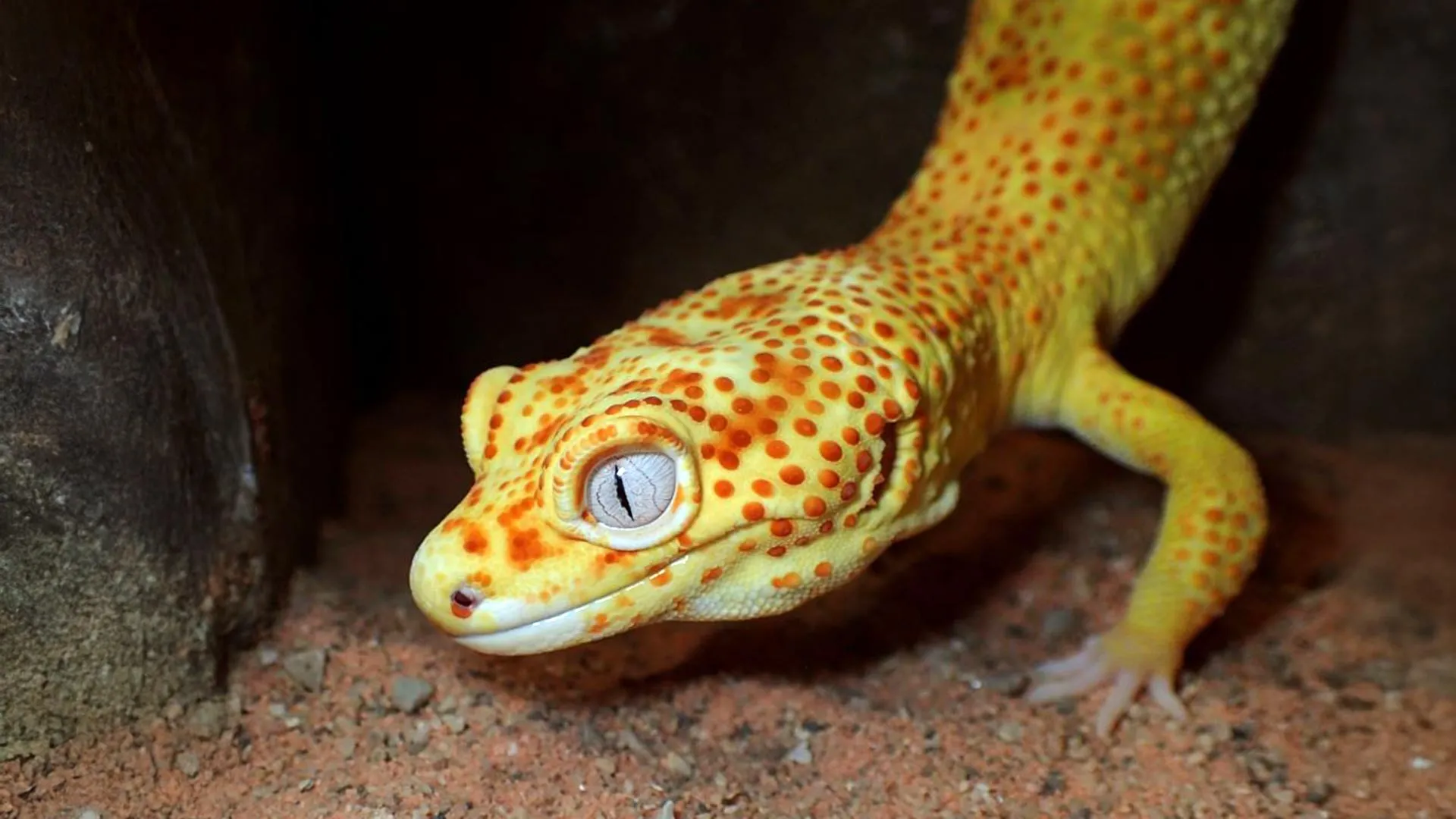
The spectrum of cancer prevalence across the reptilian class is vast and intriguing. While species like turtles and tortoises exhibit an exceptionally low incidence of the disease, the lemon frost leopard gecko stands in stark contrast. This striking morph, characterized by its vivid white and yellow coloration, develops aggressive tumors in an estimated 80% of individuals. This exceptionally high rate, coupled with the natural onset of the disease at a relatively early age and its propensity to metastasize, presents a unique opportunity for scientific inquiry.
Genesis of the Study: A Breeder’s Observation Sparks Scientific Inquiry
The genesis of this groundbreaking research can be traced back to observations within the exotic pet trade. The lemon frost morph emerged from a spontaneous genetic mutation that arose during selective breeding within a large population of leopard geckos. Its dazzling appearance quickly made it a sought-after commodity. However, alongside its aesthetic appeal, breeders began to notice a disturbing trend: a high incidence of aggressive tumors, which frequently spread throughout the geckos’ bodies.
This naturally occurring phenomenon caught the attention of Dr. Ylenia Chiari from the School of Life Sciences at the University of Nottingham, who led the international research team. Dr. Chiari expressed optimism about the gecko’s potential, stating, "By studying why some animals are so susceptible to cancer while others are remarkably resistant, we hope to uncover the different ways species have evolved to deal with cancer. Specifically, this gecko could become an incredible model in cancer research because tumors appear naturally at a relatively early age. Together, these natural strategies could inspire new ways of preventing, detecting, and treating cancer in humans."
A Collaborative Effort: Unraveling the Genetic Blueprint
The international research team that collaborated on this pivotal study comprised a diverse group of experts. Beyond Dr. Chiari, key contributors included PhD researcher Brandon Hastings (University of Nottingham), Dr. Scott Glaberman (University of Birmingham), Dr. Tony Gamble (Marquette University), Dr. Robert Ossiboff (University of Florida), and Virginia Gazziero and Dr. Giulio Caravagna (University of Trieste). This multidisciplinary approach was crucial in piecing together the complex genetic puzzle.
The Power of DNA Sequencing: Identifying Shared Oncogenic Pathways
To gain a deeper understanding of the disease mechanism, the researchers employed whole genome sequencing. This advanced technique allowed them to meticulously compare DNA from tumor samples with that of healthy tissue from the same geckos. The analysis revealed a recurring pattern of genetic alterations consistently present across the tumors.
A significant finding of the study was the identification of altered genes and biological processes that have already been implicated in human cancers, as well as in other animal species. This remarkable convergence suggests that the insights gleaned from studying lemon frost geckos could have far-reaching implications for human oncology, extending beyond the realm of reptile biology.
Chronology of Discovery: From Observation to Genomic Analysis
While a precise timeline of the lemon frost morph’s emergence and subsequent scientific investigation is not detailed in the original report, the scientific process typically follows a trajectory:
- Mid-to-Late 20th Century (Estimated): Selective breeding of leopard geckos for desirable traits likely leads to the spontaneous emergence of the "lemon frost" mutation.
- Late 20th Century – Early 21st Century: Breeders and hobbyists observe a high incidence of tumors in the lemon frost morph, documenting the pattern and potential severity of the disease.
- Early 2010s (Estimated): Initial scientific curiosity is sparked by the unusual cancer prevalence in this specific gecko morph, leading to preliminary investigations into its biological basis.
- Mid-2010s – Late 2010s: The University of Nottingham, in collaboration with an international team, initiates a comprehensive research project focusing on the genetic underpinnings of the lemon frost gecko’s cancer susceptibility. This likely involves extensive sample collection, ethical animal care protocols, and the application of advanced genomic technologies.
- Late 2010s – Early 2020s: Whole genome sequencing and subsequent data analysis are conducted, leading to the identification of key genetic changes and biological pathways associated with tumor formation.
- Present Day: The findings are published in BMC Biology, making the lemon frost gecko a recognized and promising new model for cancer research.
Expanding the Frontiers of Medical Research: Beyond Traditional Models
The findings of this study underscore the critical importance of broadening the scope of animal models utilized in medical research. While laboratory mice have long been the cornerstone of cancer research, often requiring artificial induction of tumors, species that naturally develop cancer at high rates, such as the lemon frost gecko, offer a complementary and potentially more insightful approach. These natural models provide a unique opportunity to observe the intricate processes of cancer initiation, progression, and metastasis under authentic biological conditions.
Brandon Hastings, a co-author of the study, emphasized this broader perspective: "Overall, our paper demonstrates the importance of looking across the tree of life in search of answers that are needed to better understand diseases that can have a profound impact on human life, such as cancer. Methodologically, it also highlights that the variety of genomic software programs developed to analyze human cancers can be adapted to provide meaningful insights in diverse organisms." This statement not only champions the study of diverse species but also points to the adaptability of cutting-edge analytical tools.
Biodiversity as a Wellspring of Medical Innovation
The implications of this research extend beyond the specific study of cancer. Dr. Scott Glaberman of the University of Birmingham highlighted the overarching value of biodiversity in scientific discovery. "We often look inward to solve human problems, but every species has something to teach us," he remarked. "By studying both animals that are vulnerable to cancer and those that resist it, we have far greater power to understand the disease itself. This is one of the many reasons why protecting biodiversity is so important."
This sentiment resonates deeply within the scientific community and conservation efforts. It suggests that the vast tapestry of life on Earth holds untapped potential for unlocking solutions to some of humanity’s most pressing health challenges. The continued exploration of diverse species, from the microscopic to the macroscopic, is not merely an academic pursuit but a vital strategy for advancing medical knowledge and improving human well-being.
Broader Impact and Future Directions
The identification of shared genetic pathways between lemon frost geckos and human cancers opens up several promising avenues for future research. Scientists can now focus on:
- Identifying Novel Drug Targets: Understanding the specific genes and pathways that are dysregulated in lemon frost geckos could reveal new molecular targets for anti-cancer therapies. These targets, proven effective in a natural model, may translate to novel treatments for human cancers.
- Investigating Metastasis: The propensity of lemon frost gecko tumors to metastasize makes them an ideal model for studying the complex processes by which cancer cells spread throughout the body. This could lead to the development of better strategies for preventing and treating metastatic disease, a major cause of cancer mortality.
- Exploring Evolutionary Cancer Resistance: By comparing the genetic makeup of lemon frost geckos with cancer-resistant reptiles, researchers can gain insights into the evolutionary mechanisms that confer natural protection against cancer. This could inform strategies for enhancing the human immune system’s ability to detect and eliminate cancer cells.
- Developing Non-Invasive Diagnostic Tools: The natural development of tumors in these geckos might allow for the study of early cancer biomarkers and the development of less invasive diagnostic techniques, which could then be applied to human screening.
- Advancing Comparative Genomics: The successful adaptation of human cancer genomic software to analyze gecko genomes demonstrates the power of comparative genomics. This approach can be applied to other species, accelerating our understanding of diseases across the tree of life.
The story of the lemon frost gecko serves as a powerful reminder that answers to our most complex questions may lie in unexpected places. By embracing the diversity of life and fostering interdisciplinary collaboration, scientists are poised to make significant strides in the ongoing battle against cancer, offering a beacon of hope for millions worldwide. The vibrant hues of this small reptile are now illuminating a path towards a deeper understanding of one of humanity’s most formidable foes.