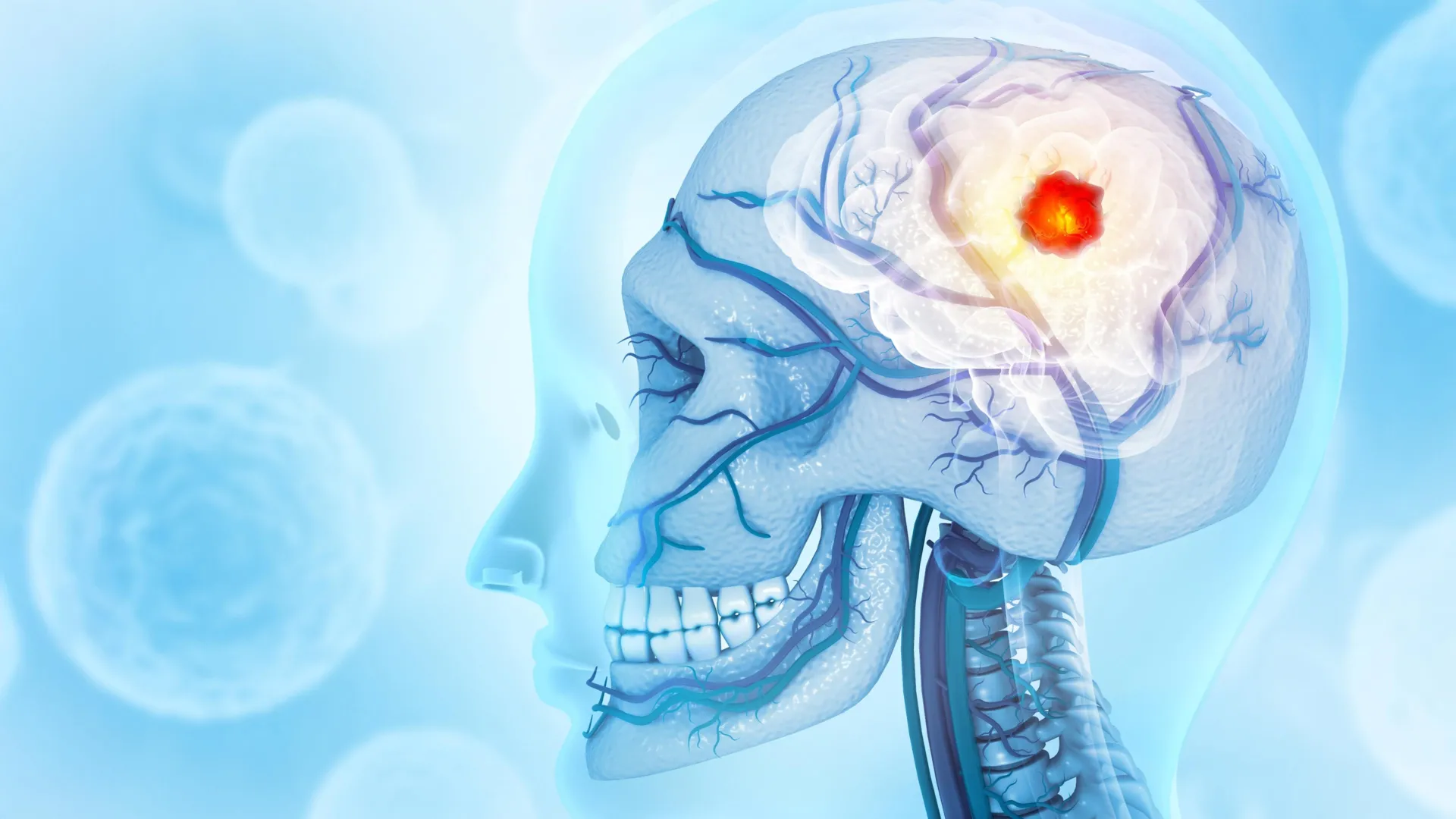
The landscape of hematological oncology is facing a potential paradigm shift following a breakthrough study published in the journal Nature, which outlines a sophisticated strategy for treating acute myelogenous leukemia (AML). This aggressive and often fatal blood cancer has long been a challenge for clinicians, with a median survival time following diagnosis of just 8.5 months. The research, spearheaded by a multi-institutional team including Ludwig Oxford, Harvard Medical School, the University of Pennsylvania, and the University of Helsinki, introduces a combination therapy that addresses the fundamental biological "blockade" preventing cancer cells from maturing into healthy blood cells.
The Pathophysiology of Acute Myelogenous Leukemia
Acute myelogenous leukemia is characterized by its genetic heterogeneity, meaning the disease can manifest through a wide variety of mutations across different patients. However, despite these diverse genetic origins, almost all subtypes of AML share a devastating commonality: the impaired differentiation of myeloid progenitor cells. In a healthy body, the bone marrow produces progenitor cells that eventually differentiate into various types of mature blood cells, including red blood cells, platelets, and several types of white blood cells essential for immune function.
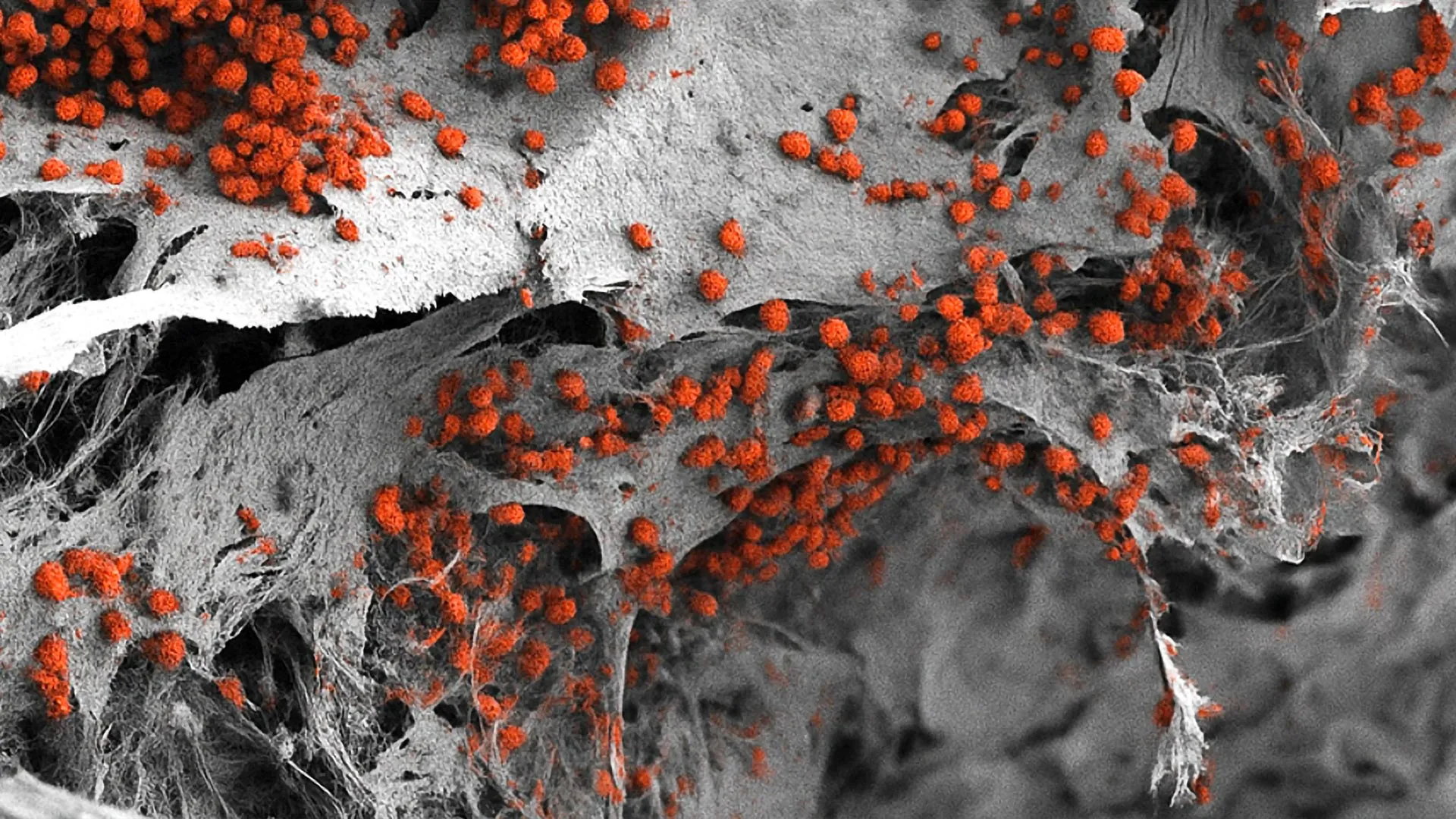
In patients with AML, this process—known as hematopoiesis—is violently interrupted. A "differentiation block" occurs, causing the bone marrow to become crowded with immature, non-functional leukemic blasts. These precursors fail to mature but continue to proliferate rapidly, spilling into the bloodstream and preventing the production of healthy cells. This leads to the classic symptoms of leukemia, such as severe anemia, susceptibility to life-threatening infections, and uncontrolled bleeding. The accumulation of these immature cells is the primary driver of the disease’s lethality.
The Legacy of Differentiation Therapy
The concept of "differentiation therapy"—using pharmacological agents to force cancer cells to resume their maturation process—is not entirely new, but its application has been limited. The gold standard for this approach is found in the treatment of acute promyelocytic leukemia (APL), a specific subtype of AML. Historically, APL was one of the most rapidly fatal forms of the disease. However, the introduction of a dual-drug regimen consisting of all-trans retinoic acid (ATRA) and arsenic trioxide (ATO) revolutionized the field.
This combination works by dismantling the specific fusion proteins that cause the differentiation block in APL, allowing the leukemic cells to mature into normal neutrophils. Today, the ATRA/ATO combination cures approximately 95% of APL cases. However, for the other 90% of AML patients who do not have the APL subtype, this treatment is ineffective. The scientific community has spent decades searching for a similar "differentiation key" for the broader spectrum of AML cases.
The Epigenetic Frontier: LSD1 and the Differentiation Arrest
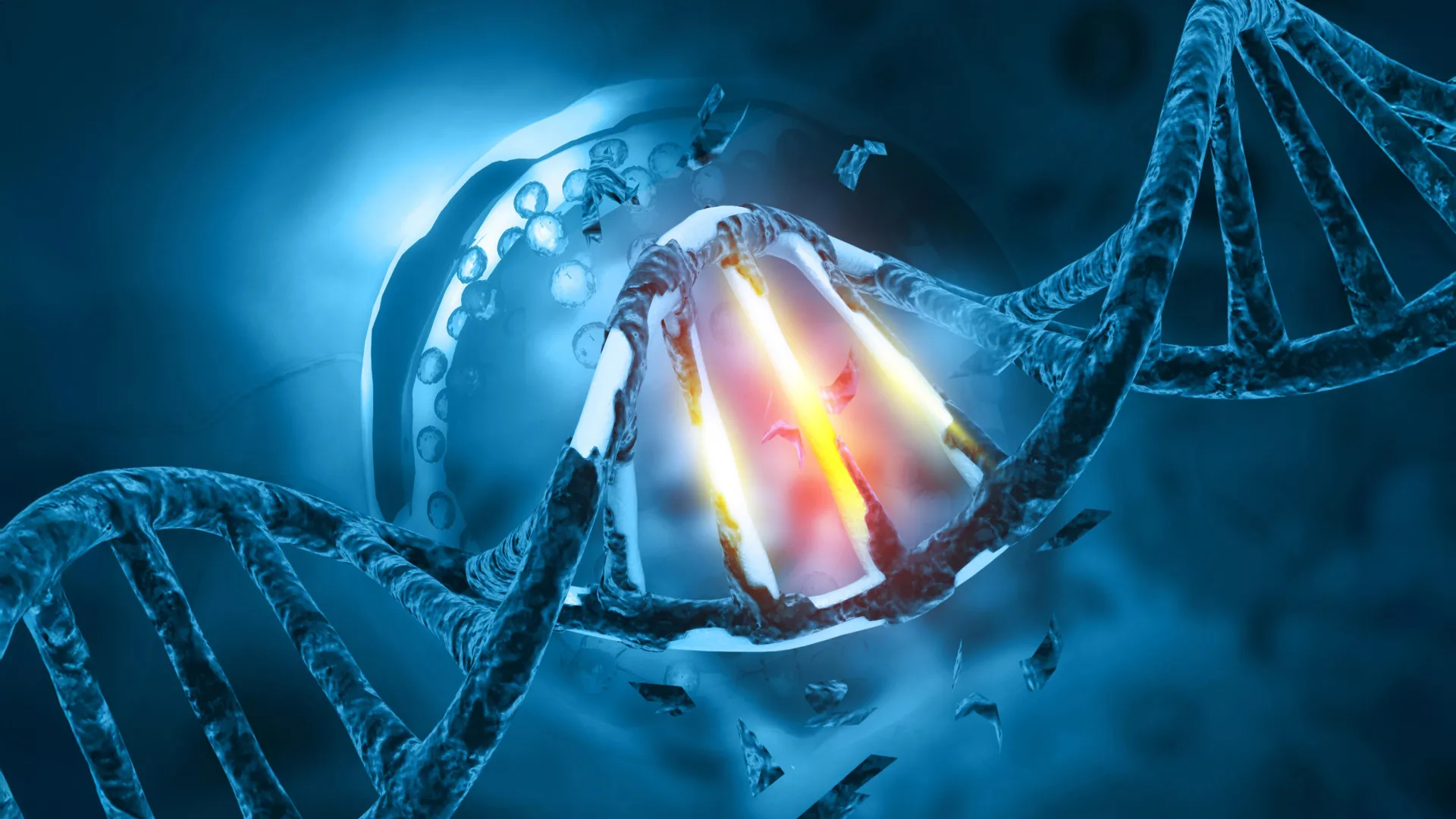
The research team, co-led by Yang Shi and Amir Hosseini of Ludwig Oxford, focused their efforts on the epigenetic mechanisms that govern gene expression. Unlike genetic mutations, which involve changes to the DNA sequence itself, epigenetic changes involve chemical modifications to DNA and its associated histone proteins. These modifications act as "on/off" switches for genes.
One specific enzyme, Lysine-specific demethylase 1 (LSD1), has emerged as a primary suspect in maintaining the leukemic state. Discovered by Yang Shi in 2004, LSD1 is responsible for removing methyl groups from histones, a process that can silence genes necessary for cell differentiation. In AML, LSD1 is often overexpressed, effectively locking the leukemic stem cells in an undifferentiated, highly proliferative state.
While pharmaceutical companies have developed LSD1 inhibitors, their transition to the clinic has been fraught with difficulty. When used as a monotherapy, LSD1 inhibitors often require high doses to be effective, which leads to significant toxicity and adverse side effects in patients. To address this, the research team sought a synergistic partner—a second drug that could work in tandem with LSD1 inhibitors to achieve the desired effect at lower, safer dosages.
Identifying the GSK3 Synergy
Through an extensive screening process using mouse leukemic cells, the researchers tested various molecular combinations to identify which compounds could most effectively enhance the impact of LSD1 inhibition. The search led them to an inhibitor of the GSK3α/β (Glycogen Synthase Kinase 3) enzyme.
GSK3 is a multifunctional kinase involved in various signaling pathways, most notably the WNT signaling pathway, which is frequently dysregulated in cancer. Importantly, GSK3 inhibitors are already being evaluated in clinical trials for other indications and have demonstrated a favorable safety profile in human subjects.
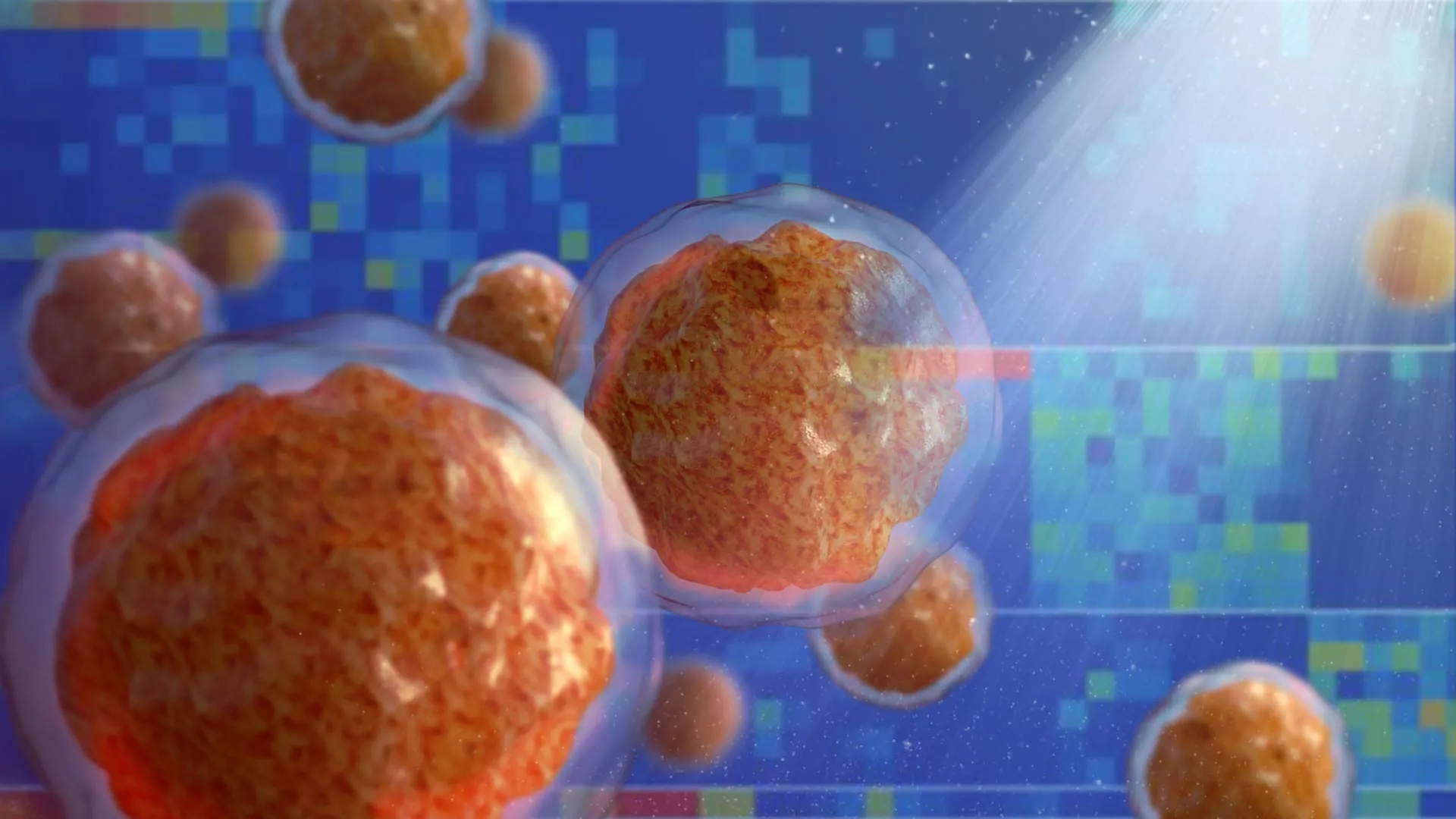
The study found that when a low dose of an LSD1 inhibitor was combined with a GSK3 inhibitor, the results were transformative. In laboratory cultures representing multiple AML subtypes, the combination therapy successfully bypassed the differentiation blockade. The treatment did not merely kill the cells; it reprogrammed them. The drugs activated the specific genes required to drive cell maturation while simultaneously suppressing the genes responsible for the rapid proliferation and self-renewal of cancer stem cells.
Experimental Evidence and Data Analysis
The researchers validated their findings through a series of rigorous preclinical experiments. When tested on mice engrafted with human AML cells, the combination therapy demonstrated several key outcomes:
- Survival Extension: Mice receiving the combination treatment showed a significant increase in survival duration compared to those receiving either drug alone or a placebo.
- Selective Toxicity: One of the most promising aspects of the study was the therapy’s selectivity. The drugs targeted leukemic cells while leaving healthy hematopoietic stem cells—the precursors for normal blood—largely unaffected. This suggests that the treatment could be administered with a much lower risk of the bone marrow suppression that characterizes traditional chemotherapy.
- Gene Expression Correlation: The researchers noted that the gene expression signature induced by the combination therapy in leukemic cells closely matched the signatures found in AML patients who naturally experience longer survival rates. This correlation provides a strong biological rationale for the efficacy of the treatment.
"The drug combination we have identified works by activating genes that drive cell differentiation while suppressing genes that promote cell proliferation and cancer growth," explained Yang Shi. This "dual-action" mechanism effectively re-wires the cell’s internal circuitry, forcing the cancer to lose its malignant properties.
Broader Implications for Oncology
The implications of this study extend beyond the treatment of leukemia. The molecular re-wiring observed by the researchers involves the suppression of stem-cell-like traits that are common across many types of aggressive cancers. Specifically, the role of the WNT signaling pathway in this process suggests that the LSD1/GSK3 combination could potentially be adapted for other malignancies driven by similar overactivation of signaling pathways.
Furthermore, the study highlights the importance of "epigenetic reprogramming" as a pillar of modern oncology. As the industry moves away from broad-spectrum cytotoxic chemotherapies—which kill both healthy and cancerous cells—targeted epigenetic therapies offer a more nuanced approach. By focusing on the "software" of the cell (gene expression) rather than the "hardware" (the DNA sequence), scientists can develop treatments that are both more effective and less toxic.
The Path Toward Clinical Application
Perhaps the most encouraging aspect of this research is the speed at which it might reach patients. Both LSD1 and GSK3 inhibitors have already undergone significant development for human use. Because these compounds are currently being evaluated in various clinical trials, the safety data and pharmacological profiles are already well-understood.
"Our findings provide compelling evidence to support the testing of this combination therapy in AML patients," Shi stated. The fact that the inhibitors are already available for human clinical use significantly reduces the timeline for moving from a laboratory discovery to a bedside treatment.
The study was a massive collaborative effort, supported by major international bodies including the National Institutes of Health (NIH), the Research Council of Finland, Cancer Research UK, and the Oxford Biomedical Research Centre. This global backing underscores the scientific community’s recognition of the urgent need for new AML therapies.
As the medical community looks toward the next phase of research, the focus will shift to Phase I and Phase II clinical trials to determine the optimal dosing and efficacy of the LSD1/GSK3 combination in human cohorts. If the results from the Nature study hold true in clinical settings, it could represent the most significant advancement in AML treatment since the development of the "7+3" chemotherapy regimen decades ago, finally offering a glimmer of hope to patients facing a diagnosis that has, for too long, been a near-certain death sentence.