The evolutionary tapestry of life is woven with threads of diversity, evident even within a single species. From the striking plumage variations in finches to the dramatic size and color disparities in mammals across continents, populations separated by geography often exhibit distinct physical characteristics. However, the underlying drivers of these differences remain a profound scientific puzzle. Are they sculpted by the nuances of local environments, dictated by the relentless pressures of natural or sexual selection, or are they the slow, serendipitous drift of gene variants as isolated groups diverge over millennia?
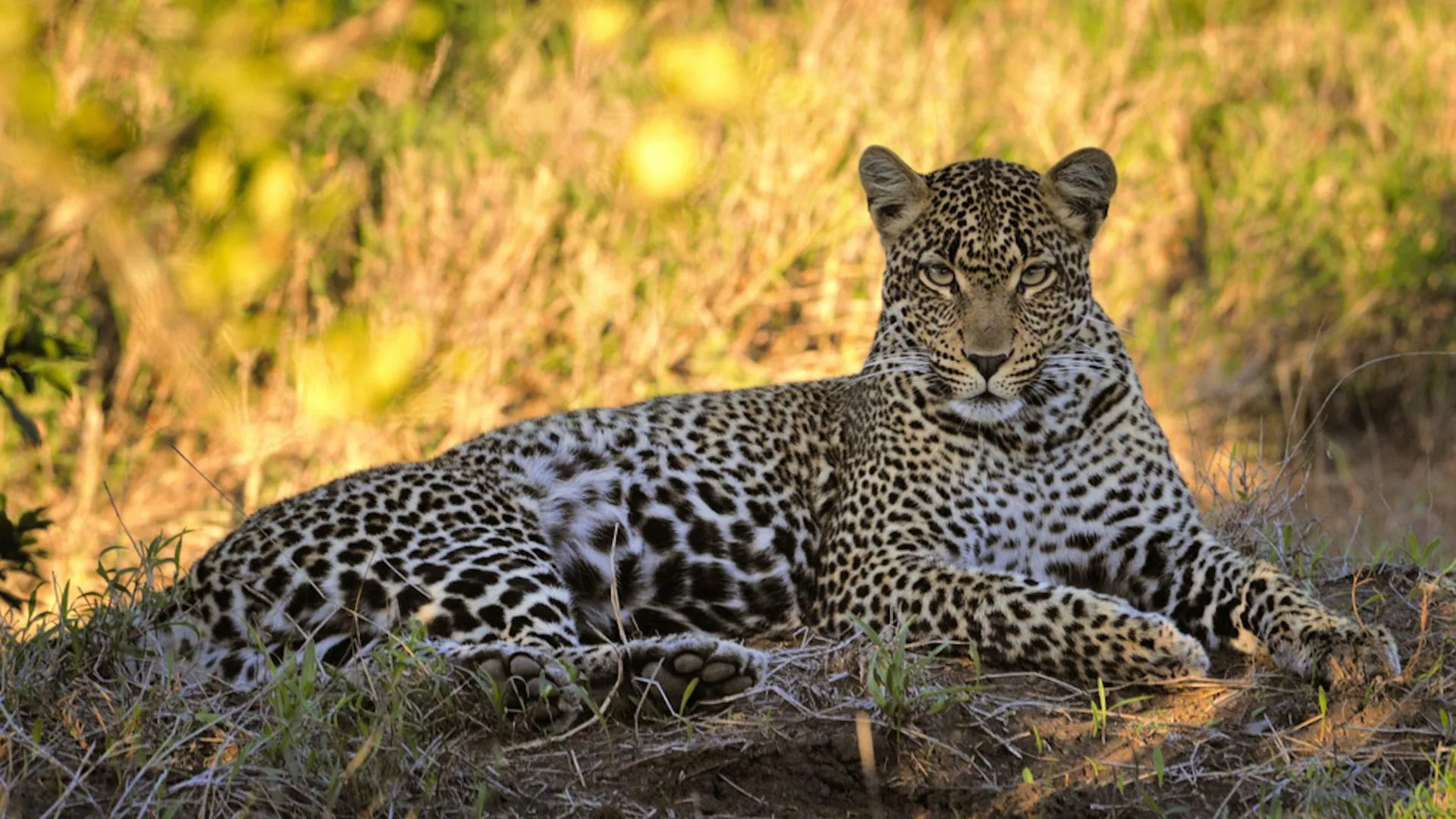
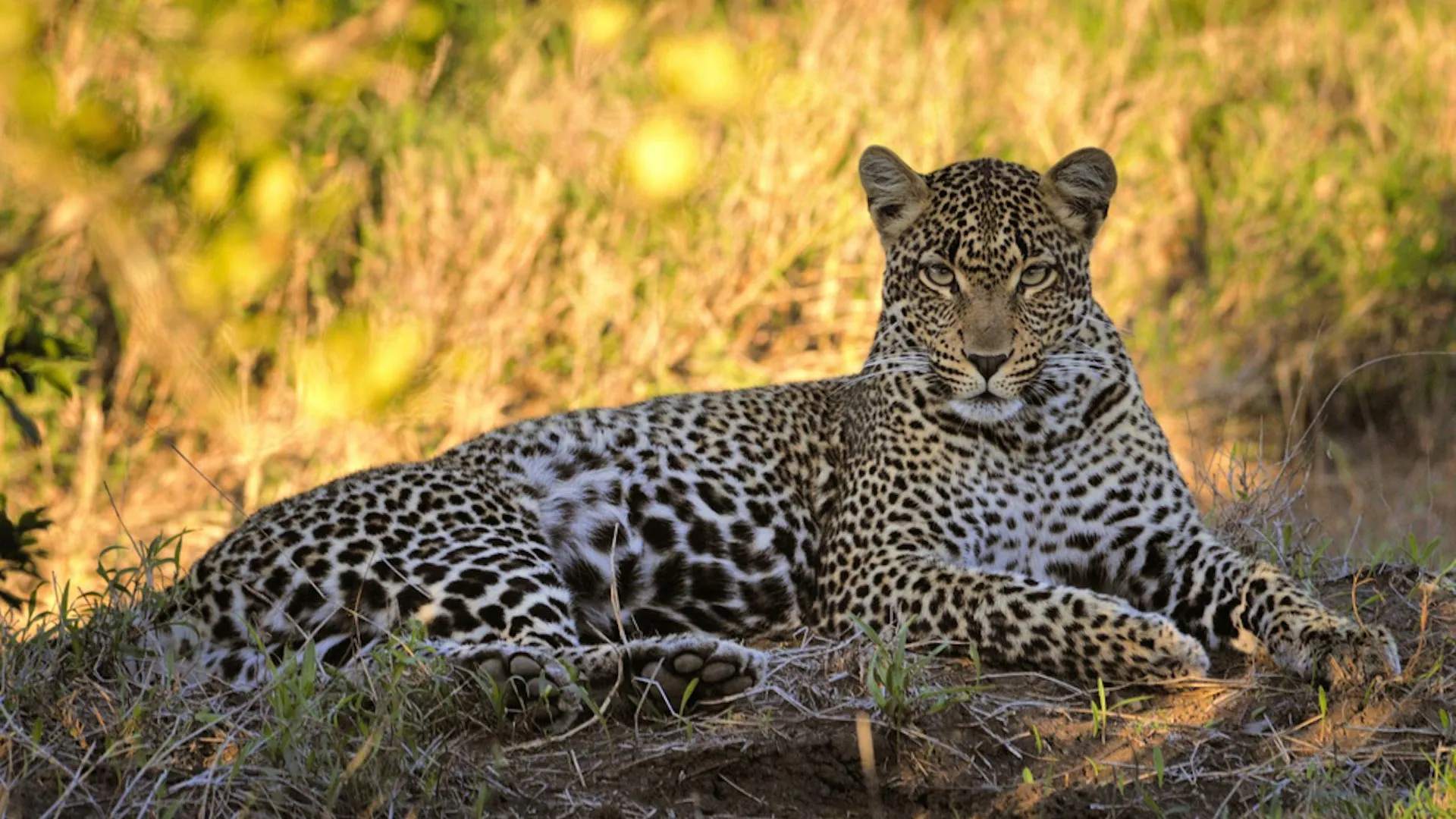
A groundbreaking study focusing on a remarkable population of fewer than 1,000 leopards in South Africa’s Cape Floristic Region, a globally recognized biodiversity hotspot encompassing the Western Cape and extending into parts of the Eastern and Northern Cape, has begun to unravel these complex questions. These leopards are notably smaller than their continental counterparts, with some individuals weighing only half as much as leopards found elsewhere in Africa. For decades, this distinctive trait has fueled debate among conservationists and researchers: are these Cape leopards a genetically separate entity, and what evolutionary forces have shaped their unique identity?
Previous genetic investigations into this elusive population offered only tantalizing glimpses. These studies primarily relied on a limited number of genetic markers – specific locations in the DNA prone to mutation. While effective for identifying broad evolutionary patterns, this approach lacked the resolution needed to capture the finer genetic nuances critical for understanding the intricate processes of population divergence and adaptation.
To bridge this research gap, scientists embraced the power of whole-genome sequencing. This advanced technique involves analyzing the entire DNA blueprint of an organism, rather than focusing on isolated segments. By examining the 2.57 billion base pairs that constitute the leopard genome, comprising approximately 19,000 genes, researchers gained an unprecedented level of detail. Collaborating closely with local leopard experts and seasoned evolutionary biologists, the team meticulously collected muscle or skin tissue samples from these South African leopards. These samples were then compared against the genomes of leopards from diverse regions across Africa.
The findings were unequivocal: leopards of the Cape are genetically distinct from other African leopards. This divergence is attributed to a prolonged period of isolation from continental leopard populations, coupled with a remarkable adaptation to their unique regional environment. This discovery carries significant implications for the future conservation of this iconic predator.
Leopards of the Cape: A Distinctive Lineage Shaped by Isolation and Environment
Leopards (Panthera pardus) stand as one of the world’s most widespread large carnivores, their range extending across Africa and parts of Asia. Currently, eight recognized subspecies inhabit this vast territory, with the African leopard (Panthera pardus pardus) being the most prevalent. The African leopard is characterized by extraordinary variability in coat color, body size, and skull morphology. Generally, leopards inhabiting open savannas tend to be larger and paler, while those dwelling in denser forested areas are often smaller and darker.
The leopards of the Cape Floristic Region present a compelling exception to this established pattern. This region, a UNESCO World Heritage Site renowned for its unparalleled plant diversity, much of which is endemic, hosts leopards that are comparatively small in body mass. Until now, the precise reasons behind their distinctive physical characteristics remained elusive.
The comprehensive research study has revealed that the Cape leopards are not only smaller in stature but have also evolved into a genetically distinct group, clearly separated from their counterparts in southern and eastern Africa. This finding mirrors patterns observed in leopards from Ghana in West Africa, where similar evidence of limited recent genetic exchange with neighboring populations has been noted.
Within the Cape, leopards traverse the rugged terrain of the Cape Fold Belt mountain chain, a natural refuge that facilitates their movement. However, it appears that their dispersal is largely confined by geographical and environmental barriers. To the north and east of this mountain range, the landscape transitions into arid semi-desert, and human activity intensifies significantly across much of the Eastern Cape, presenting formidable obstacles to leopard movement and gene flow.
Tracing the Evolutionary Footprints: The Last Glacial Maximum and Human Impact
Delving into the deep past provided crucial insights into the genetic uniqueness of the Cape leopard population. The study’s analyses suggest that these leopards began to diverge from populations further east approximately 20,000 to 24,000 years ago, a period coinciding with the Last Glacial Maximum – the coldest phase of the last ice age.
This temporal estimation was achieved through the sophisticated analysis of whole-genome DNA, allowing researchers to reconstruct past population splits and quantify gene flow between them. Essentially, the research team "read" the shared evolutionary history of these leopards, etched within their genetic code.
During the Last Glacial Maximum, southern Africa experienced a cooler and drier climate. This environmental shift led to a reduction in grasslands and a diminished prey base, making survival and movement challenging for many species and ultimately contributing to the isolation of leopard populations. In more recent history, leopard numbers plummeted during the 19th and 20th centuries. This decline was likely driven by a confluence of factors, including rampant human hunting, extensive habitat loss, and the implementation of bounty systems that incentivized the killing of leopards. A pivotal moment in their conservation occurred in 1968 when the leopard bounty was abolished, marking the beginning of a gradual recovery for the leopard population, spurred by burgeoning conservation efforts.
Given their prolonged isolation and the historical pressures of human persecution, researchers initially anticipated that the Cape leopard population might exhibit depleted genetic diversity. Low genetic diversity can hinder a population’s ability to adapt to emerging threats such as climate change, novel diseases, and escalating human pressure. However, the study yielded a surprisingly positive outcome: the Cape leopards possess only marginally lower genetic diversity compared to other African leopard populations. This finding offers a hopeful outlook for their resilience.
Genomic Clues Uncover Adaptive Strategies for Survival
Beyond their genetic distinctiveness, the researchers were keen to understand the evolutionary drivers behind the smaller body size of the Cape leopards. Their genomic analysis revealed approximately 90 genes that were more prevalent in this population, with links to body size regulation, muscle development, bone structure, and energy metabolism.
These genetic differences align remarkably well with the prey available in the Cape’s unique environment. The leopards here subsist on a diet of smaller, more dispersed prey compared to those found in other leopard habitats. Their primary food sources include species like the rock hyrax (Procavia capensis), klipspringer (Oreotragus oreotragus), and Cape grysbok (Raphicerus melanotis).
Collectively, these genomic signatures strongly suggest that the smaller stature of the Cape leopards is not merely a consequence of isolation or random genetic drift, but rather a deliberate adaptive response to their specific ecological niche and prey availability. This points to a finely tuned evolutionary trajectory shaped by local conditions.
Conservation Imperatives: Protecting Evolutionarily Significant Units
Populations that exhibit genetic distinctiveness and possess locally adapted traits are often recognized as Evolutionarily Significant Units (ESUs). This designation signifies that they represent a unique branch in a species’ evolutionary tree, warranting targeted conservation strategies to ensure their continued adaptation and survival in the face of future environmental changes.
The leopards inhabiting the Cape Floristic Region navigate a landscape unlike any other in southern Africa. Their environment is characterized by limited prey abundance, a unique floral biome, and the persistent encroachment of human populations. Large, fenced reserves, crucial for safeguarding many wildlife populations, are scarce in this region. Consequently, leopards frequently move through agricultural lands and peri-urban areas, where human-wildlife conflict is an ever-present concern.
Effective conservation of these unique leopards hinges on maintaining habitat connectivity. This will allow them to move freely and safely, minimizing encounters with human threats. Addressing critical issues such as poaching and road mortalities is paramount to ensuring their long-term persistence in these dynamic landscapes. Crucially, successful conservation efforts will necessitate robust partnerships with private landowners and local communities, fostering a collaborative approach to leopard protection.
By safeguarding these leopards, we are not only preserving an iconic predator but also protecting an invaluable evolutionary legacy. This legacy has been meticulously shaped over thousands of years by one of the African continent’s most distinctive and biologically rich landscapes, offering a profound testament to the power of adaptation and the enduring resilience of nature.