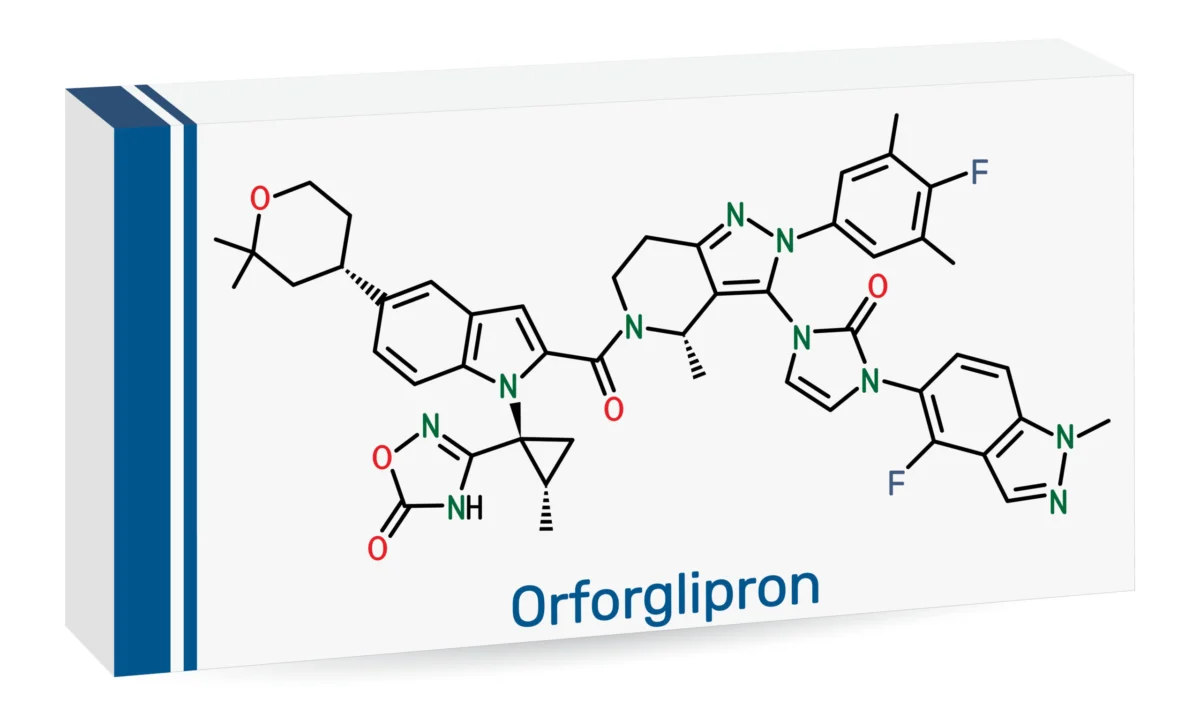
The pharmaceutical landscape for metabolic diseases is undergoing a profound transformation, heralded by the recent approval of orforglipron, the first oral small-molecule GLP-1 receptor agonist. This landmark development, announced in 2026, marks a pivotal shift from the long-standing paradigm of injectable peptide therapies, promising to reshape drug discovery, patient care, and market dynamics in the fight against Type 2 diabetes and obesity. The transition from weekly injections to a daily pill represents not merely a convenience upgrade but a fundamental change in the scientific and clinical approach to a highly effective class of drugs.
A Decade and a Half of Injectable Dominance: The GLP-1 Evolution
The journey of GLP-1 receptor agonists began in 2005 with the U.S. Food and Drug Administration (FDA) approval of exenatide (Byetta), a twice-daily injectable peptide for Type 2 diabetes. This initial breakthrough introduced a novel therapeutic mechanism, mimicking the natural incretin hormone GLP-1, which stimulates insulin secretion, suppresses glucagon, slows gastric emptying, and promotes satiety. While effective, the frequent injection schedule presented adherence challenges for many patients.
Subsequent years saw significant advancements in peptide engineering, leading to improved stability and extended dosing intervals. Liraglutide (Victoza, Saxenda), approved in 2010, offered a once-daily option. However, it was semaglutide, first approved as Ozempic in 2017 for Type 2 diabetes and later as Wegovy in 2021 for chronic weight management, that truly brought GLP-1s into the mainstream consciousness. Engineered for remarkable stability, semaglutide became the gold standard for once-weekly injectable pens, offering unprecedented efficacy in glycemic control and weight loss. The success of these injectables propelled the GLP-1 market to unprecedented heights, with global sales projected to reach tens of billions of dollars annually, underscoring the immense unmet need for effective metabolic disease treatments. Despite their clinical success, the injectable nature of these drugs remained a barrier for a significant portion of the patient population, fueling an intense industry-wide quest for an oral alternative.
The Dawn of Oral Small Molecules: Orforglipron’s Breakthrough
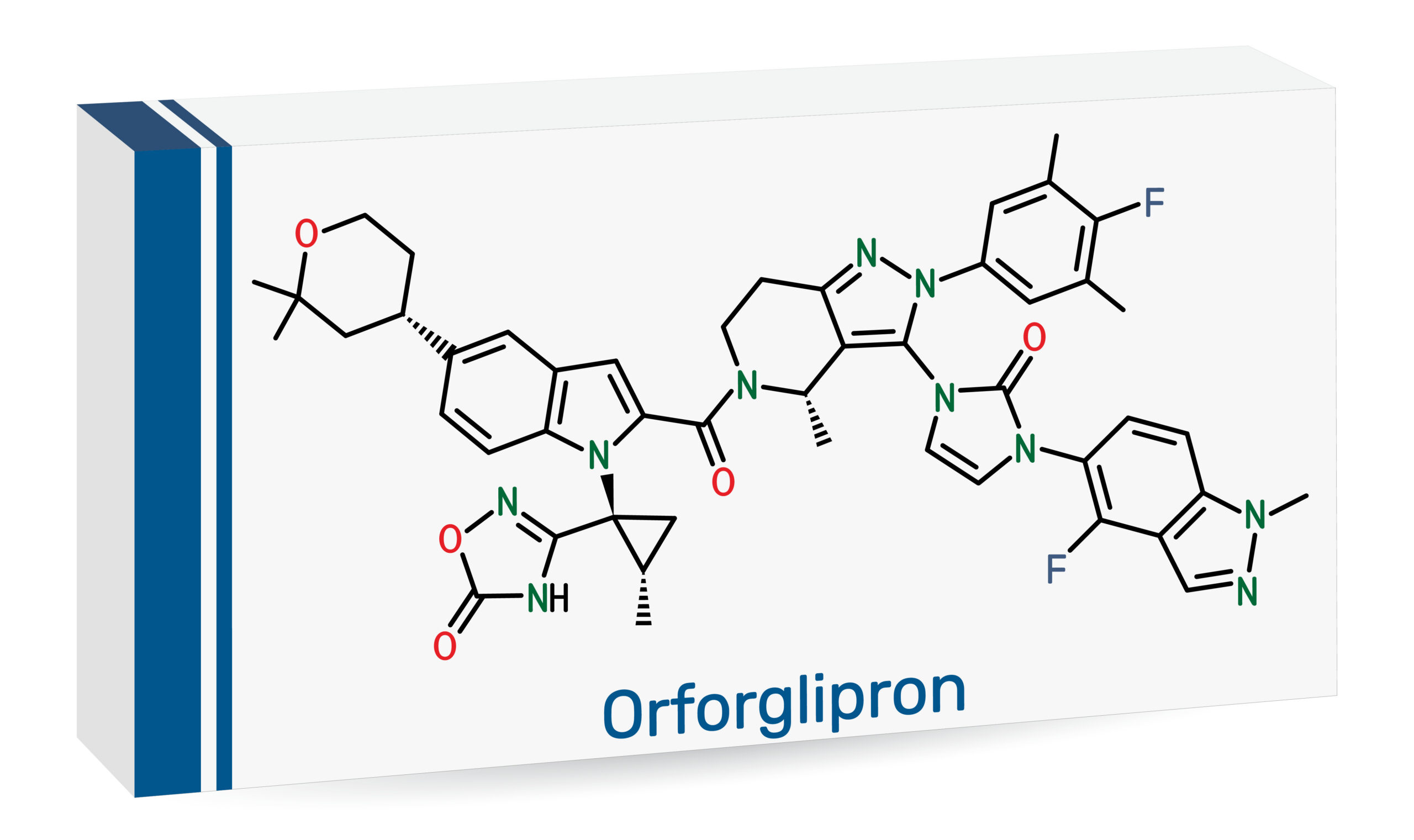
While oral formulations of GLP-1 peptides, such as Rybelsus (oral semaglutide, approved in 2019), represented an important step, they still faced bioavailability challenges inherent to peptide absorption and often required specific dosing regimens (e.g., fasting, minimal water). The true "gold standard" for medication, as noted by Brian Ogilvie, Ph.D., vice president of scientific consulting at BioIVT, has always been a convenient oral pill. This aspiration has now been realized with the 2026 approval of Eli Lilly’s orforglipron (Foundayotm), an oral small-molecule GLP-1 receptor agonist. This approval is not just another incremental step; it represents a paradigm shift, as small molecules offer distinct advantages over peptides in terms of manufacturing, cost, and potential for broader accessibility.
"If you can now mimic the same GLP-1 and GIP receptor agonist effect with a small molecule, that’s the gold standard for a medication," explains Dr. Ogilvie. "You want something you can take by mouth and not worry about it, as opposed to taking injections, even if they’re only every week or every other week." This patient-centric view underscores the profound impact an oral option can have on adherence and overall quality of life, potentially expanding the reach of these life-changing therapies to millions more individuals globally.
Transforming the Bench: A Scientific Reorientation
The transition from injectable peptides to oral small molecules introduces a completely new set of scientific considerations and demands a reorientation of drug discovery and development methodologies at the laboratory bench. For decades, researchers developing peptide-based GLP-1s focused on challenges such as enzymatic degradation in the gastrointestinal tract, poor permeability across biological membranes, and ensuring stability in aqueous solutions for injection. This often involved modifying peptide sequences, conjugating them with fatty acids or polymers, and designing specialized delivery systems.
As Dr. Ogilvie highlights, "Some of these peptides will be degraded in lysosomes, so we use a human liver lysosome fraction… just for screening, or to try to modify them to make them more stable, so they have a longer half-life and can be injected less frequently." This focus on lysosomal degradation pathways and peptide stability was central to extending dosing intervals from twice-daily to once-weekly.
With small molecules, the focus shifts dramatically to the well-established pharmacokinetics and metabolism pathways typical of orally administered drugs. "When it comes to small molecules, there’s the normal CYP-focused metabolism, the typical studies we do for other small molecules. So the mix is changing," Dr. Ogilvie states.
The Central Role of CYP Metabolism
The Cytochrome P450 (CYP) system is a superfamily of enzymes predominantly found in the liver and small intestine, responsible for metabolizing approximately 75% of all clinical drugs. These enzymes convert lipid-soluble compounds into more water-soluble forms that can be excreted by the body. For small-molecule drug developers, understanding a compound’s interaction with the CYP system is paramount. This involves:
- Metabolic Stability: Assessing how quickly a drug is metabolized by CYP enzymes in liver microsomes or hepatocytes.
- Metabolite Identification: Pinpointing the specific metabolic products formed, which can sometimes be active or even toxic.
- Enzyme Induction/Inhibition: Determining if the new drug can induce (increase) or inhibit (decrease) the activity of CYP enzymes, which can significantly alter the metabolism of other co-administered drugs.
This shift means that the standard battery of ADME (Absorption, Distribution, Metabolism, Excretion) and DDI (Drug-Drug Interaction) studies for small molecules becomes the primary focus for oral GLP-1 agonists. This includes extensive in vitro assays using human liver microsomes, hepatocytes, and recombinant CYP enzymes, followed by in vivo studies to fully characterize drug disposition.
Measuring the Ultra-Stable: New Challenges for Long-Lasting Compounds
Many GLP-1 agonists, both peptide and small molecule, are engineered for extended duration of action to allow for less frequent dosing. This stability, while beneficial clinically, can present unique challenges at the bench for drug developers. "If you get a compound that’s incredibly stable in an in vitro model, it can be very difficult to determine: is it cleared at all?" Dr. Ogilvie points out. Standard in vitro models, such as short-term hepatocyte cultures, may not adequately capture the slow metabolic clearance of these ultra-stable compounds.
To address this, more sophisticated and prolonged in vitro systems are required. "So we have HEPATOPAC, for instance, which takes hepatocytes and cultures them out to 28 days or longer, so that might be a system that could come into play for some of these drugs," he explains. HEPATOPAC systems provide a more physiologically relevant in vitro environment, maintaining hepatocyte function for extended periods, allowing researchers to observe and quantify very slow metabolic rates that would be missed in conventional assays. This ensures that even drugs designed to last for weeks can be thoroughly characterized for their clearance mechanisms, preventing unexpected accumulation or drug-drug interactions in patients.
Beyond Metabolism: Broader Drug Disposition Questions
The scientific shift extends beyond just metabolism. "As the research expands and we have candidates that are small molecules, they really open up drug-disposition questions," Dr. Ogilvie notes. This encompasses:
- Transporter Studies: Investigating how small molecules interact with various drug transporters in the gut, liver, and kidneys, which can influence absorption, distribution, and excretion. This is particularly crucial for oral drugs to understand their bioavailability.
- Pharmacodynamic Assays: Regardless of the modality, fundamental assays like human adipocyte lipolysis, fatty acid uptake, and glucose uptake remain essential to confirm the on-target pharmacological effects of these compounds. These studies help ensure that the small molecule effectively mimics the actions of natural GLP-1 and GIP.
Clinical Implications: Drug-Drug Interactions and Patient Safety
The advent of oral GLP-1s, while offering immense patient benefits, necessitates careful consideration of potential drug-drug interactions (DDIs), particularly given that patients with Type 2 diabetes and obesity often manage multiple comorbidities with polypharmacy.
One significant factor mentioned by Dr. Ogilvie is the effect on gastric emptying time. "A lot of these slow gastric emptying time, for instance, which may be one of the pharmacological actions, and that can affect the absorption of other drugs that are commonly administered." This physiological effect, crucial for the GLP-1 mechanism of action in regulating post-prandial glucose and promoting satiety, can delay or alter the absorption profile of other orally co-administered medications. Clinical studies will need to meticulously evaluate these interactions to provide clear guidance for healthcare providers on dose adjustments or timing of administration for other drugs.
Another complex interaction involves the immune system. "There are also cases where peptides can cause an immune response, so you get a cytokine release, and that cytokine release can actually suppress the level of some drug-metabolizing enzymes," Dr. Ogilvie explains. While small molecules might have a different immunogenic profile than peptides, the broader immunomodulatory effects of GLP-1s themselves cannot be ignored. A cytokine-mediated suppression of CYP enzymes, for example, could lead to elevated systemic levels of other drugs metabolized by those enzymes, potentially increasing the risk of adverse effects. This highlights the intricate interplay between pharmacological action, immune response, and drug metabolism that researchers must meticulously untangle.
A Crowded and Diversifying Pipeline: The Global Race for Oral GLP-1s
Lilly’s orforglipron approval in 2026 marks a significant milestone, but the field of oral small-molecule GLP-1 and multi-agonist development is rapidly intensifying. "It’s not only Lilly… but other companies looking at small molecules against other targets, not only GLP-1 but some of the GIPs, glucagon receptor, and so on," notes Dr. Ogilvie. This indicates a broader strategy to develop combination agonists (e.g., GLP-1/GIP or GLP-1/GIP/glucagon) in small-molecule form, aiming for even greater efficacy in weight loss and metabolic control.
The competition is global, with significant innovation emerging from various regions. "Some of these compounds are coming out of China, so it’s not just US or European companies. Several companies are trying to move their preclinical pipelines into the clinic, and some are even Phase 3 ready at this point." This international race underscores the massive commercial opportunity and the urgent medical need these drugs address. Companies like Pfizer, Roche, and Novo Nordisk (which already has oral semaglutide) are also heavily invested in developing their own oral small-molecule candidates, signaling a robust and competitive market in the coming years. This competitive landscape will likely drive further innovation, potentially leading to more potent, safer, and more accessible oral therapies.
Broader Impact and Future Outlook: Beyond Diabetes
The implications of oral small-molecule GLP-1s extend far beyond Type 2 diabetes. The success of injectable GLP-1s in chronic weight management has already opened new therapeutic avenues for obesity, a global epidemic affecting over a billion people worldwide. Oral small molecules are poised to democratize access to these weight-loss therapies, potentially leading to widespread adoption and significant public health benefits.
Furthermore, the expanding understanding of GLP-1 biology is revealing its potential in other metabolic and inflammatory conditions. The companion piece, "Diabetes to MASH: the specimens behind GLP-1’s widening roster," highlights how the therapeutic scope of GLP-1s is growing to include conditions like Metabolic Dysfunction-Associated Steatohepatitis (MASH, formerly NASH), cardiovascular disease, and even neurodegenerative disorders. The availability of oral small molecules could accelerate research and development in these areas, as they offer greater ease of administration for long-term treatment and broader patient populations.
In conclusion, the transition from injectable GLP-1 peptides to oral small-molecule agonists, exemplified by orforglipron’s approval, represents a seismic shift in drug discovery and patient care. It has redefined the scientific focus at the bench, emphasizing traditional small-molecule ADME and DDI considerations while pushing the boundaries of in vitro modeling for ultra-stable compounds. Clinically, it promises enhanced patient adherence and accessibility, though careful management of potential drug-drug interactions will be paramount. As the pipeline of oral small molecules continues to diversify globally, this new era is set to profoundly impact the treatment of diabetes, obesity, and a growing roster of related conditions, ushering in a future where effective metabolic management is more convenient and accessible than ever before.