


In a significant development poised to accelerate the accessibility of cutting-edge cell therapies, Cellares and TScan Therapeutics have announced a strategic agreement to explore the integration of Cellares’ advanced automated manufacturing platform for TScan’s promising investigational therapy, TSC-101. This collaboration aims to streamline the production of TSC-101, a T-cell receptor (TCR)-engineered T-cell therapy designed to combat residual disease and prevent relapse in patients with acute myeloid leukemia (AML) and myelodysplastic syndromes (MDS) following allogeneic hematopoietic cell transplantation. The partnership underscores a shared commitment to addressing the complex manufacturing challenges inherent in bringing life-saving cell therapies from the laboratory to patients at scale.
Laying the Groundwork for Scalable Cell Therapy Production
The core of this alliance centers on a comprehensive technical and operational assessment of Cellares’ state-of-the-art automated manufacturing and testing systems. This evaluation is a critical precursor to the anticipated surge in demand for TSC-101 as it progresses towards a pivotal clinical trial slated to commence in the second quarter of 2026. The agreement specifically designates Cellares’ proprietary Cell Shuttle platform for the automated manufacturing and testing of TSC-101. Complementing this, the Cell Q system will be employed to automate quality control and release testing procedures.
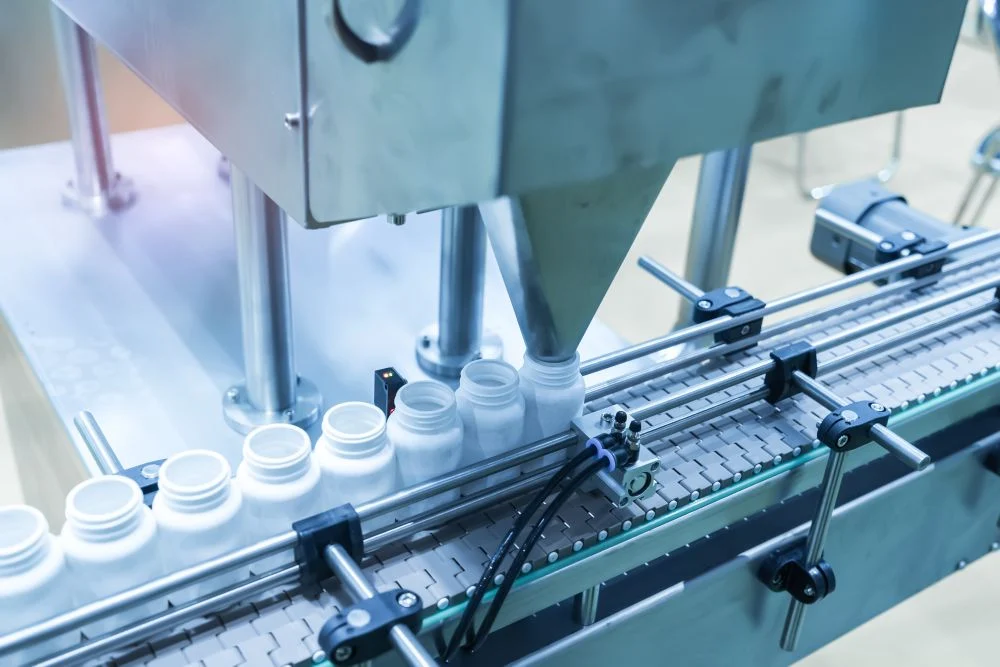
These integrated automated systems are engineered to deliver consistent, high-quality therapeutic products by minimizing process variability and reducing the reliance on manual intervention. This meticulous approach is crucial for meeting the stringent demands of large-scale commercial manufacturing, a hurdle that has historically challenged the broader adoption of cell therapies.
Addressing Unmet Needs in Hematologic Oncology
Fabian Gerlinghaus, co-founder and CEO of Cellares, articulated the profound significance of this collaboration, emphasizing the critical role of automated manufacturing in reaching underserved patient populations. "Patients with AML or MDS who remain at risk of relapse following transplant represent exactly the kind of underserved population that automated manufacturing was designed to reach," Gerlinghaus stated. "Bringing automation to a late-stage program like TSC-101, with its healthy donor-derived but patient-specific manufacturing model, is the kind of challenge the Cell Shuttle and Cell Q were built for, and we believe it represents the manufacturing economics any developer will need to reach a population of this scale."
This sentiment highlights a key challenge in the cell therapy landscape: the high cost and complexity of manufacturing often limit patient access. By leveraging automation, Cellares aims to democratize cell therapy, making it a more viable and scalable option for a wider range of patients and indications.
Understanding TSC-101: A Novel Approach to Relapse Prevention
TSC-101 represents a sophisticated therapeutic strategy aimed at addressing the persistent threat of disease relapse in patients undergoing allogeneic hematopoietic cell transplantation for AML and MDS. These conditions are characterized by a high risk of recurrence, even after successful transplantation, underscoring the need for advanced post-transplant therapies.
The investigational therapy leverages cutting-edge gene modification technology. Specifically, it involves taking T cells from healthy donors and genetically engineering them to express specific T-cell receptors (TCRs). These engineered T cells are then designed to recognize and target tumor-associated antigens that may persist in the patient’s body after transplantation, thereby eliminating residual cancer cells and preventing relapse. This approach offers a distinct advantage by utilizing readily available healthy donor material, sidestepping the challenges associated with autologous (patient-derived) cell collection and manufacturing, particularly in patients with compromised immune systems.
Strategic Alignment and Future Commercialization
As TScan Therapeutics advances its development and commercialization strategies for TSC-101, the company is actively evaluating Cellares’ automated platform as a potentially scalable and cost-effective manufacturing solution. This strategic alignment positions TSC-101 to benefit from Cellares’ expertise in industrialized cell therapy production, potentially accelerating its journey from clinical trials to market availability.
The integration of TCR-engineered T-cell therapies like TSC-101 into Cellares’ automated platform portfolio signifies a broadening of its capabilities. Cellares has already established a strong presence in the manufacturing of other advanced cell therapies, including chimeric antigen receptor (CAR)-T cell therapies, hematopoietic stem cell programs, and autologous progenitor T-cell therapies. The inclusion of TCR-engineered T-cell therapies further solidifies Cellares’ position as a comprehensive manufacturing partner for the cell therapy industry.

Context and Background: The Cell Therapy Manufacturing Imperative
The cell therapy field has witnessed remarkable scientific breakthroughs in recent years, leading to the development of novel treatments for previously intractable diseases. However, the transition from laboratory promise to widespread clinical application has been significantly hampered by manufacturing bottlenecks. Traditional cell therapy manufacturing processes are often manual, labor-intensive, and highly variable, leading to high costs, long lead times, and inconsistent product quality. This has resulted in therapies that are prohibitively expensive and difficult to scale, limiting their availability to a select few.
The emergence of companies like Cellares, dedicated to industrializing cell therapy manufacturing through automation, is seen as a critical step in overcoming these challenges. Their platforms aim to replicate the precision and efficiency of small molecule drug manufacturing for complex biological therapies.
Timeline and Key Milestones
- Present: Cellares and TScan Therapeutics enter into an agreement for a full technical and operational assessment of Cellares’ automated manufacturing and testing platforms for TSC-101.
- Q2 2026: TScan Therapeutics anticipates initiating a pivotal clinical trial for TSC-101.
- Future: Successful integration and validation of Cellares’ Cell Shuttle and Cell Q systems for TSC-101 manufacturing are expected to support potential commercialization.
Supporting Data and Industry Trends
The global cell and gene therapy market is experiencing exponential growth. According to a report by Grand View Research, the global cell and gene therapy market size was valued at USD 13.3 billion in 2022 and is projected to expand at a compound annual growth rate (CAGR) of 26.2% from 2023 to 2030. This growth is driven by increasing investments in research and development, the rising prevalence of chronic and genetic diseases, and advancements in therapeutic technologies.
However, manufacturing remains a significant challenge. A 2023 report by Deloitte highlighted that manufacturing and supply chain complexities are among the top three challenges for cell and gene therapy companies. The report also noted that companies are increasingly investing in automation and advanced manufacturing technologies to address these issues.
The specific patient populations for TSC-101, AML and MDS, are significant global health concerns. AML is a type of blood cancer that progresses rapidly and is often fatal if not treated promptly. MDS comprises a group of blood disorders characterized by ineffective production of blood cells. While allogeneic hematopoietic cell transplantation offers a potential cure for many patients with these diseases, a significant proportion experience relapse, creating a substantial unmet medical need.
Broader Impact and Implications
This collaboration between Cellares and TScan Therapeutics has several far-reaching implications for the cell therapy landscape:
- Accelerated Patient Access: By automating manufacturing, the cost and time associated with producing TSC-101 are expected to decrease, potentially leading to wider patient access and improved affordability.
- Enhanced Product Consistency: Automated processes are designed to reduce human error and variability, leading to more consistent and reliable product quality, which is paramount for patient safety and therapeutic efficacy.
- Scalability for Commercialization: The Cell Shuttle and Cell Q systems are engineered for large-scale production, preparing TSC-101 for the demands of a global commercial launch. This is crucial for therapies targeting prevalent conditions like AML and MDS.
- Validation of TCR-Engineered T-Cell Therapy Manufacturing: The successful automation of TSC-101 manufacturing will serve as a crucial validation for the broader application of automated platforms to other TCR-engineered T-cell therapies, a rapidly expanding area of research.
- Industry Benchmark: This partnership could set a new benchmark for how cell therapy companies approach manufacturing challenges, encouraging further adoption of automation and industrialized processes.
Official Responses and Future Outlook
While TScan Therapeutics has not issued a separate public statement directly on this agreement beyond the initial announcement, their commitment to advancing TSC-101 is evident in their continued clinical development efforts. The company’s focus on addressing residual disease and preventing relapse underscores the critical need for a robust and scalable manufacturing solution.
Cellares, as a company focused on revolutionizing cell therapy manufacturing, views this partnership as a testament to the adaptability and power of its automated platforms. "Bringing automation to a late-stage program like TSC-101, with its healthy donor-derived but patient-specific manufacturing model, is the kind of challenge the Cell Shuttle and Cell Q were built for," Gerlinghaus reiterated, underscoring the company’s strategic positioning to support advanced cell therapy development.
The success of this collaboration could pave the way for a new era in cell therapy manufacturing, where complex biological medicines are produced with the efficiency and reliability akin to traditional pharmaceuticals. As TSC-101 progresses through its clinical development, the industry will be closely watching the integration and performance of Cellares’ automated systems, anticipating a significant step forward in making life-changing cell therapies a reality for more patients worldwide. This alliance represents a crucial fusion of innovative therapeutic development and advanced manufacturing technology, aimed squarely at tackling some of the most challenging diseases in hematologic oncology.















Leave a Reply