On the morning of September 11, 2001, the United States suffered the deadliest terrorist attack in world history. As the twin towers of the World Trade Center collapsed in Lower Manhattan, they transformed from symbols of global commerce into a massive, pulverized tomb. For the thousands of first responders, recovery workers, and local residents caught in the immediate aftermath, the tragedy did not conclude when the fires were extinguished or the debris was cleared. Instead, it marked the beginning of a quarter-century-long medical and psychological struggle, a slow-motion health crisis that continues to unfold as the survivors reach the 25-year milestone.
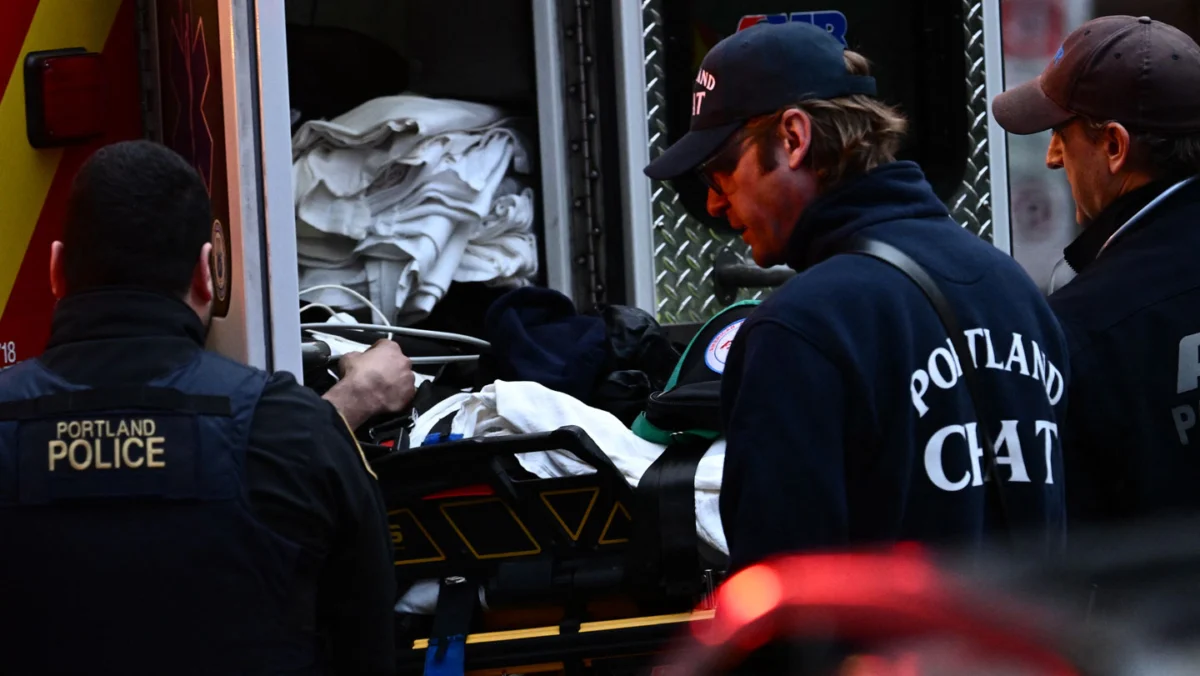
Denise Harrison, a medical professional at Bellevue Hospital in New York City, vividly recalls the chaotic atmosphere of that day. Like many of her colleagues, she spent the hours following the attacks bracing for a catastrophic influx of patients. The emergency room had been cleared of non-urgent cases, and trauma teams stood ready to receive the survivors of the collapse. But the expected flood of survivors never arrived. "We had more doctors there than patients," Harrison reflects. "We knew why. That was saddening." The stark reality was that the destruction was so absolute that the window for rescue had closed almost instantly.
A Chronology of Toxic Exposure
The collapse of the 110-story twin towers and the 47-story 7 World Trade Center building released a gargantuan cloud of particulate matter into the air. This plume, which hung over Lower Manhattan for weeks, was a cocktail of pulverized concrete, glass, pulverized steel, jet fuel, asbestos, lead, mercury, and various volatile organic compounds.
In the immediate days following the collapse, recovery workers operated in an environment where safety protocols were often secondary to the urgency of finding survivors. Even as fire suppression efforts continued, the constant movement of heavy machinery to sift through the "pile" repeatedly aerosolized the toxic dust. Scientific analysis of the site confirmed the presence of numerous carcinogens and respiratory irritants.
The health implications of this exposure were not fully understood by the public in 2001. However, recent document releases suggest that institutional knowledge regarding air quality risks may have been more nuanced than what was publicly communicated at the time. On September 8, 2026, the City of New York released approximately 170,000 documents detailing internal communications from the period, providing researchers with new insights into what municipal and federal leaders knew regarding the environmental hazards near Ground Zero.
The Rise of the WTC Health Program
Recognizing the long-term nature of the health crisis, Congress established the World Trade Center (WTC) Health Program in 2011. This program was designed to provide medical monitoring, treatment, and ongoing research for those exposed to the toxic environment in New York, the Pentagon, and the crash site in Shanksville, Pennsylvania.
As of the summer of 2026, the program supports more than 154,000 enrollees. With federal funding secured through 2090, the program serves as a permanent medical safety net for a population that is now entering its fifth and sixth decades of life. The clinical reach of the program is vast, utilizing specialized centers in New York and New Jersey, alongside a national network of physicians trained to identify and manage the unique, often idiosyncratic, health conditions linked to 9/11.
Clinical Manifestations and Emerging Challenges
The health profile of 9/11 survivors has evolved significantly over the past 25 years. Initially, medical professionals noted a high prevalence of acute respiratory issues, colloquially referred to as "World Trade Center cough." Asthma, chronic bronchitis, and severe sinus inflammation were among the most frequently reported ailments.
By the second decade, gastroesophageal reflux disease (GERD) emerged as a pervasive issue. Longitudinal studies of 27,000 rescue and recovery workers showed the incidence of GERD rising from roughly 6 percent prior to the attacks to nearly 39 percent nine years later. Furthermore, researchers identified an unexpected correlation between environmental exposure and sleep apnea, even among individuals who lacked the typical clinical risk factors like obesity or advanced age.
Today, the medical community is grappling with a new wave of comorbidities. Many of the first responders are now in their 50s and 60s, a stage of life where underlying cardiovascular disease, hypertension, and diabetes become more common. These age-related conditions can complicate the management of 9/11-related illnesses, creating a complex clinical picture that requires integrated, multidisciplinary care.
Perhaps most concerning is the recent emergence of cognitive dysfunction. Emerging evidence suggests a correlation between chronic exposure to toxic air pollutants, long-term post-traumatic stress disorder (PTSD), and the onset of dementia-like symptoms. This finding represents a significant shift in the understanding of how both chemical toxicity and psychological trauma can interact to impact neurological health over the long term.
The Psychological Toll: Trauma Beyond the Physical
The mental health burden of 9/11 remains one of the most difficult facets of the disaster to treat. Jodi Streich, the mental health director at the Rutgers University WTC Health Program, emphasizes that the trauma is not a static event. "It stays," she notes, explaining that the annual return of the anniversary—marked by wall-to-wall media coverage and social media discourse—frequently acts as a trigger, reactivating latent memories and grief.
The transition to retirement has also proven to be a major stressor. For many survivors, their professional role—whether as a police officer, firefighter, or recovery worker—provided a sense of identity and a form of "functional suppression" of their trauma. When that structure is removed, many individuals find themselves struggling with newfound anxiety, depression, and survivors’ guilt.
Cultural barriers further complicate treatment. There is a documented stigma within many first-responder communities regarding the pursuit of mental health care. Many patients wait until they reach a psychological breaking point before seeking assistance. To combat this, the WTC Health Program has implemented peer-support groups that focus on specific demographics, such as retirees or those battling cancer, creating a communal environment where shared experiences foster a sense of legitimacy and belonging.
Implications for the Next Quarter-Century
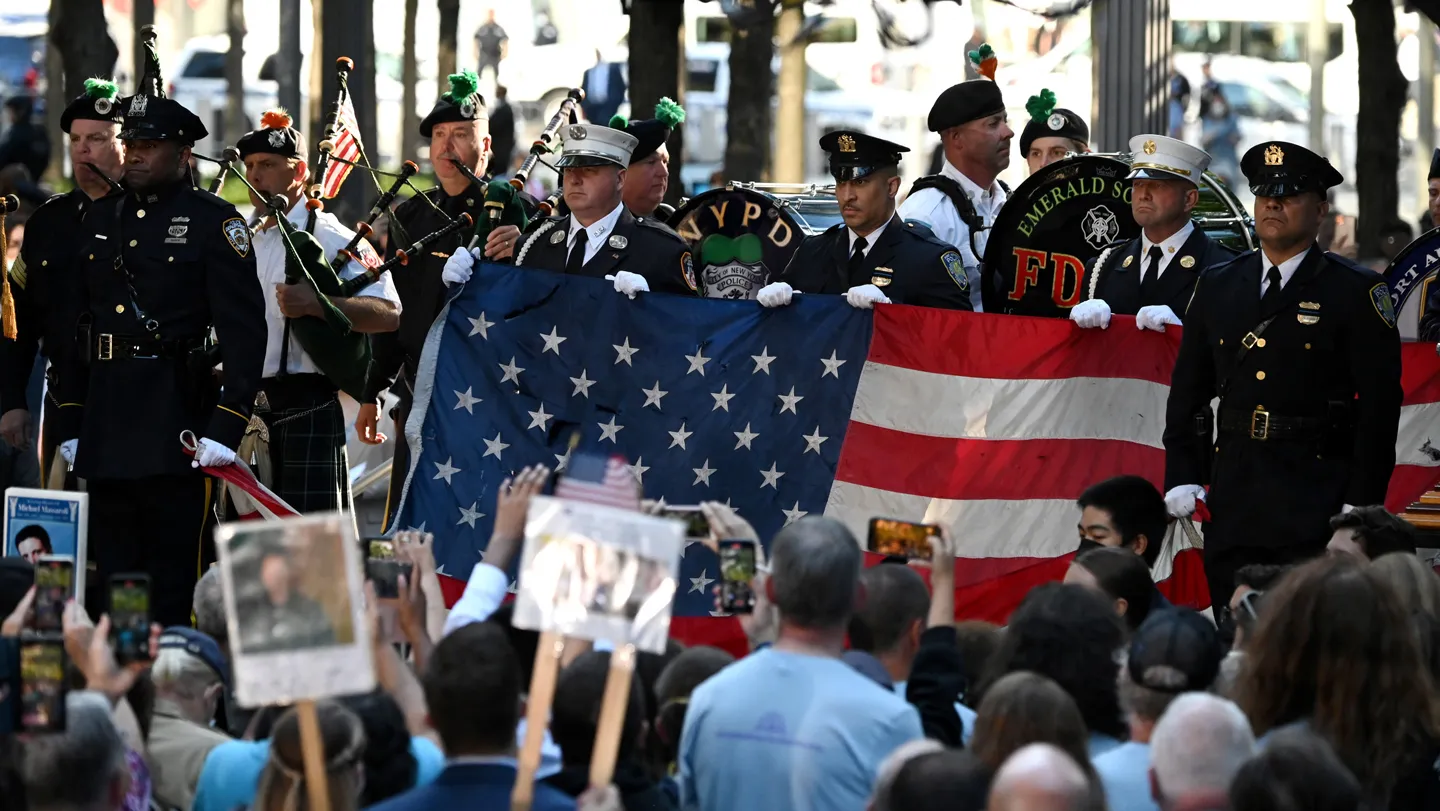
The 25th anniversary serves as a somber reminder that the legacy of September 11 is not merely historical; it is biological. The ongoing enrollment of new patients—people coming in for their first-ever screening—underscores the fact that the health impacts can have a long latency period.
Medical directors like Dr. Iris Udasin and Dr. Denise Harrison highlight the importance of the "therapeutic relationship" within the program. For a patient who has spent years carrying the physical and psychological weight of the disaster, the WTC Health Program acts as a sanctuary where they are finally understood.
As the cohort ages, the focus of the program is shifting from acute intervention to chronic disease management. The challenge lies in providing holistic care that addresses not only the cancer or respiratory issues directly linked to the toxic dust, but also the mental health decline and cognitive erosion that have been quietly progressing over the last two decades.
The, perhaps, most poignant success of the program is found in the personal milestones of its patients. Whether it is a former responder successfully navigating the complexities of cancer treatment or finding the courage to address trauma in therapy, the goal remains the same: improving the quality of life for those who sacrificed so much on that day in September.
Ultimately, the data suggests that the "survivor" status is a lifelong designation. While the physical rubble of the World Trade Center was cleared away years ago, the biological and emotional consequences remain deeply embedded in the lives of those who were present. The longevity of the WTC Health Program ensures that while these individuals may be suffering, they are not suffering in isolation. As society reflects on the 25th anniversary, the medical community continues to emphasize that the response to the terror of 9/11 must remain as committed and sustained as the recovery efforts were in the days following the event. The commitment to these survivors is not just a policy obligation; it is an enduring promise to those who stood on the front lines when the world turned dark.