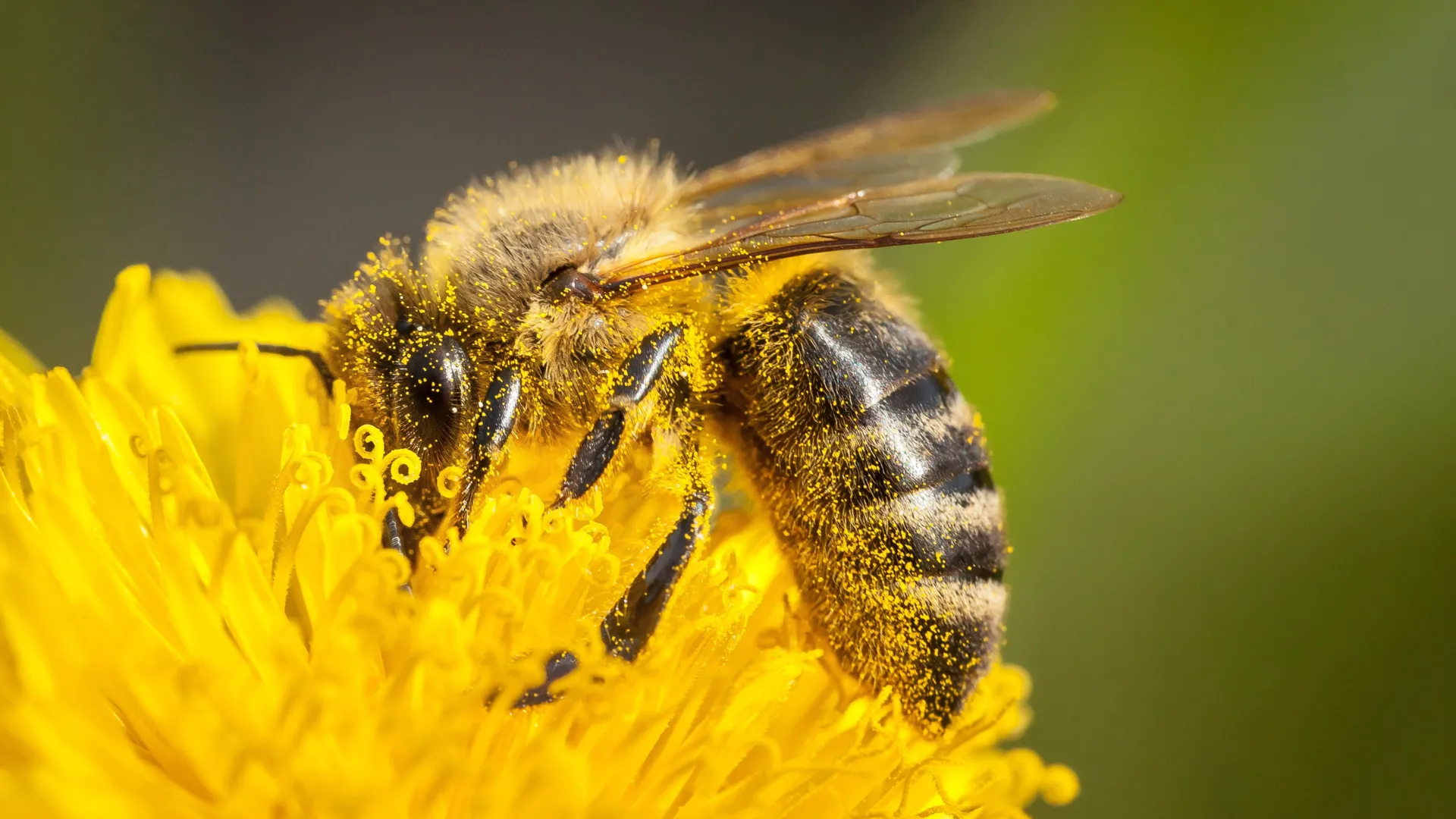
For more than six decades, the bedrock of evolutionary biology has been defined by a compelling, yet increasingly contested, hypothesis regarding the origins of eusociality. Eusociality, characterized by the division of labor, overlapping generations, and cooperative brood care, represents one of the most complex organizational structures in the animal kingdom. It is the defining feature of the super-colonies built by ants, honey bees, and certain wasps. Since the mid-20th century, the academic consensus has largely pointed to a unique chromosomal inheritance system known as haplodiploidy—wherein females possess two sets of chromosomes and males possess only one—as the primary engine driving this sophisticated social evolution. However, new, large-scale research from Arizona State University (ASU) suggests that this long-standing assumption may be a statistical illusion rather than a biological law.
The Rise of the Haplodiploidy Hypothesis
To understand the gravity of the recent findings, one must first appreciate the historical context of the debate. In the 1960s, evolutionary theorists, most notably W.D. Hamilton, proposed that the peculiar genetic architecture of the Hymenoptera order provided a "genetic predisposition" toward altruism. Under the haplodiploid system, sisters share 75% of their genes, making them more closely related to one another than they would be to their own potential offspring. This theory, dubbed the "haplodiploid hypothesis," provided a elegant mathematical explanation for why worker insects would forgo personal reproduction to raise their siblings.
For generations, this concept became a foundational pillar in biology textbooks, explaining why eusociality appeared to be an evolutionary success story primarily within the Hymenoptera. While other species, such as termites and certain beetles, achieved eusociality through different genetic pathways, the sheer frequency of social structures in stinging wasps, bees, and ants seemed to confirm the theory’s broad applicability.
A Chronology of Empirical Skepticism
The journey from theoretical hypothesis to rigorous, large-scale empirical testing has been a slow one. Throughout the 1970s and 1980s, the hypothesis remained largely unchallenged due to a lack of comprehensive, species-level genetic data. The challenge was not just about mapping the genome, but about mapping the social history of nearly 70,000 species simultaneously.
The timeline of this reassessment began in earnest with the advent of high-throughput phylogenetic computing in the early 21st century. As researchers began to build more robust family trees for insects, the correlation between haplodiploidy and eusociality began to show cracks. By 2010, several small-scale comparative studies suggested that the "genetic advantage" of being a sister might not be enough to explain the transition from solitary to colonial life.
The current study, published in the journal Current Biology, marks a definitive pivot in this timeline. By synthesizing data from nearly 69,000 species—a dataset of unprecedented magnitude—the ASU research team led by Sachin Suresh and Timothy Linksvayer sought to move beyond speculative theory and into the realm of formal, comparative validation.
Data-Driven Reinterpretation
The methodology employed by the ASU team involved integrating social behavior records with massive, species-level family trees. By applying phylogenetic comparative methods, the researchers were able to simulate the evolutionary frequency of eusociality across diverse lineages. Initially, their data seemed to align with the traditional view: eusociality was indeed more prevalent in haplodiploid insects.
However, the "statistical signal" was heavily skewed. When the researchers stripped away the influence of the aculeate Hymenoptera—the specific branch of the family tree containing stinging wasps, bees, and ants—the perceived connection between haplodiploidy and eusociality essentially evaporated.
"When we formally tested it, we found there is no real association between the genetic determination system and eusociality," said Sachin Suresh, lead author of the study. The implication is clear: the prevalence of eusociality in these groups is not a result of a genetic "advantage" in chromosomal inheritance, but rather a reflection of the unique life-history traits and environmental pressures faced by that specific lineage.
Environmental and Behavioral Drivers
If genetics is not the primary driver of eusociality, what is? The study points toward a more complex interplay of biological factors. The aculeate Hymenoptera possess a suite of pre-existing traits—such as complex nesting behaviors, the presence of defensive stingers, and high levels of parental care—that likely created a "pre-adaptation" for sociality.
These traits, rather than the chromosomal mechanism of sex determination, appear to be the actual catalysts for social evolution. For instance, the ability to construct protected nests and defend them against predators creates a high-stakes environment where cooperative labor yields a significant survival advantage. This hypothesis, often referred to as "social plasticity," suggests that environmental conditions act as a sieve, favoring lineages that have the biological tools to cooperate, regardless of their underlying chromosome count.
Implications for Evolutionary Theory
The implications of this study extend far beyond the classification of ants and bees. For decades, the haplodiploid hypothesis served as a case study for "inclusive fitness theory." By proving that this specific mechanism is not a universal rule for social evolution, the ASU researchers have forced a recalibration of how we interpret the evolution of cooperation.
Furthermore, this study highlights a growing trend in modern biology: the necessity of "big data" to confirm or refute long-held paradigms. Theories that seemed bulletproof when applied to a handful of model organisms often falter when tested against the full breadth of biodiversity. The fact that nearly 69,000 species were required to overturn a 60-year-old belief underscores the danger of relying on limited, anecdotal datasets in evolutionary science.
Future Research Directions
The scientific community is already responding to the findings. Critics of the traditional hypothesis argue that this research provides the necessary evidence to stop viewing haplodiploidy as a "magic bullet" for sociality. Future research is expected to pivot toward "comparative genomics," which will look for common gene expression patterns in the brains or physiological structures of eusocial insects, rather than just their chromosomal inheritance.
The team at ASU remains focused on the next phase of this inquiry: determining exactly which environmental triggers push a solitary species to adopt a eusocial lifestyle. By moving away from the "genetics-only" model, the study opens the door to a more holistic understanding of life-history evolution.
A New Paradigm of Cooperation
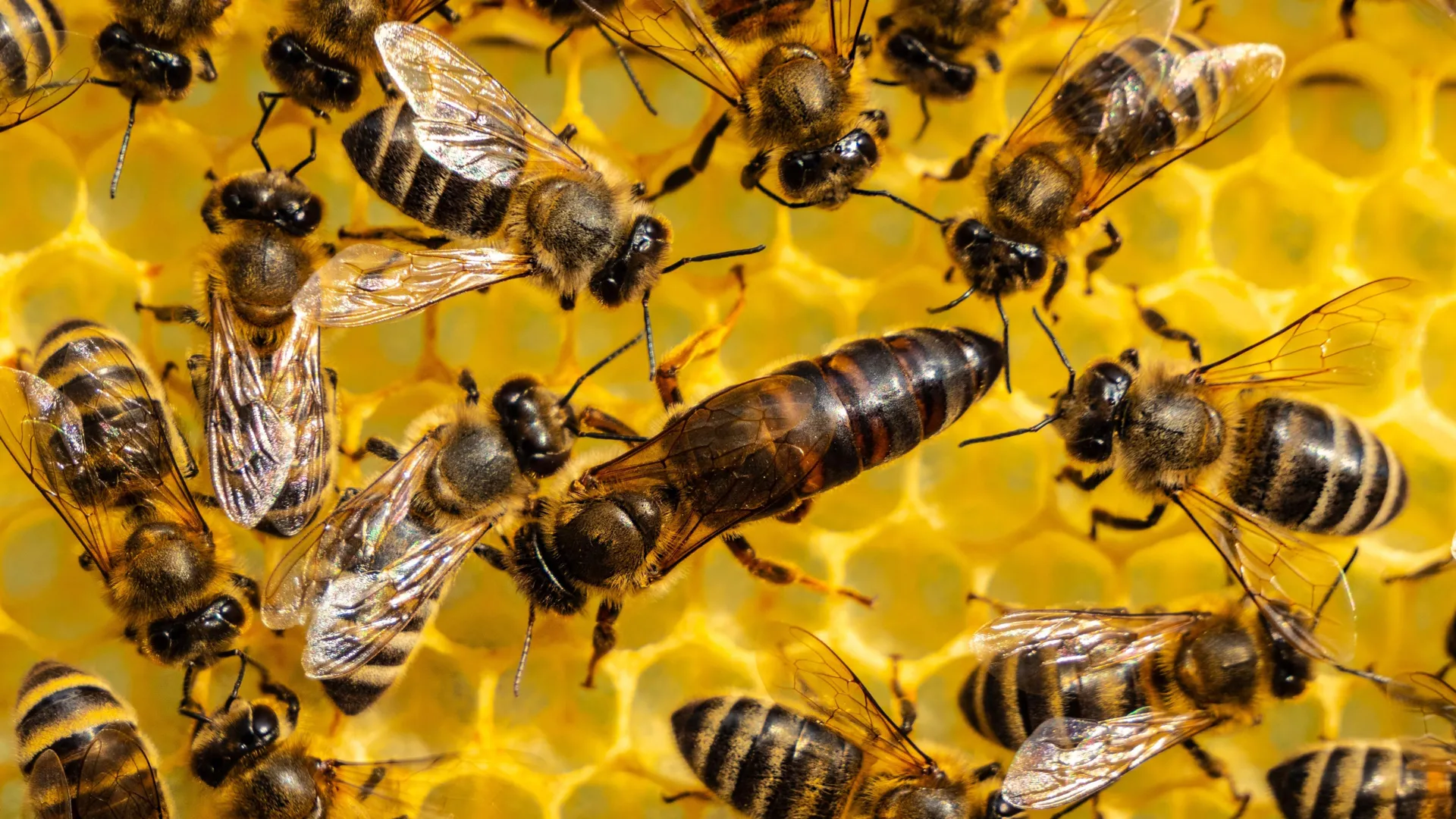
In summary, the ASU research marks a turning point in the study of insect societies. By de-emphasizing the role of haplodiploidy, the study does not suggest that genetics are unimportant; rather, it suggests that the "social imperative" is a multifaceted phenomenon. The sophisticated division of labor observed in a honey bee hive is not merely a quirk of inheritance, but a testament to the cumulative evolution of nesting, defense, and cooperative care.
As evolutionary biology continues to advance, the lessons learned from this study serve as a potent reminder of the scientific method’s self-correcting nature. Sixty years of theory, while influential, must eventually yield to the evidence provided by large-scale empirical analysis. The mystery of why some insects choose to live together while others remain solitary remains, but the focus has finally shifted toward a more nuanced, realistic explanation—one that accounts for the rich, messy, and complex reality of life in the insect world. The story of eusociality, once thought to be written in the chromosomes, is now being rewritten in the broader, more unpredictable language of environmental adaptation and behavioral history.