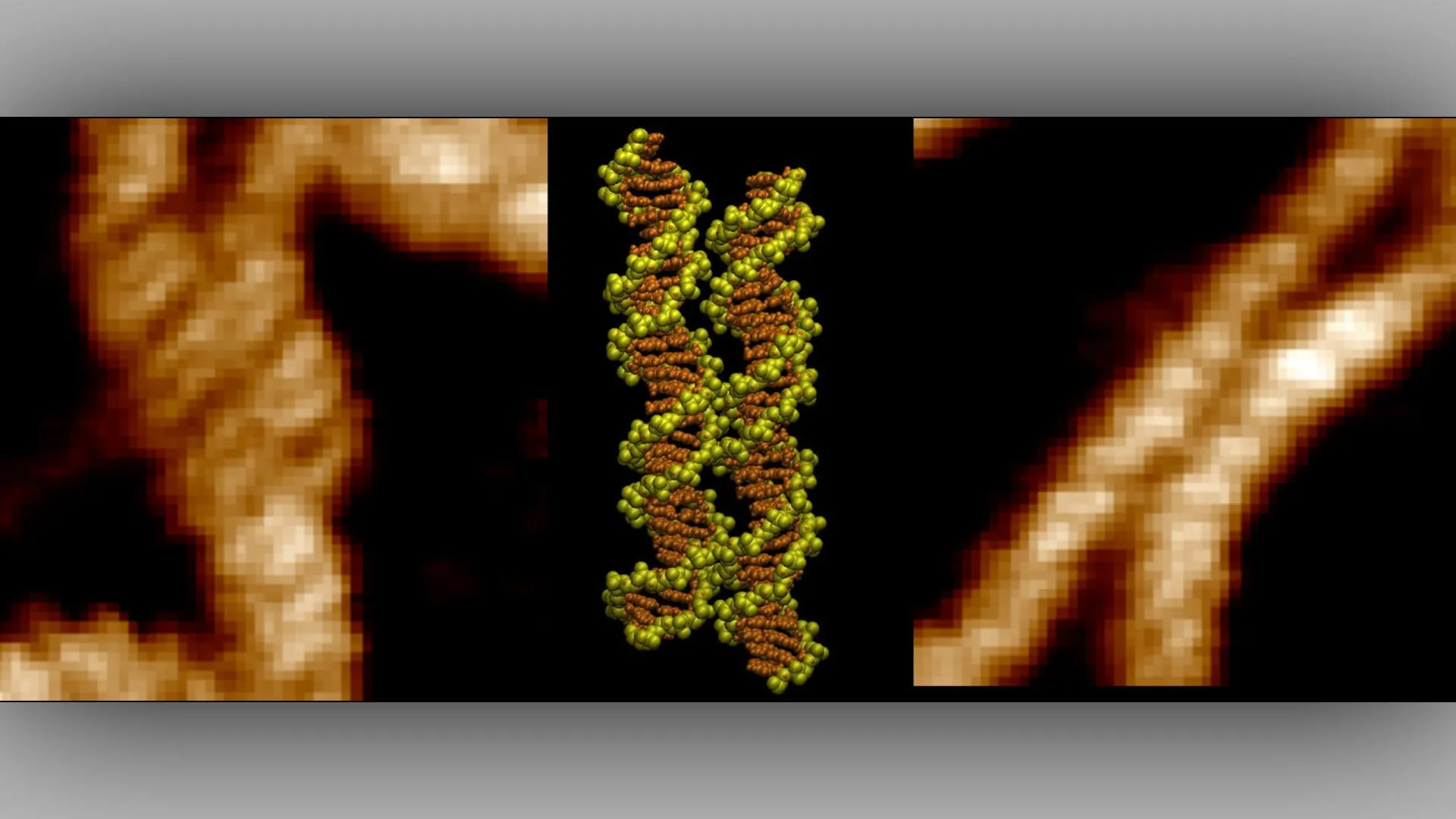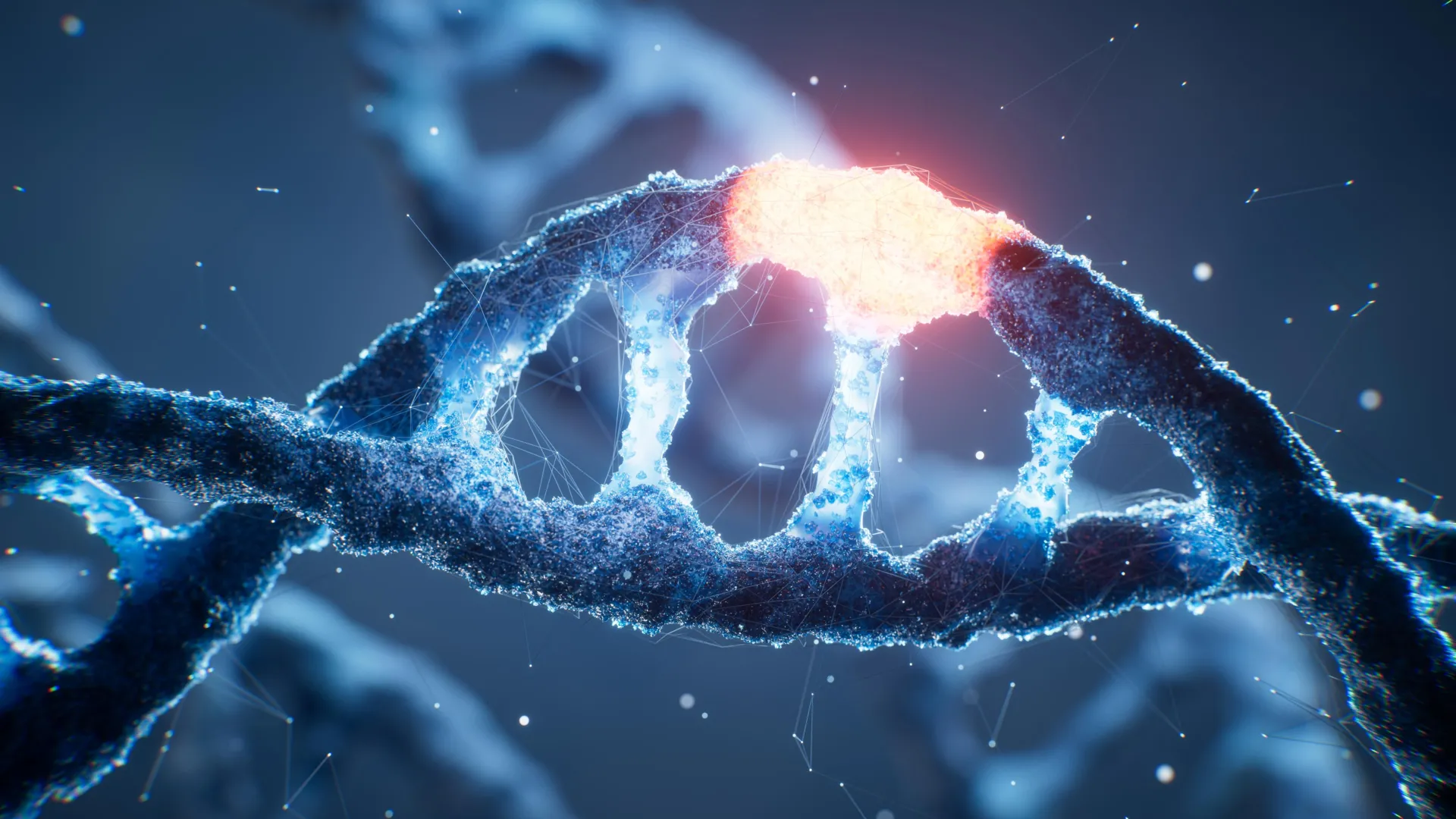
The fundamental blueprint of human health resides in the precise orchestration of genetic activity, a complex biological symphony where tens of thousands of genes must be activated at exact moments and in specific anatomical locations. This process, governed by intricate regions of DNA, dictates the synthesis of essential enzymes, hormones, and proteins. When these regulatory mechanisms falter, the resulting cellular dysfunction can manifest as severe pathologies, including cancer, autoimmune disorders, and developmental anomalies. Recently, a team of researchers at the University of California San Diego, led by Professor James T. Kadonaga, achieved a significant milestone in molecular biology by employing artificial intelligence to decode the "initiator," a critical DNA sequence that serves as the starting point for gene expression.
The Mechanics of the Initiator Sequence
The initiator is a specific DNA element that functions as a molecular landmark. It marks the precise physical location where the transcription machinery—the complex assembly of proteins responsible for reading genetic code—begins the process of converting a gene into a functional product. For decades, molecular biologists have understood that this sequence is vital, yet its exact structural nuances and the extent of its prevalence throughout the human genome remained partially obscured.
Traditional methods of mapping these sequences were labor-intensive and lacked the scalability required to analyze the sheer volume of genetic data contained within the human cell. By focusing on the initiator, the UC San Diego laboratory aimed to identify the "rules" that dictate how this start signal is recognized by the cell. This research is part of a broader, decades-long effort in the field of genomics to understand the "gene expression code"—a regulatory lexicon that specifies when, where, and to what extent genes are switched on or off.
Chronology of the Research Initiative
The study, spearheaded by graduate student researcher Torrey Rhyne-Carrigg, represents the culmination of several years of rigorous experimental design and computational integration. The project began with the generation of high-throughput data, a method that allows for the rapid testing of thousands of genetic variations in parallel.
In the initial phase of the study, the researchers synthesized approximately 500,000 different versions of the initiator sequence. By measuring the gene expression activity associated with each of these variants in a controlled laboratory environment, the team compiled a massive dataset. This empirical data served as the foundational "training set" for a machine learning model.
Once the data was collected, the team transitioned to the computational phase. They trained an AI model to recognize the characteristic patterns hidden within the DNA sequences that correlated with high levels of expression. By iterating through the training data, the AI successfully learned the complex, non-linear relationships between specific base-pair arrangements and the functional output of the gene. Following this training period, the model was deployed to scan the human genome, revealing that approximately 60% of human genes utilize this specific initiator sequence to trigger expression.
Supporting Data and Technical Significance
The implications of this discovery are underscored by the sheer scale of the findings. The human genome consists of approximately six billion base pairs, and the ability to accurately predict the presence or absence of an initiator sequence in over half of all human genes represents a major leap in genomic annotation.
Prior to this AI-driven approach, predicting whether a particular mutation in a non-coding region of DNA would disrupt gene expression was largely speculative. Now, with a predictive model for the initiator, researchers can analyze specific variants—such as single nucleotide polymorphisms (SNPs)—and estimate their functional impact with a higher degree of statistical confidence.
The integration of high-throughput experimental data with AI modeling effectively bridges the gap between raw sequencing data and biological function. While previous bioinformatics models relied on simple sequence motifs, this new model accounts for the nuanced interactions between DNA bases, providing a more robust framework for interpreting the regulatory landscape of the genome.
Official Perspectives and Expert Analysis
Reflecting on the study’s successful implementation, Professor James T. Kadonaga emphasized the paradigm shift this research represents for the broader scientific community. "These AI models were found to provide, for the first time, strong predictions of the presence or absence of the initiator in human genes, and were thus able to decode the DNA base sequence pattern of the initiator," Kadonaga stated.
The research has drawn attention from colleagues in bioinformatics and molecular biology, who note that the methodology used by the UC San Diego team could serve as a template for other regulatory elements. By reducing the "black box" nature of genomic sequences, the AI model allows for a mechanistic understanding of how promoters function.
"More globally, this work is a step forward in the combined use of laboratory experiments and AI to decipher the information that is embedded in the sequence of the DNA bases in humans," Kadonaga added. He noted that while the current model focuses on the initiator, it is a critical component of a much larger puzzle. The long-term vision is to develop a comprehensive AI model capable of predicting the expression patterns of any given gene variant in any given human cell type, which would revolutionize personalized medicine and our understanding of genetic disease.
Clinical and Synthetic Biology Implications
The clinical utility of this research is significant, particularly in the realm of predictive diagnostics. Many human diseases are driven not by mutations in the genes themselves, but by mutations in the regulatory sequences that control them. By understanding the "code" of the initiator, clinicians and researchers can better predict how specific genetic mutations contribute to the onset of conditions ranging from hereditary cancers to developmental disorders.
Beyond diagnostics, the findings hold promise for the field of synthetic biology. The ability to design synthetic promoters—sequences engineered to turn genes on or off with high precision—is a cornerstone of modern biotechnology. These synthetic elements are essential for gene therapies, where the goal is to express a therapeutic protein at specific levels within targeted tissues. By leveraging the insights gained from this AI model, researchers can engineer synthetic promoters that are more efficient, more predictable, and less likely to trigger unwanted immune responses.
Future Outlook: Decoding the Six Billion Bases
The research conducted at UC San Diego is a precursor to a future where the entire human gene expression code may be decipherable through computational models. The success of the initiator project suggests that the combination of high-throughput laboratory experimentation and advanced machine learning is a viable strategy for unlocking the hidden information within the non-coding regions of the human genome.
The next steps for the research team involve expanding the model to include other regulatory elements, such as enhancers and insulators, which coordinate with the initiator to refine gene expression. As these models evolve, they will likely become standard tools in genomic research, enabling a more granular view of how individual genetic variations influence health and disease.
Ultimately, the goal of this research is to move toward a state of predictive biology. If scientists can predict the activity of any gene variant, the therapeutic potential is vast. From designing customized gene therapies to identifying the precise regulatory drivers of complex diseases, the synthesis of artificial intelligence and molecular biology is transforming the genome from a vast, mysterious repository of code into a legible, actionable blueprint for human health. While the current study focused on a small, albeit essential, part of the gene expression code, it marks a pivotal moment in the ongoing quest to understand the mechanisms that define human biological existence. The optimism expressed by Professor Kadonaga regarding the expansion of these models underscores a growing confidence that the most complex secrets of our DNA are no longer beyond our reach, provided we have the right tools to interpret them.