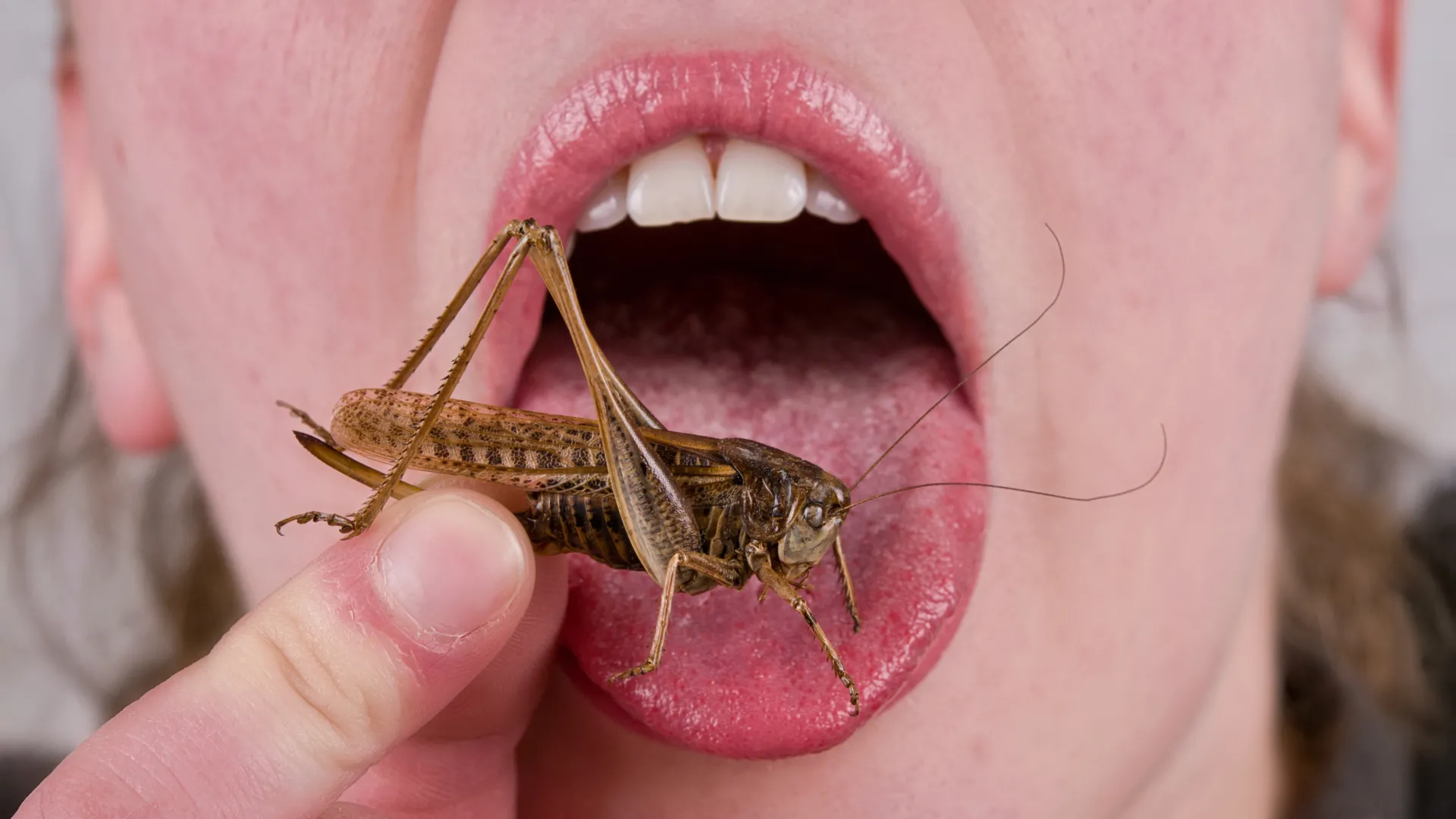
As the global population surges toward a projected 9.7 billion by 2050, the confluence of climate change, land degradation, and biodiversity loss has forced a critical re-evaluation of the global food supply. Amidst this pressure, researchers and policymakers are increasingly examining alternative, low-impact protein sources. Among the most promising, yet historically neglected, are insects. With 1,611 species officially classified as edible and an endorsement from the Food and Agriculture Organization (FAO) of the United Nations as a sustainable alternative to conventional livestock, insects represent a potential revolution in food security. Yet, despite their nutritional density, Western societies maintain a profound cultural aversion to entomophagy. A groundbreaking study from the Institute of Evolutionary Biology (IBE)—a joint center of the Spanish National Research Council (CSIC) and Pompeu Fabra University (UPF)—now suggests that this resistance may not be merely a matter of modern cultural habit, but a deep-seated biological legacy stretching back tens of thousands of years.
The Genomic Reconstruction of Ancient Diets
The IBE research, published in the journal Science Advances, represents a significant leap in paleogenetics. By analyzing 745 samples of dental calculus—calcified dental plaque—from anatomically modern humans dating back 33,000 years, the researchers created a high-resolution map of ancient consumption patterns. Dental calculus acts as a biological time capsule, trapping DNA from the various flora and fauna consumed by individuals throughout their lives.
The study’s methodology involved mapping these ancient genetic traces against known evolutionary markers in human DNA. The findings reveal a stark geographical divide: while insect consumption appears to have been a stable and significant dietary component in tropical regions, it was at best accidental or infrequent in northern Eurasia. This divergence, the study posits, has persisted for at least nine millennia, tracing back to the onset of the Neolithic Revolution and the subsequent rise of agriculture.
Neanderthals and the Prehistoric Protein Strategy
The research offers a particularly compelling look at the dietary habits of Neanderthals. When compared to the dental samples of anatomically modern humans from the same regions, Neanderthal calculus contained significantly higher concentrations of insect DNA. This presence mirrors the dietary strategies of contemporary western chimpanzees, which utilize insects as a critical "fallback" food during periods of environmental stress, such as droughts or winter-induced shortages.
The genetic data indicates that Neanderthals were not only consuming insects but were physically adapted to do so. They possessed more robust chitinase genes—the genetic machinery responsible for breaking down chitin, the tough carbohydrate that forms the exoskeleton of insects. This suggests that for Neanderthals, insects were a reliable, high-protein resource. The prevalence of Diptera—the order of insects including flies and mosquitoes—within these samples suggests a scavenging strategy. Researchers hypothesize that Neanderthals may have targeted animal carcasses where fly larvae were present, or utilized water-logged environments where carcasses were stored and subsequently colonized by insects. This evolutionary flexibility likely provided a vital survival advantage during the harsh, fluctuating climates of the Pleistocene.
The Chitinase Decline and the Agricultural Pivot
The transition away from insect-based diets among modern humans in northern Eurasia correlates directly with a genetic shift. The IBE team examined the genes responsible for producing chitinase acid (CHIA) and chitobiase (CTBS), the enzymes necessary for efficient exoskeleton digestion. In northern Eurasian populations, the study identified mutations that effectively dampened the expression of these genes. This trend, which began roughly 9,000 years ago, aligns with the transition from nomadic hunter-gatherer lifestyles to sedentary farming.
As human populations in these regions shifted toward cereal-based diets and domesticated livestock, the ecological pressure to exploit insect biomass decreased. Consequently, the biological capacity to process chitin became less essential. Over thousands of years, this lack of evolutionary necessity allowed for the persistence of these "reduced-digestive" variants. As Pablo Librado, the study’s principal investigator, notes, the modern absence of entomophagy in Western culture is not merely a recent social construct or a legacy of religious taboo; it is the result of a long, complex ecological history. In regions where insects were not readily available in large, consistent quantities, the energy expenditure required to harvest them outweighed the nutritional gain, leading to a gradual, permanent abandonment of the practice.
Global Implications: The Tropical Exception
The study provides a nuanced view of global dietary evolution. While Northern populations saw a decline in chitinase expression, populations closer to the tropics retained the biological capability to process insects efficiently. In these regions, social insects such as termites and locusts remain abundant. Because these insects exist in high-biomass colonies, they provide a sustainable, year-round source of protein. In many parts of Africa, Asia, and Latin America, this ecological reality has maintained a cultural and biological affinity for entomophagy that has never been interrupted by the agricultural shifts seen in the North.
Manuel Piñero, the study’s first author, emphasizes that the calorie-to-effort ratio is the primary driver of this evolutionary divergence. "Large quantities of insects need to be ingested to compensate for the high caloric expenditure involved in their collection," Piñero explains. In the tropics, the ease of access to social insects makes them a logical, low-cost dietary staple. In contrast, the European landscape, characterized by scattered, non-social insect populations, made the pursuit of such food sources inefficient for early humans.
Future Horizons: Industrialization and Domestication
The findings of the IBE study have profound implications for the contemporary push to normalize insect consumption in Western markets. The "biological barrier"—the reduced capacity to digest chitin—is often cited as a source of digestive discomfort for individuals unaccustomed to eating insects. However, modern food science offers a path forward. Industrial processing, such as milling insects into fine powders or extracting protein isolates, effectively bypasses the need for the human body to break down raw exoskeletons, rendering the "chitinase deficit" largely irrelevant.
Furthermore, the Ancient Population Genomics group at the IBE is currently shifting its focus toward the future of insect domestication. By comparing the genomes of insects currently approved for consumption with those of their wild ancestors, researchers aim to identify the genetic traits that make certain species more suitable for large-scale farming. This "domestication science" is critical; if insects are to become a legitimate pillar of the global food system, production must move beyond wild foraging toward standardized, industrial-scale husbandry.
Economic and Environmental Impact
The potential integration of insects into the Western diet represents a massive shift in resource allocation. Insects require significantly less water, land, and feed than traditional livestock. For instance, the production of 1 kilogram of cricket protein requires a fraction of the feed needed for 1 kilogram of beef, while emitting negligible greenhouse gases.
From an economic perspective, the FAO has repeatedly highlighted that the insect-farming industry could stimulate local economies in developing regions while providing a stable, affordable protein source for the global North. However, the hurdle remains the psychological and, as the IBE study suggests, the evolutionary bias. By framing entomophagy as an ancient practice that was discarded due to shifting ecological necessities rather than a "primitive" or "unclean" habit, the scientific community hopes to rebrand insects as a high-tech, sustainable solution for the 21st century.
As policy-makers and food innovators look to the future, the IBE research serves as a necessary baseline. It demystifies the origins of human food preference, shifting the conversation from a moralistic or cultural debate to a scientific one. By understanding the evolutionary constraints that shaped our ancestors’ menus, modern society is better equipped to overcome them—leveraging both genomic insight and industrial innovation to secure a more resilient and sustainable food future. The return of insects to the Western diet may be less about rediscovering a lost cultural preference and more about utilizing the most efficient biological machinery available to address the existential challenges of a changing planet.