For decades, the global health community has faced a persistent nutritional dilemma: how to provide essential micronutrients to a growing population without exacerbating the environmental toll of traditional livestock agriculture. A landmark study published in the scientific journal Discover Food may have provided a decisive answer. An international team of researchers, led by Dr. Asaf Tzachor of Reichman University’s Aviram Sustainability and Climate Program, has successfully cultivated a strain of Spirulina that produces biologically active vitamin B12 at concentrations rivaling those found in beef. This development marks the first time that bioavailable B12—the form necessary for human metabolic function—has been confirmed in this ubiquitous blue-green algae, potentially disrupting the dietary supplement and food security markets.
The research collaboration, which brought together experts from Iceland, Denmark, Austria, and Israel, utilized advanced photonic management to manipulate the growth conditions of Arthrospira platensis. By precisely controlling the light spectrum and intensity during cultivation, the team triggered a metabolic shift within the algae, forcing it to synthesize active B12 rather than the biologically inert "pseudo-vitamin B12" typically found in traditional algae samples.
The Global B12 Crisis and the Limitations of Plant-Based Diets
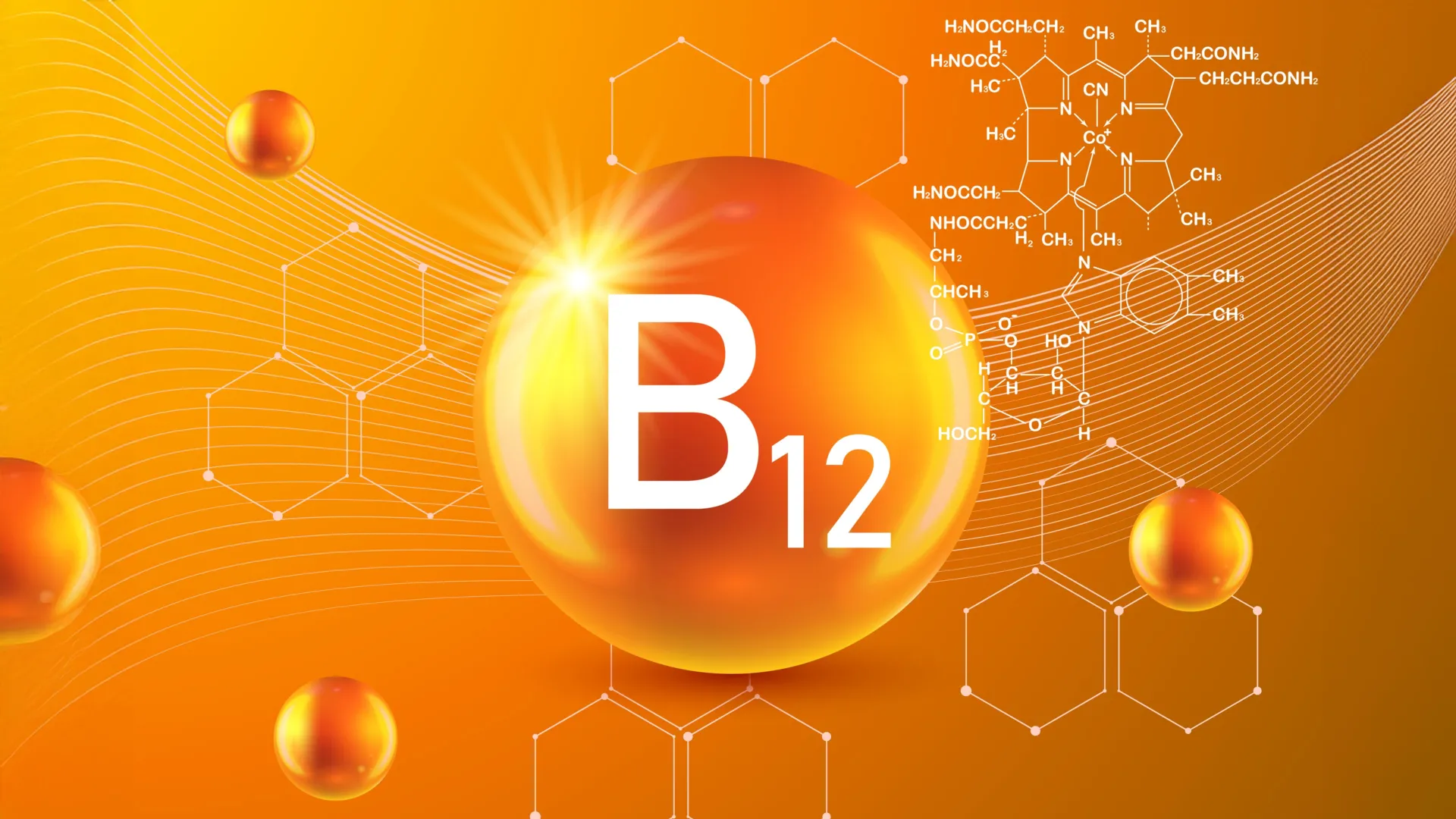
Vitamin B12, or cobalamin, is a water-soluble vitamin that plays a critical role in DNA synthesis, red blood cell formation, and the maintenance of a healthy nervous system. Because the human body cannot synthesize B12 endogenously, it must be obtained through dietary sources. Current medical guidelines recommend an intake of 2.4 micrograms (μg) per day for healthy adults.
According to data from the World Health Organization and various global nutrition surveys, over one billion people suffer from B12 deficiency. This deficiency is particularly prevalent in populations that rely heavily on plant-based diets or those residing in regions where animal-sourced foods are either prohibitively expensive or culturally unavailable. Symptoms of deficiency can range from fatigue and anemia to irreversible neurological damage if left untreated.
Historically, the burden of B12 supply has fallen on the meat and dairy industries. However, the environmental footprint associated with animal husbandry—including land-use change, methane emissions, and intensive water consumption—has prompted a global search for sustainable alternatives. Spirulina has long been heralded as a "superfood" due to its high protein content and minimal resource requirements, but it has historically failed to serve as a standalone B12 solution. Standard Spirulina contains high levels of pseudo-vitamin B12, a compound that mimics the structure of the essential vitamin but binds to human receptors without providing any nutritional benefit, effectively blocking the absorption of legitimate B12.
Chronology of the Breakthrough
The path to this discovery began with the integration of industrial biotechnology and academic research. The project, which spanned several years, followed a distinct developmental timeline:
- 2020-2021: Initial scoping of VAXA Technologies’ high-tech cultivation platform in Iceland. Researchers began analyzing how Iceland’s unique geothermal energy and light-management systems could be repurposed for precision agriculture.
- 2022: The exploratory phase commenced, focusing on the "photonic management" of Arthrospira platensis. The team hypothesized that by adjusting light wavelengths, they could influence the metabolic pathways responsible for cobalamin synthesis.
- 2023: Successful validation of the biomass. Laboratory testing confirmed that the cultivated Spirulina contained 1.64 μg of active vitamin B12 per 100 grams, a figure that places it firmly within the nutritional range of beef (0.7–1.5 μg per 100 grams).
- 2024: Formal publication of the findings in Discover Food, triggering widespread interest from agricultural economists and food security organizations.
Technological Methodology: Photonic Management
The core of this achievement lies in the control of environmental variables. Traditional open-pond cultivation of Spirulina is susceptible to contamination and inconsistent nutritional yields. The researchers utilized a closed-loop system that allowed for absolute control over the light environment.
By modulating the photonic input—the specific light spectra delivered to the algae—the researchers effectively "coached" the microorganism to adjust its cellular machinery. This process, often referred to as metabolic engineering through environmental signaling, does not involve genetic modification, which may help the resulting product navigate complex regulatory hurdles in the European and North American markets.
Beyond B12, the analysis revealed that the resulting biomass was rich in other bioactive compounds, including phycocyanin and various antioxidants. The process is inherently carbon-neutral, as it utilizes renewable energy sources—a critical factor for companies seeking to lower their Scope 3 emissions in the food supply chain.
Scalability and Global Food Security Projections
The researchers did not limit their scope to laboratory success; they modeled the potential for mass production. By evaluating the energy infrastructure of Iceland—specifically the excess capacity currently dedicated to heavy industry—the team projected a scenario where 277,950 tonnes of this nutrient-dense biomass could be produced annually.
The implications for global health are substantial. At these production levels, the annual output would provide 4,555 grams of active B12. Based on the current Recommended Dietary Allowance (RDA), this could theoretically satisfy the B12 needs of 13.8 million children aged 1–3 years. If the systems were scaled up further to utilize additional industrial-scale energy capacity, researchers estimate that the output could cover the requirements for up to 26.5 million toddlers and over 50 million infants.
While these numbers are projections, they underscore a shift in how food scientists view the role of microorganisms in the future food economy. Rather than simply harvesting nature, we are entering an era of "designed nutrition," where microbial platforms are tuned to produce exactly what the human body requires.
Industry and Academic Reactions
The scientific community has reacted with cautious optimism. Nutritionists emphasize that while the in vitro and laboratory findings are promising, the next step involves rigorous clinical trials to ensure that the B12 in this new form of Spirulina is as bioavailable in the human gut as the B12 found in animal products.
"The study demonstrates a pivot point in sustainable food production," noted an industry analyst familiar with the research. "We are moving away from the binary choice of ‘meat or no meat’ and into a space where we can synthesize high-value nutrients using minimal land and water."
The Aviram Sustainability and Climate Program, which provided the institutional backbone for this study, framed the discovery as a direct response to the "polycrisis" of climate change and food insecurity. The program, established at Reichman University, focuses on interdisciplinary solutions that bridge the gap between hard science and policy implementation.
Broader Implications for the Future of Food
This breakthrough challenges the conventional wisdom that animal products are the only viable source of certain essential vitamins. As the global population nears 10 billion by mid-century, the reliance on resource-intensive livestock will become increasingly difficult to justify.
The successful cultivation of B12-rich Spirulina serves as a proof-of-concept for the broader field of precision fermentation and controlled-environment agriculture. If microorganisms can be manipulated to produce B12, similar methodologies could potentially be used to increase the levels of omega-3 fatty acids, iron, or specific amino acids in staple crops.
However, challenges remain. The cost of building and maintaining high-tech, photonically controlled systems is significantly higher than that of traditional agricultural methods. To make this product accessible to the populations that need it most—particularly in developing nations—the technology will need to become more cost-effective and energy-efficient. Furthermore, integrating this biomass into the diets of the general public will require significant consumer education and the development of palatable food products that incorporate the algae without compromising taste or texture.
As the research moves from the laboratory toward pilot-scale commercialization, the collaboration between the University of Natural Resources and Life Sciences (Vienna), the Danish Technological Institute, and the Icelandic firm MATIS remains focused on refining the output. The ultimate goal is to create a decentralized model of production, where regions with ample renewable energy can produce their own high-quality, nutrient-dense food, effectively decoupling nutrition from the environmental degradation currently associated with modern industrial agriculture.